

Aging is often seen as something we cannot control.
Many people believe that after a certain age, energy fades, the body slows down, and health problems become normal.
But long-term research suggests a different story.
Over nearly three decades, large population studies from Harvard followed more than 100,000 adults to understand how daily habits affect health as people age.
One clear pattern appeared again and again. The foods people eat every day matter more than most realize.
This article explains what that long-term research suggests about foods linked to healthy aging, and why small, repeatable food choices may help people stay stronger, sharper, and more active as they grow older.
There is no hype here.
No superfoods.
No extreme diets.
Only simple food patterns that appear again and again in people who age well.
What “Healthy Aging” Really Means
Healthy aging does not mean never getting sick.
Researchers usually define healthy aging as reaching older age while maintaining:
- Good physical function
- Clear thinking and memory
- Emotional balance
- Low risk of major chronic disease
In simple words, it means being able to live daily life without constant fatigue, pain, or dependence.

Food does not control aging on its own.
But it strongly shapes how the body handles inflammation, repair, and stress over time.
Why Long-Term Studies Matter More Than Trends
Many nutrition claims come from short studies or small experiments.
A 27-year study is different.
Long-term population research does not focus on one food or one meal. It looks at patterns repeated over years. This helps separate short-term hype from habits that quietly support health.
What these studies suggest is not about perfection.
It is about consistency.
People who age well tend to eat certain foods regularly, not occasionally.
The Big Pattern: Foods, Not Diet Labels
One important insight from long-term research is this:
Healthy aging is not linked to a single named diet.
Instead, it is linked to food groups that support the body in similar ways:
- Lower inflammation
- Better blood sugar control
- Stronger heart and brain health
- Steady energy levels
These foods appear across cultures and lifestyles.
1. Vegetables: The Foundation of Healthy Aging
Vegetables show up at the center of almost every healthy aging pattern.
Why they matter:
- Rich in fiber, which supports gut health
- Contain antioxidants that protect cells
- Help control blood pressure and inflammation
People who age well tend to eat vegetables daily, not just sometimes.
Best choices:
- Leafy greens
- Cruciferous vegetables like broccoli
- Colorful vegetables like carrots and peppers
How to eat them:
- Fill half your plate with vegetables
- Light cooking or raw both work
- Avoid heavy sauces
2. Fruits: Protection, Not Sugar Overload
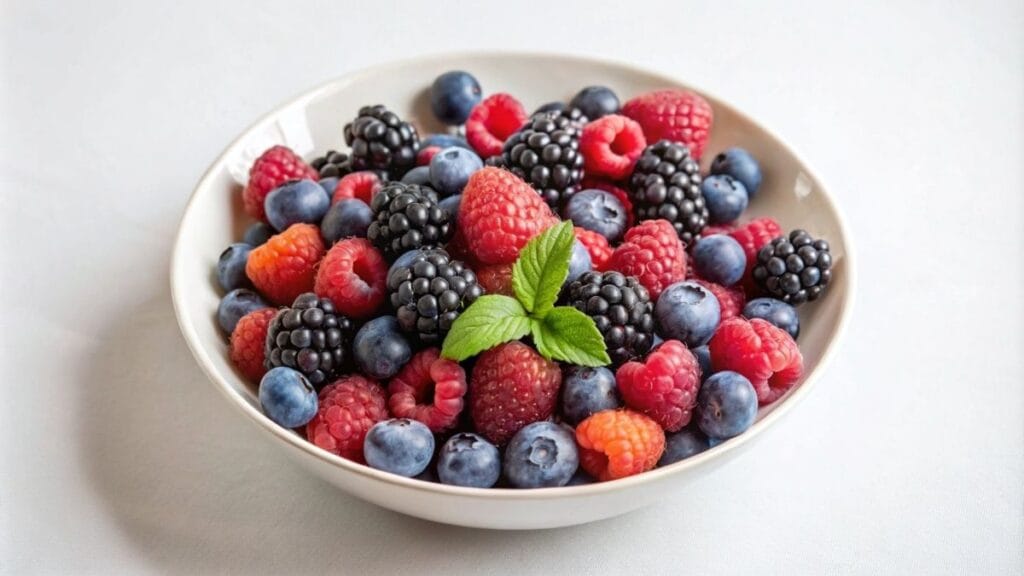
Fruit often gets misunderstood.
In healthy aging patterns, fruit is not eaten as juice or desserts. It is eaten whole.
Why fruit helps:
- Natural fiber slows sugar absorption
- Antioxidants protect brain and heart cells
- Supports digestion and immunity
Berries appear often in long-term studies.
Why berries:
- High antioxidant content
- Linked to better memory and brain health
A small serving daily is enough.
3. Whole Grains: Steady Energy Over Time
Whole grains are strongly linked to better aging outcomes.
Why they matter:
- Support healthy gut bacteria
- Keep blood sugar stable
- Reduce long-term heart risk
Examples:
- Oats
- Brown rice
- Whole wheat
- Barley
How to eat them:
- Choose whole grains over refined ones
- Read labels carefully
- Keep portions moderate
4. Healthy Fats: Quiet Support for the Body
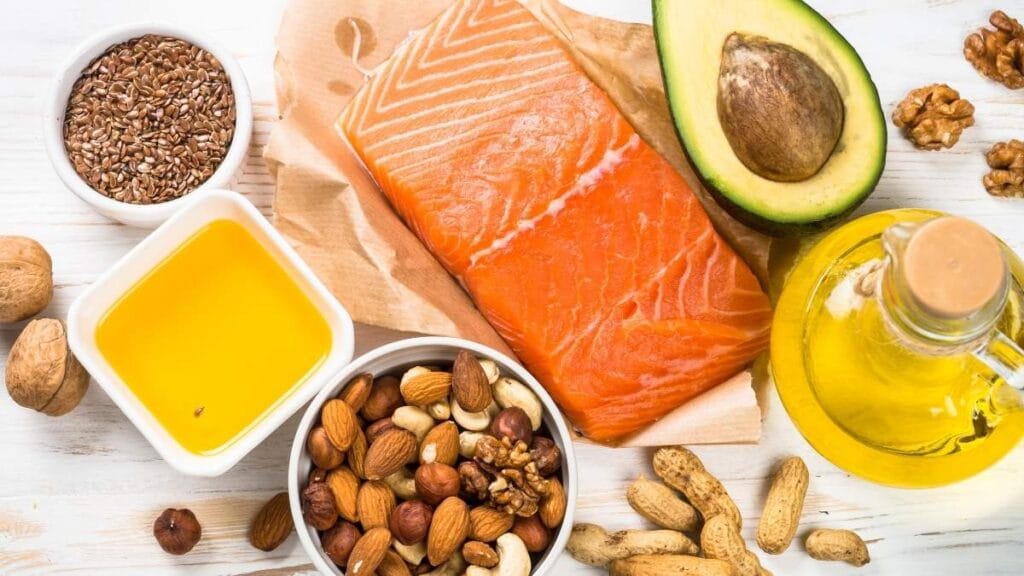
Long-term research suggests that fat quality matters more than fat amount.
Foods linked to healthy aging often include:
- Olive oil
- Nuts
- Seeds
- Fatty fish
Why healthy fats help:
- Reduce chronic inflammation
- Support brain and nerve health
- Protect blood vessels
People who age well use healthy fats daily, not just on special occasions.
5. Fish and Plant Proteins: Smarter Protein Choices
Protein is essential for muscle, repair, and strength.
But long-term studies suggest protein source matters.
Better choices:
- Fish
- Beans and lentils
- Nuts and seeds
Why:
- Lower inflammation
- Better heart health
- Support muscle without excess strain
This does not mean red meat is forbidden. It suggests moderation.
6. Beans and Legumes: The Longevity Staple
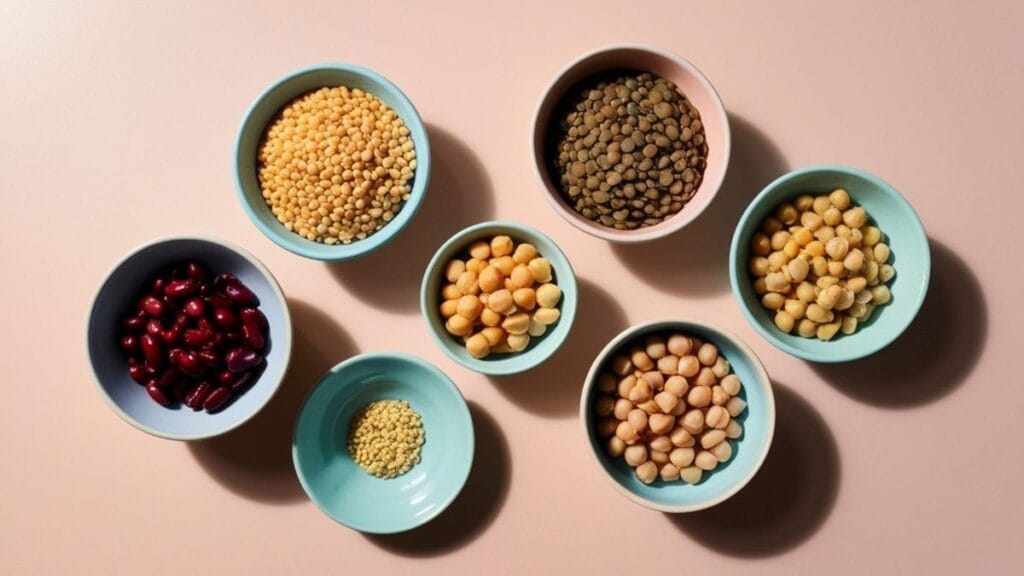
Beans appear in many long-living populations around the world.
Why they matter:
- High fiber
- Plant protein
- Support gut health
They help:
- Control blood sugar
- Reduce cholesterol
- Keep energy steady
Simple rule:
Eat beans most days.
7. Nuts: Small Foods, Big Impact
Nuts may be small, but they appear often in healthy aging research.
Why nuts help:
- Healthy fats
- Plant protein
- Micronutrients
A small handful daily is enough.
Best practice:
- Choose unsalted
- Avoid sugar-coated versions
8. Dairy (Fermented): Gut and Bone Support
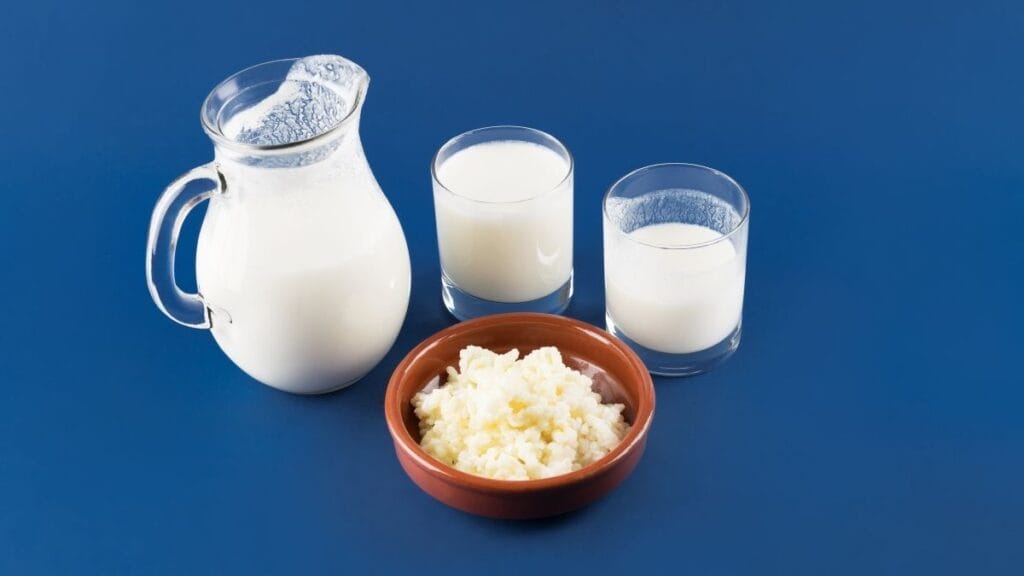
Not all dairy shows the same effect.
Fermented dairy like yogurt appears more often in healthy aging patterns.
Why:
- Supports gut bacteria
- Helps bone health
- Better digestion than sweetened dairy
Plain yogurt is preferred over flavored versions.
9. What These Foods Have in Common
When you look closely, foods linked to healthy aging share simple traits:
- They are minimally processed
- They support gut health
- They reduce inflammation
- They provide steady energy
This matters more than calories or strict rules.
The Role of Consistency
One of the strongest messages from long-term research is this:
Healthy aging is built slowly.
It is not one meal.
It is not one year.
It is repeated daily choices.
People who age well do not eat perfectly.
They eat similarly most days.

Common Mistakes That Reduce the Benefits
Many people eat healthy foods the wrong way.
Common issues:
- Eating vegetables but covering them in heavy sauces
- Choosing “whole grain” products that are mostly refined
- Eating nuts but in very large portions
- Drinking fruit juice instead of eating whole fruit
The food matters.
But so does how it is eaten.
How to Build a Simple Healthy Aging Plate
Use this easy structure:
- Half the plate: vegetables and fruit
- One quarter: whole grains
- One quarter: protein (fish, beans, eggs)
- Add healthy fats
No counting.
No tracking.
Just balance.
A Simple Daily Example
Breakfast:
- Oats with fruit and nuts
Lunch:
- Vegetables, beans, olive oil
Dinner:
- Fish, whole grains, greens
Snack:
- Yogurt or fruit
This pattern appears again and again in people who age well.
Important Safety Note
Food supports health.
It does not replace medical care.
People with medical conditions or special needs should follow professional advice.
Long-term studies show patterns, not guarantees.
Final Thoughts
Healthy aging is not about control.
It is about support.
Long-term research suggests that people who age well eat in ways that help the body repair, protect, and balance itself.
No single food does this alone.
But together, simple foods eaten consistently can shape how we experience aging over time.
Start small.
Repeat daily.