

You can eat three meals a day, take a daily multivitamin, and still be silently short on the three nutrients most responsible for how your brain, bones, and muscles hold up as you age.
That’s not a scare tactic. That’s what the research shows.
After 50, your body absorbs nutrients less efficiently. It produces some on its own more slowly. Certain medications quietly drain your stores. The gap between what you eat and what your cells actually receive gets wider every decade.
Most people don’t notice until something goes wrong.
This article tells you which three nutrient gaps show up most often in aging adults, why they form even when your diet seems fine, and exactly what to do to fix them.
Why These Gaps Form Even When You Eat Well
Before naming the three nutrients, it helps to understand why these gaps happen. It has almost nothing to do with willpower or carelessness.
Your body changes as you age. Your stomach produces less acid.

That limits how much it can pull from food. Your skin gets thinner and makes less vitamin D from sunlight. Your kidneys slow down their ability to convert vitamin D into a usable form.
These are biological shifts. Not personal failures.
Older adults are also more likely to take medications that deplete key nutrients. Proton pump inhibitors reduce B12 absorption. Diuretics drain magnesium.

Add in less appetite, less variety in meals, and fewer outdoor hours, and the gaps grow fast.
According to NHANES data, 67 percent of adults over 51 fall below the recommended intake for magnesium. Only 14.6 percent meet the daily target for calcium.
Less than half of U.S. adults aged 71 and older meet federal dietary guidelines for healthy eating.
The tricky part is these deficiencies rarely announce themselves early. No dramatic symptoms. Just slow, quiet damage building over years.
With that in mind, here are the three gaps researchers flag most consistently.
Gap #1 — Vitamin D: The Sunshine Vitamin Your Body Stops Making

Most people think vitamin D is just about bones. It’s not.
It also controls muscle strength, immune response, mood, heart health, and brain function. Low vitamin D is linked to falls, fractures, depression, higher risk of dementia, and even early death.
Here’s the problem. Your skin’s ability to make vitamin D drops about 13 percent per decade. By age 70, your skin produces roughly half what it did at age 20.
Your kidneys also slow their conversion of vitamin D into the active form your body can use.
About 1 billion people worldwide are vitamin D deficient. In the U.S., 50 to 60 percent of nursing home residents and hospitalized patients fall into this category.
A 2025 study in Frontiers in Aging Neuroscience found that vitamin D supplementation improved memory and blood pressure in older adults with mild cognitive decline.
What to do: Ask your doctor for a 25(OH)D blood test. You want your level above 50 nmol/L. Consider 1,000 to 2,000 IU of D3 daily, especially in winter. Best food sources: wild salmon (3 oz gives you 14 mcg), fortified milk, and eggs.

Gap #2 — Magnesium: The Mineral Behind 600 Body Functions
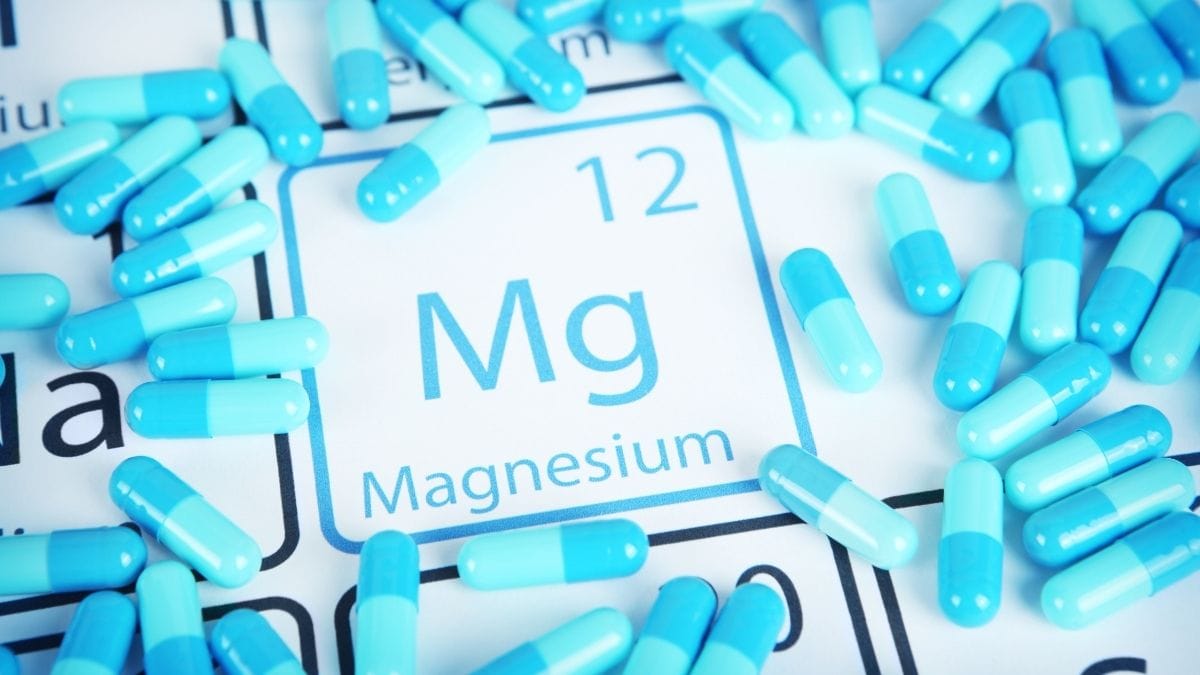
Magnesium runs more than 600 chemical reactions in your body. It regulates blood pressure, blood sugar, sleep, nerve signals, and muscle contractions.
A dietitian at Tufts University described it well: your body without magnesium is like a car running on an empty tank. It still moves. But nothing works like it should.
A 2024 study in the Journal of Neurorestoratology linked low magnesium to a higher risk of dementia.
A 2025 scoping review in the journal Nutrients looked at 48 studies and found that low magnesium over time is connected to chronic disease, poor health outcomes, and early death.
A separate 2024 study of 1,220 hospitalized patients aged 60 and older found that magnesium deficiency alone lowered cognitive test scores. When combined with low calcium, the decline was even greater.
Early signs are easy to miss: muscle cramps, poor sleep, low energy. Sound familiar? Most people blame age.
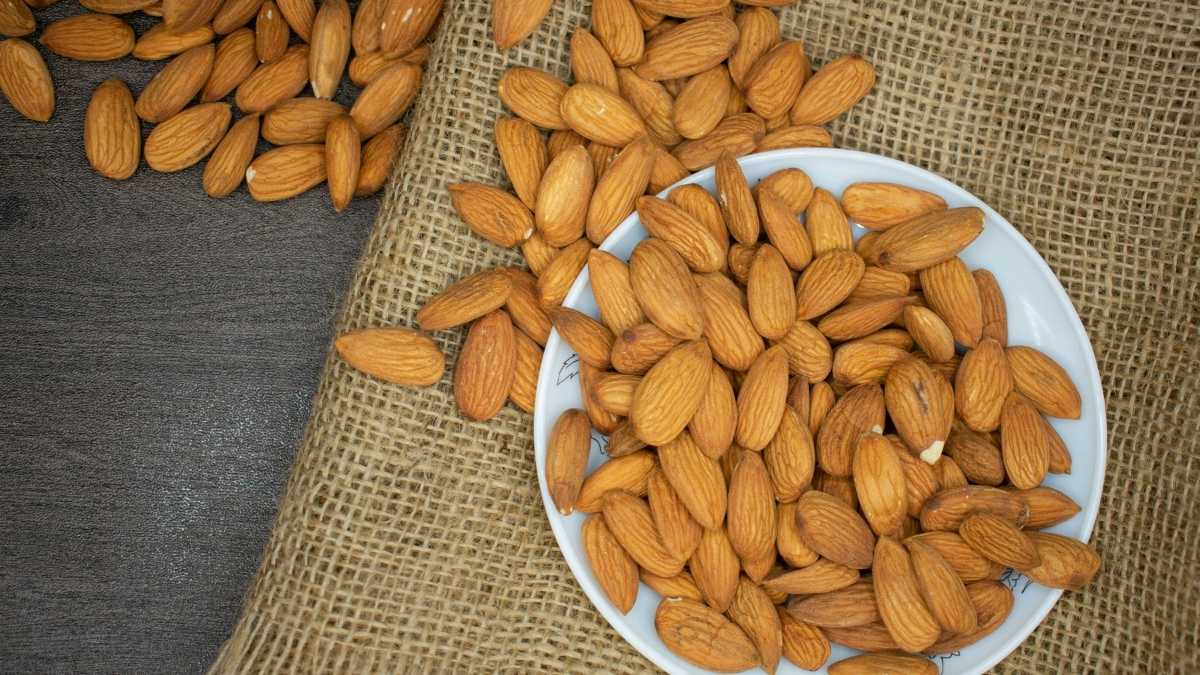
What to do: Aim for 320 to 420 mg daily. Top food sources: pumpkin seeds (1 oz = 156 mg), spinach, black beans, almonds, dark chocolate. If you supplement, use magnesium glycinate, not magnesium oxide. It absorbs far better.
Gap #3 — Vitamin B12: The One Your Gut Stops Absorbing

B12 deficiency in older adults is rarely about eating too little of it. It’s about the body losing its ability to absorb it.
After 50, your stomach makes less acid and less intrinsic factor. Both are required for B12 to move from food into your bloodstream. You can eat plenty of meat and still come up short.
Between 10 and 15 percent of adults over 60 in the U.S. and UK are B12 deficient. Malabsorption causes 40 to 70 percent of those cases.
Here’s what’s alarming. A 2025 UCSF study published in Annals of Neurology found that older adults with B12 levels still in the “normal” range showed more white matter damage in the brain and slower cognitive processing speeds than those with higher levels.
Normal on a lab report does not mean optimal for your brain.
Low B12 also raises homocysteine, which increases heart disease risk and speeds up bone loss.
What to do: Choose methylcobalamin or cyanocobalamin in supplement form. Crystalline B12 bypasses acid absorption, so supplements work better than food alone after age 60.

If you take metformin or a proton pump inhibitor, ask your doctor to check your B12 today.
How to Test All Three (What to Ask Your Doctor)
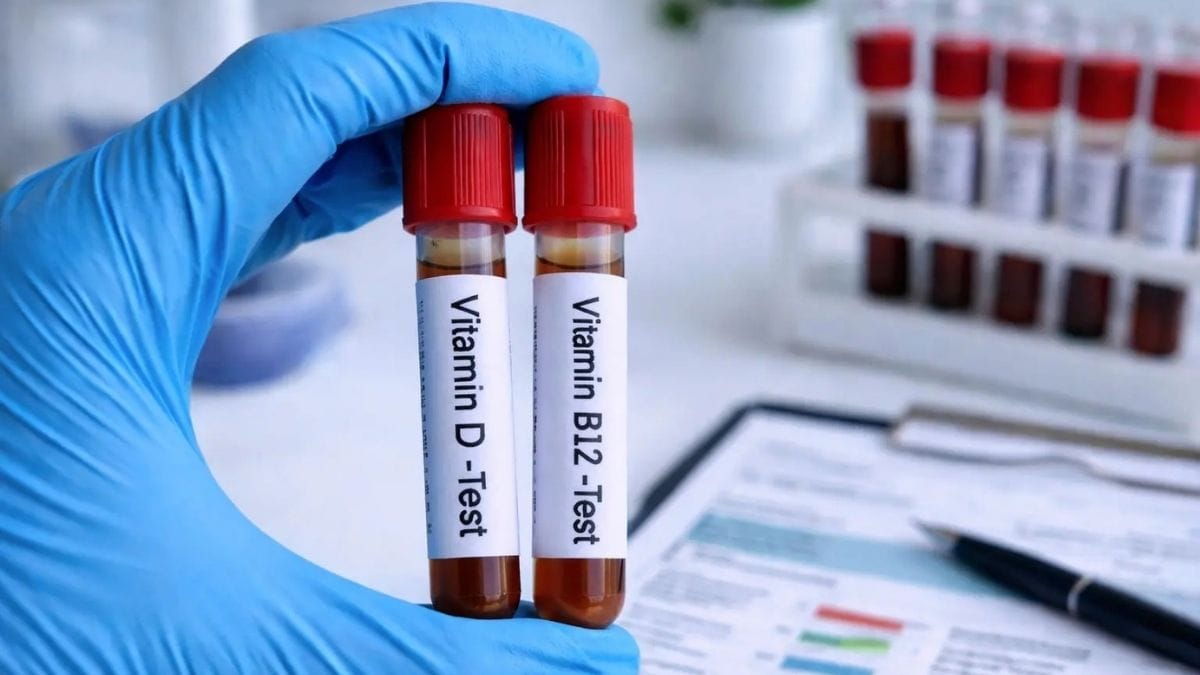
None of these require anything complicated. Just blood tests. The problem is most routine checkups skip them. You have to ask.
For vitamin D: Request a serum 25(OH)D test. Target above 50 nmol/L. Below 30 is considered clear deficiency.
For magnesium: Standard serum magnesium misses deficiency because only 1 percent of your body’s magnesium is in the blood. Ask for RBC (red blood cell) magnesium if your serum result looks normal but you still have symptoms.
For B12: Ask for total serum B12 plus methylmalonic acid (MMA). The UCSF 2025 study confirmed that standard B12 totals can look fine while your brain is still being affected.
Testing is not paranoia. It is precision. You cannot fix a gap you do not know exists.
Catching these early gives your body a chance before the effects become harder to reverse.
A Simple Weekly Plan to Cover All Three Gaps
You don’t need a complete diet overhaul. You need a few consistent habits.
Aim for fatty fish like salmon twice a week. That covers vitamin D in a real way.

Eat eggs most mornings. They hit both B12 and D. Add a daily handful of pumpkin seeds or almonds for magnesium. Include one serving of leafy greens like spinach every day. Drink one glass of fortified dairy or plant milk daily.

If you want a supplement baseline to fill in the gaps, these three are well-supported: Vitamin D3 at 1,000 to 2,000 IU daily, Magnesium Glycinate at 200 to 400 mg in the evening, and Methylcobalamin B12 at 500 to 1,000 mcg daily.
Supplements are a backup. Food always comes first. Real food delivers nutrients alongside other compounds that help your body absorb them better.
Try this for 4 to 6 weeks. Notice how your energy, sleep, and focus feel. Then retest.
Conclusion:
Aging well is not passive. Your body quietly loses its grip on three critical nutrients, even with a decent diet. Vitamin D, magnesium, and B12 are the most documented, most testable, and most fixable gaps in adults over 50.
Start with a blood test. Then fix the gaps. Your future self will notice.