

Have you noticed tingling in your feet at night? Maybe numbness in your hands, or feeling less steady than you used to? Your nerves might be trying to tell you something.
Most people over 70 assume these feelings are just part of aging. They’re not — at least not entirely. What you eat plays a direct role in how well your nerves function.
Research shows peripheral neuropathy affects nearly 27% to 39% of adults over 75. That’s a big number. And one of the biggest causes is nutritional deficiency — something food can actually fix.
This guide covers 7 everyday foods backed by nutrition science that help protect and support your nerves after 60. No supplements required. No special diets. Just real food, real benefits, and real actions you can take this week.
Why Do Nerves Get Worse After 70?
Your nervous system changes as you age. Nerve signals slow down. The protective coating around nerves — called the myelin sheath — gets thinner. Balance, sensation, and muscle coordination all take a hit.

Research shows that almost two-thirds of adults over 75 experience measurable nerve decline. That includes slower reflexes, reduced feeling in the feet, and weaker nerve signals overall.
Here’s the part most people miss: your body absorbs vitamin B12 less efficiently as you get older. Low stomach acid — common after 70 — makes it harder to pull B12 from food. And B12 is one of the most important nutrients for nerve health.
A 2025 UCSF study found something alarming. Older adults with B12 levels still considered “normal” were already showing signs of nerve and brain damage. Normal wasn’t good enough.
The good news? Food can help. Eating the right things regularly gives your nerves the building blocks they need to stay healthy longer.
1- Wild-Caught Fatty Fish (Salmon, Sardines, Mackerel)

Fatty fish is one of the best foods you can eat for your nerves. Here’s why: it gives you omega-3 fatty acids and vitamin B12 in one meal.
Omega-3s (specifically EPA and DHA) help protect the myelin sheath around your nerves.
Without enough omega-3s, nerve signals slow down and inflammation builds up. Research from 2025 shows omega-3s also help nerves recover and regenerate after damage.
B12 from fish is also easier for older adults to absorb than B12 from meat or dairy. That matters a lot after 70.
Aim for 2 to 3 servings per week. A serving is about 4 to 6 ounces — roughly the size of your palm. Grill it, bake it, or add canned sardines to salads.
One important note: not all fish is equal on mercury. Salmon, sardines, and Atlantic mackerel are low in mercury. King mackerel is high — skip that one.
2- Eggs (Especially Pasture-Raised)

Eggs are one of the most practical nerve-health foods on this list. They’re cheap, easy to cook, and packed with the right nutrients.
One egg gives you vitamin B12, complete protein (all nine amino acids your body needs), and choline. Most people have never heard of choline — but it’s essential for nerve-to-muscle communication. It also supports myelin regeneration.
Pasture-raised eggs have more omega-3s than regular eggs. That’s an added bonus for nerve protection and reducing inflammation.
You don’t need to overthink this one. Scrambled, hard-boiled, poached — it all works. Eating one to two eggs daily is safe and beneficial for most adults.
Pair them with spinach or avocado (both on this list) and you’ve got a nerve-supporting meal in under 10 minutes.
If your doctor has given you specific dietary restrictions, check with them. But for most people over 60, eggs are a simple daily win.
3- Leafy Greens (Spinach, Kale, Broccoli)

Leafy greens are loaded with B vitamins — especially B6, B9 (folate), and some B12. These vitamins work together to repair damaged nerve cells and reduce oxidative stress.
Oxidative stress is basically what happens when your cells get damaged over time. It’s a major driver of nerve deterioration. B vitamins help fight that damage at the cellular level.
Leafy greens also give you magnesium. Magnesium is essential for nerve transmission — it helps your nerves send signals properly. Low magnesium is linked to neuropathy, especially in people with diabetes or pre-diabetes.
Here’s a practical tip: one cup of cooked spinach a day is a strong target. Cooking spinach actually increases the amount of magnesium and folate your body absorbs. Add it to eggs, soups, stir-fries, or smoothies.
Also worth knowing: B6 helps your body absorb B12. Getting B6 through food is much safer than taking high-dose supplements, which can actually damage nerves if overused.
4- Avocados
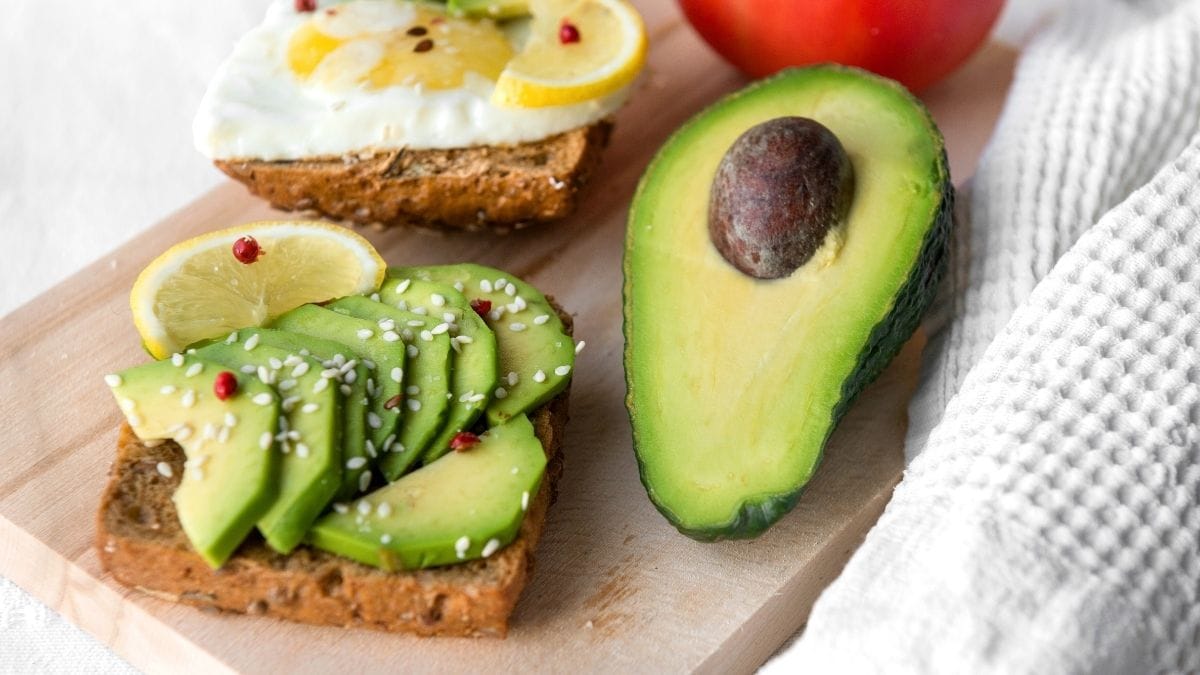
Avocados give your nerves something most people don’t think about: healthy fats that directly strengthen the myelin sheath.
The monounsaturated fats in avocados help maintain the structure of nerve cell membranes. Think of them like insulation around an electrical wire. Without good insulation, signals get lost or distorted.
Avocados also contain potassium, magnesium, and niacin (vitamin B3). Niacin supports nerve cell development and survival. Combined with the other B vitamins in your diet, it can help reduce neuropathy symptoms over time.
Half an avocado a day is enough. You don’t need more than that. Slice it onto eggs, mash it onto toast, or add it to a salad with leafy greens.
One easy meal idea: eggs + spinach + half an avocado. That combination alone covers B12, choline, folate, magnesium, monounsaturated fats, and antioxidants. It’s a nerve-health breakfast in one bowl.
5- Walnuts and Flaxseeds

Not everyone eats fish regularly. If that’s you, walnuts and flaxseeds are your best plant-based source of omega-3 fatty acids.
They contain ALA — a type of omega-3 that helps maintain nerve cell membrane integrity and reduces inflammation. Your body converts ALA into EPA and DHA, but not perfectly efficiently. That conversion gets even less effective after age 70.
So if you don’t eat fish, try to eat both walnuts and some fatty fish during the week. They work better together than either one alone.
Walnuts also contain vitamin E, which protects nerve cells from oxidative damage. One ounce of walnuts (about a small handful) daily is the right amount.
For flaxseeds: use ground flax, not whole. Your body can’t absorb whole flaxseeds well. Add one tablespoon of ground flax to oatmeal, yogurt, or a smoothie. It’s tasteless, easy, and gives you a daily omega-3 boost without cooking anything.
6- Blueberries and Dark Berries

Blueberries, blackberries, and raspberries are some of the most antioxidant-rich foods you can eat. And antioxidants matter a lot for nerve health.
Here’s why: oxidative stress damages the myelin sheath and slows nerve conduction. Antioxidants neutralize that damage before it gets worse. They don’t reverse existing damage completely, but they slow the process significantly.
The Foundation for Peripheral Neuropathy recommends eating 5 to 10 servings of colorful fruits and vegetables daily. Berries are one of the easiest ways to hit that target fast.
Half a cup of mixed berries a day is plenty. Frozen berries are just as nutritious as fresh ones — and much cheaper. Add them to oatmeal in the morning or blend them into a smoothie.
One bonus: berries are low in sugar compared to most fruits. That matters because blood sugar spikes increase inflammation, which directly worsens nerve symptoms. Berries give you sweetness without the spike.
7- Legumes (Beans, Lentils, Chickpeas)

Legumes are the most underrated food on this list. They’re budget-friendly, shelf-stable, and packed with nutrients your nerves need.
The biggest one is thiamine — also called vitamin B1. Thiamine helps nerve cells convert food into energy (ATP). Without it, nerves can’t function properly. Thiamine deficiency is directly linked to neuropathy symptoms like weakness, tingling, and pain.
Navy beans, lentils, and chickpeas are all strong sources of thiamine. They also deliver folate, iron, and magnesium — all of which support healthy nerve function.
Aim for 3 to 4 servings per week. A serving is about half a cup cooked. Add lentils to soup, chickpeas to salads, or black beans to rice. They’re easy to prepare in large batches and store well in the fridge for the week.
If you’re new to eating legumes, start slow. They can cause gas at first. Your gut adjusts within a week or two. The long-term nerve benefits are worth it.
What to Stop Eating — These Foods Hurt Your Nerves
Just as important as what you eat is what you avoid. Some foods actively damage nerves over time.
Sugary drinks and candy spike blood sugar fast.

Repeated blood sugar spikes cause inflammation — and inflammation is one of the main drivers of nerve damage. This is especially true if you have diabetes or pre-diabetes.
Alcohol is hard on nerves even in moderate amounts. Heavy drinking is a recognized direct cause of peripheral nerve damage. If you have neuropathy symptoms, cutting back on alcohol is one of the fastest changes you can make.
Highly processed foods crowd out the B vitamins, omega-3s, and antioxidants your nerves depend on. They take up space in your diet without giving anything useful back.

High-dose B6 supplements are a surprising one. Taking more than 200mg of B6 per day can actually cause nerve damage. Getting B6 through food — leafy greens, fish, eggs — is always safer than megadose pills.
A Simple 5-Day Eating Pattern for Nerve Health

You don’t need a complicated meal plan. Here’s a simple template you can adapt:
Monday: Eggs and spinach for breakfast. Salmon with broccoli for dinner. Walnuts and blueberries as a snack.
Tuesday: Lentil soup for lunch. Half an avocado with salad for dinner. Ground flax in your morning oatmeal.
Wednesday: Sardines on whole grain crackers for lunch. Stir-fried kale with dinner. A small handful of walnuts in the afternoon.
Thursday: Chickpea salad for lunch. Baked salmon for dinner. Berries with yogurt as a snack.
Friday: Scrambled eggs with spinach and avocado. Black bean soup for lunch. Blueberries with oatmeal in the morning.
Consistency matters more than perfection. Eating 4 or 5 of these foods regularly is better than eating all 7 perfectly for one week, then stopping.
One important note: if you take metformin or proton pump inhibitors (common medications after 70), talk to your doctor about B12 levels. Both medications reduce B12 absorption significantly.
Final Thought;
Nerve decline after 70 is real — but it’s not unstoppable. Fatty fish, eggs, leafy greens, avocados, walnuts, berries, and legumes give your nerves the nutrients they need most. Start with one change this week. Your nerves respond to what you feed them — starting now.