By 2030, one in six people on Earth will be over 60. But here is the hard truth — most of them will not enjoy those years in good health.
You have heard the basics a hundred times. Eat well. Exercise more. But nobody tells you exactly what to do, how much, and why it actually works.
That stops here.
Science now tells us that a large part of how we age is our choice. In 2026, 73% of people worldwide say healthy aging is their top priority. They are not just trying to live longer. They want to live better.
This guide gives you 10 clear, proven rules. backed by current research — that protect your body, mind, and social life as you get older.
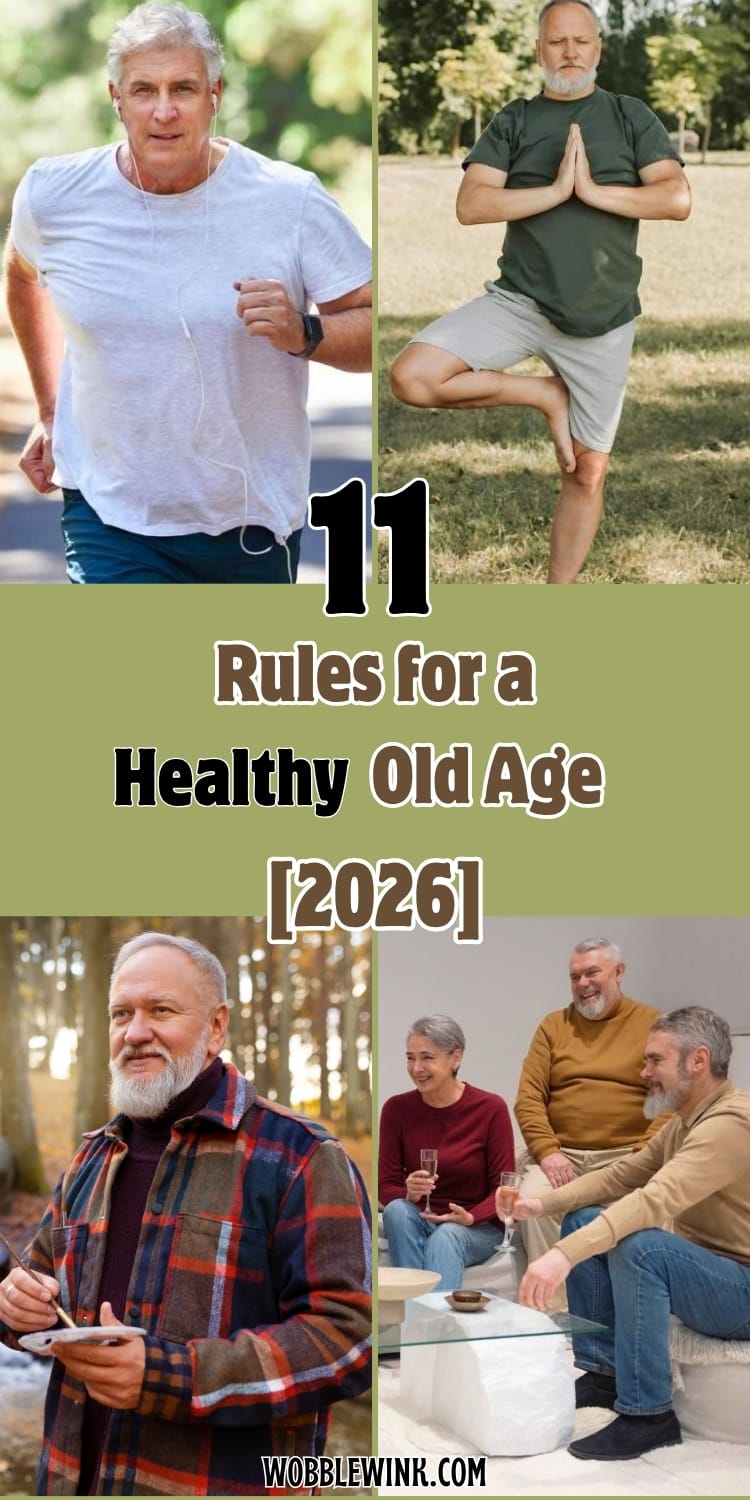
Rule #1- Golden Rules for a Healthy: Daily Movement Is Your Most Powerful Anti-Aging Tool

Many people think that once joint pain or fatigue starts, exercise becomes risky. The research says the exact opposite.
Just 22 minutes of moderate movement per day — that is 150 minutes a week — can significantly lower your risk of early death. And here is what surprises most people: the benefits of exercise actually get stronger after age 60, not weaker.
A 20-year study of 36,000 adults aged 65 and older found that physical activity was the single biggest factor linked to lower death rates. Even people with bad genes saw bigger benefits from exercise than those with good genes.
People who exercised two to four times above the minimum recommendation had a 26% to 31% lower risk of dying from any cause.
You do not need a gym. Walk after dinner. Do chair squats. Swim once a week. The key is showing up every day.
Practical Tips:
- Start with a 10-minute walk after one meal each day
- Add resistance exercises twice a week — even bodyweight squats count
- Reduce sitting time by standing or walking for 5 minutes every hour
Rule #2- What You Eat Every Day Shapes How Fast You Age
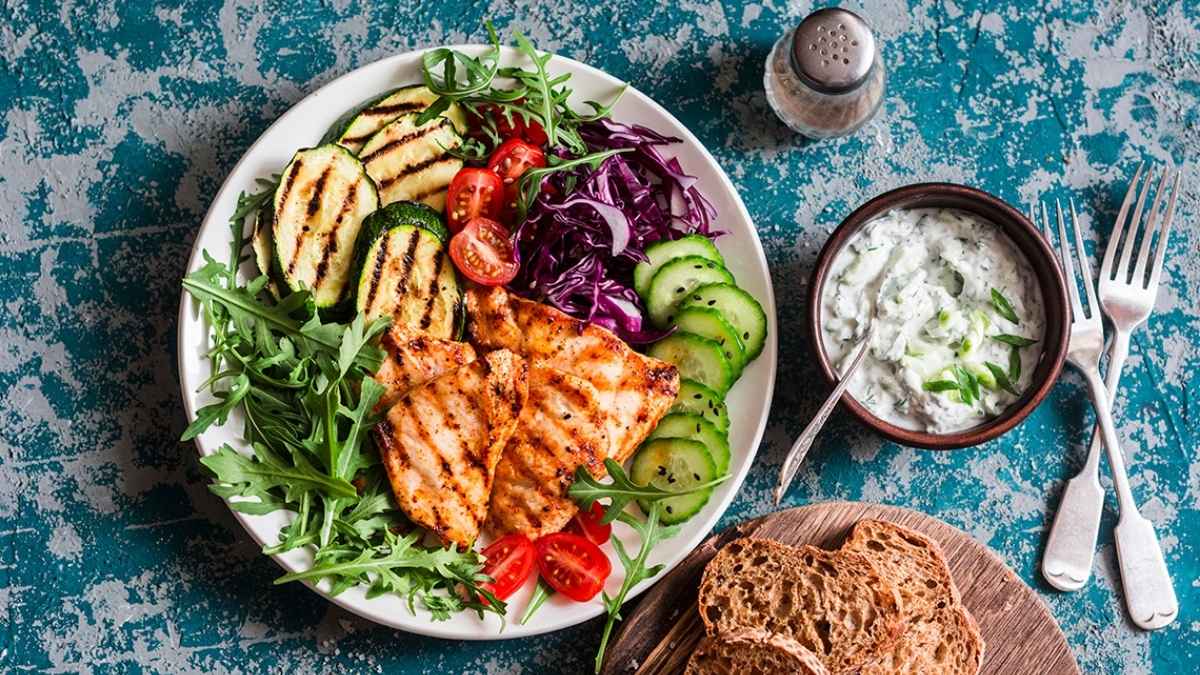
There is a big difference between eating less and eating right. After 60, eating right matters far more.
Your body needs protein to fight muscle loss. It needs healthy fats to protect your brain. It needs fiber to feed your gut. The Mediterranean diet — fish, olive oil, vegetables, legumes, whole grains — is the most studied eating pattern for a long, healthy life.
The gut microbiome is now one of the hottest areas in aging research. What you eat directly shapes the bacteria in your gut. Those bacteria affect your brain, your immune system, your mood, and your energy levels.
Cut down on ultra-processed foods, added sugar, and fried items. They drive inflammation — and inflammation drives almost every age-related disease.
Drink more water. Older adults often feel less thirsty, but dehydration causes fatigue, confusion, and joint pain.
Practical Tips:
- Add one handful of leafy greens to one meal every day
- Eat fish or plant protein at least three times a week
- Replace one processed snack with nuts, fruit, or yogurt daily
Rule #3- Poor Sleep Ages You Faster — Here Is How to Fix It
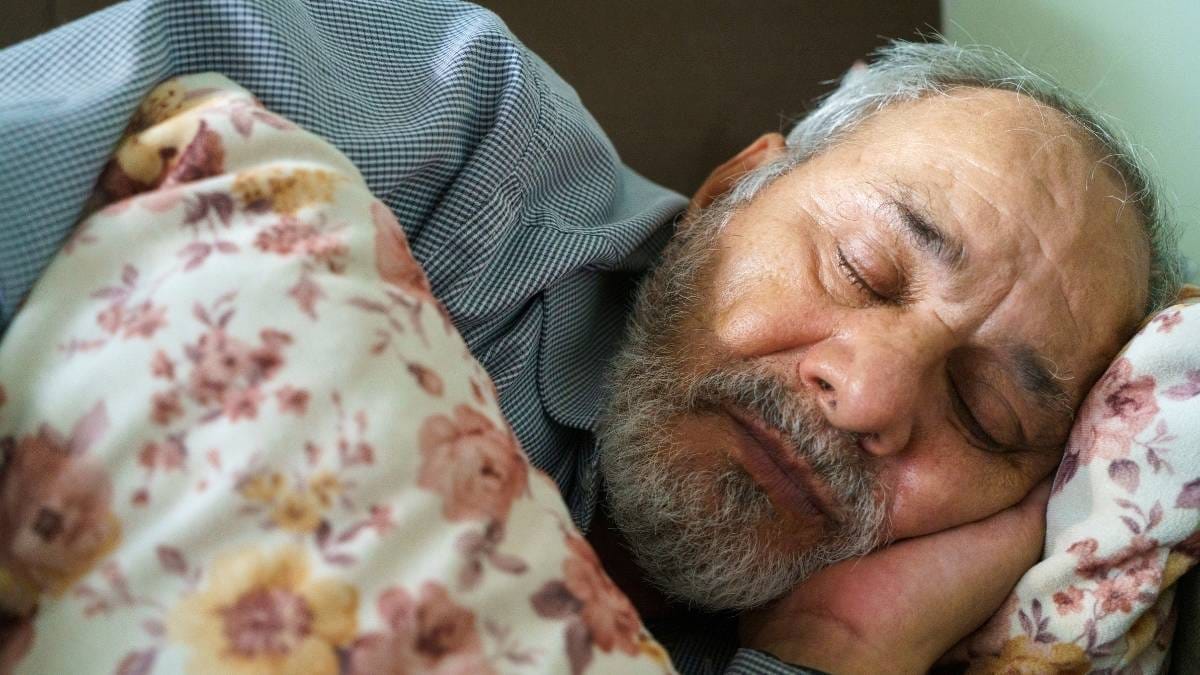
Sleep is not a luxury. It is maintenance for your body and brain.
After 60, sleep patterns change. You may wake up earlier, sleep lighter, or feel tired during the day. Some of that is normal. But regularly getting less than 7 hours is not.
Poor sleep raises your risk of dementia, heart disease, and a weak immune system. It disrupts hormones, raises blood pressure, and causes weight gain.
A 2025 meta-analysis of 1.25 million older adults found that sleep problems were closely tied to depression and loneliness.
Stress, sleep, and nutrition now work together. Fixing one helps the others.
Build a sleep routine. Go to bed at the same time every night. Keep your room cool and dark. Put your phone away an hour before sleep. If you snore loudly or gasp at night, talk to a doctor — sleep apnea is common and often missed in older adults.
Practical Tips:
- Set a fixed bedtime and wake time — even on weekends
- Keep your bedroom below 68°F (20°C) for better deep sleep
- Ask your doctor about sleep apnea if you feel tired despite a full night’s rest
Rule #4- A Busy Mind Is a Protected Mind — Keep Learning After 60
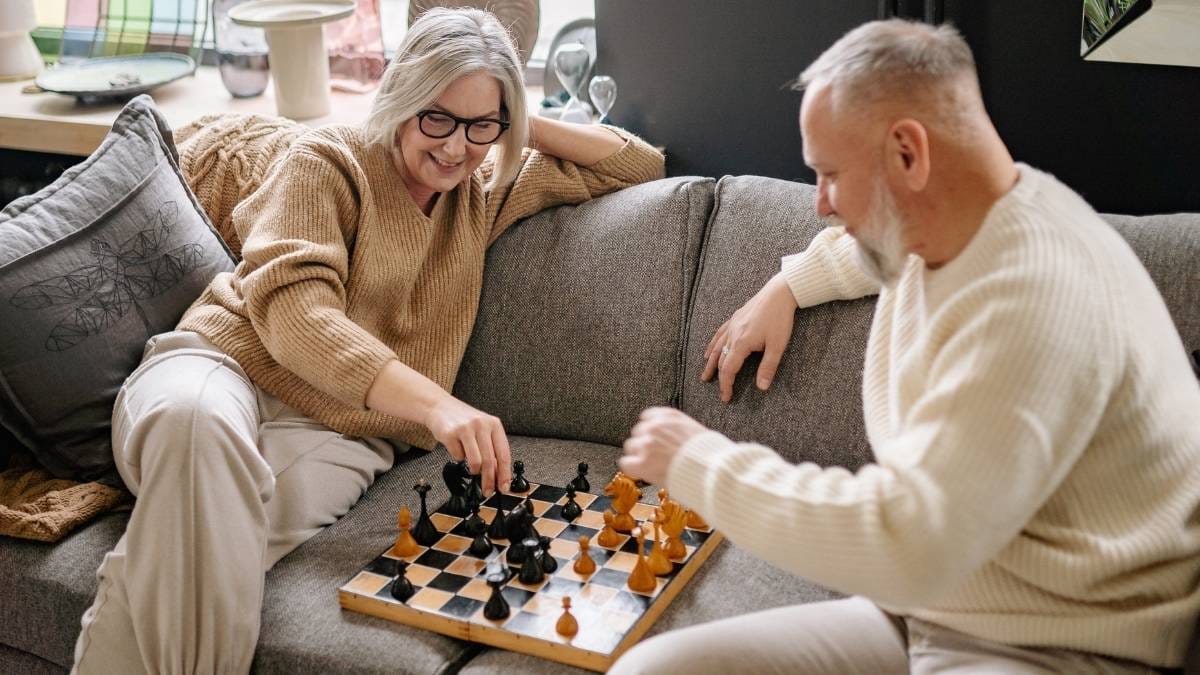
Your brain is not a fixed object. It grows and changes based on what you do with it.
Cognitive stimulation — challenging your brain regularly — is one of the best ways to slow mental decline. Neuroscience is now one of the top research areas in aging science globally.
But not all mental activity is equal. Watching TV is passive. Reading a new book, learning a language, playing a musical instrument, or taking an online class — those are active. Your brain needs new challenges, not just familiar routines.
Research shows that combining physical movement with mental tasks gives the biggest brain boost. A walk while listening to a podcast. Dancing, which requires memory, rhythm, and movement together. Games that force strategy and quick thinking.
In 2026, digital brain training tools and neurofeedback programs are becoming easier to access. Some apps offer structured programs designed specifically for older adults.
Practical Tips:
- Learn one new skill this month — cooking a new recipe counts
- Play strategy games like chess, sudoku, or card games three times a week
- Read for 20 minutes daily instead of scrolling social media before bed
Rule #5- Social Connection Is Not Optional — It Is a Health Requirement
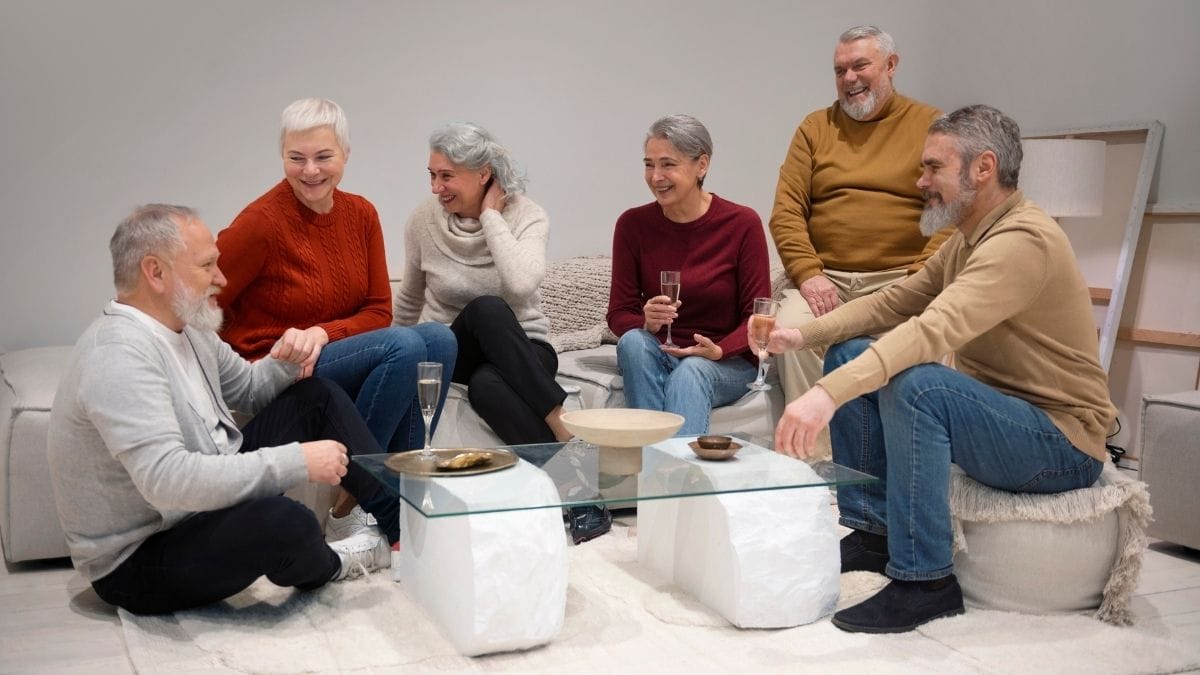
You already know smoking is bad for your health. What most people do not know is that chronic loneliness carries a similar health risk.
Social isolation in older adults is linked to a 35% higher risk of developing dementia and a 20% higher risk of heart disease or stroke.
A 2025 meta-analysis of more than 1.25 million older adults found that 22.6% experience loneliness. In the US, 21% of adults over 60 report feeling lonely.
People who are lonely are twice as likely to develop depression.
Being alone and feeling lonely are not the same thing. You can live alone and feel connected. You can be surrounded by people and still feel empty. The goal is quality connection — regular, meaningful contact with people who care about you.
Join a club. Volunteer. Call a friend once a week. Go to a place of worship. Even owning a pet helps — more than half of adults over 50 say their pets give them real health benefits.
Practical Tips:
- Schedule one phone or video call with a friend or family member each week
- Join one community group — a walking group, book club, or volunteer team
- If you have a pet, use it as a social bridge — dog parks and pet groups are great for meeting people
Rule #6- Preventive Checkups Save More Lives Than Emergency Treatments

Most older adults only go to the doctor when something hurts. That is one of the biggest health mistakes you can make.
Many serious conditions — high blood pressure, diabetes, cancer, bone loss — show no obvious symptoms early on. By the time you feel sick, the problem is harder and more expensive to treat.
As we age, the body becomes more likely to deal with multiple conditions at once. Diabetes plus depression plus joint pain often show up together. Catching one early can prevent the others from developing.
In 2026, multi-cancer early detection blood tests are becoming available. One blood draw can check for signals of multiple cancers before symptoms appear. That is a real breakthrough for older adults.
Get these checked every year: blood pressure, blood sugar, cholesterol, bone density, vision, hearing, and dental health. Tell your doctor all your medications, including supplements.
Practical Tips:
- Make a list of every medication and supplement you take before your next doctor visit
- Ask your doctor specifically about bone density and cancer screening for your age group
- Book your annual checkup in January so it becomes a yearly habit
Rule #7- Chronic Stress Accelerates Aging — Here Is How to Stop It
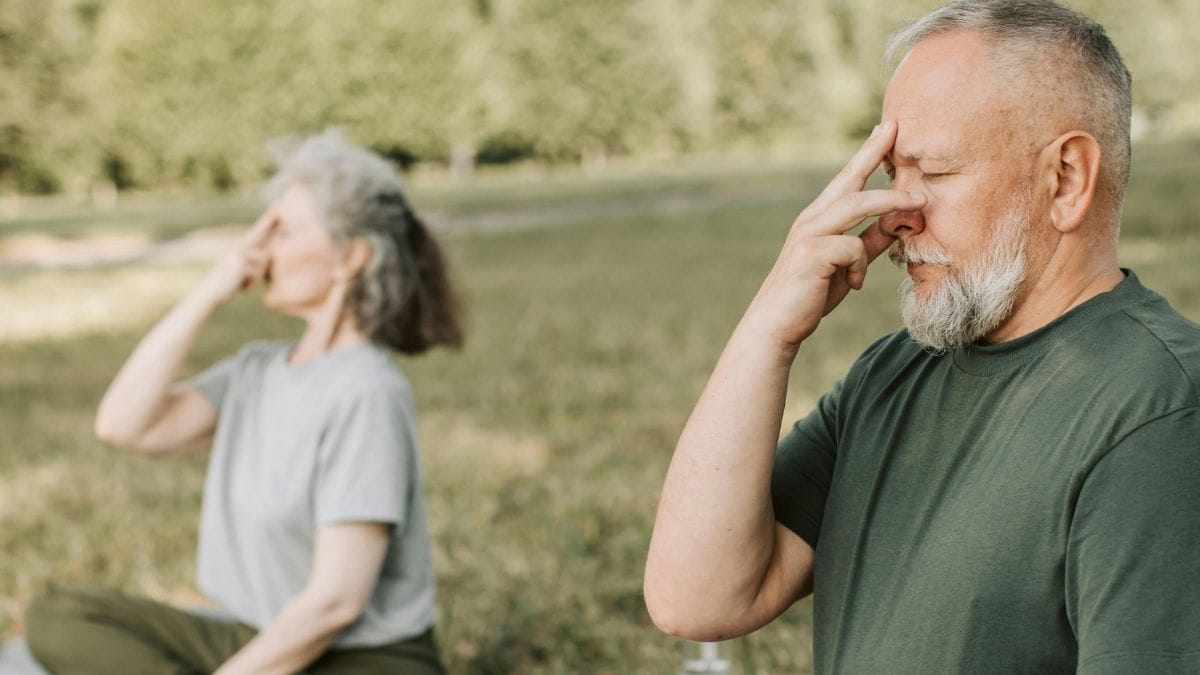
Stress is not just a feeling. It causes real, physical damage inside your body.
When you are stressed for a long time, your body releases too much cortisol. That raises blood pressure, damages brain cells, breaks down muscle, and speeds up cellular aging.
Chronic inflammation — the kind that stress creates — is behind heart disease, cognitive decline, and sarcopenia (muscle loss).
49% of people globally say mental health is a serious concern. Stress and sleep problems are now treated as key aging risks, not just lifestyle issues.
The good news is that resilience — your ability to bounce back from stress — is a skill. You can build it at any age.
Simple tools work: 10 minutes of slow breathing each day. A short walk in nature. Writing down three things you are grateful for before bed. Talking to someone you trust. These are not soft suggestions. Research backs all of them.
Practical Tips:
- Try 4-7-8 breathing: inhale for 4 seconds, hold for 7, exhale for 8 — do this twice a day
- Spend at least 20 minutes outside in natural light every day
- Write down one worry and one solution each night before sleep
Rule #8- Fall Prevention and Bone Strength Are the Hidden Keys to Independence
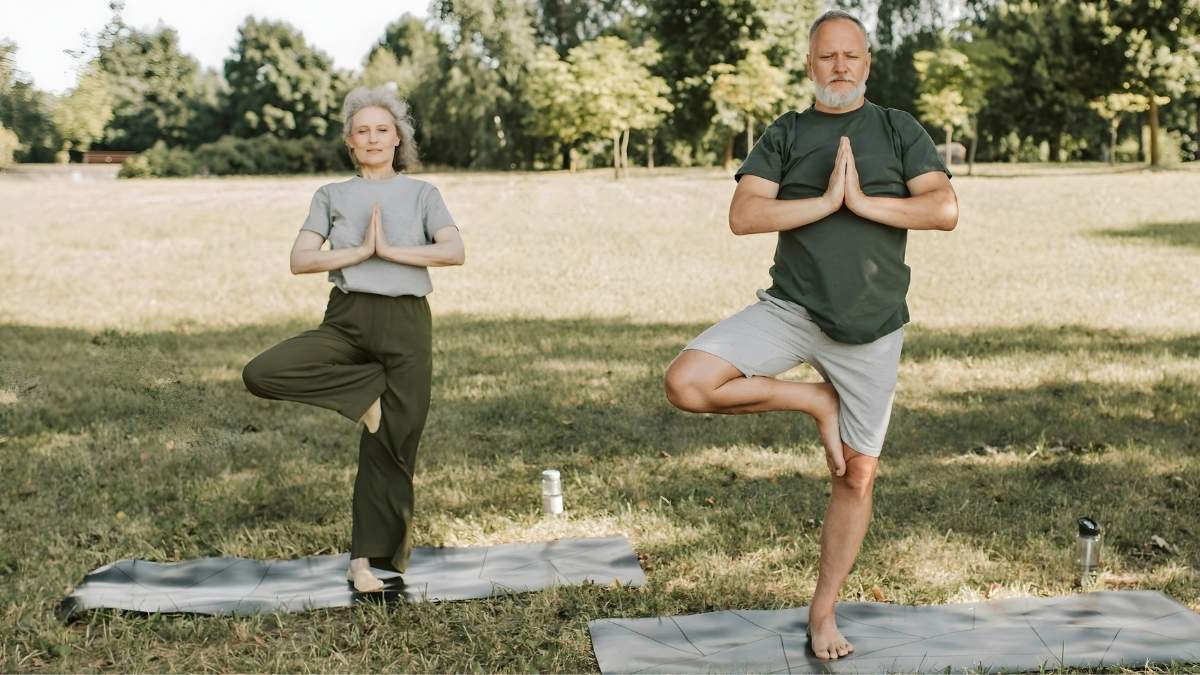
A fall is not just a bruise. For older adults, a broken hip can lead to surgery, hospitalization, long recovery — and in some cases, it marks the beginning of serious decline.
Falls are one of the leading causes of disability and death in people over 65. And most of them are preventable.
Bone density drops after 50, especially in women after menopause. Without enough calcium and vitamin D, bones become fragile. Without regular strength and balance training, muscles weaken and reactions slow down.
Tai chi is one of the best-studied exercises for fall prevention. A review of 24 studies found it reduces fall risk, and the longer you practice it, the better it works.
Progressive resistance training — lifting weights, using resistance bands — is essential for keeping muscle mass. Even simple bodyweight exercises like wall push-ups and sit-to-stand help.
Check your home too. Remove loose rugs. Add grab bars in the bathroom. Make sure every staircase has a solid railing.
Practical Tips:
- Do a daily balance exercise: stand on one foot for 30 seconds, then switch — build up over time
- Ask your doctor to check your vitamin D and calcium levels at your next visit
- Walk through your home and remove any trip hazard — loose mats, cords on the floor, poor lighting
Rule #9- People with a Reason to Wake Up Live Longer — Find Yours
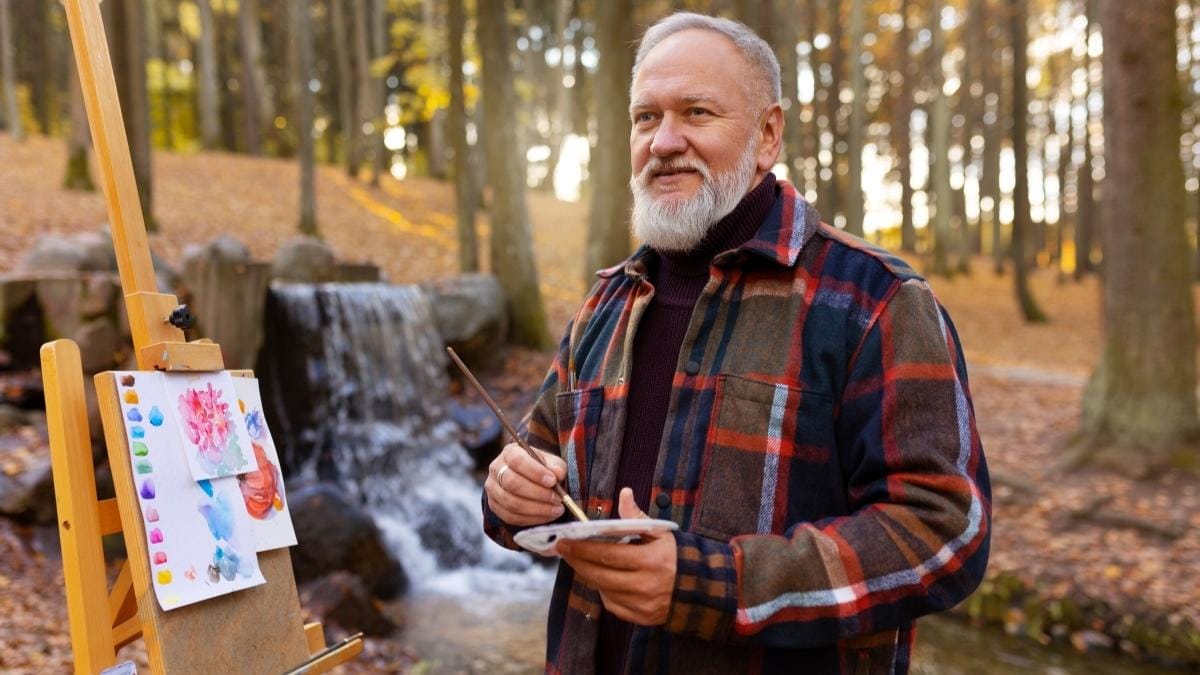
In Okinawa, Japan — one of the world’s longest-living populations — people call it Ikigai. It means your reason for being. Your reason to get up in the morning.
Research consistently shows that people with a strong sense of purpose live longer, have lower rates of dementia, and experience fewer cardiovascular events. Purpose is not a luxury. It is a health factor.
Retirement can be a shock to identity. For decades, work gave you structure, social contact, and meaning. When that ends without a plan, many people feel lost. That loss is dangerous for health.
You need a purpose plan as much as a financial plan.
Volunteering, mentoring younger people, taking a class, joining a faith community, starting a creative project — all of these fill the gap. You do not need a grand mission. You need something that pulls you forward each morning.
WHO confirms that additional years in old age give people the chance to pursue education, new careers, and long-neglected passions. Use them.
Practical Tips:
- Write down three things you love doing that have nothing to do with work or family responsibility
- Volunteer for one cause you care about — even two hours a week makes a measurable health difference
- Set one small goal each month — finish a book, learn a skill, complete a project
Rule #10- Use 2026 Technology to Take Charge of Your Health
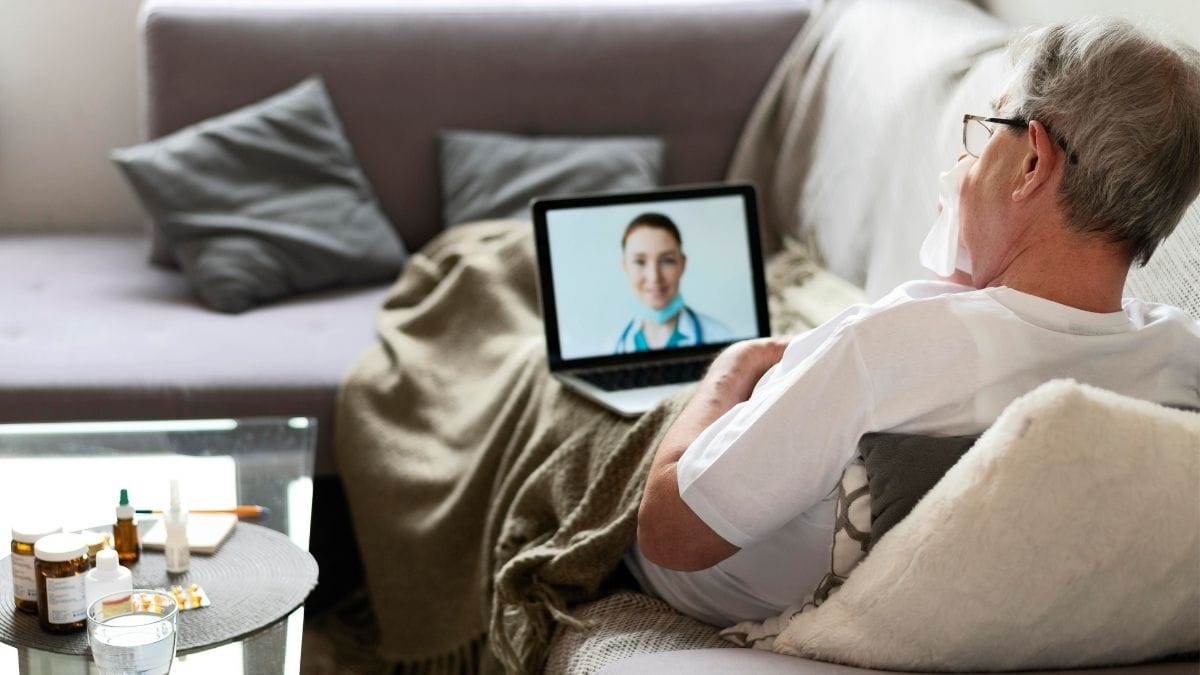
Technology is not just for young people. In 2026, it is one of the most useful tools older adults have for staying healthy and independent.
Wearable devices now track heart rate, sleep quality, blood oxygen, steps, and even irregular heart rhythms. These numbers help you and your doctor catch problems early — before they become serious.
Telehealth lets you speak to a doctor from your home. No driving. No waiting room. No missing an appointment because you feel too tired to go out. That removes one of the biggest barriers older adults face.
AI-driven apps can now suggest personalized diet adjustments and activity plans based on your actual data — not general advice for the average person.
But be careful. Health misinformation spreads fast online. If you read something dramatic about a cure or a danger, check it against trusted sources: nia.nih.gov, who.int, or your own doctor.
Practical Tips:
- Start with a basic fitness tracker that measures steps and sleep — no need for expensive devices
- Ask your doctor if telehealth appointments are available for routine follow-ups
- Bookmark nia.nih.gov as your go-to source for reliable health information
Conclusion
Healthy old age is not luck. It is built — one rule at a time.
You do not need to be perfect. You need to be consistent. Pick one rule from this list and start today. Even one small change, done every day, is the difference between adding years to your life — and adding life to your years.