
I used to think I was doing everything right. Grilled chicken, brown rice, lots of vegetables — my diet looked like a textbook example of healthy eating. So when my doctor flagged elevated LDL cholesterol at my annual checkup, I was genuinely confused.
The surprising truth is that LDL — the so-called “bad” cholesterol that can build up in your arteries — does not only rise because of obvious offenders like fast food or greasy takeout.
Certain everyday foods that carry a health halo can quietly push those numbers in the wrong direction, even when the rest of your diet is clean.
Here is what the research actually shows: a handful of common foods, many of them found in kitchens that belong to careful, health-conscious eaters, consistently turn up as LDL triggers. Knowing which ones they are is the first step to getting your numbers under control.
The Saturated Fat Signal: How Your Liver Reads What You Eat
Think of your liver like a traffic controller for cholesterol. When you eat certain fats, your liver gets a signal to produce more LDL and release it into your bloodstream. The more saturated fat in your diet, the louder that signal becomes.
Saturated fat is a type of fat that is solid at room temperature — found in animal products and some plant oils. Research shows it triggers the liver to reduce the number of receptors it uses to clear LDL from the blood. Fewer receptors mean more LDL stays circulating in your arteries.
Scientists have also found that some foods raise LDL not through saturated fat alone, but through refined carbohydrates, certain cooking methods, and even hidden added sugars. The combination matters as much as any single ingredient.
| Situation | Without Change | With Change | Long-Term Result |
|---|---|---|---|
| High saturated fat diet | LDL rises 10–15% | Swap to unsaturated fats | Lower arterial plaque risk |
| Daily refined carb intake | Triglycerides elevated | Replace with whole grains | Improved HDL-to-LDL ratio |
| Regular processed snack habits | LDL creeps up over months | Whole food swaps made | Cholesterol stabilises in 6–8 weeks |
1- Coconut Oil: The Trendy Fat With a Complicated Profile
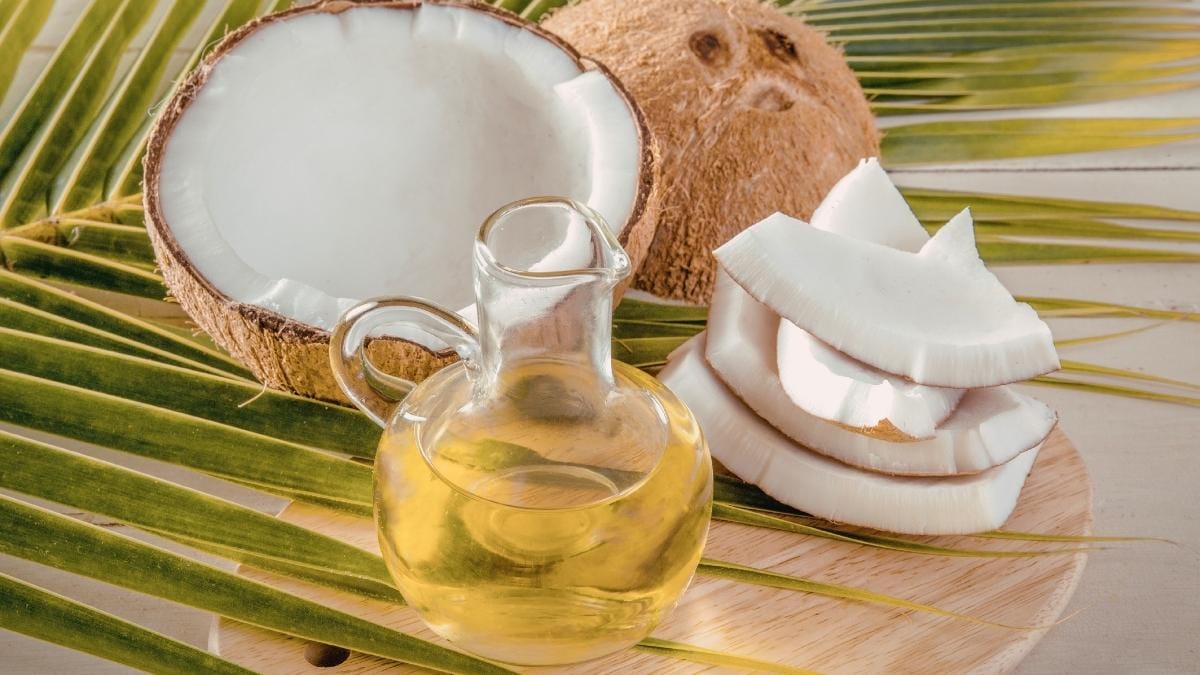
Coconut oil became a wellness darling, but its effect on LDL tells a more complicated story than the marketing suggests.
You have probably seen it recommended for everything from cooking to coffee. It feels natural, unprocessed, and wholesome — which makes the cholesterol data a genuine surprise for many people.
Coconut oil is roughly 90% saturated fat, making it higher in saturated fat than butter. Research shows it raises LDL cholesterol significantly when consumed regularly.
Some studies suggest it may also raise HDL — the protective cholesterol — but most cardiologists note that the LDL increase is the more clinically important change.
The practical swap here is simple: use extra virgin olive oil for most cooking. Olive oil is rich in monounsaturated fat, which research consistently links to lower LDL.
2- Butter (Including Grass-Fed): Still High in Saturated Fat
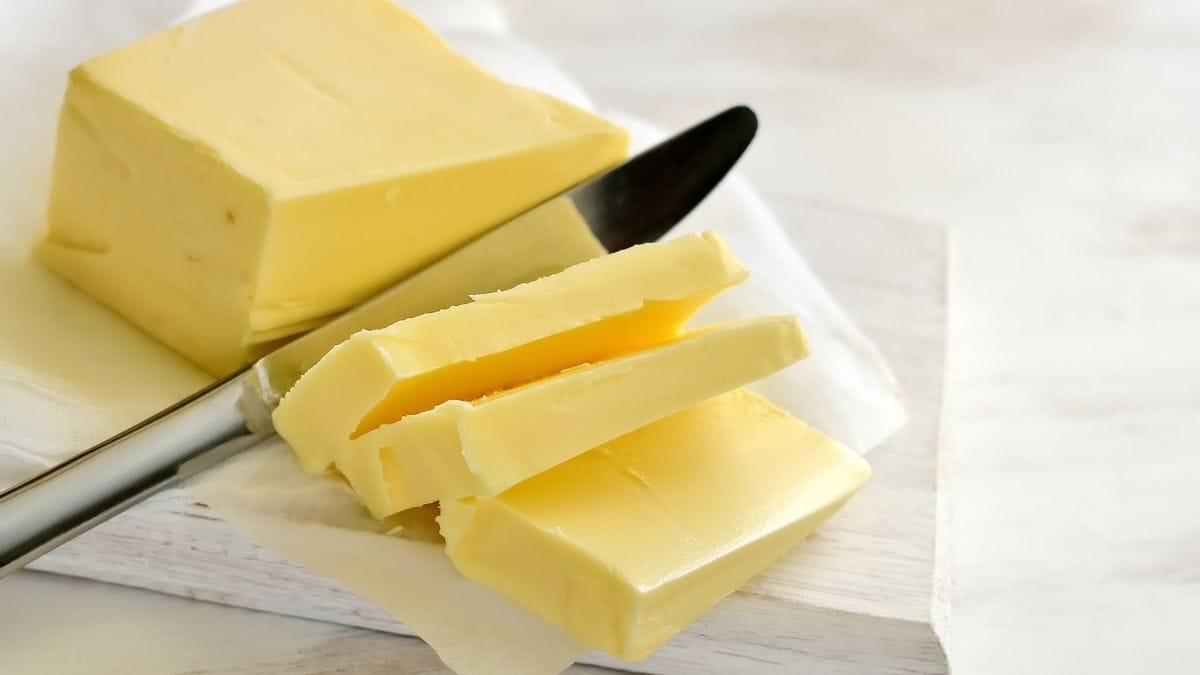
Grass-fed butter has been rebranded as a health food, and while it does contain some beneficial nutrients, it remains a high saturated fat product.
Many people who switched to grass-fed butter years ago assume it is entirely in the clear. That belief, while understandable, does not hold up against the cholesterol data.
Grass-fed butter contains omega-3 fatty acids and vitamin K2, which are genuinely helpful. But it is still around 63% saturated fat. Scientists have found that regular butter consumption raises LDL in most people regardless of the animal’s diet.
A practical swap is using mashed avocado on toast instead of butter, or choosing olive oil-based spreads. Small daily swaps like this compound meaningfully over weeks.
3- Full-Fat Dairy: Cheese Is the Biggest Culprit
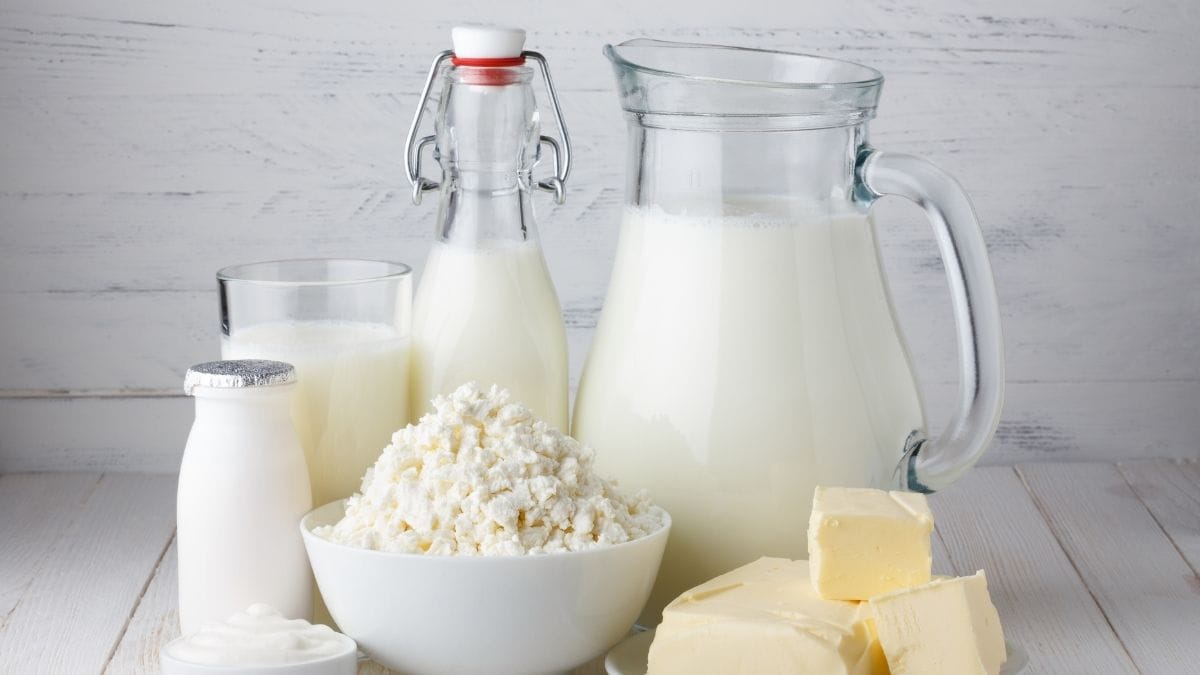
Full-fat dairy is not inherently evil, but the portion sizes most people use — especially with cheese — create a meaningful saturated fat load without anyone realising it.
Think about how easy it is to add two or three generous handfuls of shredded cheese to a meal. That feels like a normal amount. But those portions can deliver more saturated fat than a small burger.
Research shows that regular, generous consumption of full-fat cheese is one of the more consistent dietary predictors of elevated LDL. Hard cheeses in particular are very dense in saturated fat per ounce. Swapping full-fat dairy for reduced-fat versions, or simply reducing portion sizes, produces measurable improvements.
The actionable step: treat cheese as a flavour accent rather than a main ingredient. A smaller amount of a sharper variety gives more taste with less saturated fat.
4- Tropical Oils in Packaged Foods: The Hidden Ingredient
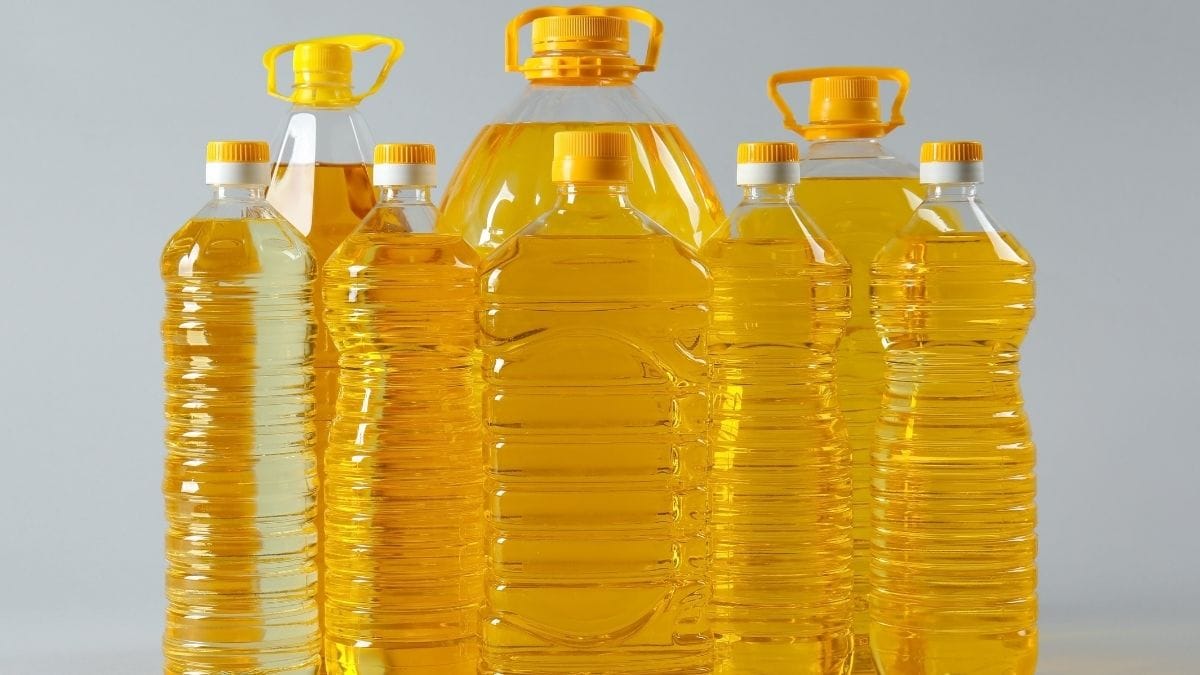
Palm oil and palm kernel oil are cheap, shelf-stable, and extremely common in packaged foods — crackers, cookies, granola bars, non-dairy creamers — often listed under names most shoppers do not recognise.
You might be scanning ingredient labels for trans fats or high-fructose corn syrup while completely overlooking “palm kernel oil” sitting quietly in third place.
These tropical oils are high in saturated fat and research consistently links them to LDL increases. Palm kernel oil is particularly problematic, with a saturated fat content similar to coconut oil. Scientists have found it directly signals the liver to produce more LDL.
The clear action here is to check ingredient labels on packaged snacks and choose products that use sunflower, canola, or olive oil instead.
5- White Bread and Refined Grains: The Carb-Cholesterol Link
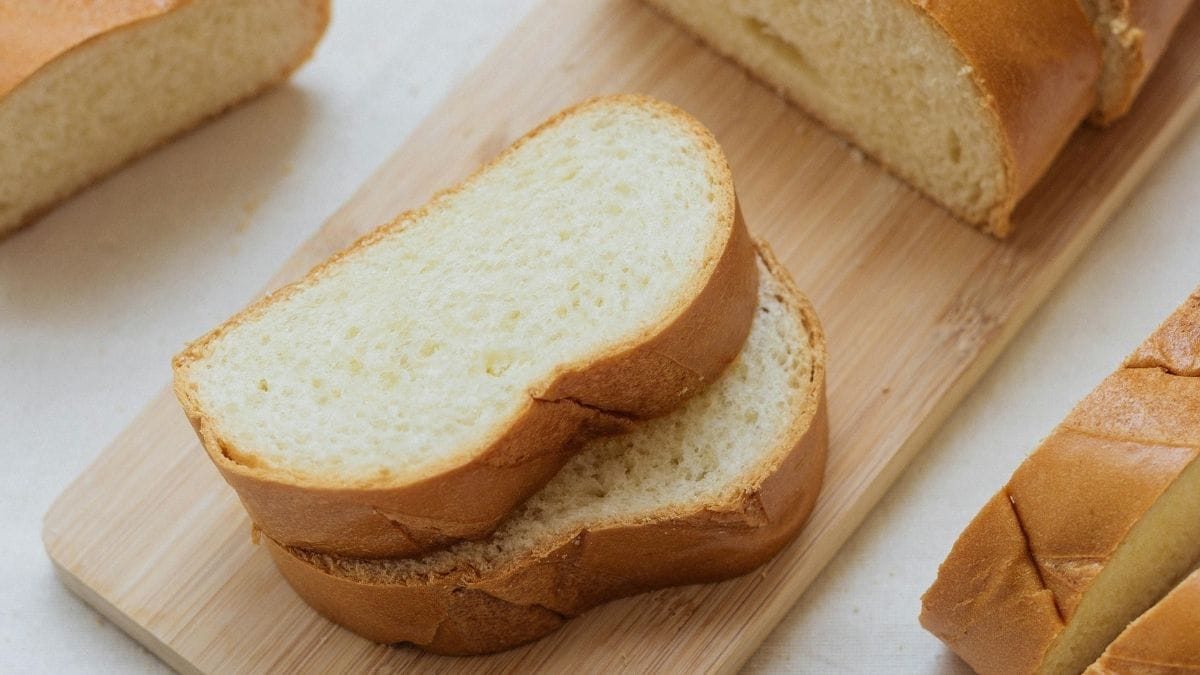
Refined grains raise LDL through a different mechanism than saturated fat. They trigger spikes in blood sugar and insulin, which push the liver to produce more cholesterol.
This surprises a lot of people who think of bread as fat-free and therefore harmless. The issue is not the fat — it is how rapidly refined carbohydrates are processed by the body.
Research shows that diets high in refined grains consistently elevate LDL over time, even in the absence of high fat intake. Scientists have found a direct link between blood sugar volatility and increased liver cholesterol production. White bread, white rice, and most standard pasta fall into this category.
Swapping to whole grain versions of these staples slows digestion, reduces blood sugar spikes, and over time supports lower LDL levels.
6- Processed Meats: A Daily Habit That Adds Up

Bacon, deli slices, sausages, and hot dogs are deeply embedded in everyday eating habits — breakfast, sandwiches, quick snacks. But the combination of saturated fat and sodium in these products puts consistent pressure on LDL.
Most people do not think of a few slices of turkey deli meat as a cholesterol concern. The problem is that processed versions often include added fats and preservatives that the whole food would not.
Research shows that regular processed meat consumption is one of the dietary factors most consistently associated with elevated LDL and cardiovascular risk. The saturated fat content is one driver; the inflammatory compounds that form during processing are another. Scientists have found that even seemingly leaner processed meats still carry this risk.
Replacing deli meats with home-roasted chicken or canned fish several days a week is an easy swap with a real impact.
7- Fast Food and Fried Foods: Oxidised Fats Are the Problem
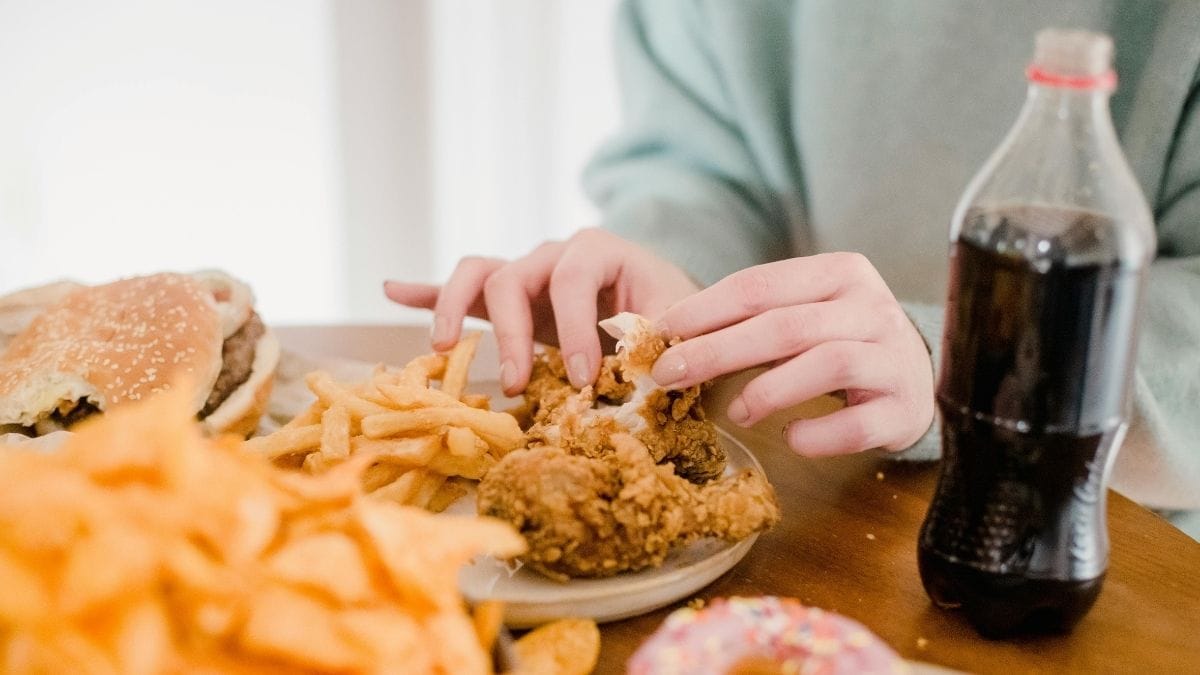
Fried foods raise LDL not just because of their fat content but because of what happens to oil when it is heated to high temperatures repeatedly — it oxidises, creating compounds that are particularly damaging to arteries.
Restaurant fryers often reuse oil many times. Even home frying at high heat degrades oil quality in ways that intensify its effect on cholesterol.
Research shows that oxidised fats found in commercially fried foods promote LDL oxidation in the bloodstream — a process that makes LDL far more likely to stick to artery walls. Scientists have found this effect is separate from and additional to the basic saturated fat impact. Air-frying or oven-roasting at moderate temperatures preserves the food’s flavour without the same oxidative damage.
The clear swap: use an air fryer or roast in the oven instead of deep-frying at home, and limit restaurant fried foods to occasional treats.
8- Egg Yolks in Large Quantities: The Context Matters
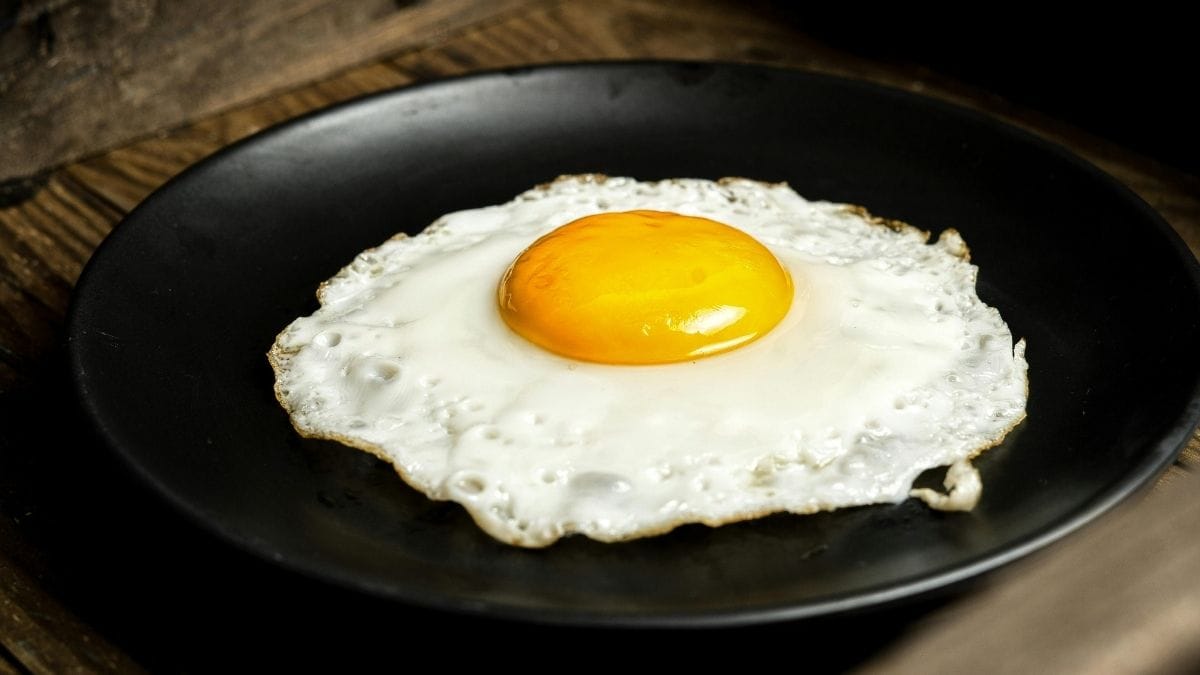
Eggs are a nutritional powerhouse and have been largely rehabilitated in dietary guidelines — but quantity still matters for people who are genetically more responsive to dietary cholesterol.
Most people hear “eggs are fine now” and interpret that as a green light for four-egg omelettes every morning. For many people, that interpretation is probably harmless. For a significant subset, it is not.
Research shows that roughly 25% of people are hyper-responders to dietary cholesterol, meaning their LDL rises more steeply with egg consumption than the average person. Scientists have found this response is largely genetic and not predictable without testing. Two eggs most days is a reasonable ceiling for people with elevated LDL.
If your LDL is already a concern, tracking your egg intake for a few weeks and retesting is a simple and informative experiment.
9- Sugary Beverages and Added Sugars: The Sweetest Surprise

Added sugar raises LDL through its effect on triglycerides — blood fats that the liver converts from excess sugar. When triglycerides go up, a specific, particularly harmful form of LDL also tends to rise.
It seems like a stretch that a sweetened yogurt or a flavoured coffee drink could affect your cholesterol. But the liver does not distinguish between sugar from juice and sugar from a cookie.
Research shows diets high in added sugars consistently elevate LDL, particularly the small, dense LDL particles that cardiologists consider most dangerous.
Scientists have found that reducing added sugar intake produces measurable improvements in LDL particle size and number within weeks. Sports drinks, flavoured milks, and so-called health juices are among the most common hidden sugar sources.
Replacing sweetened beverages with water, sparkling water, or unsweetened teas is one of the highest-impact swaps available.
10- Microwave Popcorn and Certain Snack Foods: The Butter and Palm Oil Trap

Microwave popcorn feels like a light, virtuous snack. Popcorn itself is a whole grain. The problem lives in the flavouring — butter-flavoured coatings that often contain palm oil, hydrogenated fats, or both.
This is the classic health halo problem. The base ingredient is fine; the processing undoes the benefit entirely.
Research shows that many flavoured microwave popcorn varieties and packaged snack foods contain a combination of saturated fats and artificial flavourings that consistently contribute to LDL elevation in regular consumers.
Scientists have found that the serving sizes listed on packages are also far smaller than what most people actually eat, meaning actual intake is often two to three times what the label implies.
Plain air-popped popcorn with olive oil and sea salt is a genuinely healthy swap that keeps all the satisfaction without the LDL impact.
What To Do Starting This Week
- Audit Your Oils First: Check your kitchen for coconut oil and any packaged foods containing palm or palm kernel oil. Replace your primary cooking oil with extra virgin olive oil and spend five minutes reading labels on your three most-used packaged products. This single change addresses two of the most common hidden LDL contributors simultaneously.
- Reduce Added Sugar in Drinks: Swap one sweetened beverage per day for water or an unsweetened alternative. Research shows liquid sugar has an outsized effect on liver cholesterol production because it bypasses some of the satiety signals solid food triggers — removing it from drinks is therefore disproportionately effective.
- Shift Your Protein Sources: Replace processed deli meats and frequent red meat meals with fish, legumes, or roasted chicken two or three times this week. Fatty fish in particular contains omega-3 fatty acids that actively support healthier LDL particle profiles, making this a swap that works in two directions at once.
Your cholesterol numbers are not fixed — they respond to real, specific changes, and the foods on this list are ones you can act on starting today.