
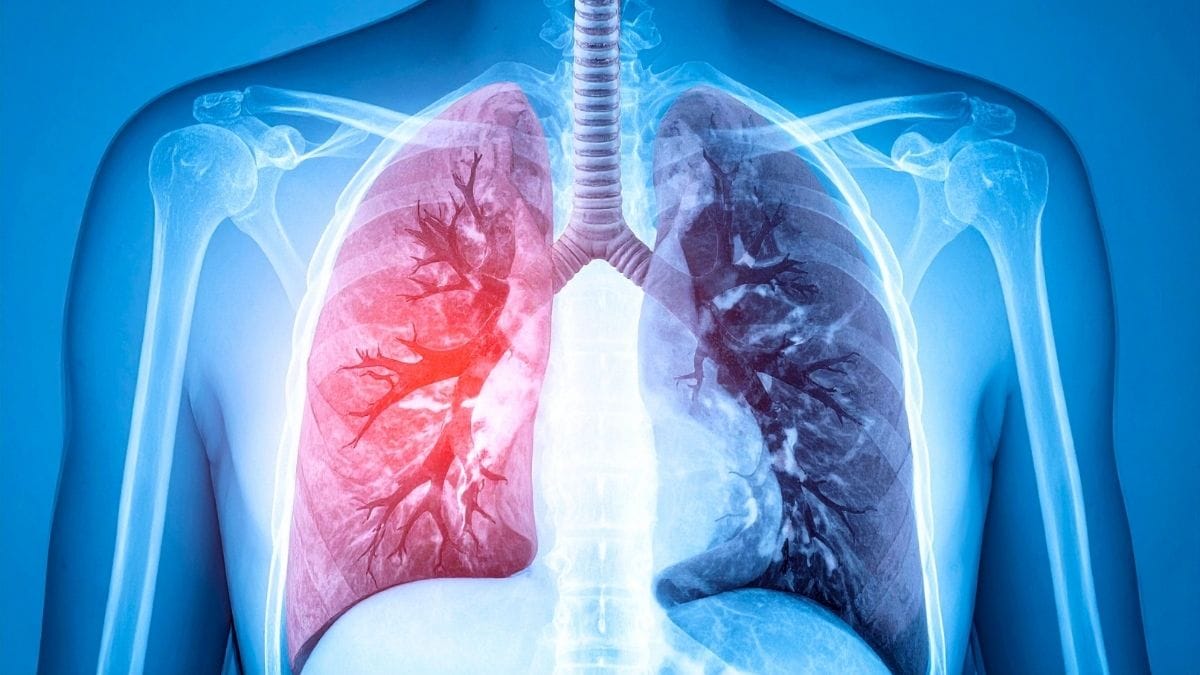
Your lungs start failing quietly. Most people don’t notice until the damage is already done.
Here’s the truth. Your lungs hit their peak at age 27. After that, they slowly decline every single year. By the time you feel it, you’ve already lost a lot of ground.
The problem is that most people blame the wrong thing. You get winded on stairs and think you’re out of shape. You cough every morning and blame allergies. You feel tired all day and think it’s stress.
But these are signs of premature lung aging. And they’re warning you right now.
This article covers 7 real lung aging signs you should not ignore. Each one comes with a simple action step you can take this week.
Let’s start with the sign most people brush off entirely.
What Happens to Your Lungs as You Age
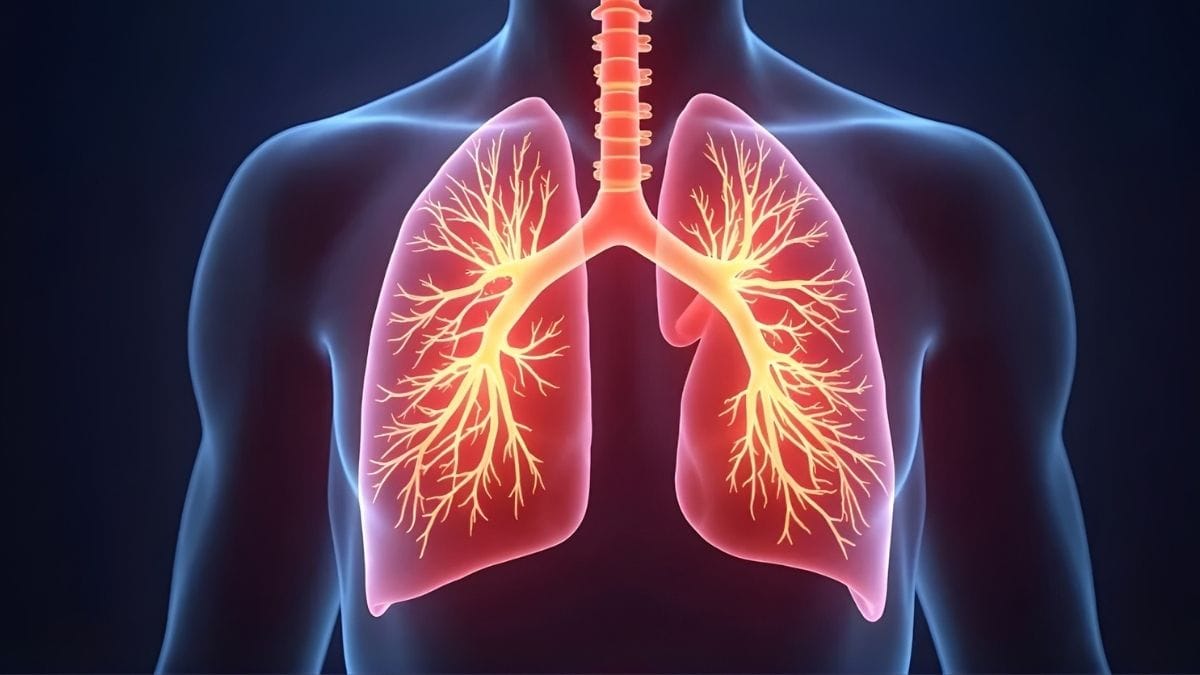
Your lungs are fully grown by age 20 to 25. After that, the decline begins. The American Lung Association confirms that FEV1 — the air you can push out in one second — drops 1 to 2 percent every year after age 25.
That sounds small. But over 20 years, that adds up to serious breathing trouble.
A 2025 study in The Lancet Respiratory Medicine looked at over 30,000 people aged 4 to 82. It found that lung capacity loss starts as early as your early 20s. Not your 40s or 50s like people used to think.
By age 60, your body spends 20% more energy just to breathe than it did at 20. That’s energy you could be using for everything else.
The good news is that the rate of decline is not fixed. Lifestyle, air quality, and habits all change how fast your lungs age.
Now here are the 7 signs your lungs may be aging faster than normal.
Sign 1- You Get Winded Doing Things That Never Bothered You Before

You used to climb stairs without thinking. Now you stop at the top to catch your breath. You tell yourself you’re just out of shape. But that might not be the full story.
Your body is very good at hiding early lung decline. It compensates quietly until the damage reaches a point where it can’t hide anymore. By then, years have passed.
The American Lung Association says persistent shortness of breath during everyday activities is a warning sign of lung disease — not just normal aging.
Here’s the difference that matters. Getting winded on a steep hill after jogging is normal. Getting winded while walking up one flight of stairs, carrying groceries, or having a conversation is not.
A 38-year-old who struggles after one staircase needs attention. That’s not fitness. That’s your lungs sending a message.
Two Action Tips:
- Track when breathlessness happens. Write it down for one week. Patterns matter.
- Ask your doctor for a spirometry test. It measures how much air you can push out and how fast.
Sign 2- A Cough That Just Won’t Quit

A cough that stays for eight weeks or more is called a chronic cough. The American Lung Association says this is one of the most important early warning signs that something is wrong with your respiratory system.
Most people ignore it. They blame post-nasal drip, dry air, or leftover sickness. But a cough that keeps coming back — especially one that brings up mucus — is your lungs asking for help.
If you’re producing mucus most mornings, pay attention. The American Lung Association says mucus production lasting a month or more could point to lung disease.
Research from TouchRespiratory shows that cough with sputum is reported by up to 27% of elderly patients. And it’s linked to higher mortality rates. That’s not a number to ignore.
A morning cough that clears up by noon is one of the most overlooked signs. Many people assume it’s allergies. Sometimes it isn’t.
Two Action Tips:
- Take the free COPD risk quiz at lung.org. It takes two minutes.
- If you cough most days and bring up mucus, tell your doctor both facts together. Don’t minimize it.
Sign 3- You Keep Getting Chest Infections That Won’t Let Go

Everyone gets sick. But if a chest cold knocks you down for three or four weeks, or if every respiratory bug you catch drops straight to your lungs, that is a pattern worth paying attention to.
MedlinePlus explains that as your lungs age, your immune system weakens. Your lungs become less able to fight off infections and recover from them. The nerves in your airways that trigger coughing also become less sensitive. That means germs and particles sit in your lungs longer than they should.
The American Lung Association adds that respiratory infections in early life, when left untreated, can cause long-term lung scarring. Your lung history follows you.
Frequent infections are not bad luck. They can be a sign of declining lung function and reduced airway defense.
Two Action Tips:
- Get your annual vaccines. Flu, RSV, COVID-19, and pneumococcal shots protect your lung tissue from repeated damage.
- If you’re under 60 and getting chest infections often, ask your doctor about your personal vaccine eligibility.
Sign 4- You Wheeze Even When You’re Not Sick
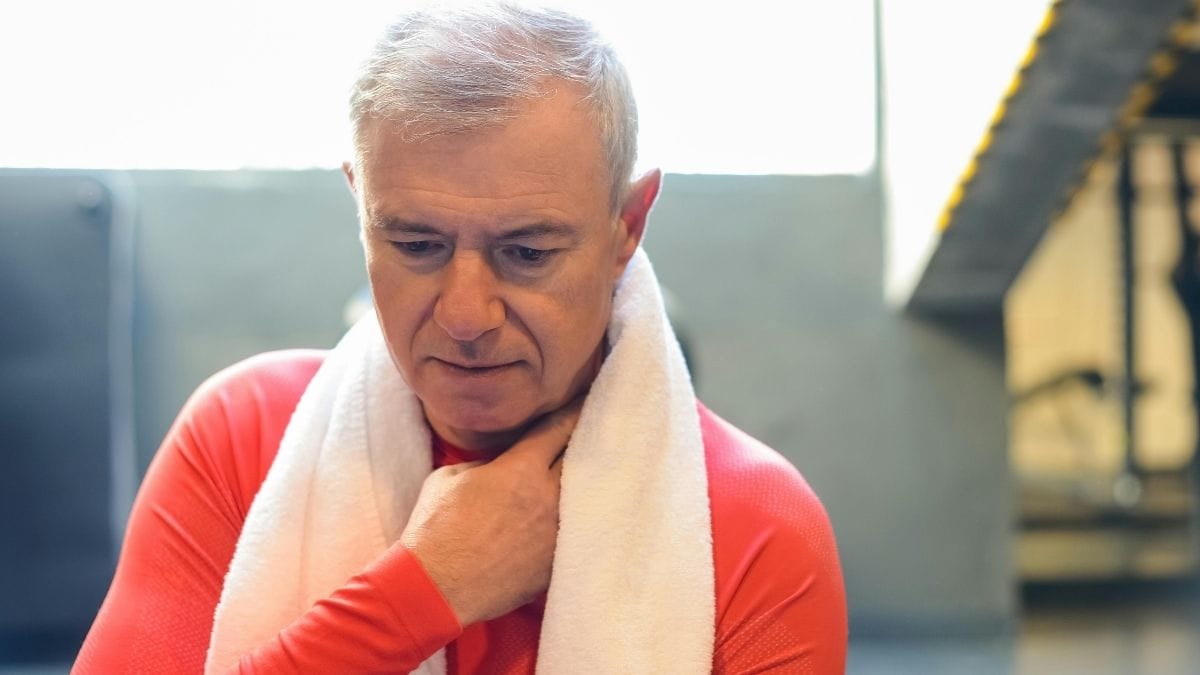
Wheezing during a bad cold is normal. Wheezing after exercise, at night, or when you breathe in cold air is not something to brush off.
The American Lung Association says wheezing is a sign that something is narrowing or blocking your airways. It’s a physical sound that tells you airflow is being restricted.
As lungs age, the tissue that holds small airways open starts to break down. PubMed Central research shows this can lead to premature airway closure during normal breathing — a condition sometimes called “senile emphysema.” Air gets trapped, and breathing becomes harder.
Here’s something most people don’t know. Asthma in older adults is often mistaken for COPD. TouchRespiratory research shows this misdiagnosis happens in up to 20% of older patients. That means the wrong treatment, or no treatment at all.
Two Action Tips:
- Don’t let a doctor dismiss unexplained wheezing. Ask directly: “Has airflow obstruction been ruled out?”
- Request a spirometry test if you’ve been wheezing outside of illness for more than four weeks.
Sign 5- Your Energy Crashes Even After a Full Night of Sleep
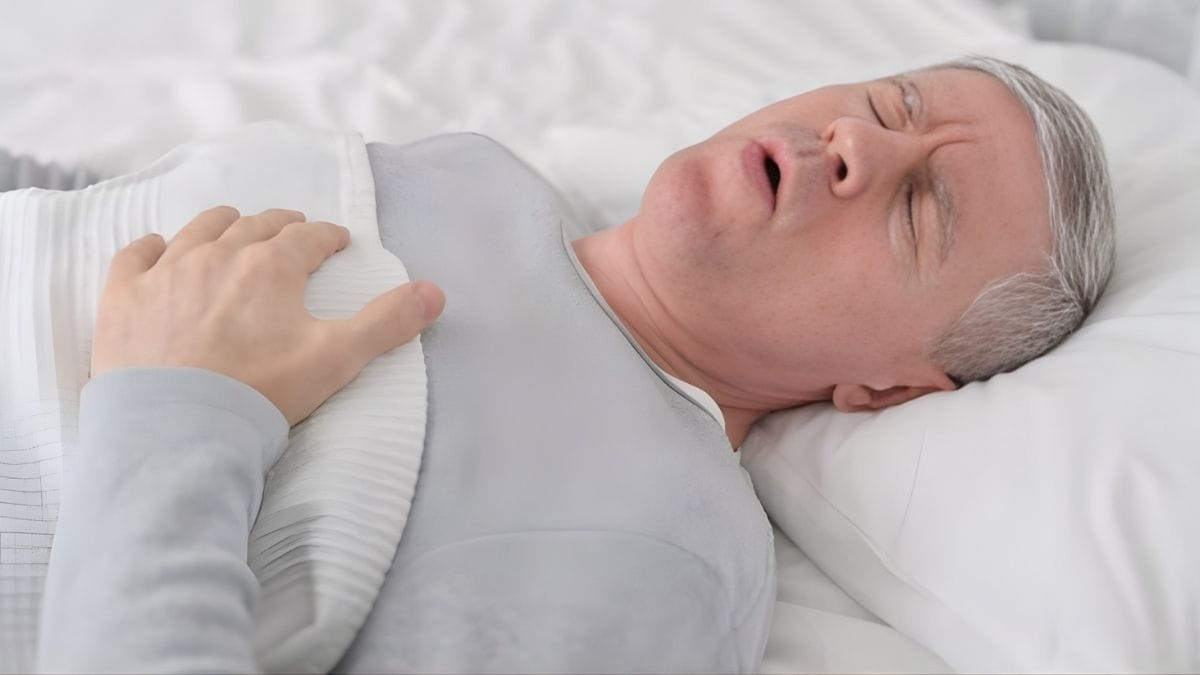
You slept eight hours. But you still feel like you’re running on empty. You assume it’s stress, screens, or just life. But your lungs could be part of the problem.
When your lungs don’t move oxygen efficiently, every cell in your body gets less fuel. Fatigue follows. It’s not imaginary. It’s biological.
Frontiers in Immunology research shows that by age 60, your body spends 20% more energy just on the act of breathing. That energy has to come from somewhere. It comes from you.
Sleep apnea makes this worse. MedlinePlus confirms that abnormal breathing patterns during sleep — including episodes of stopped breathing — are a real change that comes with lung and airway aging. You wake up tired because your lungs couldn’t keep up overnight.
Two Action Tips:
- Ask your doctor for a pulse oximetry check. It’s a simple finger clip test that measures your blood oxygen level.
- If fatigue and breathlessness happen together, ask for a sleep study and spirometry at the same appointment.
Sign 6- You Live or Work in a High-Exposure Environment
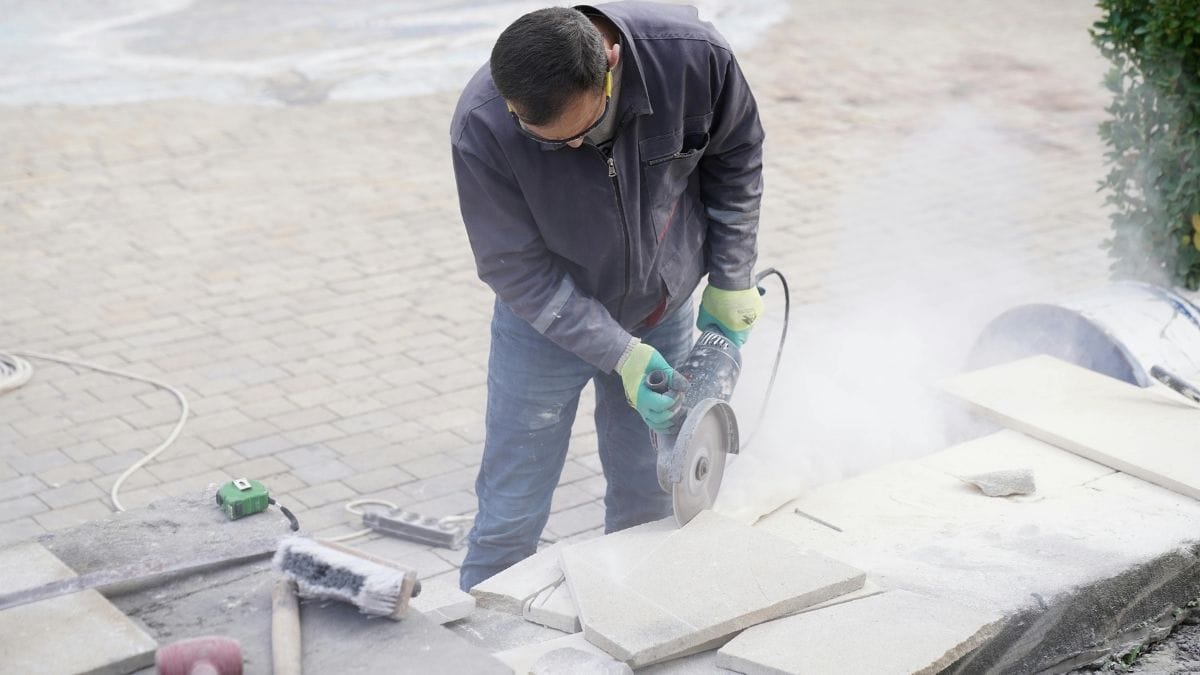
This sign has no symptom yet. That’s what makes it dangerous.
If you work in construction, farming, manufacturing, or any job where you regularly breathe dust, fumes, or chemicals, your lungs are aging faster than average — even if you feel fine right now.
The American Lung Association is clear on this. Workers in these fields often show signs of accelerated lung aging. The damage builds silently.
It’s not only outdoor jobs. Indoor air can be just as harmful. Cooking smoke, cleaning sprays, mold, and synthetic carpet fibers all add to the cumulative burden on your lungs.
Living in a polluted city adds to this too. Research shows long-term air pollution exposure can accelerate lung function decline by the equivalent of 2 to 3 extra years of aging.
Two Action Tips:
- Check your city’s daily Air Quality Index at AirNow.gov before outdoor exercise.
- If your job exposes you to dust or fumes, wear a certified N95 respirator — not a basic cloth mask.
Sign 7- You’re Noticing Small Changes You Keep Explaining Away

This one is about the quiet signs that seem minor on their own. Morning chest tightness that fades by 9am. A slight wheeze when you first wake up. Needing to stop and rest during activities you used to do easily.
Individually, these feel like nothing. Together, they’re a message.
The American Lung Association points out something important. People quietly start changing their habits to avoid breathlessness. They take the elevator instead of stairs. They sit out of activities. They don’t notice they’re doing it. But their body does.
Rolling Out research highlights that sensitivity to smoke, strong smells, or cold air — and morning congestion that clears as the day goes on — are specific early signs of declining lung resilience.
Chest pain that worsens when you breathe in or cough and lasts more than a month also needs medical attention right away.
Two Action Tips:
- Keep a short breathing diary for two weeks. Note chest tightness, morning symptoms, and what triggers them.
- Bring that diary to your next doctor visit. Real patterns get real attention.
How to Slow Lung Aging Down Starting Today
You can’t reverse lung aging. But you can slow it down. And the steps are simpler than most people think.
Stop smoking, or never start. Dr. Francesca Polverino from Baylor College of Medicine shared a real patient story with the American Lung Association. One woman with early COPD quit smoking, started daily walks, and managed her medication properly. Her lung function stabilized for over three years. That’s not small. That’s everything.
Move your body. Even walking helps. MedlinePlus confirms that staying sedentary allows mucus to collect in your lungs, raising infection risk. The American Lung Association adds that inactivity weakens the muscles you need to breathe.
Get a spirometry test. COPD is widely undiagnosed. MDPI research shows many people don’t know they have it until it’s advanced. Spirometry is fast and available at most clinics. It catches problems years earlier than a standard checkup.
Two Action Tips:
- Use a HEPA air purifier at home, especially in your bedroom.
- Get your annual flu, RSV, COVID-19, and pneumococcal vaccines without skipping.
Final Thought;
Your lungs start declining in your 20s. Most warning signs get blamed on age or stress. They’re not always that simple.
If three or more signs from this list apply to you, book a spirometry test this month. It’s fast and painless. Your lungs are worth that much.