

You expect your joints to creak and your eyes to weaken with age. But most people have no idea their bladder is quietly aging too — sometimes decades ahead of the rest of their body.
Maybe you’ve been running to the bathroom more often. Maybe you wake up at night and can’t figure out why. Or you feel sudden urgency that wasn’t there five years ago. You wrote it off as “just getting older.”
Here’s the thing — some of it is normal. But some of it is a warning.
In this article, you’ll learn what normal bladder aging looks like versus accelerated aging. You’ll see 7 real warning signs backed by medical research. And you’ll get simple, actionable steps to slow the process down starting today.
What Actually Happens to Your Bladder as You Age
Think of your bladder like a muscular bag. Just like any other muscle in your body, it responds to age, use, and neglect. Over time, the walls get stiffer. The muscle gets weaker. And the whole system becomes less efficient.
According to MedlinePlus, the bladder wall changes structurally with age. The muscles become less capable of holding urine in — or releasing it fully when you need to go.
Bladder capacity also drops. Pressure builds faster as the bladder fills. This means you feel the urge to go sooner, even when the bladder isn’t full yet.
For most people, bladder health peaks in the 20s and 30s. By the 40s, subtle changes begin. For women entering perimenopause, declining estrogen weakens the bladder and urethra even faster.
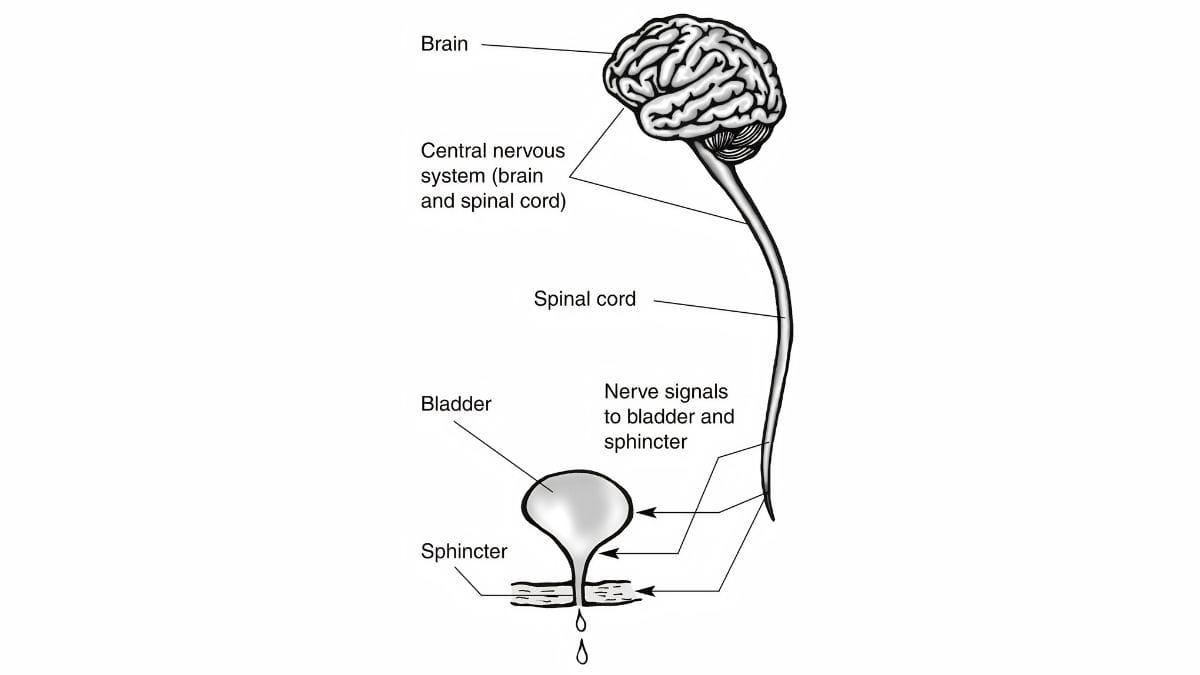
It’s not just muscle. The nervous system also plays a role. Your brain sends signals to your bladder — and those signals get less reliable with age.
Here’s a number worth knowing: lower urinary tract symptoms affect over 60% of adults by age 40. And the global rate of overactive bladder is now 20% — jumping to 28.3% in people over 60.
Normal aging is one thing. But when it happens faster than it should — that’s the problem this article is here to help you spot.
7 Warning Signs Your Bladder Is Aging Faster Than Normal
Not every bathroom trip is a crisis. But some patterns are your bladder sending you an early warning. Here are 7 signs that deserve your attention.
7 Signs Your Bladder is Aging
Waking Up at Night
One trip is normal. Two or more is a signal worth checking! Affects 14-18% of people over 50.
Sudden Urges
Rushing to make it? That’s overactive bladder. It’s a real medical pattern that gets worse without attention.
Stress Leaks
Leaking when you cough, sneeze, or exercise is stress urinary incontinence. Highly treatable!
Never Fully Empty
Still feeling full after going? Your bladder muscle may not be contracting properly, leaving urine behind.
Going >8 Times a Day
Normal is 6-8 times. Anything above that means the bladder is losing capacity or getting irritated.
Recurrent UTIs
Getting a UTI 3+ times a year? The bladder lining may be compromised—an accelerated aging sign.
Blood or Pain
This is never “just aging.” Blood or pain are early warning signs. See a doctor immediately!
In women, urge incontinence rises from 2% at younger ages to 13% after 44. In men, it climbs from 0.3% to 8.9% after age 64. In people over 85, overactive bladder affects up to 55% of women and 50% of men.
If you recognize three or more of these signs, don’t dismiss them. The next section explains what’s making it worse.
Habits That Are Speeding Up Your Bladder’s Aging

Your bladder doesn’t age in a vacuum. Everyday choices — some you may never have connected to bladder health — can speed up the damage by years.
Smoking is one of the worst. It irritates the bladder lining and is one of the most common causes of bladder cancer. It also directly worsens urinary control.
Sitting too much weakens your pelvic floor muscles. Those muscles hold your bladder up. When they weaken, leaks happen more easily.
Caffeine and alcohol are bladder irritants. They increase urgency and frequency. They also dehydrate you, which makes urine more concentrated and harder on the bladder wall.
Obesity puts direct pressure on the bladder. Research confirms higher rates of overactive bladder in people who are overweight.
Unmanaged diabetes is a major driver.

It can cause both overactive bladder and an underactive bladder that doesn’t empty properly.
Dr. Alan Wein of the University of Miami, put it plainly: oxidative stress from tobacco, diabetes, hormonal changes, and aging itself plays a major role in bladder decline.
The good news? Most of these factors are reversible or controllable. Here’s what the research says actually works.
What You Can Do Right Now to Protect Your Bladder
Here is what the research actually supports — not trends, not guesswork. These are steps recommended by urologists and backed by clinical guidelines.
Overactive Bladder Protocol
Pelvic Floor Exercises
Contract muscles as if stopping urine. Hold 3s, Relax 3s. Repeat 8 to 10 times, 3 sets daily.
Bladder Training
Start with a set bathroom schedule and gradually stretch the gaps to increase capacity.
Balance Fluid Intake
Drink 6–8 glasses daily. Stop fluids 2-3 hours before bed to reduce nighttime waking.
Dietary Adjustments
Cut caffeine, alcohol, and acidic foods. Add berries, greens, & probiotics for better health.
Manage Weight
Obesity is a direct risk factor. Even modest weight loss significantly reduces pressure on the bladder.
See a Doctor Early
Early intervention can reverse or alleviate symptoms before permanent deleterious changes occur.
Bladder aging is real. But it’s not entirely out of your hands. Most of these steps cost nothing and can start today.
When It’s Time to See a Doctor
Some signs are not “wait and see” situations. These need a doctor — not next month, but soon.

See a doctor if you notice blood in your urine at any age. See one if UTIs are happening 3 or more times a year. Go if you suddenly lose bladder control without any warning. Go if nocturia is getting worse week by week, not just one bad night.
Straining to urinate or feeling like you can’t fully empty your bladder also warrants a visit.
According to Healthgrades, warning signs that need prompt attention include abdominal pain, difficulty passing urine, bleeding, discharge, fever, chills, and burning during urination.
The right specialist depends on your situation. A urologist handles most bladder issues. A urogynecologist focuses on bladder problems in women. A pelvic floor physical therapist can treat incontinence without medication or surgery.
Most people wait too long. Early diagnosis changes outcomes. Don’t be one of the people who waits until the problem is harder to treat.
Final Thought:
Bladder aging is real. It can happen faster than it should — and most people miss the early signs. Seven warning signs can tell you when something is off. Simple habits can slow the damage down. Most solutions cost nothing.
If you spotted two or more signs in this article, write them down and bring them to your next doctor’s visit. Your bladder started talking. Now it’s time to listen.