
You don’t need a new diet. You need three things you probably already own.
Maybe you just got your cholesterol numbers back. Maybe your doctor mentioned your blood pressure again. And maybe you’ve read ten articles this month about foods that unclog arteries, and none of them agreed with each other.
Here’s the good news. You don’t need fifteen superfoods or a meal plan that takes over your life. Three items sitting in your kitchen right now have real research behind them.
This guide shows you exactly how much to eat, backed by actual studies, so you can start today and unclog arteries naturally.
Garlic slows down artery calcium, here’s the daily amount
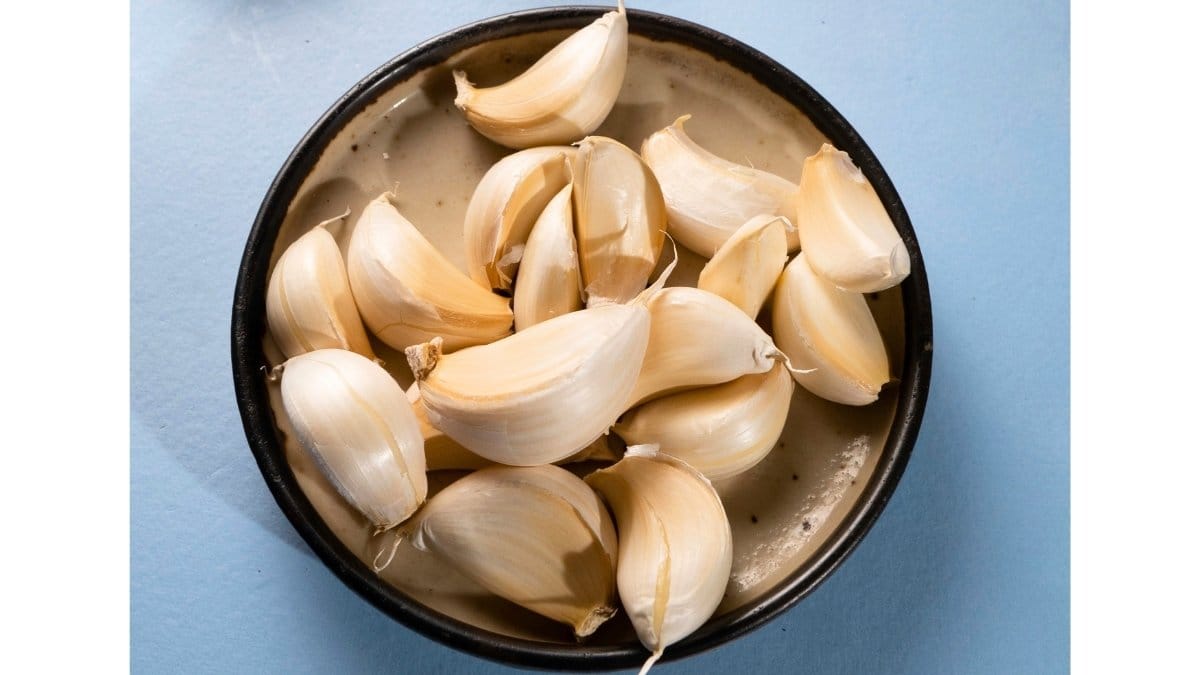
Your arteries can build up coronary artery calcium [hard mineral deposits that stiffen artery walls]. Once this hardens, it makes your arteries less flexible. That’s a problem your doctor watches closely.
A one-year study gave people aged garlic extract every day. The people who took a placebo saw their calcium scores jump by 22%. The group taking garlic extract barely moved. A second study of 104 people at higher heart risk found the same pattern over a full year.
Raw garlic and garlic extract are not the same thing. The studies used 2,400 mg of aged garlic extract daily. Crushing one to two raw cloves into your food each day is a reasonable start.
But if you want the studied dose, talk to your doctor first. This matters if you take blood thinners, since garlic can affect how they work.
Quick tip: start small with garlic
- Crush one clove and let it sit 10 minutes before cooking. This helps release its active compound.
- Add it to sauces, soups, or roasted vegetables so it’s easy to eat daily.
- Ask your doctor before trying garlic supplements, especially if you take blood thinners.
Olive oil’s polyphenols protect artery walls, how much you actually need
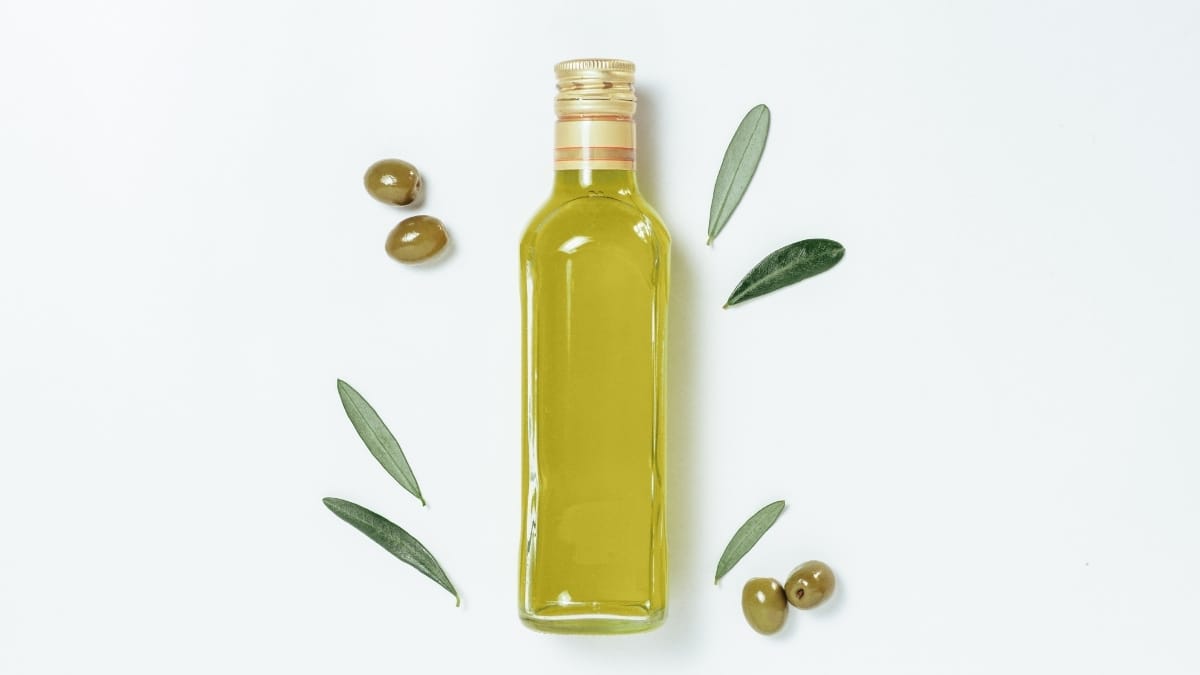
Not all olive oil on the shelf does the same job. The kind that matters is extra-virgin, and it works because of polyphenols [plant compounds that fight cell damage and calm inflammation].
A major trial called CORDIOPREV followed people for seven years. Half ate a Mediterranean diet rich in extra-virgin olive oil. Half ate a low-fat diet. The olive oil group had thinner, healthier artery walls by year five. That improvement held steady at year seven. The low-fat group showed no change at all.
A newer 2025 study found that just 8 to 20 grams of high-phenolic olive oil a day improved cholesterol numbers in people with high cholesterol, in only four weeks.
Here’s the catch. Regular or “light” olive oil is refined and stripped of most polyphenols. You need extra-virgin, and you should use it for dressings or finishing dishes, not deep frying.
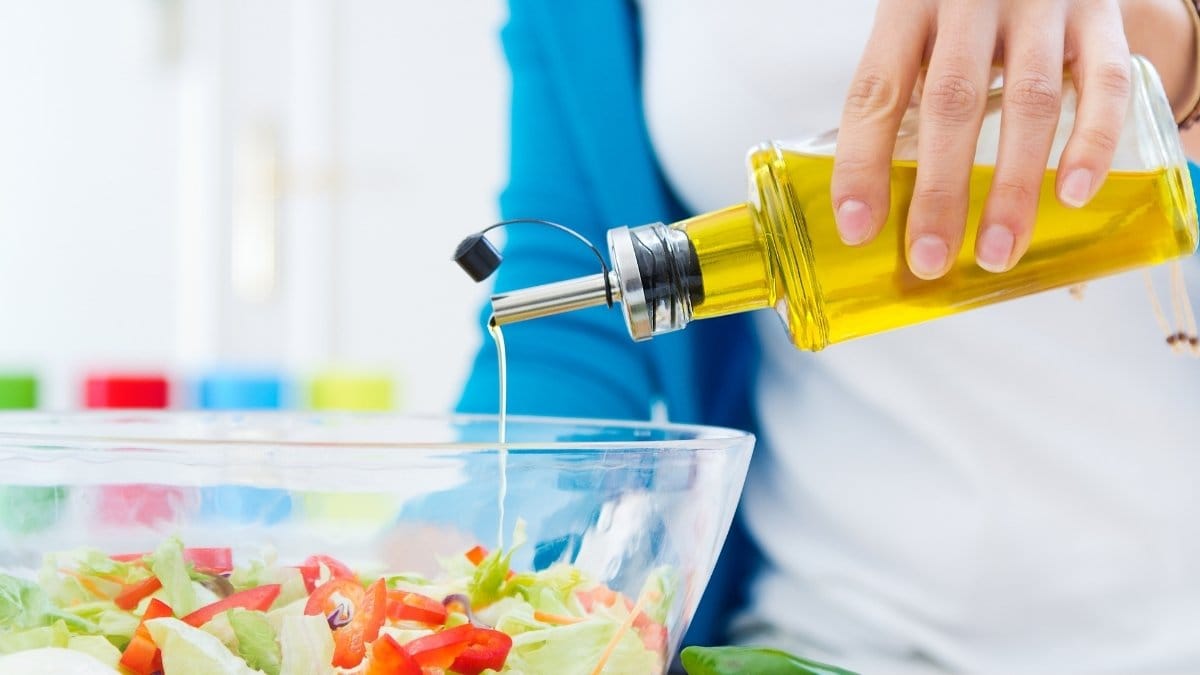
One to two tablespoons a day is the target. A good bottle costs about what you’d spend on one fast-food meal, and it lasts for weeks.
Quick tip: pick the right bottle
- Check the label for “extra-virgin.” Skip anything labeled “light” or “pure.”
- Drizzle it on salads or finished dishes instead of cooking it at high heat.
- Store your bottle away from sunlight and heat to protect the good compounds.
Walnuts cut cardiovascular death risk, the right daily serving
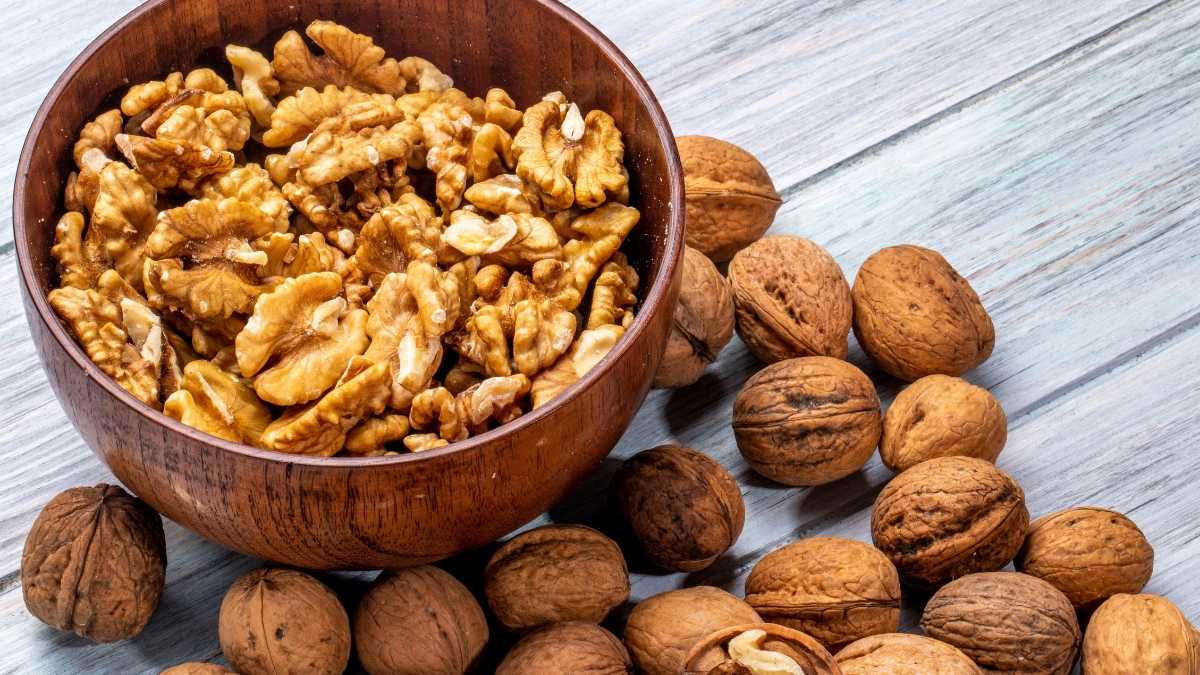
This one has a number worth remembering. A large study called PREDIMED followed over 7,000 people in Spain for about five years. Those who added nuts to a Mediterranean diet cut their risk of heart events by 30%, mostly by lowering stroke risk.
Walnuts specifically stood out. In a closer look at the same study, people who ate walnuts regularly had a 47% lower risk of dying from heart disease compared to those who rarely touched them.
Another study tracked over 210,000 people through the Nurses’ Health Study and Health Professionals’ Follow-up Study. Eating walnuts just once a week was tied to a 19% lower risk of heart disease and a 23% lower risk of coronary heart disease.
Why does this work? Walnuts are rich in a plant-based omega-3 fat called alpha-linolenic acid. It helps improve your cholesterol quality and lowers inflammation. The right amount is about one ounce a day, roughly 14 halves.
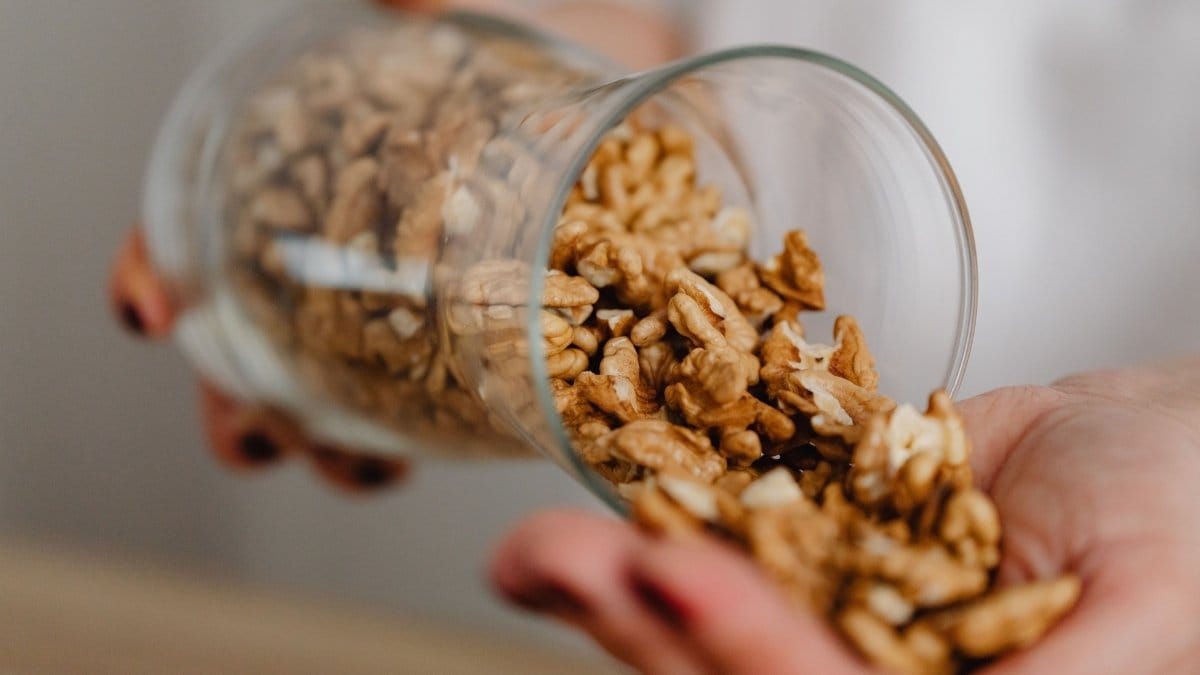
More isn’t better here, since walnuts pack a lot of calories into a small handful.
Quick tip: get your daily handful right
- Stick to about 14 walnut halves a day. That’s one ounce, not a bowlful.
- Add them to oatmeal, salads, or yogurt so they become a daily habit.
- Store walnuts in the fridge. They go rancid faster at room temperature.
How to combine all three (simple daily routine)
You don’t need to eat all three at every meal. That’s not how this works, and it’s not how the studies were designed either.
Here’s a simple version. Add walnuts to your morning oatmeal. Use olive oil as your salad dressing at lunch. Cook dinner with a clove of crushed garlic mixed into your vegetables. That’s it. No special shopping list, no complicated prep.
One honest note. These foods support your heart. They don’t replace medication or your doctor’s monitoring. If you take blood thinners or have a bleeding disorder, check with your doctor before adding garlic supplements specifically.
And set realistic expectations. The studies behind these foods tracked people over months and years, not days. Small, steady choices matter more than doing everything perfectly this week.
Quick tip: build the habit that sticks
- Pick one meal to change first, like adding walnuts to breakfast.
- Keep garlic, olive oil, and walnuts visible on your counter as a daily reminder.
- Give it three months before judging results. That’s how long the research took to show change.
Final Thought:
Garlic, olive oil, and walnuts all have real research behind them for supporting your arteries and lowering heart risk. You don’t need all three today. Pick one, add it this week, and build from there. Small changes, done consistently, are how you unclog arteries naturally over time.