

Your grandparents cooked with butter. They fried eggs in bacon grease. They never read a nutrition label in their life. And yet heart disease wasn’t the crisis it is today.
Somewhere along the way, fat became the enemy. Then it became confusing. First we cut it out completely. Then we brought it back, but only the “right kind.” Now grocery shopping feels like a test you didn’t study for.
This guide clears that up. You’ll learn which fats actually help your brain and body, which ones to limit, and how to spot the difference in ten seconds flat. No fear. No fads. Just food that works.
What Your Grandparents Got Right About Fat
Your grandparents didn’t worry about fat grams. They cooked with butter, lard, and olive oil because that’s what was in the kitchen. Real food. Recognizable ingredients. Nothing came from a lab.
Then the 1980s happened. Fat got blamed for everything. Food companies pulled fat out of products and pushed sugar in instead. “Fat-free” cookies hit shelves. They were packed with sugar and barely any nutrition.
That swap didn’t make people healthier. It just changed the problem. The real issue was never fat itself. It was processed food pretending to be healthy.
The lesson here isn’t to go back to frying everything in lard. It’s simpler than that. Eat fat in its whole, natural form. Butter instead of a tub spread. Olive oil instead of a bottle with ten ingredients you can’t pronounce.
That’s the part worth bringing back.
The Fats That Actually Help Your Brain
Your brain is made mostly of fat. So what you eat directly affects how it works. This isn’t a small detail. It’s the whole point.
Monounsaturated fats are a good place to start. You’ll find them in olive oil, avocados, and most nuts. These fats support healthy blood flow, which your brain depends on every minute of the day.
Omega-3 fats matter too. Fatty fish like salmon and sardines are full of them. So are walnuts, flaxseed, and chia seeds. These fats help brain cells talk to each other.
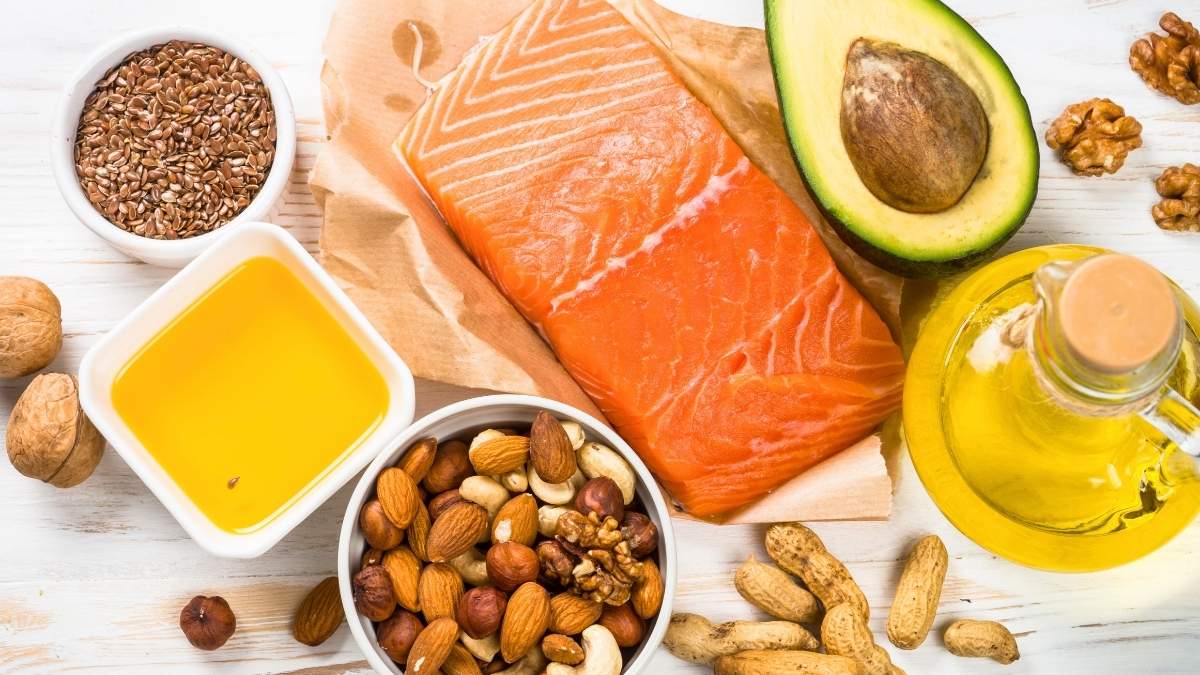
Here’s the simple version. Eat fish twice a week. Add a small handful of nuts daily. Cook with olive oil instead of reaching for whatever’s cheapest. You don’t need a supplement aisle. You need a grocery cart with real food in it.
Small, steady choices beat any single “superfood.” That’s how this actually works.
The Fats Worth Watching, Without the Fear
Not every fat deserves a spot on your plate. But you don’t need to panic about any of them either. Let’s keep this simple and calm.
Trans fats are the clearest one to limit.

These show up as “partially hydrogenated oil” on labels. They’re mostly gone from store shelves now, but small amounts still hide in some baked goods and fried snacks.
Saturated fat is a different story.
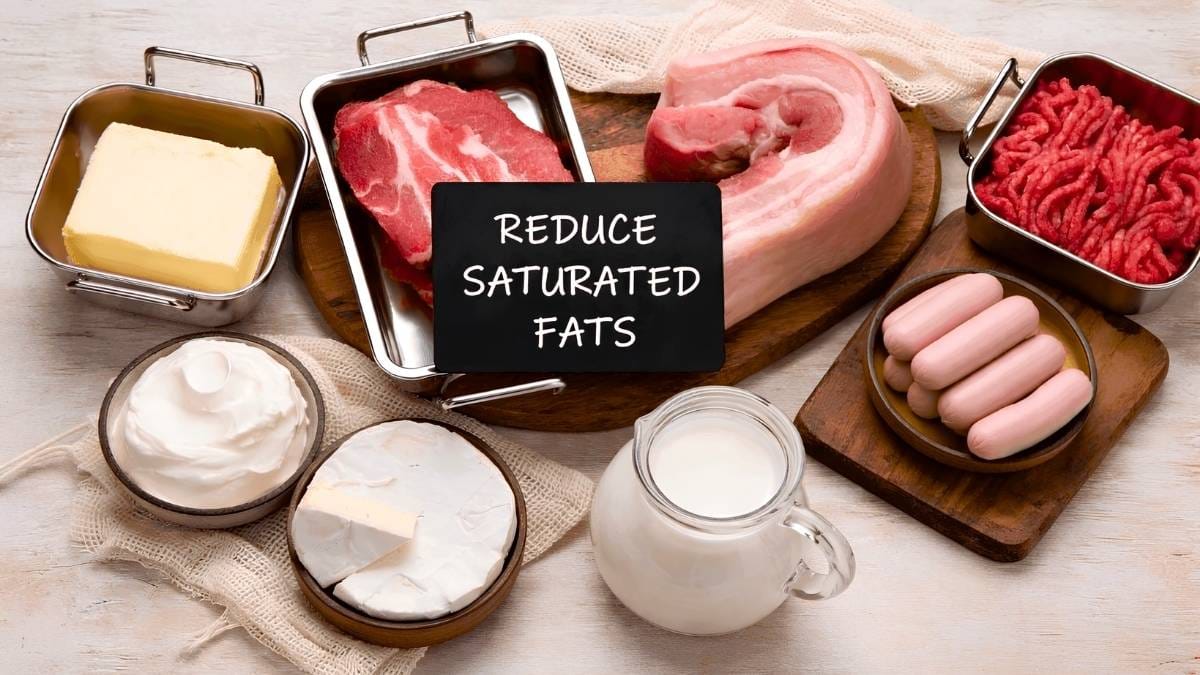
Butter and full-fat dairy aren’t villains. The general guideline is to keep saturated fat under about 20 grams a day if you eat 2,000 calories. That’s not a ban. It’s a ceiling.
The bigger issue is usually how a food is made, not just what type of fat it has. A homemade meal with butter beats a deep-fried snack from a box almost every time. Focus there instead of fearing one ingredient.
How to Read a Label in 10 Seconds
You don’t need a nutrition degree for this. You just need to know where to look and what counts.
Start with the ingredient list, not the nutrition panel. It’s usually printed below or beside the calorie count. Ingredients are listed by amount, biggest first. A short list with foods you recognize is almost always a better sign.
Next, scan for “partially hydrogenated oil.” If you see it, put the item back. That’s trans fat, and it offers nothing your body needs.

Then check the saturated fat percentage on the nutrition panel. Under 5% daily value counts as low. Over 20% counts as high. That single number tells you a lot in just a few seconds.
For oils, keep it simple. Olive oil and avocado oil work for most everyday cooking. Save other oils for occasional high-heat frying, if you fry at all.
Three Easy Swaps to Start This Week
You don’t need to overhaul your kitchen overnight. Small swaps add up fast, and they’re easier to stick with than a total diet change.
First, swap margarine or vegetable spread for real butter or a drizzle of olive oil. Use less if you’re watching calories, but choose the real version.
Second, swap one packaged snack for a small handful of walnuts or almonds. Same hand-to-mouth habit. Better fuel for your brain and body.
Third, swap one fried meal a week for a baked or air-fried version using olive or avocado oil. You’ll barely notice the difference in taste, but your plate will look different.
These aren’t restrictions. Think of them as upgrades to meals you already eat. Pick one. Try it this week. See how it feels before adding the next.
Final Words
Your grandparents didn’t eat perfectly, but they ate real food with real fat in it. That’s the part worth borrowing. Pick one swap from this guide and try it this week. Small changes to your healthy fats for brain health add up faster than you’d think.