

Something feels different, and you can’t quite put your finger on it.
Adults over 60 are missing mental health problems because the warning signs in this age group look like normal aging, not emotional distress. You’re not imagining it, but you may be looking for the wrong signs.
This article is for adults over 60 who feel something is off but cannot quite name it. These five hidden signs your mental health is slipping rarely look like sadness.
They wear disguises. By the end, you’ll know exactly what to look for and what to say at your next doctor’s appointment.
Sign 1- When Your Body Keeps Hurting for No Clear Reason

You’ve seen the doctor twice about the back pain and the stomach trouble, and nothing explains it. That’s one of the five hidden signs your mental health is slipping that most people miss: your body may be carrying what your mind hasn’t named yet.
Pain without a clear cause is a recognized symptom of depression in older adults. The National Institute on Aging lists aches, headaches, cramps, and digestive problems without a clear physical cause as common depression symptoms in people over 60.
The National Institute of Mental Health confirms the same list, noting these physical complaints often don’t respond to standard treatment.
Here’s why this gets missed so easily. When you’re over 60, a new ache rarely raises a mental health flag for you or your doctor. It gets logged as arthritis, aging, or a pulled muscle. The mental health connection gets skipped entirely.
Research backs up how often this happens. In a study of elderly patients referred for medically unexplained symptoms, depressive disorders were present in 56% of cases. More than half.
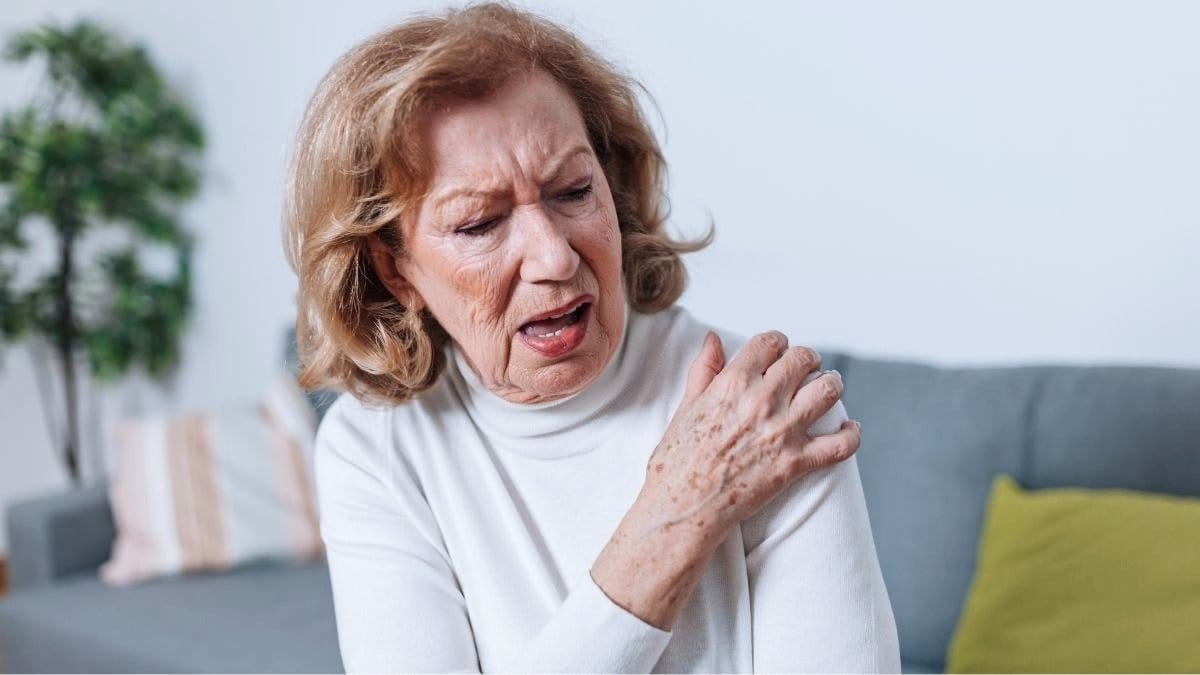
What to watch for: pain, stomach problems, or headaches that keep coming back with no clear physical cause and don’t improve with treatment.
This sign hides in your body. The next one hides in your mood, but not where you’d expect it.
Tips:
- Keep a simple log of recurring physical complaints for two weeks. Note the date, location, and whether stress or low mood came with it. Patterns matter more than single episodes.
- When you see your doctor, use this phrase: “This pain isn’t responding to what we’ve tried. Could there be a mental health connection?” That single question opens a door most visits don’t reach.
Sign 2- When Anger Replaces Sadness
You snap at people you love over small things. You feel tight and irritable for no real reason. That’s not a personality problem; that may be depression showing up in the only way it can.

After 60, depression almost never knocks on your front door wearing a sad face. It sneaks in through the back door wearing your body’s pain, your short fuse, and your exhaustion.
Irritability as a main mood is well-documented in middle-aged adults with depression. The National Institute of Mental Health specifically notes that middle-aged adults may experience irritability and anger rather than visible sadness as a primary change.
This makes it easy for both patients and doctors to miss the real cause.
Research published in PubMed found that approximately one-third of depressed outpatients present with anger attacks [sudden, intense episodes of anger accompanied by physical signs like a pounding heart or sweating], rather than classic low mood. These episodes are often mistaken for stress or relationship conflict.
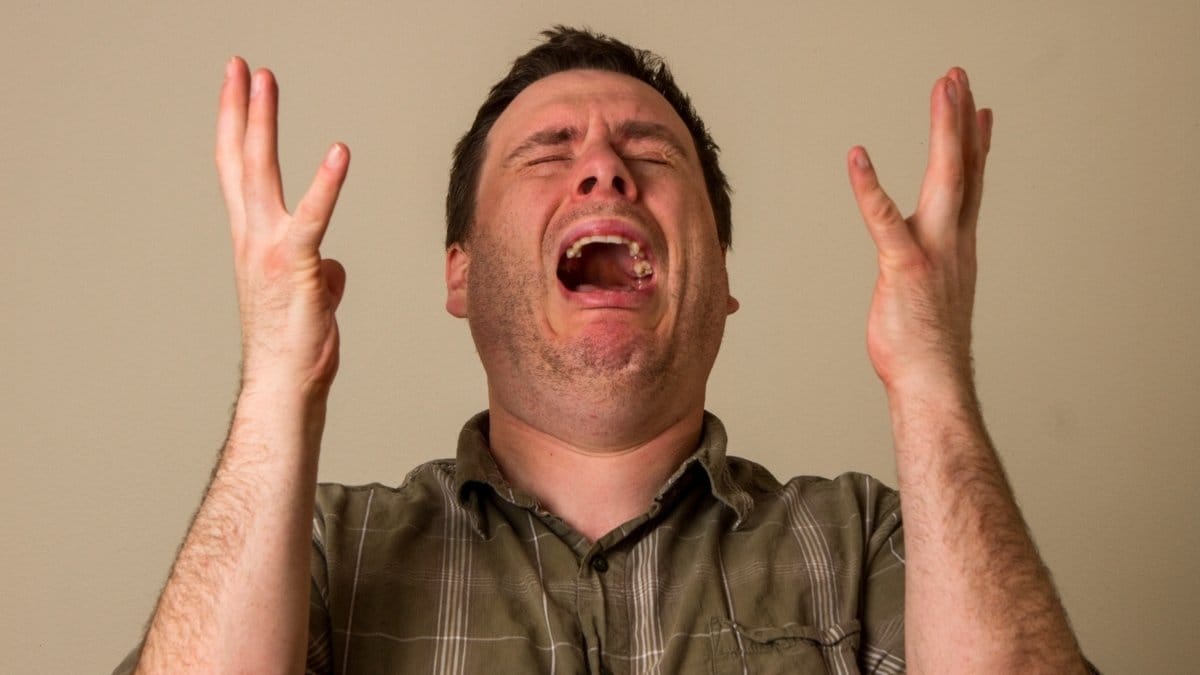
The danger is the delay. Anger feels like a reaction to something outside you. Sadness feels internal. So anger gets explained away as “I’m just stressed” while the underlying problem grows.
The signal to watch: irritability or anger that feels out of proportion to what triggered it, especially when it’s new or has gotten worse over months.
Anger is a loud disguise. The next sign is the quietest one on this list.
Tips:
- After an episode of anger that surprised even you, write down what triggered it and how intense it felt on a scale of one to ten. If the intensity feels out of proportion to the trigger consistently, that pattern is worth noting.
- Tell your doctor: “I’ve been more irritable or short-tempered than usual, and I can’t trace it to a specific cause.” Framing it this way separates a mood change from a reaction to a life event.
Sign 3- When You Stop Caring About the Things You Used to Love
You used to look forward to the garden, the weekend card game, the calls with old friends. Now those things feel like effort, or nothing at all. You tell yourself your interests have changed.
They haven’t. This is one of the most reliable hidden signs of mental health decline after 60.
The National Institute on Aging states that for some older adults, emotional numbness and a lack of interest in activities, not sadness, is the main sign of depression.
This experience has a clinical name: anhedonia [the reduced or lost ability to feel pleasure from things that used to bring it].

Most people talk themselves out of this sign. “I’m just getting older.” “I’m tired.” “I’ve outgrown it.”
But anhedonia is not boredom. It’s a change in how your brain processes reward and motivation. The activity hasn’t changed. Your response to it has.
This is also the sign most likely to go unmentioned at a doctor’s visit. It doesn’t feel like a medical symptom. It feels like a personality shift.
Talk to your doctor before acting on any of these signs if you are on medication for a physical condition or managing a chronic illness, since some of these symptoms can overlap with medication side effects.
QUICK CHECK: Three questions worth honest answers
- Have you stopped doing something you genuinely enjoyed, not because of a physical barrier, but because it stopped feeling worth it?
- Is there something you used to look forward to that you now feel flat about?
- When someone invites you to do something you’d normally enjoy, do you find yourself looking for reasons to say no?
If you answered yes to two or more, this is worth mentioning to a doctor.
This sign goes quiet inside you. The next one shows up as something most people blame on age.
Tips:
- Make a short list of three things you used to enjoy doing regularly. Ask yourself honestly: did you stop because of a physical reason you can name, or because the interest just faded? The answer matters.
- When you talk to a doctor, don’t soften this one. Say: “I’ve lost interest in things I used to enjoy and it’s been going on for more than two weeks.” That specific timeframe triggers clinical attention.
Sign 4- When You Blame Memory Slips on Age
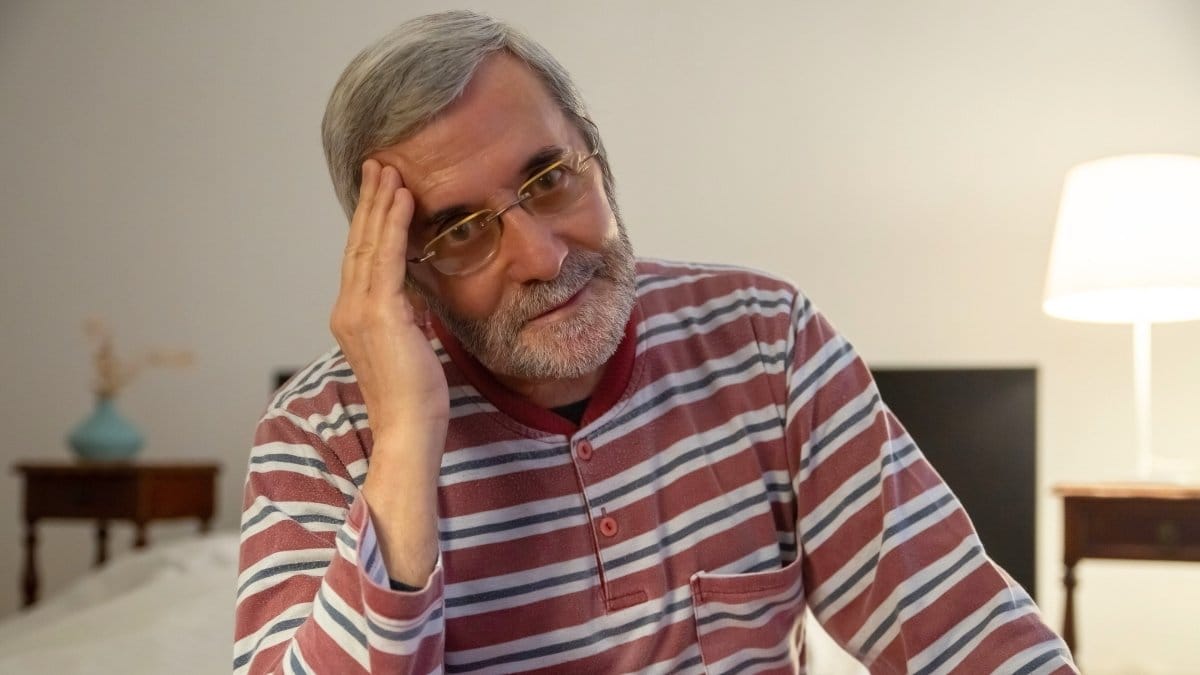
You walk into a room and forget why. You read the same paragraph twice. You call your doctor’s appointment a “brain fog day” and move on. This is the sign that gets dismissed most confidently by you and by your doctor because age is the easiest explanation.
But cognitive symptoms [trouble concentrating, memory complaints, and difficulty processing information] are closely tied to anxiety and depression in adults over 60, not just to aging.
A study of adults aged 60 and older found that higher anxiety was consistently linked to more memory complaints, and this held true even among those with high levels of physical activity.
The memory problem wasn’t from the aging brain. It was from the anxious one.
Harvard Health cites a study of 8,200 adults published in JAMA Network Open in 2024 finding that depressive symptoms can speed up memory decline in older people.
Depression is associated with changes in brain chemicals that support attention and focus, which may make concentration harder even when no structural change is present.
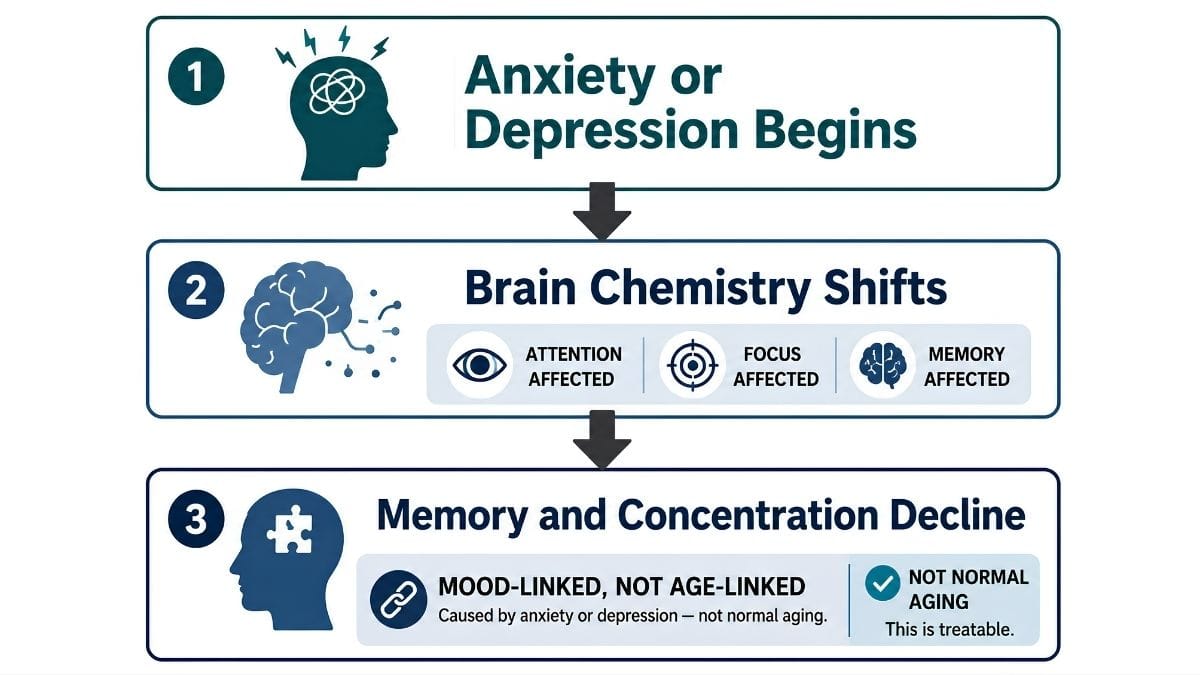
The problem is that “I’m forgetful now that I’m older” is one of the most socially accepted explanations a person over 60 can give. It sounds reasonable. It closes the conversation. And it can delay a correct diagnosis by years.
The signal to watch: concentration problems or memory slips that came on alongside a mood change, a stressful period, or a stretch of poor sleep, not gradually over many years.
Memory slips happen inside your head. The next sign happens in your relationships, and it may be the hardest one to call out.
Tips:
- Notice whether your memory complaints got worse around a specific time: a loss, a life change, a period of high stress. Gradual age-related decline doesn’t usually have a start date. Mood-related cognitive symptoms often do.
- Tell your doctor: “I’ve been having more trouble concentrating and remembering things, and it feels different from normal forgetfulness.” Ask whether mood or anxiety could be a factor. This question often doesn’t get asked.
Sign 5- When You Pull Away from People and Call It Preference
You’ve started saying no more often. You cancel plans and feel relieved, not guilty. You tell people you’re more of a homebody now, or that you’ve just gotten quieter with age. It feels like a personal choice.
It may not be.
Social withdrawal is one of the strongest behavioral signals of mental health decline in older adults, and research shows the relationship runs in both directions.
A longitudinal study of community-residing older Americans aged 57 to 85 found that perceived isolation [the personal sense of not having enough support or connection, even when people are present] is associated with the pathway through which social disconnectedness is linked to anxiety and depression.
Pulling away from people doesn’t just follow mental health decline; it deepens it.

The World Health Organization notes that mental health conditions in older people are often underrecognized and undertreated, and that the stigma surrounding these conditions makes people reluctant to seek help.
Social withdrawal is part of that loop. The more you pull away, the harder it becomes to reach out.
What makes this sign tricky: it feels like a preference shift, not a symptom. You’re not crying. You’re not struggling visibly. You’ve just gotten quieter. That’s why it rarely comes up in a doctor’s visit; it doesn’t feel like something to report.
The signal to watch: a pattern of declining invitations, reducing contact with people you care about, and feeling relieved rather than refreshed by time alone.
Now that you can name all five, here is what to do with them.
Tips:
- Look back over the past three months and count how many social plans you’ve canceled or avoided. One or two means nothing. A consistent pattern of pulling back from people you care about is worth noting.
- If you recognize this sign in yourself, tell your doctor: “I’ve been withdrawing from people more than usual and I’m not sure why.” That framing makes it a symptom, not a personality trait. It changes the conversation.
6- What to Do When You Spot Hidden Signs Your Mental Health Is Slipping
Talk to your doctor this week. Not when you feel worse. Now.
Nearly 15% of adults aged 60 and older have some type of mental health disorder, and two-thirds of them do not receive the treatment they need. The gap between struggling and getting help is rarely about access. It’s about naming the problem in a way that gets taken seriously.

That’s what this article is for. You now have five specific signs to describe: physical pain without a clear cause, unexpected anger, loss of interest in things you loved, memory or concentration changes, and social withdrawal that feels like preference.
Those are not vague complaints. They are clinical observations.
The most important thing you can do today: bring this list to your next appointment and describe what you’ve noticed. Don’t wait for a sad feeling that may never come.
The next time you see your doctor, describe what you have been noticing, not “I haven’t been feeling myself,” but the specific signs from this list. Be precise. Be direct. Effective treatments exist for every condition connected to these signs.
These hidden signs your mental health is slipping are not aging. They are signals. And naming them is only the first step.
Tips (Getting Help):
- Write down one or two specific things from this list that you recognized in yourself before your next appointment. Reading a description of a sign is different from saying out loud to a doctor: “This one applies to me.” That step is the one most people skip.
- If your doctor dismisses your concern quickly, say: “I’ve read that these can be signs of depression or anxiety in adults over 60, and I’d like to rule that out.” Asking for a specific screening is your right, and it’s a question any good doctor will take seriously.
Conclusion
The next time you feel something is off, trust that feeling enough to name it. The next time you see your doctor, bring this list and describe what you have been noticing; do not wait for a sad feeling that may never come. You don’t have to feel sad to need support. You just have to be paying attention, and you already are.