
You used to eat anything without a second thought. Now a simple meal leaves you bloated, heavy, or running to the bathroom.
Digestion quietly changes after 50. Foods that never caused trouble suddenly do. Constipation, heartburn, and bloating become regular visitors. Most people assume there is nothing they can do about it.
There is. This article explains the real reasons your gut slows down with age. And it gives you clear, practical changes you can make starting today. No complicated plans. No expensive products. Just honest answers about what is happening inside your body and how to help it.
Your Gut Is Not Broken, It Has Just Changed
Around 40 percent of older adults deal with at least one age-related digestive symptom every year. So if your stomach feels different than it did ten years ago, you are not alone. This is not about something going wrong. It is about normal biology doing what it does.
Starting around age 50, your body produces fewer digestive enzymes. These enzymes break food down into nutrients your body can actually use. When there are fewer of them, digestion slows and discomfort follows.

The muscles inside your gut also lose some strength over time. Think about how your leg muscles tire faster now than they did in your 30s. The muscles inside your gut age the same way. They push food through more slowly. That leads to bloating, irregular bowel movements, and that heavy feeling after meals.
By age 75, most adults notice clear changes in how their digestion works. But noticing it early gives you time to do something about it. Your gut never stops working for you. It just starts asking for more help.
Your gut muscles weaken with age just like leg muscles do, so slower digestion after 50 is normal biology, not a breakdown.
The Five Real Reasons Your Digestion Has Slowed Down
There are five main reasons your digestion changes after 50. Each one makes sense once you know it.
Why Digestion Slows After 50
Five real reasons digestion changes with age — and why it’s rarely “just getting older.”
Fewer Digestive Enzymes
Your body makes less of the proteins that break food down. Proteins, carbs, and fats aren’t processed as efficiently.
Slower Gut Movement
Digestive muscles lose strength, so food moves through slower — the real reason constipation and bloating rise with age.
Shifting Gut Bacteria
Trillions of bacteria aid digestion and immunity. As helpful strains decrease, food tolerance starts to change.
Lower Stomach Acid
Less acid affects how well the body absorbs vitamin B12 — and how medications work in your system.
Medication Side Effects
Often blamed on “just aging,” but a new prescription can cause constipation — sometimes months later.
Lower stomach acid after 50 can affect how well your body absorbs vitamin B12, so regular checkups help catch deficiencies early.
The Three Most Common Complaints (And Why They Happen)
If you have been dealing with any of these, you are not imagining it.
Constipation is the most common digestive complaint in older adults. About one-third of people over 50 deal with it regularly. When digestion slows down, more water gets absorbed from the food in your gut. The stool becomes harder and more difficult to pass. Not drinking enough water and skipping fiber make this worse.
Bloating and gas catch a lot of people off guard. A slower digestive system means food spends more time in your stomach. That produces more gas. Many people blame a specific food. But the real issue is often the pace of digestion, not the food itself.
Acid reflux, also called GERD [stomach acid rising back into the throat], is the number one upper digestive problem in older adults. What surprises many people is that the symptoms are not always obvious heartburn. Some people feel chest tightness, have trouble swallowing, or feel slightly sick after meals. These can all be signs of acid reflux.

Bloating is often caused by slow digestion, not a specific food, so do not cut meals before checking your eating pace and habits..
How Your Food Choices Either Help or Hurt Your Gut
The most powerful tool for your gut is already in your kitchen.
Start with fiber. Adults over 50 should aim for around 30 grams of fiber each day. Good sources include vegetables, fruit, oats, and legumes. Fiber keeps food moving through your digestive tract and feeds the helpful bacteria in your gut.
Eat a wide variety of plants. Mixing different colored fruits and vegetables throughout the week supports a healthier gut. Different plants feed different bacteria, and variety matters more than any single superfood.

Add natural enzyme-rich fruits. Papaya, kiwi, pears, stewed apples, and ripe bananas are especially helpful for digestion after 50. They provide natural enzymes and fiber that support smoother bowel movements.
Include fermented foods. Yogurt, kefir, and kimchi add helpful bacteria back into your gut. Even small daily portions make a difference over time.
Cut back on ultra-processed foods. Packaged snacks, ready meals, fizzy drinks, and fast food contain preservatives, artificial additives, and added sugars that disturb your gut bacteria when eaten regularly.
If you deal with acid reflux, spicy foods, fried meals, and high-fat items can make symptoms worse. Keep a simple food note for a week to spot your personal triggers.
Aim for 30 grams of fiber daily from vegetables, oats, and fruit. It keeps digestion moving and feeds your beneficial gut bacteria..
Simple Daily Habits That Make a Real Difference
You do not need a complicated plan to feel better. A few consistent habits go a long way.
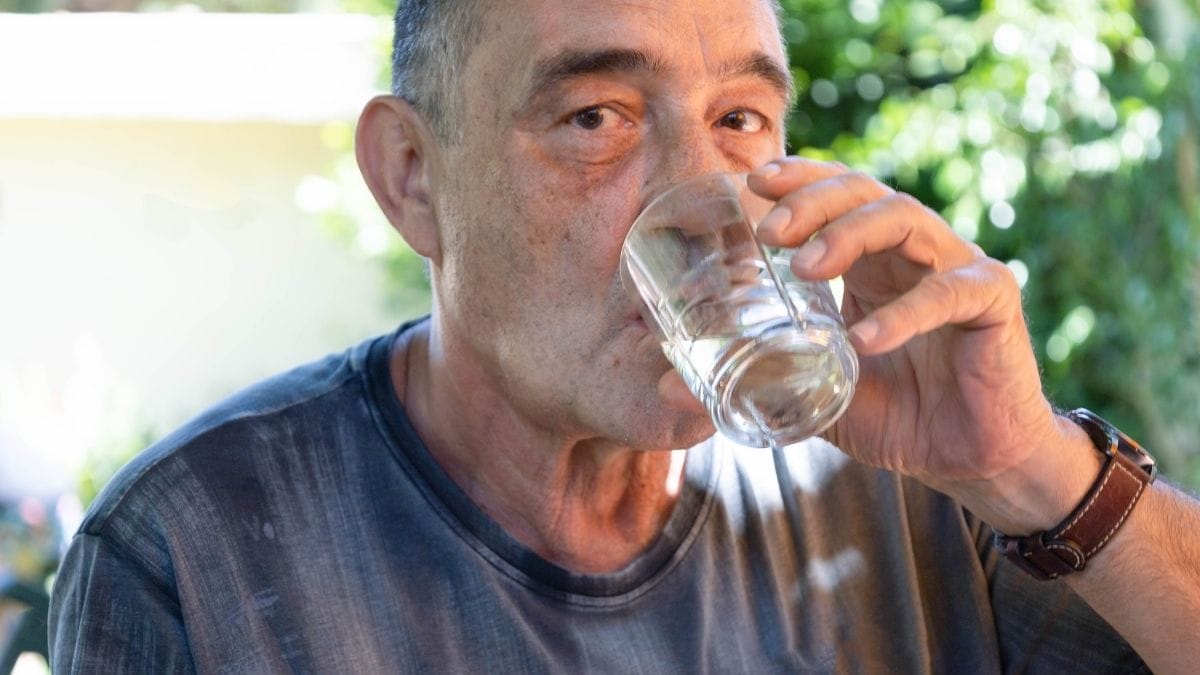
Drink enough water. Six to eight glasses a day keeps stool soft and digestion moving. Most people with constipation are simply not drinking enough.
Walk after meals. A short ten-minute walk after eating helps your gut move food along. You do not need a full workout. Just get up and move.
Manage your stress. Chronic stress raises cortisol levels, which makes your gut lining more permeable and disrupts your bacterial balance. Practices like slow breathing, a short walk outside, or quiet time after dinner can protect your gut.
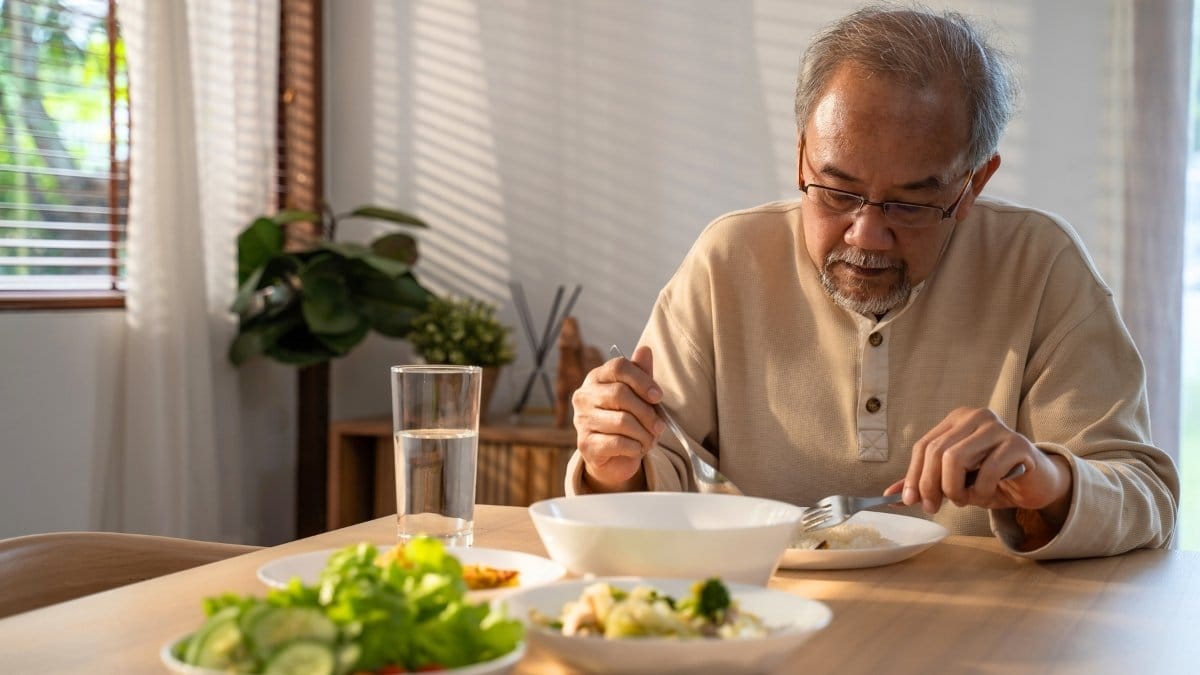
Eat smaller portions. Large meals stretch the stomach wall and push acid upward. Eating smaller amounts more slowly is easier on an aging gut and reduces reflux.
Check your medications. Some blood pressure drugs cause heartburn. Pain relievers like ibuprofen become harder on the stomach as acid production drops with age. Do not change medications on your own. But do bring a list of your current prescriptions to your next doctor visit and ask if any could be affecting your digestion.
Protect your sleep. Poor sleep disrupts the gut-brain connection and makes digestive symptoms worse the next day.
A ten-minute walk after dinner is one of the easiest ways to help your gut move food along and reduce bloating..
When to Stop Guessing and See a Doctor
Most digestive discomfort after 50 improves with lifestyle changes. But some symptoms need a doctor, and knowing the difference matters.
See a doctor if you notice blood in your stool, unexplained weight loss, or persistent pain in your abdomen. Also go if you have had diarrhea or constipation that has lasted for several weeks without a clear reason. And pay attention to any completely new digestive symptoms after age 50. These are worth checking.

One condition worth knowing about is diverticulosis [small pouches that form on the wall of the large intestine]. About 50 percent of adults over 60 have it. Most have no symptoms at all. But for those who do, it can cause bloating, cramping, and changes in bowel habits.
Colonoscopy screening is recommended starting at age 45 to 50. It can catch problems early when they are easiest to treat.
Getting checked is not overreacting. It is taking your gut seriously. A gastroenterologist can find the real cause of your symptoms and give you a clear path forward. Waiting and guessing rarely helps.
Blood in stool, unexplained weight loss, or weeks of constipation are signs to see a doctor, not symptoms to wait out at home.
Blood in stool, unexplained weight loss, or weeks of constipation are signs to see a doctor, not symptoms to wait out at home.
Conclusion
Your digestive system slows down after 50 because of real changes in enzymes, gut muscles, and bacteria. But these changes respond to the right habits. Start with one thing this week. More fiber, a short walk after dinner, or less processed food. Small steps done consistently are what actually fix it.