

You spent $30 on the first bottle. Then $45 on the second. Then $60 on a premium blend that promised results. You took them every morning, waited six weeks each time, and your stomach still felt awful after every meal.
That is a frustrating spot to be. You did what everyone said. You followed the directions. Nothing changed.
Here is what most people miss. The supplement was not always the problem. The foundation was missing. Your gut after 50 needs more than a daily capsule to work properly.
By the end of this article, you will know why probiotic supplements for seniors keep falling short. And you will have simple gut health after 50 changes you can start today. No more guessing.
Why Probiotic Supplements Keep Letting You Down
The number on the bottle sounds impressive. But that CFU count was measured at the time the product was made. By the time you buy it, open it, and swallow a capsule, the count may already be lower than what the label claims.

Then there is stomach acid. A large percentage of basic probiotic bacteria do not survive the trip through your stomach. Unless the capsule has a protective coating, most of what you swallow never reaches your gut.
The strain problem is just as real. A generic “50 billion CFU blend” is not built for your specific issue. One strain that helps with IBS may do nothing for sluggish motility or constipation.
Storage also makes things worse. Heat and moisture kill live bacteria. If the supplement sat in a warm warehouse before reaching the store, the damage was already done before you opened the bottle.
Look for a strain name on the label. A real probiotic lists exact bacteria names, like Lactobacillus rhamnosus GG. A “proprietary blend” with no strain names listed is a red flag.
What Actually Changes In Your Gut After 50
Digestion slows down after 50. Food spends more time moving through your gut, which creates more gas, more fermentation, and more of that uncomfortable bloat after meals. This is a real physical change, not bad luck.

Stomach acid levels also shift with age. That sounds helpful, but it actually changes the whole digestive environment. New bacteria, whether from food or supplements, have a harder time settling in when the gut chemistry is off.
Helpful bacteria like Bifidobacterium naturally decline as you get older. Less helpful bacteria tend to rise in their place. That shift is part of why bloating after 50 becomes more common and harder to fix with a simple pill.
Women face additional changes after menopause. Hormonal shifts make the gut more sensitive and motility slows further. Men over 50 are often on medications like antacids or blood pressure drugs that quietly disrupt gut balance without anyone mentioning it.
Check your medication list. Common drugs like antacids, blood pressure pills, and certain pain relievers can affect gut bacteria. Ask your doctor if digestion changed around the time you started a new prescription.
The Simple Thing That Actually Worked
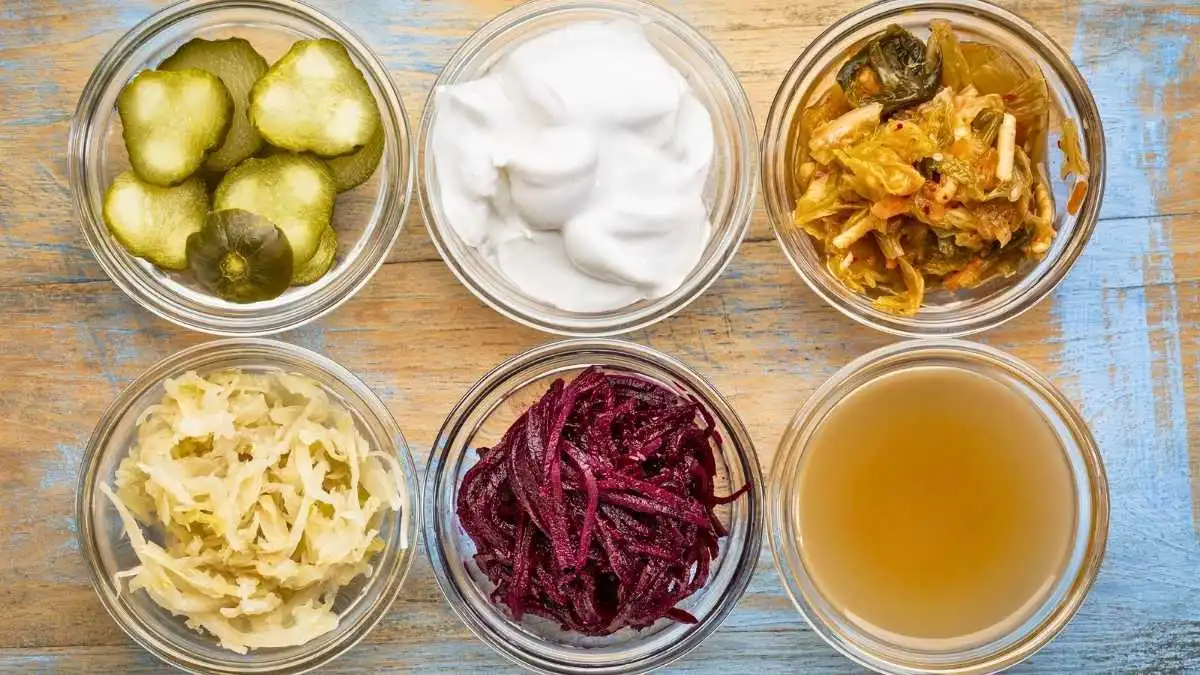
Fermented foods deliver live bacteria differently from a capsule. The bacteria travel inside a protective food matrix that helps them survive your stomach acid and actually reach your gut. That is something a basic probiotic pill rarely achieves.
Plain kefir, raw sauerkraut, kimchi, and plain yogurt with live cultures are the best starting points. They also carry natural enzymes and other compounds that a supplement cannot replicate. The whole food package works together in a way a capsule cannot match.
Not all sauerkraut and kimchi are the same. Jars on the center grocery aisle are usually pasteurized, which kills the live cultures. For real fermented foods for gut health, go to the refrigerated section and look for “live active cultures” on the label.

Start with one tablespoon a day. Too much too fast causes gas as your gut adjusts. Pair it with fiber-rich food at the same meal to make it far more effective than either one alone.
Start with plain kefir if kimchi or sauerkraut feels too strong. One small glass in the morning is enough. Look for brands that say “live active cultures” on the label and keep the bottle in the fridge.
Feed What You Already Have
Prebiotic fiber is food for the good bacteria already living in your gut. Without it, even the best fermented food has nothing to work with. Good bacteria need to eat too, or they simply move on.
Most adults over 50 do not get close to enough fiber. The gap shows up as sluggish digestion, constipation, and uneven bowel habits. A few food changes are enough to shift that without buying another supplement.
Start with garlic, onions, oats, cooked sweet potato, asparagus, leeks, ripe bananas, and chickpeas. These feed gut bacteria directly. Cooked and cooled potatoes or rice also create resistant starch, one of the most powerful prebiotic sources in any kitchen.
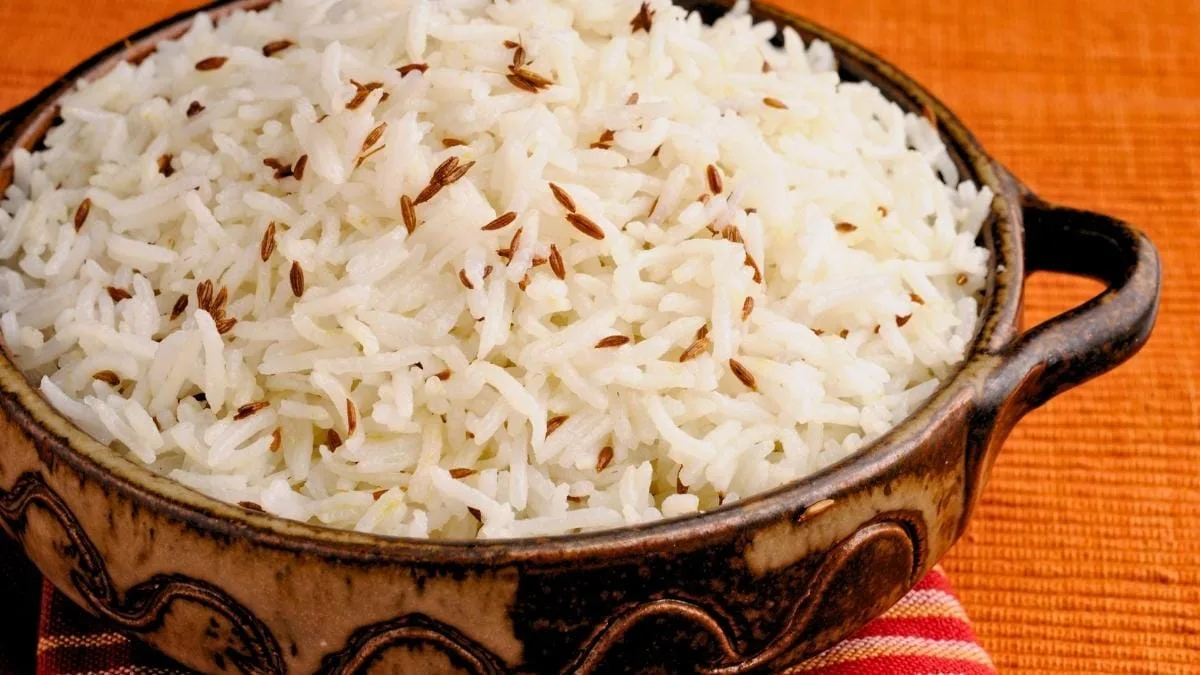
Increase fiber slowly and drink more water alongside it. A sudden jump in fiber without enough water causes bloating, which is the opposite of what you want. Add one new fiber food per day and give your gut two to three weeks to adjust.
Cook potatoes or rice ahead of time and refrigerate them overnight. The cooling process increases resistant starch. Eat them cold or warm them slightly before serving.
Three Daily Habits That Cost Nothing
3 Habits for Easier Digestion
Small changes to how you walk, chew, and drink can make a big difference.
Walk 10 Minutes After Meals
Walking helps your intestines contract and push food along. It cuts gas, reduces bloating after 50, and keeps digestion from stalling.
Chew More, Chew Slower
Digestion starts in your mouth, not your stomach. Large chunks force your gut to work harder — producing more gas.
Drink Water Between Meals
Large amounts of liquid with food can dilute stomach acid and enzymes needed for digestion.
All three habits are free. All three work. Start with whichever feels easiest and build from there.
Try a glass of warm water or warm lemon water 20 minutes before your biggest meal. It gently prepares your digestion before food arrives. Many people notice less bloating and fullness after adding this one small step.
When a Probiotic Supplement Still Makes Sense
This article is not against probiotics. They are not useless. They are just not the right starting point for most people over 50 who have not yet built a food foundation.
If you recently finished a course of antibiotics, a quality probiotic can help restore what was disrupted. Antibiotics wipe out bad bacteria but also take good ones with them. A targeted supplement during that recovery window makes sense.
If you have confirmed IBS or a specific digestive condition, a single-strain probiotic recommended by a doctor may help in ways a general blend would not. The difference between a targeted product and a random shelf pick is significant.
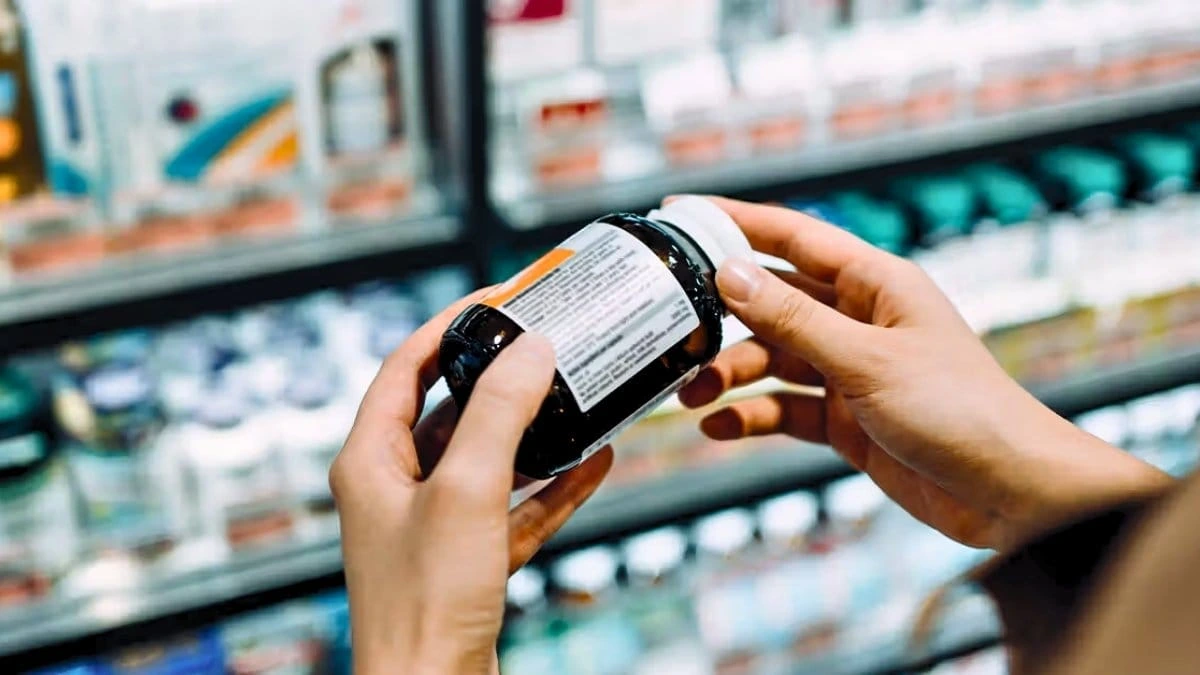
If you do try another supplement, look for two things. First, a specific strain name on the label, not just “blend.” Second, packaging that protects bacteria from heat. Refrigerated options tend to keep live bacteria more stable.
Get the food and habit foundation right first. Sending good bacteria into a gut with no fiber is like planting seeds in dry concrete.
When buying a probiotic again, check how it was stored at the store. A refrigerated probiotic sitting on a warm shelf has likely already lost most of its live bacteria before you even buy it.
The Bottom Line
Three probiotic bottles and nothing to show for it is more common than you think. The supplement was not the problem. The foundation was missing. Add one fermented food, more fiber, a daily walk after meals, and water between meals. Gut health after 50 can change faster than you expect.