
You are not tired because you are getting older. You are tired because no one ever showed you what aging on purpose actually looks like.
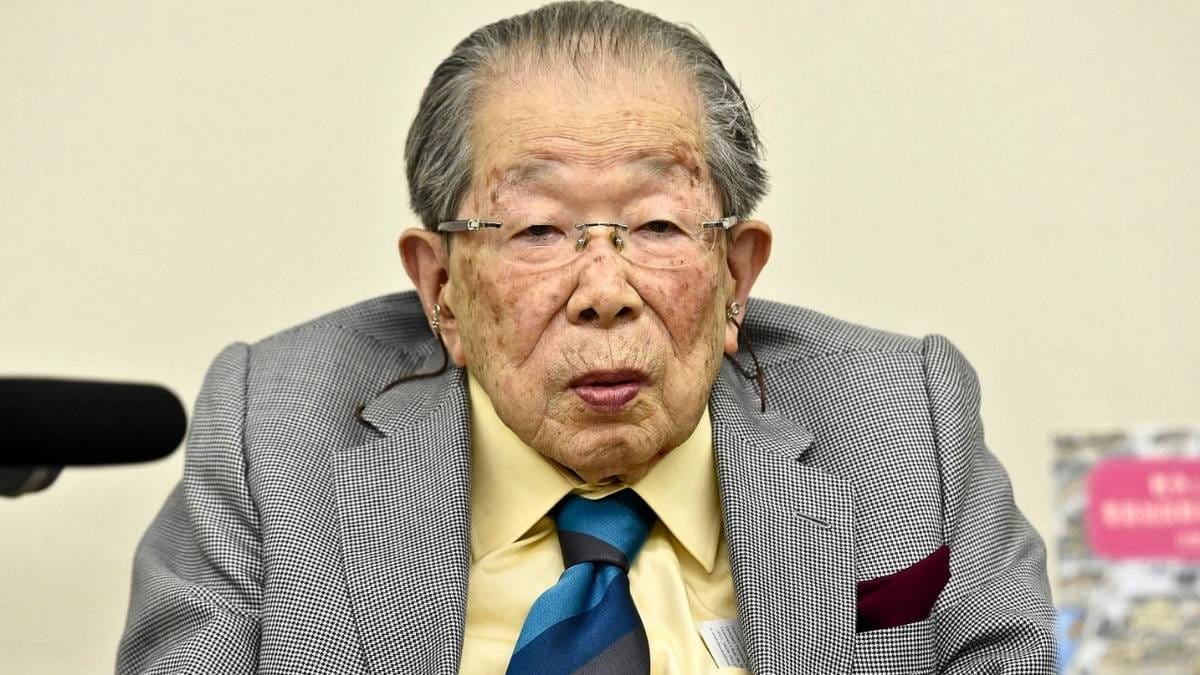
Dr. Shigeaki Hinohara was a practicing physician in Japan who worked 18-hour days past the age of 100, flew to New York at 101 to give a standing lecture, and died at 105 having never once bought an anti-aging supplement.
His habits were free, unglamorous, and almost offensively simple. And that is exactly what makes them worth your full attention.
Who Was Dr. Shigeaki Hinohara, and Why Should You Listen to Him?
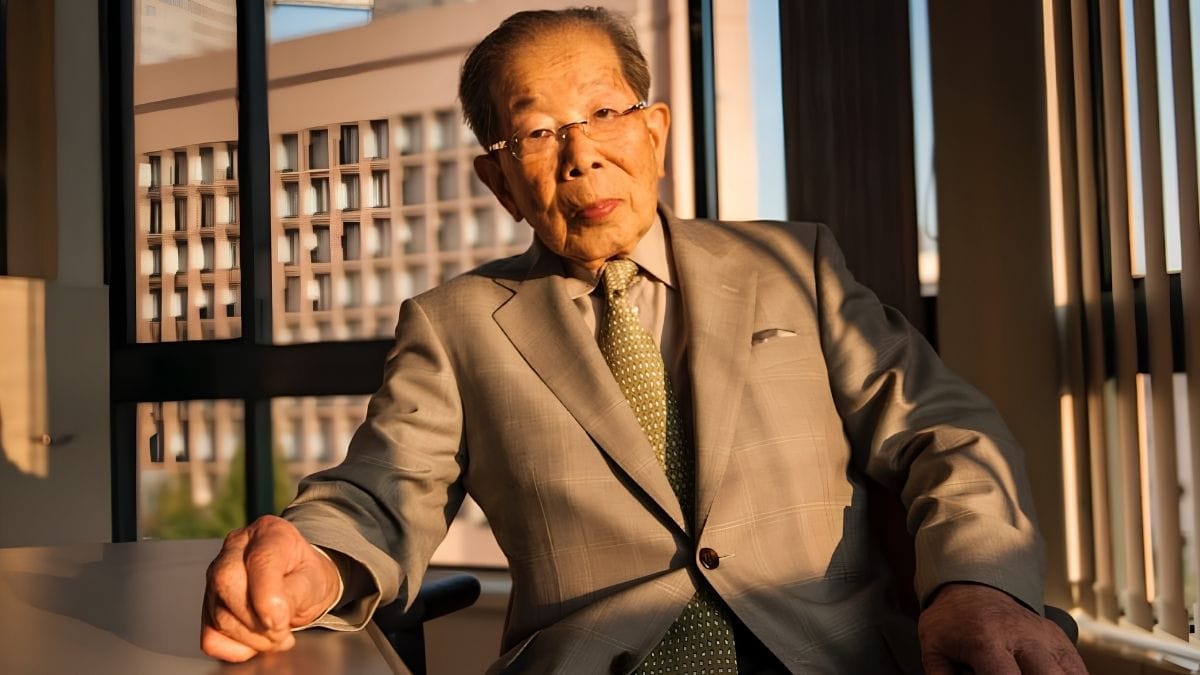
After his 75th birthday, Dr. Hinohara wrote over 150 books. That alone should stop you in your tracks.
He was chairman of St. Luke’s International University and honorary president of St. Luke’s International Hospital in Japan.
He helped build the foundation of modern Japanese medicine. He treated patients, gave lectures, and took new appointments until a few months before his death in 2017.
Japan is already the world’s gold standard for long life. As of 2025, the average Japanese person lives to 85.27 years. Women live to 88.03, second highest on the planet. Nearly 30% of Japan’s population is now 65 or older.
Hinohara was not just a product of that culture. He helped shape it.
His habits were not exotic. None of them required money. Here is what he actually did every day.
The One Daily Practice That Defined His Life: Having a Reason to Wake Up
This is the habit that everything else grew from.
Hinohara never stopped working because he loved what he did. He said this clearly: “When people stop working, they stop stimulating their minds.” He did not retire. He kept contributing to his patients, to his students, and to the public.
He often talked about a Japanese concept called Ikigai. It means “a reason for being.” The word comes from iki (life) and gai (worth). It is simply the answer to: why do I get up in the morning?
A 2021 study published in the journal Geriatrics found that life purpose and Ikigai are strongly linked. People with higher life purpose also reported better quality of life and stronger daily motivation.
You do not need a grand mission. Write one sentence every morning: “Today I exist to ______.” Volunteer. Mentor someone. Finish a project. That is enough.
Never Stop Moving: His Simple Physical Rule
Hinohara did not go to the gym. He did something simpler.
He always took the stairs. Two steps at a time, to keep his muscles working. He carried his own bags. He refused elevators and escalators. He stood for 60 to 90 minutes straight while giving lectures to audiences of thousands.
He gave 150 lectures a year. Some were for elementary school kids. Others were for thousands of business professionals. He stood every time.
The Japanese lifestyle backs this up. Most Japanese people walk daily, do light gardening, and avoid sitting for long stretches. Japan’s obesity rate as of 2025 is just 4.9%. In the UK, it is 28.7%.
Here is what you can do right now. Take the stairs for any floor four and below. Carry your own bags at the grocery store. Stand during phone calls. Walk to any destination within 15 minutes of your home.
Small movement, done every day, adds up faster than you think.
What He Actually Ate Every Day (It Will Surprise You)
Most people expect a longevity doctor to eat something complicated. Hinohara’s diet was almost shockingly simple.
Breakfast was coffee, a glass of milk, and orange juice with a tablespoon of olive oil mixed in.
He said olive oil keeps the arteries clear and the skin healthy. Lunch was milk and a few cookies, or nothing at all when he was busy. Dinner was vegetables, fish, rice, and twice a week, about 100 grams of lean meat.
He followed a practice called Hara Hachi Bu, which means stop eating when you are 80% full. This habit comes from Okinawa, one of the longest-living regions on earth.
Research including the Okinawa Centenarian Study shows that moderate caloric restriction lowers the risk of heart disease, diabetes, and obesity. It also triggers autophagy, the body’s process of cleaning out damaged cells.
His quote on weight: “All people who live long have one thing in common. None are overweight.”
Put your fork down before you feel full. Wait 10 minutes. That is the whole practice.
His Rules on Work, Retirement, and Staying Mentally Alive
What if retiring early is actually bad for your health?
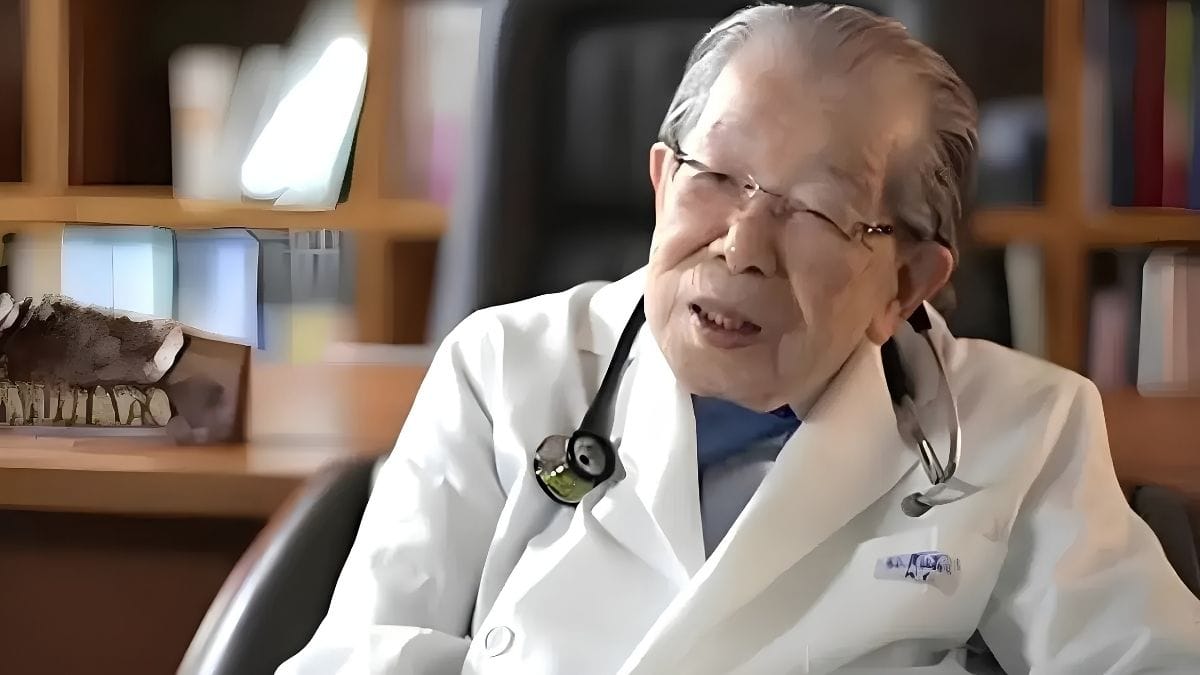
Hinohara believed it was. He worked 18-hour days past the age of 100, not because he had to, but because it kept him sharp.
His calendar was always full. Lectures were booked weeks ahead. He once said the best way to stay strong in old age is to always have something planned.
He also believed in fun as a form of medicine. He said: “We all remember how as children, when we were having fun, we often forgot to eat or sleep. I believe we can keep that attitude as adults too.”
He was not talking about entertainment. He was talking about deep engagement, the kind where you lose track of time.
If you are already retired, replace work with structured contribution. Teach something. Mentor someone younger. Join a community group with a purpose. Keep a calendar with committed activities booked four to six weeks out.
Never stop learning something new. A language. A craft. A skill. Your brain needs it.
Social Connection and Positive Attitude: The Part Most People Skip
Most longevity articles focus on food and exercise. This part gets left out, and it might matter more than both.
Hinohara believed that relationships were essential to long life. He pushed people to spend time with family, keep close friends, and stay involved in their communities. Not just occasionally. Regularly and on purpose.
He also believed deeply in a positive attitude. Laughter, joy, and surrounding yourself with people who lift you up, he saw these as real health tools, not nice extras.
He backed this with research. In 2000, he launched the New Elderly Citizens Association. Over a 5-year study of 407 people above age 70, 70.2% of participants remained completely non-frail. The program focused on physical activity, social contribution, and community engagement together.
The takeaway is simple. Call someone you care about this week. Not a text. A real call or visit. Do it again next week. Make it a habit.
How to Start Today: Your 7-Day Hinohara Practice Plan
You do not need to change everything. You just need to start somewhere.
Here is a simple 7-day plan. One small action per day. All free. All based on what Hinohara actually did.
The 7-Day Ikigai Reset
Daily structural micro-habits designed to align purpose, movement, and awareness
Define Purpose
Commit your foundational intent to writing. Declare your baseline objective: “Today I exist to ______.”
Vertical Movement
Take every single staircase you encounter throughout the entire day. No elevators, no escalators, no exceptions.
Hara Hachi Bu
Eat your dinner dinner and consciously terminate the meal at 80% full. Pause intentionally before evaluating seconds.
True Connection
Call or physically visit one individual you genuinely care about. Bypass text channels completely—use your voice.
Active Transit
Commute by foot. Intentionally walk to a nearby destination where you would typically drive or hail a vehicle.
Anchor the Horizon
Open your calendar and permanently log exactly one meaningful milestone or goal precisely four weeks from today.
Radical Curiosity
Sit in total stillness for five uninterrupted minutes and ask yourself: “What am I still deeply curious about?”
Pick one of these and do it again next week. Then add another.
Lastly;
Dr. Hinohara proved that long, healthy life is not about luck or money.
It is about purpose, light movement, eating less, staying connected, and never stopping.
His habits are free. They are simple. And they worked for 105 years.
Pick one. Start today. Stay consistent.