

You clicked this because something feels off. You’re doing everything right, and yet you still feel on edge, restless, or quietly panicked for no clear reason.
Millions of adults over 50 are being treated for anxiety without anyone checking whether a nutrient deficiency is making it worse. The good news is that nutrient deficiency and anxiety can both be tested with a simple blood panel.
By the end of this article, you’ll know which four nutrients are most likely to be low, what that means for your brain, and what to ask your doctor to check at your next visit.
| # | Section | What you’ll find |
|---|---|---|
| 1 | Why deficiencies get missed | The symptom overlap that fools everyone |
| 2 | Magnesium and your nerves | The most common deficiency you haven’t tested |
| 3 | Vitamin D and B12 | What’s quietly failing your nervous system |
| 4 | Zinc and omega-3s | The inflammation link most people never hear |
| 5 | Your gut’s role | Where 90% of your mood chemical is made |
| 6 | What to do next | The exact tests to ask for by name |
Why Nutrient Deficiency Gets Missed as an Anxiety Trigger in Older Adults
You go to your doctor feeling anxious, and you leave with advice on breathing or a prescription. What rarely happens is a blood test to check whether your body is simply running low on something it needs.
The body’s ability to absorb key nutrients drops after 50. Stomach acid declines, which cuts B12 absorption from food. Skin becomes less efficient at converting sunlight to vitamin D.
Medications common in this age group are associated with lower magnesium and zinc levels. The result is that the average older adult is nutrient-deficient in ways their doctor may never check.
The NIH notes that signs of low magnesium alone include fatigue, personality changes, and muscle weakness, symptoms that closely mirror common anxiety complaints. A deficiency goes undetected, and anxiety treatment addresses the symptom while missing a physical cause.

According to the National Institute of Mental Health, an estimated 19.1% of U.S. adults experienced an anxiety disorder in the past year.
That number tracks with aging-related physiological changes that make deficiencies more likely, yet standard anxiety screenings don’t include routine nutrient panels.
Yet nutrient deficiency and anxiety are connected in ways that a standard screening will miss. Vitamin B12 deficiency alone is estimated to affect 10% to 15% of adults over 60.
If you’re in that group, fixing a deficiency won’t cure every anxious feeling. But it may remove a significant physical driver that has been quietly running in the background.
- Ask your doctor to specify if your last physical included nutrient testing. Most standard panels do not cover magnesium, B12, vitamin D, and zinc together.
- Be specific when describing symptoms. “Anxious, irritable, and not sleeping well” should trigger a nutrient discussion, not just a mental health referral.
The next section covers the deficiency most likely to be responsible, and the one most adults have never been tested for.
Magnesium: The Deficiency Most Likely to Make You Feel On Edge
Your anxiety may not be a sign that something is wrong with your mind. It may be a sign that your body is running low on the raw materials it needs to stay calm.
Magnesium is the mineral most directly involved in keeping your nervous system from staying in a revved-up state. It does this by supporting GABA [gamma-aminobutyric acid, the brain’s primary calming chemical] activity.
When magnesium is low, GABA function may weaken, and research suggests the brain has a harder time putting the brakes on stress signals.

A NHANES analysis of 5,682 U.S. adults aged 65 and older found that 83.3% were not meeting the recommended dietary intake of magnesium.
That is the vast majority of older adults running a chronic shortfall in the mineral most responsible for keeping them calm.
A randomized trial of 126 adults with an average age of 52 found that six weeks of magnesium supplementation produced a clinically significant improvement in anxiety scores of 4.5 points on the GAD-7 scale, a validated anxiety measure. The effect appeared within two weeks.
Common signs of low magnesium:
- Muscle cramps or twitches that appear without exercise
- Trouble falling or staying asleep
- Irritability and a low threshold for stress
- Heart palpitations or a racing feeling in the chest
Good food sources of magnesium include pumpkin seeds, dark leafy greens, almonds, and black beans. These don’t require any supplements to start, and if your levels are truly low, food alone may not be enough.

Talk to your doctor before changing your supplement routine, especially if you’re on medication, managing a chronic condition, or dealing with kidney issues.
Magnesium is the most common deficiency, but two other nutrients shape the actual wiring of your nervous system in ways magnesium can’t cover alone.
Vitamin D and B12: The Pair That Regulates Your Nervous System
You feel mentally foggy, emotionally flat, or easily startled, and you assume it’s just stress. What you may not know is that two of the most common deficiencies in older adults act directly on the brain’s structure and signaling.
Vitamin D receptors [proteins in brain cells that receive and respond to vitamin D] are found in areas of the brain that regulate fear and emotional response, including the prefrontal cortex.
When vitamin D is low, those areas may not function as well. A NHANES study of 11,119 U.S. adults aged 50 to 79 found that 53.4% had insufficient or deficient vitamin D levels.
Research suggests that low vitamin D is associated with higher rates of depression and anxiety, and that supplementation may improve anxiety symptoms in people who are deficient.

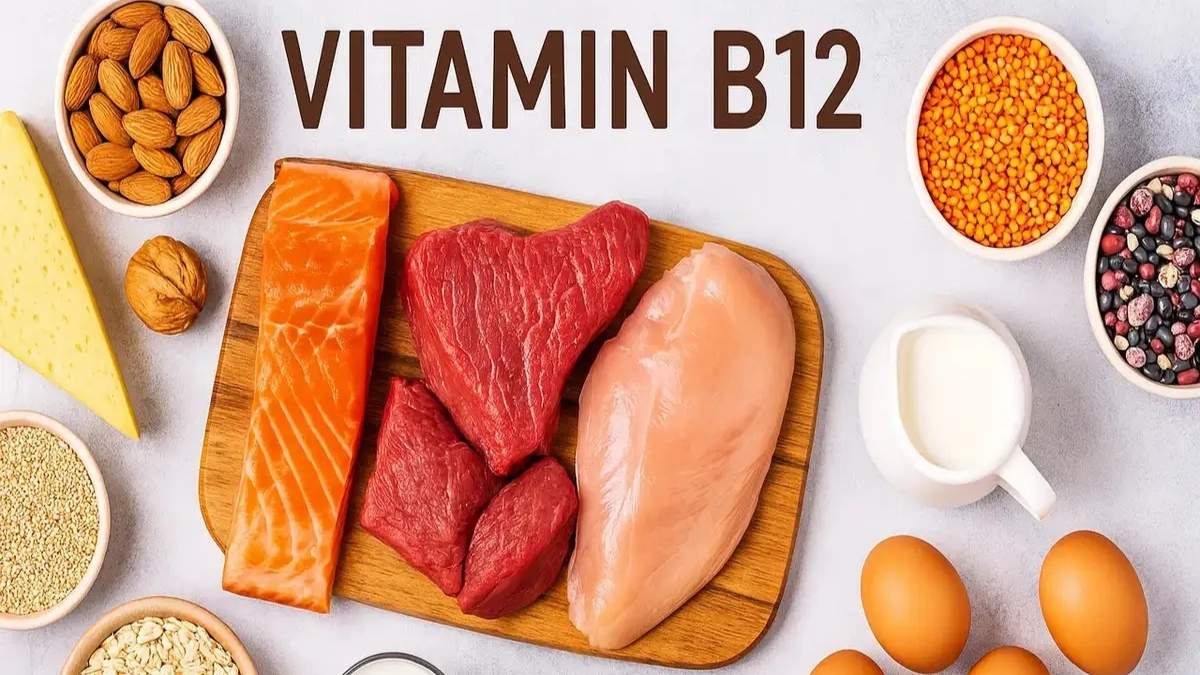
Vitamin B12 works differently. It’s required to maintain myelin [the protective coating around nerve fibers that allows electrical signals to travel properly].
When B12 is low, nerve signaling can become less reliable. Anxiety, brain fog, and mood instability can follow.
The issue with B12 after 50 is absorption, not always diet. As you age, the stomach produces less acid, and B12 from food requires stomach acid to be released and absorbed.
This age-related change is why B12 deficiency affects an estimated 10% to 15% of adults over 60, regardless of whether they eat meat.
A longitudinal study found that older adults with low B12 levels had a 51% higher likelihood of developing depressive symptoms over four years.
- Foods rich in vitamin D: fatty fish, egg yolks, fortified dairy
- Foods rich in B12: beef, salmon, eggs, fortified cereals
These two nutrients affect your nervous system at the structure level. The next section covers nutrients that quiet the inflammation that drives anxiety from a different angle.
Zinc and Omega-3s: The Nutrients That Calm Brain Inflammation
You eat reasonably well and still feel anxious. What you may not know is that your brain also needs certain nutrients to keep its own inflammation in check.
Zinc plays a key role in balancing glutamate [a brain chemical that excites nerve cells] and GABA.
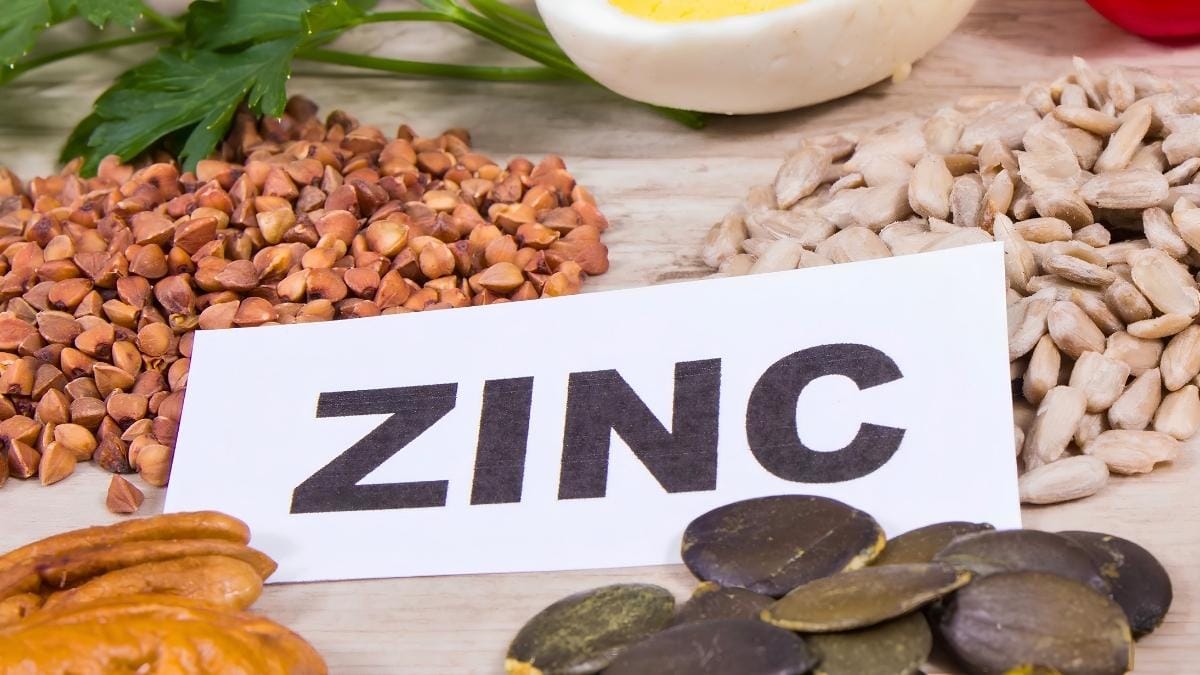
When zinc is low, research suggests the excitatory side may dominate, keeping the nervous system on alert.
A cross-sectional study of 297 adults aged 60 and older found that 23.2% had zinc deficiency, and researchers found a significant association between lower serum zinc levels and higher anxiety scores.
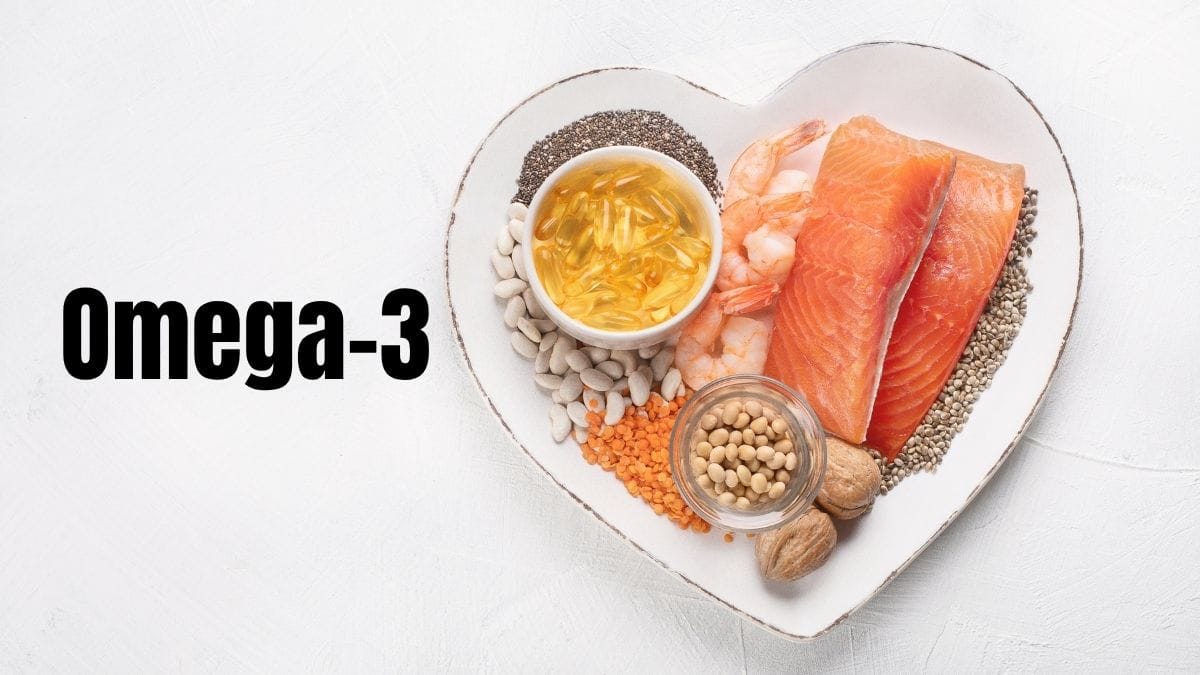
Omega-3 fatty acids [healthy fats found in fish and certain plant foods that support brain cell structure and reduce inflammation] work by reducing inflammatory signaling in the brain.
A 2024 systematic review and meta-analysis covering 23 randomized trials with 2,189 participants found that each gram per day of omega-3 supplementation was associated with a moderate decrease in anxiety symptoms.
Both nutrients are consistently low in typical Western diets. Zinc-rich foods include oysters, beef, pumpkin seeds, and chickpeas. Omega-3s are found in fatty fish like salmon and mackerel, as well as walnuts and flaxseed.
One practical point: if you are already taking a fish oil supplement but eating very little zinc-rich food, you may be covering one base while leaving the other open. Deficiencies tend to cluster. Fixing one while ignoring the others rarely produces the full result.
The next section explains these nutrients matter beyond brain chemistry alone, and what that means for the nutrient deficiency and anxiety connection in your gut.
The Gut Connection: How What You Eat Shapes How You Feel
You might think anxiety starts in the brain. But the organ doing much of the chemical work that regulates your mood is further south.
An estimated 90% of the body’s serotonin [a chemical messenger that helps regulate mood and emotional stability] is produced in the gut, not the brain. Specific cells lining the intestine make and release it.
If the gut environment is disrupted, serotonin production can fall, and that has consequences that show up as mood and anxiety symptoms.
The gut sends signals to the brain through the vagus nerve [the longest nerve in the body, running from the brainstem to the abdomen and carrying messages in both directions].
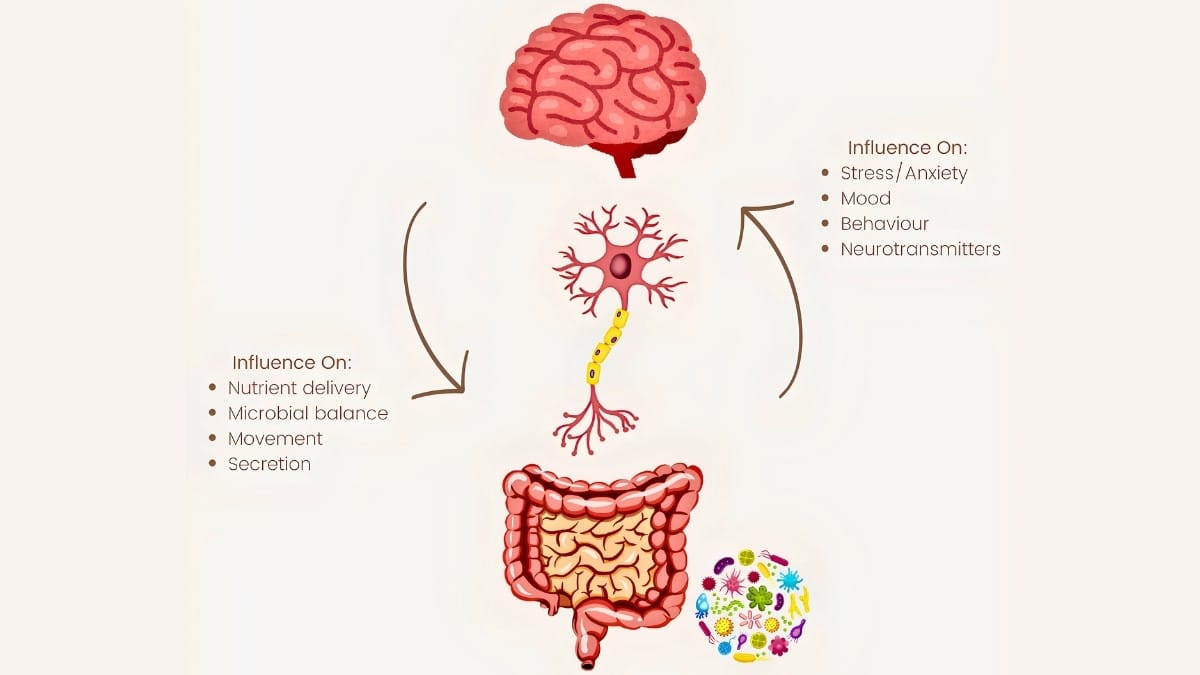
Researchers have found that disruptions in the balance of gut bacteria, called gut dysbiosis [an imbalance of the bacterial community in your digestive tract], are associated with higher levels of anxiety and depressive symptoms in human studies.
Here’s the connection to the nutrients covered in this article. Magnesium, zinc, B12, and vitamin D all support the gut’s bacterial environment.
A diet that is low in these nutrients doesn’t just affect brain chemistry directly. It also degrades the gut conditions that allow serotonin to be produced in the first place.
Practical steps that support the gut-anxiety connection:
- Eat fiber daily from vegetables, legumes, and whole grains. Fiber feeds the beneficial bacteria that support serotonin production.
- Add fermented foods like plain yogurt, kefir, or kimchi a few times a week.
- Reduce ultra-processed foods. Research consistently links these to gut disruption and mood instability.
What you eat shapes your gut environment, and that environment has a direct effect on nutrient deficiency, anxiety, and how calm you feel day to day. The final section tells you exactly how to find out where your own levels stand.
How to Actually Check Your Levels and What to Do Next
You’ve read that these deficiencies are common and that they’re linked to anxiety. The next step is specific: find out which nutrient deficiency, if any, is contributing to your anxiety.
A routine physical does not automatically test these nutrients. You need to ask for them by name.
Essential Blood Panels Next Appointment Checklist
Four critical nutrient tests to proactively request that are rarely ordered during routine checkups unless asked for.
The baseline standard blood panel to assess your baseline magnesium status and metabolic function.
The only truly reliable way to accurately measure how much total vitamin D your body has stored.
Crucial to request even if you consume meat regularly, as physiological absorption is often the bottleneck, not just dietary intake.
A straightforward, highly useful trace mineral panel that is rarely included in basic health checks unless explicitly requested.
If results come back low, do not immediately buy a supplement stack. Bring the results to your doctor and discuss dosing.
More is not always better, and some nutrients interfere with others when taken in excess. Zinc and copper, for example, compete for absorption.
Vitamin D levels may take three to six months of supplementation to normalize. Expect a re-test rather than immediate relief.
Getting your levels checked is not complicated. It requires one conversation and one blood draw. The hard part is knowing you need to ask.
Conclusion
Get your nutrient levels tested before you try anything else. Ask your doctor to test your magnesium, vitamin B12, vitamin D, and zinc levels at your next visit.
A simple blood panel is the most direct path to knowing whether a nutrient deficiency is driving your anxiety. Your body gave you the symptom. Now give it the chance to show you the cause.