
You’ve probably wondered whether the things you do every day actually matter for your memory. Not in a vague, maybe-someday way.
Right now, for the brain you’re using today. If you’re an adult aged 50 or older who wants to protect your memory and thinking skills, the honest answer is: they do matter, more than most doctors have time to explain in a 15-minute appointment.
Most people do not know which specific daily habits neurologists say actually protect the brain as it ages, so they either do nothing or follow advice that does not apply to them.
By the end, you’ll know exactly which six habits neurologists say will keep your brain sharp as you age, and which one to start first.
What Neurologists Are Seeing About Keeping Your Brain Sharp as You Age
You’re not powerless here. That is the first thing neurologists want you to know. An estimated 6.9 million Americans aged 65 and older are currently living with Alzheimer’s dementia, a number that could double to 13.8 million by 2060.
But here is what that statistic does not tell you: roughly 40 to 45 percent of dementia risk comes from factors you can actually control.
Neurologists have known for years that the brain changes with age. What has shifted is the understanding of why.
The 2024 Lancet Commission on Dementia, a global group of scientists and clinicians — identified 14 specific, modifiable risk factors that together account for approximately 45 percent of dementia cases worldwide. That is not a small number.
The factors range from what you do to what you skip, from what you hear to whom you talk to. Some are obvious. Others will surprise you.
What this means for you: dementia is not simply the price of a long life. For most people, there are specific, daily decisions that nudge the brain toward resilience or toward decline.

Neurologists who specialize in aging are not pessimistic about this. They are, if anything, frustrated that patients do not hear the full picture sooner. The conversation about keeping your brain sharp as you age too often starts after symptoms appear. The science says it should start now.
The next section covers the habit that most neurologists name first, and the one most patients are shocked to hear.
Sleep: The Brain’s Repair Window (and What Breaks It)
If you wake up tired most mornings, your brain is not just fatigued. It may be falling behind on a job it can only do while you’re unconscious.
While you sleep deeply, your brain runs a cleaning process that it cannot run while you’re awake, one that flushes out the glymphatic system [the brain’s waste-removal network, a series of fluid-filled channels that clear out harmful substances overnight].

Research in humans now shows that sleep-active processes appear to drive the clearance of amyloid [a sticky protein that builds up between brain cells and is found in large quantities in people with Alzheimer’s disease] and tau from the brain into the bloodstream.
The brain does not fail from the inside out; it fails from the outside in, which is why untreated hearing loss, broken sleep, and social isolation shrink the brain faster than most diets can rebuild it.
A 2024 study from UCSF found that people with fragmented sleep — measured at an average age of 40. were up to three times more likely to score poorly on cognitive tests years later. That gap opened early. It did not wait for old age to arrive.

What breaks sleep quality in adults over 50:
- Inconsistent wake times (the brain’s clock depends on regularity more than total hours)
- Alcohol within three hours of bedtime (it fragments sleep architecture in the second half of the night)
- Untreated sleep apnea [a condition where breathing repeatedly stops during sleep, preventing the brain from reaching the deep stages where glymphatic clearance occurs]
- Bright screen exposure in the hour before bed

Talk to your doctor before changing any medication or supplement routine related to sleep, especially if you manage a chronic condition or take blood pressure medications.
The next section covers two external threats to brain health that neurologists describe as under-recognized, and one of them is the single largest modifiable risk factor for dementia in midlife.
Hearing and Connection: The Two External Factors That Reshape Your Brain
Most people who have hearing loss don’t think of it as a brain problem. They think of it as a hearing problem. Neurologists disagree.
Epidemiological research has linked untreated hearing loss to nearly double the risk of dementia in older adults.
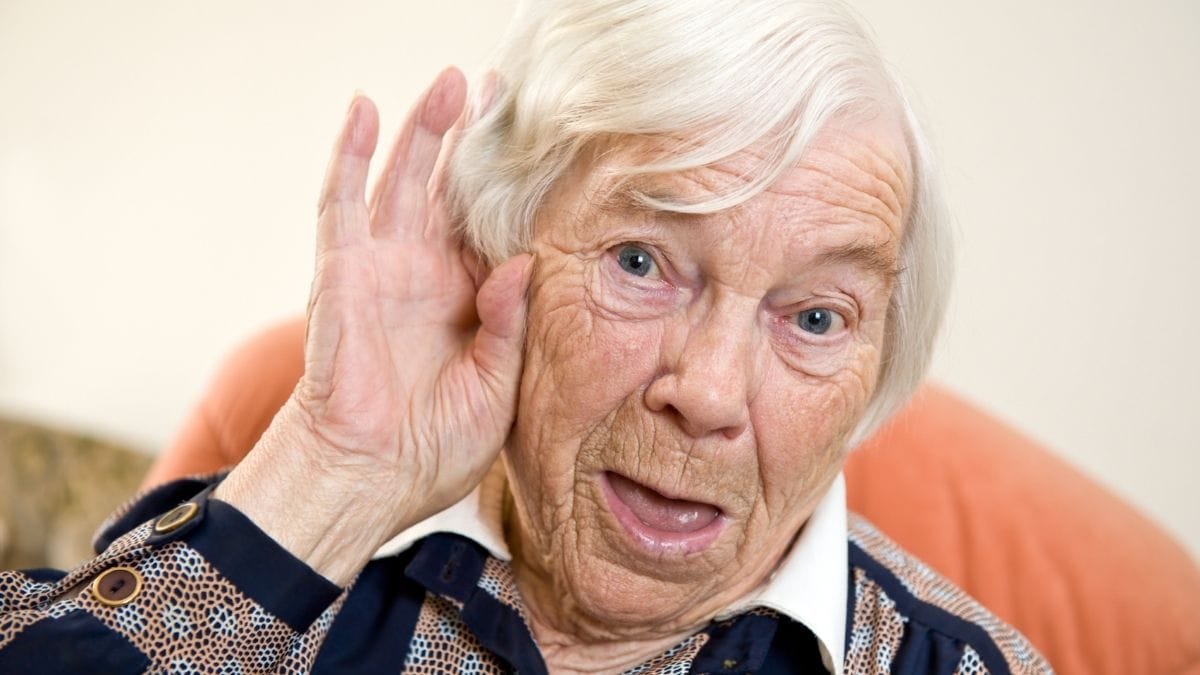
The 2024 Lancet Commission identified hearing loss as one of the 14 modifiable risk factors for dementia, and treating it could prevent up to seven percent of dementia cases globally, making it one of the highest-impact single changes a person can make.
Neurologists point to specific mechanisms: untreated hearing loss increases cognitive load [the mental effort the brain has to spend just to process incomplete sound signals, leaving less capacity for memory and thinking], reduces social engagement, and is associated with structural changes in brain areas linked to memory and language.
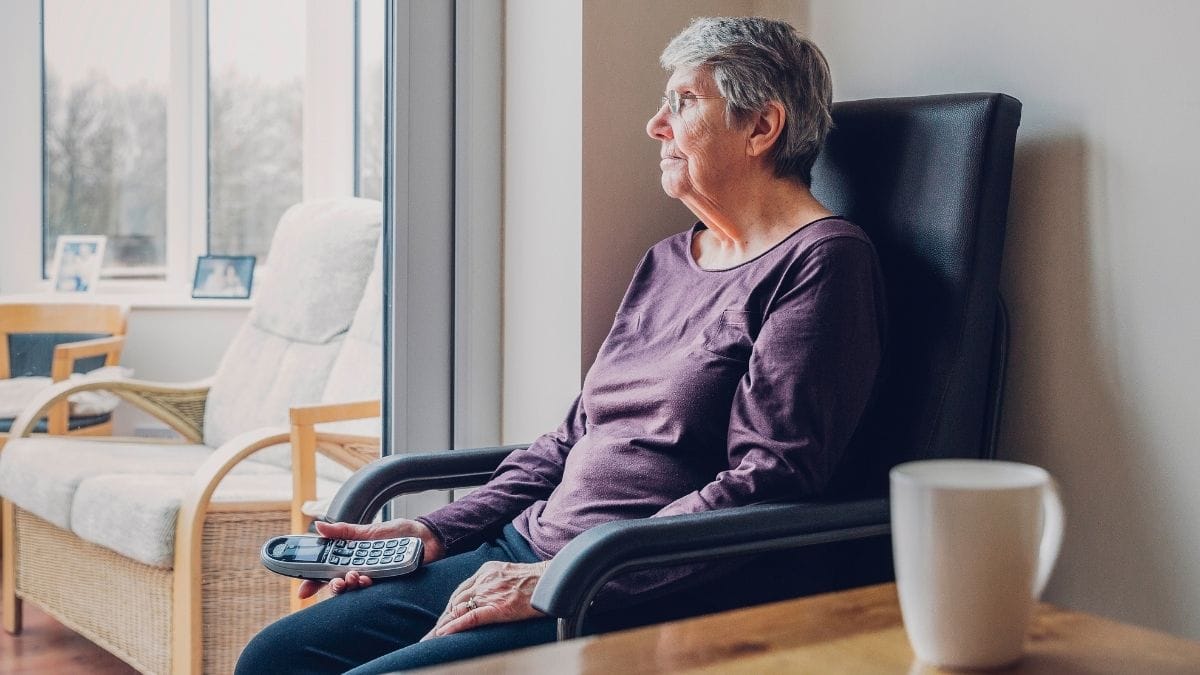
The second external threat is just as quiet. An estimated one in four Americans over age 65 experiences social isolation.
A longitudinal study drawing on data from 24 countries found that social isolation is associated with accelerated cognitive deterioration in older adults.
What neurologists recommend checking:
- Have your hearing tested if you’re over 50 and haven’t had it checked in the last two years
- If hearing loss is found, discuss treatment, hearing aids are not just a comfort device
- Prioritize regular, face-to-face contact with people you know well, not just group events
- If you find yourself avoiding social situations because of hearing difficulty, that compound effect, isolation caused by untreated hearing loss, is exactly what the research flags
Save this: the two-question brain-health check
Ask yourself these two questions once a month.
- Am I hearing conversations clearly, or am I filling in gaps?
- Have I had a real, back-and-forth conversation with someone outside my household in the last three days?
If the answer to either is no, that is the one to act on first.
The next section gets specific about what you eat and what the research actually says about the diet pattern neurologists point to by name.
What You Eat: A Specific Pattern, Not a General Principle
You’ve probably been told to “eat healthy” for your brain. That advice is true and nearly useless on its own.
Neurologists who advise on cognitive health tend to point to one specific pattern: the MIND diet [an eating plan that combines features of the Mediterranean diet and the Dietary Approaches to Stop Hypertension diet, with specific modifications based on foods linked to brain health in aging adults].
The MIND diet divides food into two groups. Eat more of these 10: green leafy vegetables, other vegetables, berries, whole grains, fish, poultry, beans, nuts, olive oil, and wine in moderation.
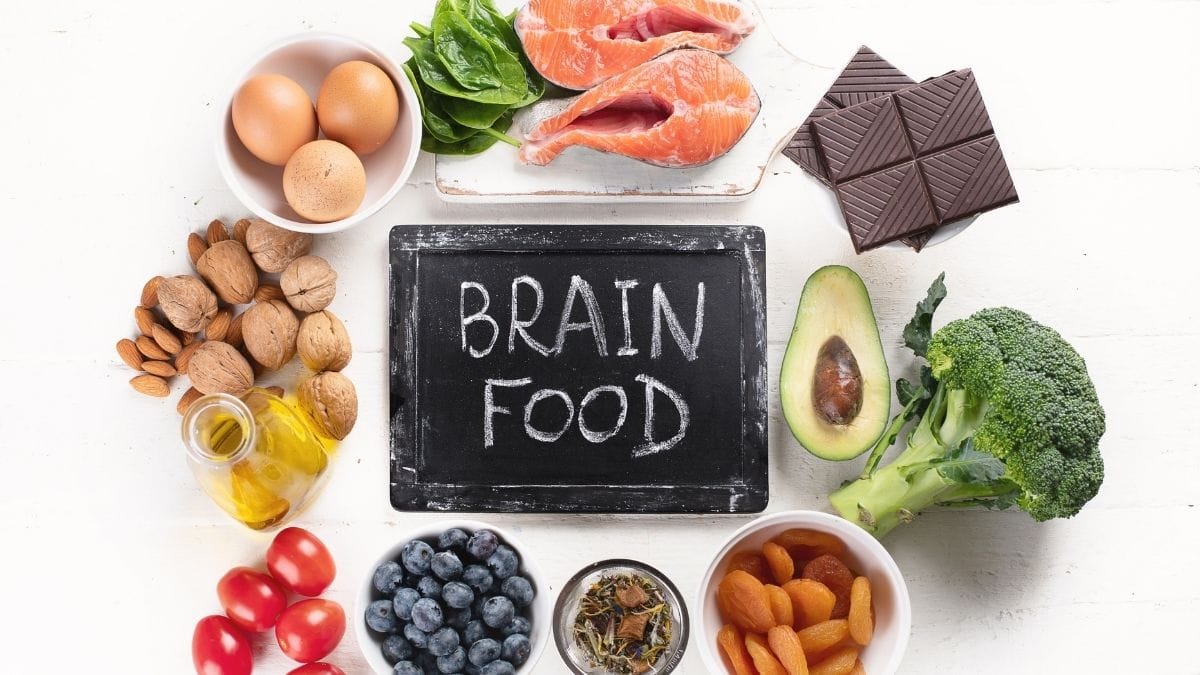
Limit these five: butter and margarine, cheese, red meat and processed meat, fried and fast food, and pastries and sweets.
Observational studies in middle-aged and older adults have linked higher MIND diet adherence to slower cognitive decline.
It’s important to be honest about the limits of the evidence here: a large clinical trial published in the New England Journal of Medicine in 2023 found that the MIND diet did not significantly slow cognitive decline over three years compared to a general healthy diet in a cognitively healthy adult population.
The trial was rigorous and the result matters.
What the research actually supports:
The pattern of eating associated with brain protection, more plants, more fish, less processed food, less saturated fat — appears consistently across multiple study designs. No single food is a cure. The overall direction of eating is the point.
Start here, not with a full diet overhaul:
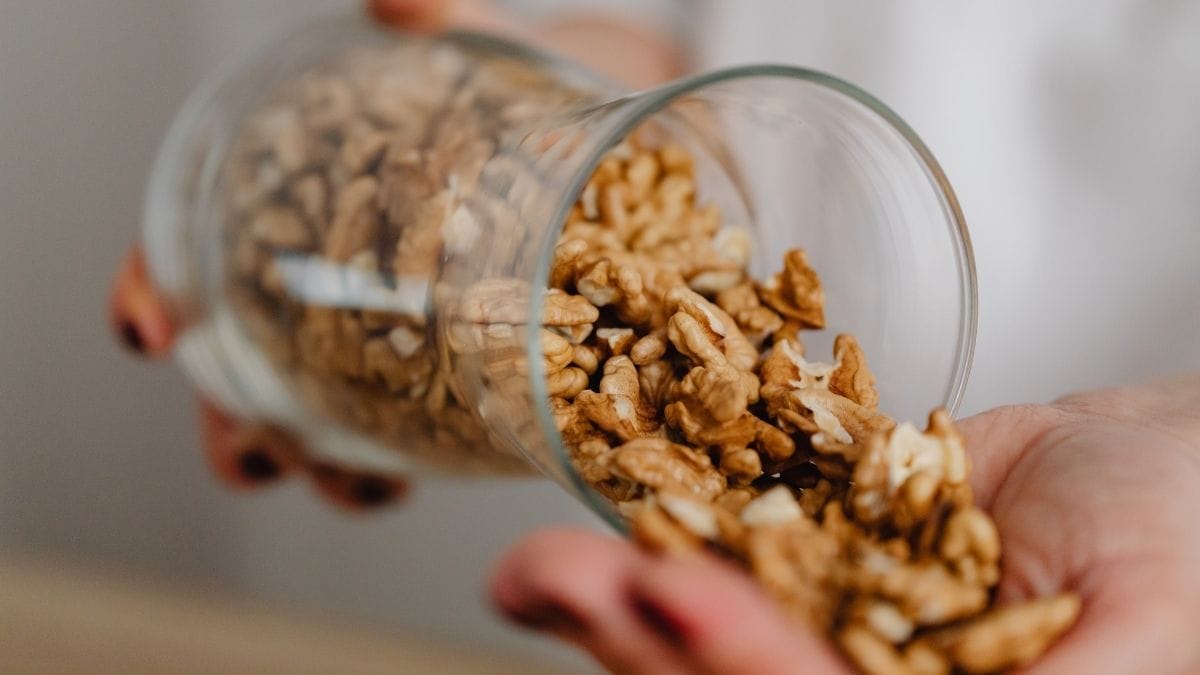
- Swap one processed food per day for a handful of walnuts or blueberries
- Add one serving of dark leafy greens to your main meal
- Replace butter with olive oil for cooking
The next section covers the one input that physically changes the size of a brain structure that handles memory, and the specific number neurologists keep returning to.
Exercise: The One Input That Can Grow Your Memory Center
Here is something most people don’t know: the part of the brain most responsible for memory can actually get bigger in adulthood.
The hippocampus [the brain region most responsible for forming new memories, and one of the first areas damaged in Alzheimer’s disease] typically shrinks with age. Exercise can reverse that.

The evidence for this is unusually direct. A randomized controlled trial of 120 older adults found that aerobic exercise increased the size of the anterior hippocampus by two percent.
The researchers described it as effectively reversing one to two years of age-related volume loss.
The mechanism they identified was specific: aerobic exercise raised serum levels of BDNF [brain-derived neurotrophic factor, a protein that helps brain cells grow, connect with each other, and survive].
The target number: The American Academy of Neurology, the American College of Sports Medicine, and the World Health Organization all recommend 150 to 300 minutes of moderate-intensity activity per week to support brain health in older adults.
That averages to about 22 to 43 minutes per day. Walking at a pace that raises your heart rate qualifies. Swimming qualifies.
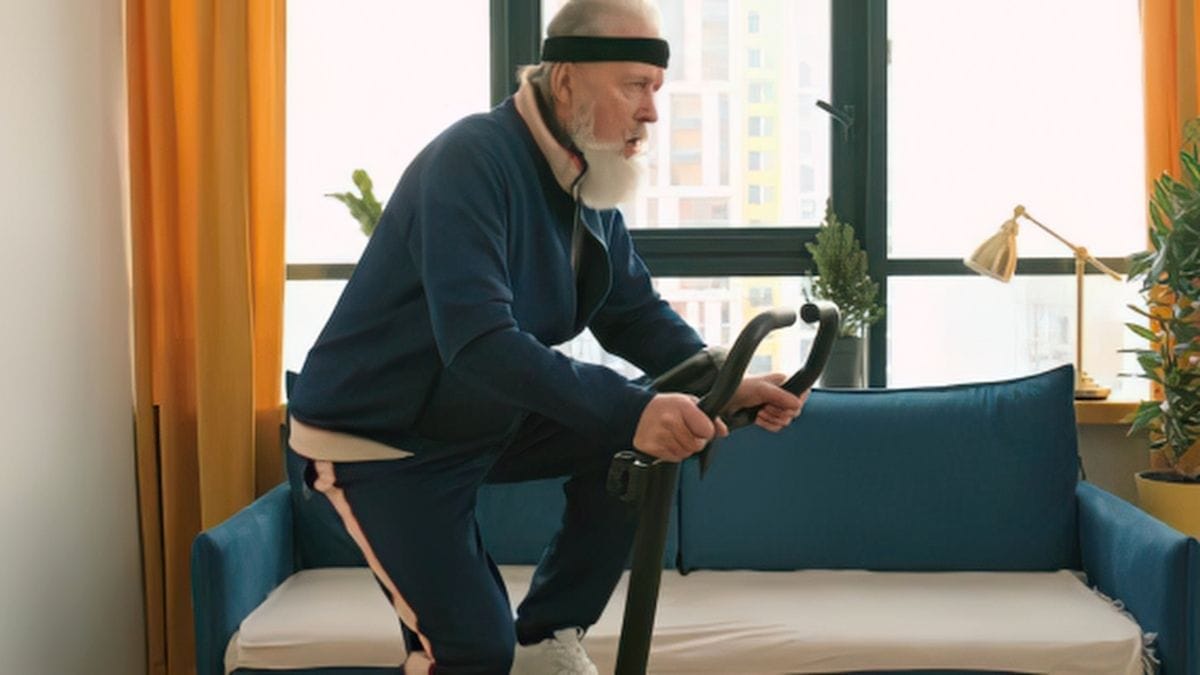
Cycling qualifies. The type of exercise matters less than whether you do it consistently at a pace where you’re slightly breathless but can still hold a conversation.
What moderate intensity looks like in practice:
- Walking fast enough that you can talk but not sing
- Water aerobics or swimming laps
- Riding a stationary bike at a resistance level that feels like effort
- Dancing to faster music for sustained periods
If you have a heart condition, joint problems, or have been sedentary for more than six months, talk to your doctor before increasing exercise intensity.
The final section covers the type of mental activity that has now been linked, in a 20-year randomized trial, to meaningfully lower dementia risk, and why the type of challenge you choose may matter more than the amount of time you spend.
Staying Mentally Active: Why Hard Is Better Than Busy

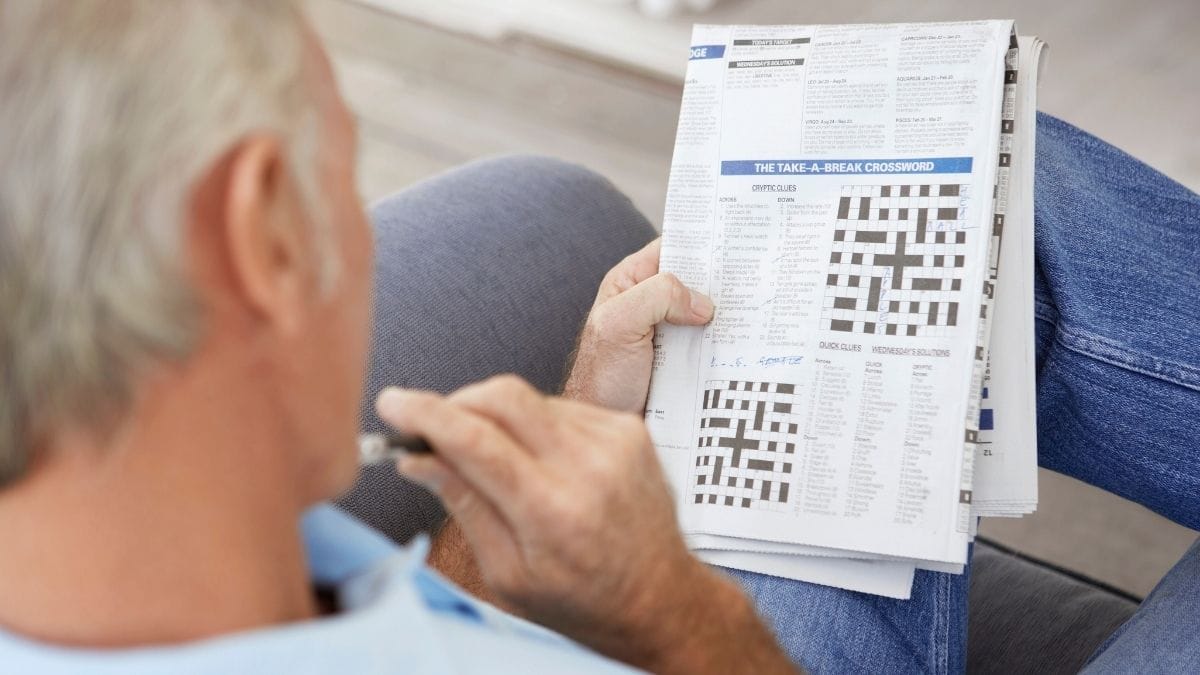
A lot of people do crossword puzzles every day and assume that covers it.
It might help. But neurologists who study cognitive reserve [the brain’s built-up capacity to keep working well even when some physical damage has occurred, developed over a lifetime of complex mental activity] say the level of challenge is what counts, not the volume of activity.
In February 2026, researchers published 20-year results from the ACTIVE trial — an NIH-funded randomized controlled trial of 2,802 adults aged 65 and older.
Participants who completed speed-of-processing training (14 to 22 hours of adaptive sessions over five to six weeks, plus booster sessions) were 25 percent less likely to be diagnosed with dementia two decades later compared to those who received no training.
Memory training and reasoning training, by contrast, did not show the same statistically significant long-term reduction.

What made the speed training different was that it was adaptive — it grew harder as participants improved. That quality, not the total hours, appears to be what matters.
Research also shows that high levels of cognitive reserve, built through complex mental activity over time, may reduce dementia risk by as much as 46 percent compared to those with moderate or low reserve.
What counts as genuinely challenging mental activity:
- Learning an instrument you’ve never played
- Studying a new language from scratch
- Taking a class in a subject completely outside your experience
- Adaptive brain-training programs that increase difficulty as you improve
What probably does not count as a challenge once it’s comfortable: the same crossword level you’ve done for years, puzzles you can complete with ease, passive reading on familiar topics.
The goal is to put the brain into a position where it must work to figure something out, not simply to stay busy.
Conclusion
The most important thing you can do after reading this is choose one habit from this article and act on it today, not next week.
Pick one habit from this article, write it on a sticky note, and start it today. Sleep, hearing, connection, diet, exercise, mental challenge — all six have real evidence behind them. You don’t need all six at once. You need one, done consistently, to keep your brain sharp as you age. That is where every meaningful change starts.