

You went to bed early last night, slept a full eight hours, and woke up exhausted anyway.
That feeling, the one where rest stops working, is one of the most confusing things about getting older. You’re doing everything right and your body still feels like it’s running on empty.
The truth is, fatigue after 60 is not about how much you sleep. It’s about what’s quietly breaking down inside your body while you rest. And once you know exactly what that is, you can fix it in 14 days.
The Difference Between Being Tired and Having Fatigue After 60

Tiredness and fatigue feel similar. But they are very different problems.
When you’re tired, a good night’s sleep fixes it. You wake up feeling better. Fatigue is different. You can sleep 8 or 9 hours and still wake up feeling like you never rested at all.
According to Griswold Care, fatigue in older adults persists despite rest and often includes ongoing weakness, mood changes, and memory problems. Normal tiredness goes away. Fatigue keeps coming back.
The Cleveland Clinic explains it clearly: the longer you live with fatigue, the harder it gets to do anything. Even tasks you’re motivated to do feel too heavy to start.
Watch for these warning signs. You need to sit down after small efforts. You wake up unrefreshed. Your mind feels foggy during easy tasks. These are not normal aging signs. These are signals that something fixable is going wrong inside your body.
Tips:
- Keep a 3-day energy diary. Write down when you feel tired and what you did beforehand. Patterns will appear fast.
- If you wake up tired after 7+ hours of sleep three days in a row, don’t ignore it. Mention it to your doctor.
Reason 1: Your Cells Are Producing Less Energy
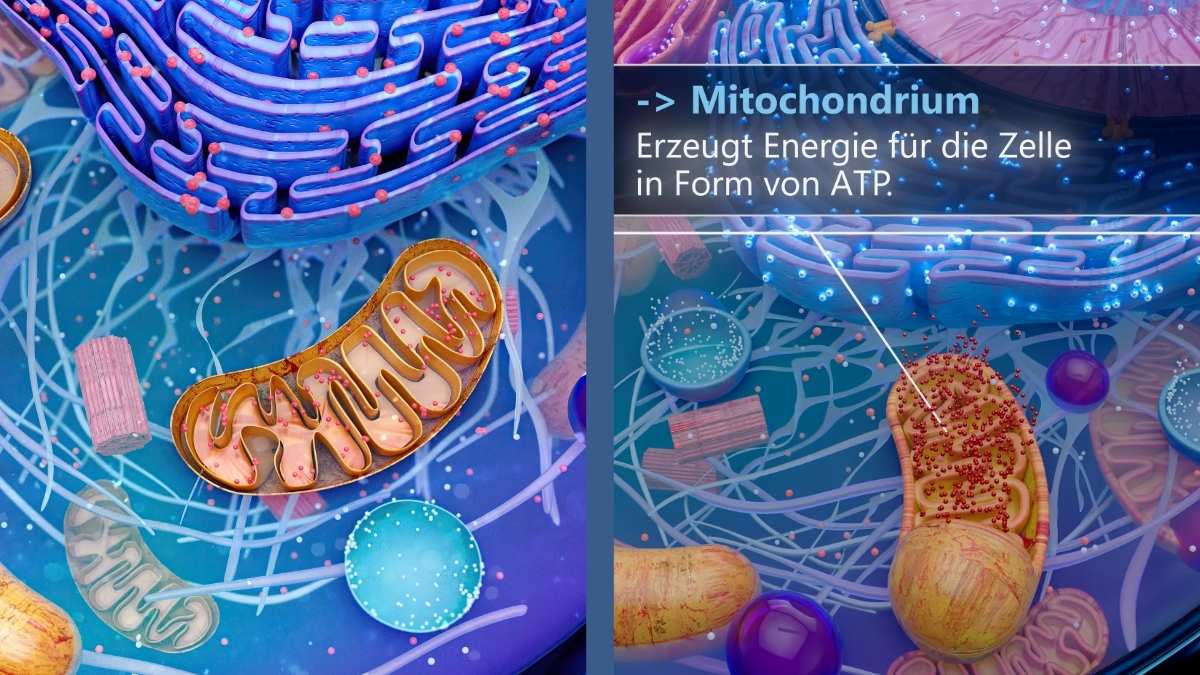
Your body runs on a fuel called ATP. Think of it like electricity for your cells. The tiny structures that make this fuel are called mitochondria.
After 60, your mitochondria start to decline. There are fewer of them. They work less efficiently. A 2025 NIH study confirmed that age-related decline in mitochondrial function is one of the main drivers of muscle weakness and fatigue in older adults.
Here’s the part most people miss: rest makes this worse, not better. When you stay still for long periods, your mitochondria become even less active. They need movement to stay strong.
The only proven way to slow this decline is regular physical activity,
especially resistance-based movement like bodyweight exercises or light weights. Even walking helps. Your cells respond to being used. The more you move, the more energy your body learns to make.
This is why two people the same age can feel completely different. One moves daily. The other rests constantly. Their cells are on very different tracks.
Tips:
- Start with 10 minutes of walking twice a day. That’s enough to signal your mitochondria to stay active.
- Chair squats and wall push-ups count as resistance exercise. You don’t need a gym to do them.
Reason 2: Your Hormones Have Quietly Shifted

Hormones are your body’s messengers. They control your metabolism, your mood, your sleep, and your muscle strength. After 60, several key hormones drop significantly.
The Cleveland Clinic notes that hypothyroidism becomes more common after age 60 and keeps increasing with age. An underactive thyroid slows everything down: your heart rate, your digestion, your energy.
For women, the post-menopausal drop in estrogen and progesterone directly causes fatigue. Blue Moon Senior Counseling confirms this can persist well into the 70s and 80s. For men, falling testosterone reduces energy, muscle mass, and motivation.
Here’s what makes this frustrating: you can eat well and sleep decently and still feel exhausted because your hormones are working against you. And you’d never know without a blood test.
This is not laziness. It is biology. The good news is all three of these hormone issues can be identified with a simple panel at your doctor’s office and treated effectively.
Tips:
- Ask your doctor to test TSH (thyroid), testosterone (for men), and estrogen levels (for women) at your next visit.
- Don’t wait for symptoms to get severe. Low hormone levels often build slowly and feel like “just getting older.”
Reason 3: You’re Losing Muscle Without Realizing It

Most people think muscle loss is about looking thinner or weaker. But the bigger problem is what muscle loss does to your energy.
NIH research shows muscle mass declines about 1% per year starting in your 50s. By the time you’re in your 70s, you may have lost 30 to 50% of your muscle. Sarcopenia, the medical term for this, affects 5 to 13% of people over 60.
Muscle does more than lift things. It helps regulate blood sugar, supports your heart, keeps your posture stable, and plays a major role in how efficiently your body uses fuel.
Less muscle means your body works harder to do everything. That’s why walking up a flight of stairs leaves you winded when it didn’t before.
The fix is straightforward. Protein at every meal and strength exercises twice a week. You don’t need heavy weights. Resistance bands, chair exercises, and bodyweight movements all rebuild muscle effectively at this age.
Tips:
- Add a protein source to every meal: eggs, fish, chicken, or lentils. Aim for 25 grams per meal.
- Do chair squats 10 times every morning. It takes 2 minutes and directly fights muscle loss.
Reason 4: Your Sleep Quality Has Dropped (Even If the Hours Haven’t)

Here’s something that surprises most people. The problem is not how long you sleep. It’s how deep you sleep.
California Mobility reports that insomnia is the most common sleep problem in adults over 60. But even people who sleep full nights often miss out on deep, restorative sleep.
That’s the stage where your body repairs muscle, releases growth hormones, and recharges your energy stores.
MedBox explains it this way: during sleep, your body generates ATP and your pituitary gland releases growth hormones to repair tissue. If your sleep is shallow or broken, this process gets cut short. You wake up physically under-repaired.
Common sleep disruptors after 60 include needing to use the bathroom at night, light sensitivity, anxiety, and medication side effects. The hours on the clock can look fine while the actual quality is poor.
Fixing sleep quality, not just quantity, is the first step in the 14-day plan for a reason. Everything else depends on it.
Tips:
- Keep your bedroom between 60 and 67 degrees Fahrenheit. Cooler temperatures signal your brain that it’s time for deep sleep.
- Stop all screens, phone, TV, tablet, at least 60 minutes before bed. The light disrupts your body’s sleep hormone.
Reason 5: Your Body Is Running Low on Key Nutrients

After 60, your body absorbs nutrients less efficiently. Your stomach produces less acid, which makes it harder to absorb Vitamin B12. Your skin produces less Vitamin D from sunlight. Your kidneys process magnesium differently.
Atlantic Shores confirms that dehydration, muscle loss, and nutritional gaps all combine to make you feel slower, both physically and mentally. The four nutrients most depleted in people over 60 are Vitamin B12, Vitamin D, magnesium, and iron.
B12 deficiency causes brain fog, weakness, and persistent fatigue. Vitamin D affects muscle function and mood. Magnesium is involved in over 300 body processes, including energy production. Iron carries oxygen in your blood. Low iron means less oxygen reaching your muscles and brain.
The frustrating part is that you can eat a healthy diet and still be low in all four because your body simply absorbs them less. A basic blood test will show exactly where your gaps are. This is one of the most fixable causes of fatigue at this age.
Tips:
- Ask your doctor for a blood panel that includes B12, Vitamin D, ferritin (iron), and magnesium.
- Don’t self-supplement without testing first. Too much iron or B12 can cause its own problems.
The 14-Day Method to Restore Your Energy
You don’t need to change everything at once. You need to fix four systems in a specific order over two weeks. Here’s exactly how.
Phase 1: Precision Sleep Architecture
Establish the critical biological baseline before adapting any secondary habits
Anchor Windows
Thermal Control
Chemical Cutoff
Nap Boundaries
Tips:
- Use a sleep mask and earplugs if your room isn’t fully dark or quiet. They’re cheap and they work.
- Set one alarm for bedtime, not just wake-up. Treat your sleep start time like a real appointment.
Days 4 to 7: Rebuild Your Nutrition

Now that sleep is improving, your body is ready to absorb and use nutrients better.
Eat protein at every meal. Eggs, fish, chicken, or lentils. Aim for 25 to 30 grams per meal. Drink water consistently throughout the day because older adults often stop feeling thirsty before they’re actually hydrated.
Atlantic Shores advises keeping meals lighter at midday. Heavy lunches cause blood sugar spikes followed by crashes.
That afternoon energy dip you feel isn’t laziness. It’s a blood sugar problem. Vocal Media confirms B12 and Vitamin D are especially critical for energy at this age.
Book a blood test this week if you haven’t recently. Ask for B12, Vitamin D, iron, and magnesium levels.
Tips:
- Keep a boiled egg or handful of nuts nearby as a mid-morning snack to prevent energy crashes before lunch.
- Drink a glass of water first thing in the morning before anything else. Many people wake up mildly dehydrated.
Phase 3: Gentle Activation Blueprint
Counteract systemic stagnation and safely spark cellular metabolic adaptation
🚶♂️ Days 8 — 9
-
🎯Aerobic Baseline: Execute two 15-minute scheduled walks daily.
-
🗺️Environment Focus: Maintain a comfortable, relaxed pace strictly on flat ground surfaces.
🪑 Days 10 — 11
-
⏱️Strength Integration: Layer in exactly 10 minutes of controlled, seated resistance exercises.
-
💪Core Movements: Focus entirely on high-yield habits: chair squats, wall push-ups, and resistance band pulls.
Tips:
- Walk after a meal rather than sitting. Even a 10-minute post-meal walk improves blood sugar and energy levels.
- Join a walking group or call a friend while walking. The social connection speeds up the recovery process.
Days 12 to 14: Reduce Stress and Reconnect

Chronic stress drains energy faster than almost anything else. Forever Fit Seniors explains that high cortisol levels disrupt sleep, weaken the immune system, and burn through your energy reserves.
Spend 10 minutes in natural morning light every day. It resets your body clock and improves mood. Reconnect with one person socially each day because even a short phone call counts. Hbrhc confirms that social isolation is directly linked to lower energy in older adults.
Spend 10 minutes on something you enjoy. Reading. Gardening. Music. Purpose and positive emotion have a measurable effect on how energized you feel.
Tips:
- Try 5 slow deep breaths when you feel stressed. Breathe in for 4 counts, out for 6. It lowers cortisol quickly.
- Put morning sunlight on your calendar for the first 10 days. Making it a scheduled habit helps it stick.
When to See a Doctor About Your Fatigue
Some fatigue has causes that lifestyle changes alone won’t fix. And it’s important to know when to get help.
Blue Moon Senior Counseling is clear: sudden or severe fatigue in older adults is often a sign of an underlying medical condition, not just aging. If fatigue is stopping you from doing daily activities, see a doctor.
Medications are a hidden and common cause. Atlantic Shores notes that blood pressure medications, antihistamines, and antidepressants can all cause fatigue. If your energy dropped after starting a new medication, tell your doctor.
Ask for these specific tests: TSH (thyroid), CBC (complete blood count), B12, Vitamin D, and fasting blood sugar.
These five tests catch the most common treatable causes of fatigue in people over 60. Walk in informed. Tell your doctor: “I want to rule out correctable causes of fatigue.”
Tips:
- Write down your energy symptoms before your appointment. When did it start? What makes it worse? Doctors need this information.
- Bring a list of all medications and supplements you’re taking. Your doctor needs to see the full picture.
The Bottom Line:
You now know why rest alone was never going to fix this. Your energy did not disappear. It just needs the right conditions to come back.
Pick one thing from this article and do it today. Not tomorrow. The people who feel better at 70 than they did at 60 all started somewhere small.