
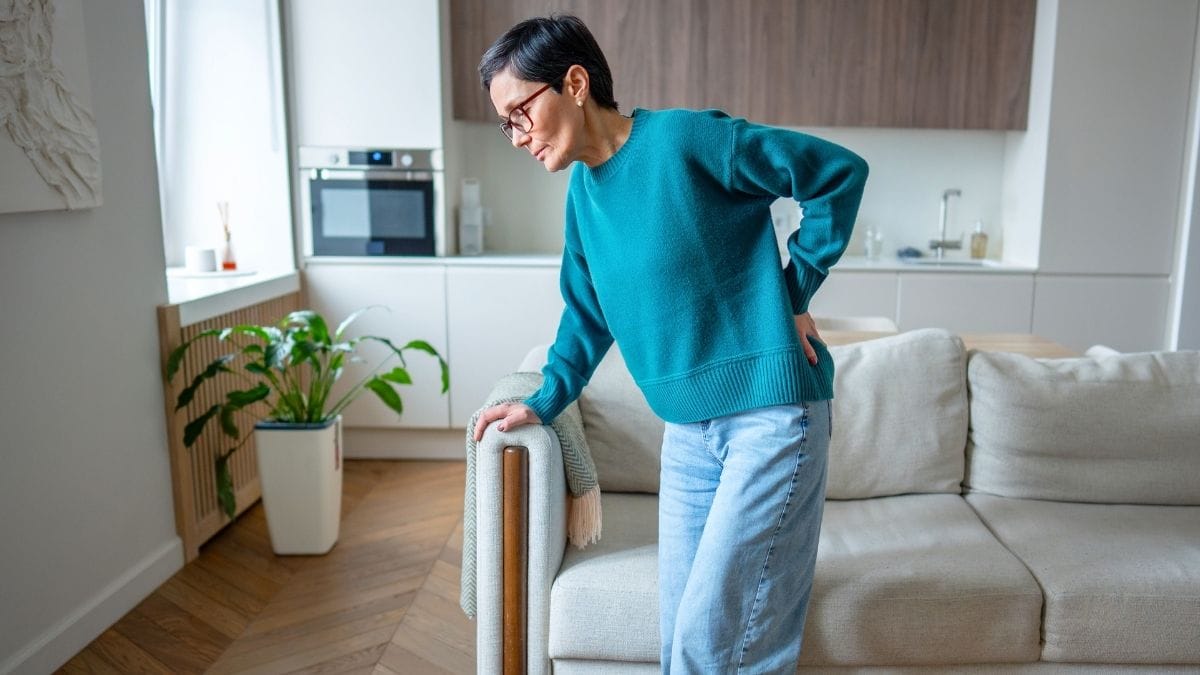
You know that exact moment. You bent down to pick something up, or you stood up from your chair after a long drive, and something fired through your lower back like a hot wire straight down your leg.
Now you’re scared to sit too long. Scared to stand too long. You shift positions in bed at 2 a.m. trying to find one spot that doesn’t hurt. You’ve Googled it a dozen times and still feel no closer to actual relief.
Here is the truth nobody tells you. Most sciatica pain responds to simple, free moves you can do on your own floor. No appointments. No pills. No waiting.
What Is Actually Happening Inside Your Body
Think of your sciatic nerve like the thickest wire in your body’s electrical system. It runs from your lower spine, through your glutes, and all the way down the back of each leg. When something presses on it, like a tight muscle or a shifted disc, you feel it fast.
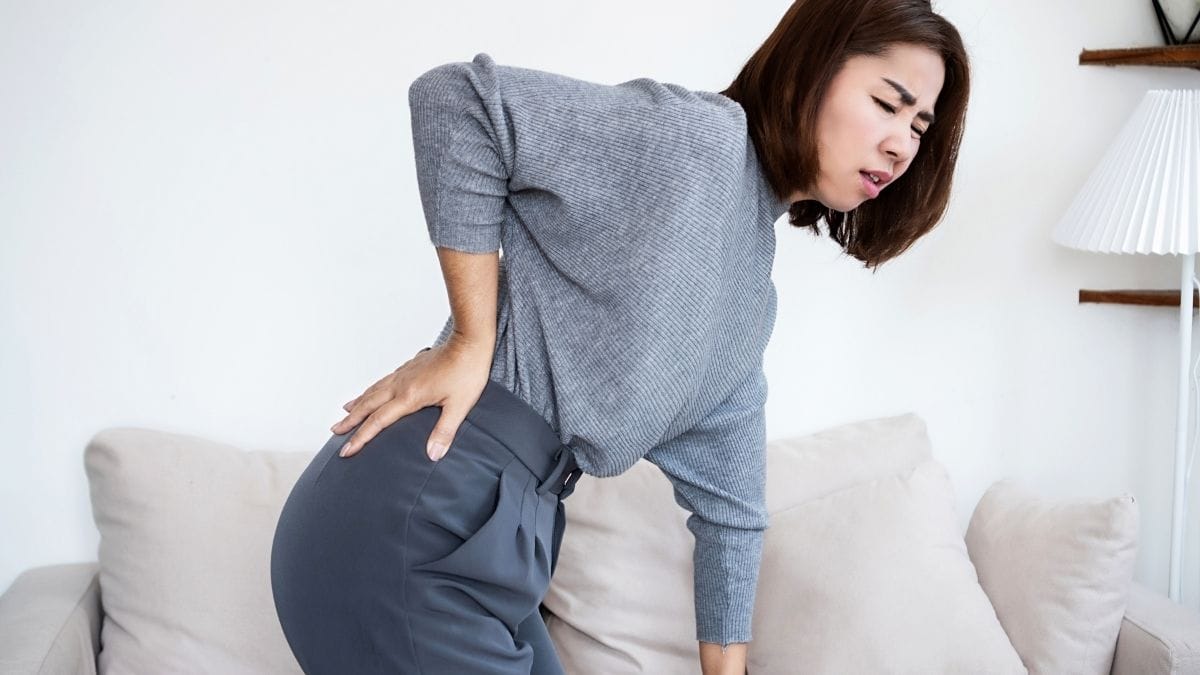
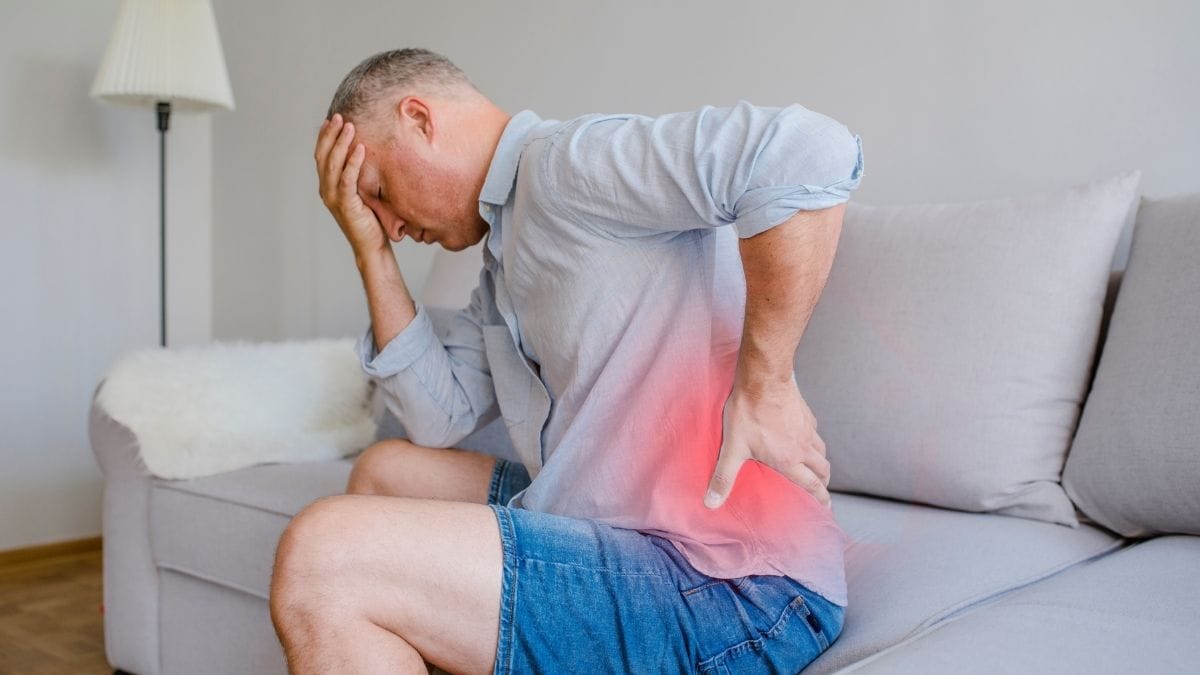
That pain can feel like burning, shooting, tingling, or numbness. It usually hits one side of your body at a time. Most people feel it in their lower back, one hip, and down one leg.
Not all back pain is sciatica. Sciatica is specifically pain that comes from that nerve being irritated or compressed. If your pain radiates down your leg in a clear line, that is a strong sign. Up to 40% of people deal with sciatic nerve pain at some point in their lives, and about 5% of people get a new case every single year.
3 Quick Tips:
- Pay attention to which leg hurts. Sciatica almost always hits one side.
- If both legs go numb at the same time, see a doctor right away.
- Sharp, shooting pain that travels past the knee is a classic sciatica sign.
The Biggest Mistake People Make (And It Costs Them Weeks)
Most people do the same thing when sciatica hits. They stop moving. It feels logical. It is actually the opposite of what helps.
Lying in bed for days makes your muscles stiffer and increases pressure on the nerve. Movement does the opposite. It strengthens the muscles around your spine, boosts blood flow to the damaged area, and actually lowers your pain signals over time.
About 90% of people with sciatica get better without surgery. Most recover within a few weeks. But prolonged rest slows that timeline down. Sitting for long periods makes things worse too. Many people feel a deep, burning ache after just 20 to 40 minutes of sitting at a desk.
Set a phone timer for every 45 minutes while you sit. Stand up. Take a short walk around the room. That alone can take the edge off. The goal is gentle movement, not intense exercise and not bed rest.
3 Quick Tips:
- Set a 45-minute timer on your phone to remind yourself to stand up.
- A short 5-minute walk is better than lying still for an hour.
- Gentle is the key word. No pushing through sharp pain.
The 5-Minute Cold and Heat Routine That Calms Flare-Ups
Before any stretching, especially during a bad flare, this two-step approach takes the edge off fast and costs nothing.
For the first 48 to 72 hours after pain starts, use cold. Wrap a bag of frozen peas or an ice pack in a thin towel. Apply it to your lower back or hip for 15 to 20 minutes. Do this a few times a day. Cold reduces swelling and numbs the sharp, burning pain.
After those first few days, switch to heat. Use a heating pad or take a warm bath for 15 to 20 minutes. Heat relaxes the tight muscles that are pressing on the nerve and gets blood flowing to the area.
Around day three or four, you can alternate between the two to get benefits from both. Always keep a cloth between the ice or heat and your skin. And never fall asleep with a heating pad still on.
Once the sharp edge is gone, your body is ready for the stretches below.
3 Quick Tips:
- A bag of frozen peas works just as well as a $30 ice pack.
- Never apply ice or heat directly to bare skin. Always use a towel.
- Warm baths count as heat therapy, and they help you relax too.
5 Stretches That Target Sciatica Directly (Do These on the Floor)
These five moves target the exact muscles and pathways responsible for sciatica. You need no equipment. You can do all of them in pajamas.
Sciatica Pain Relief:
5 Essential Stretches
Piriformis Stretch (Figure 4)
Lie on your back, knees bent, feet flat.
Lift your right leg; place right ankle on left thigh.
Gently push your right knee away from you.
Hold 30 seconds. Switch sides.
Knee to Chest
Lie flat on your back.
Gently pull one knee toward your chest.
Hold 30 seconds.
Switch legs.
Seated Spinal Twist
Sit on the floor with legs straight.
Bend right knee; place foot outside left knee.
Put left elbow outside your right knee.
Twist gently right. Hold 30 seconds. Switch.
Cat-Cow
Start on your hands and knees.
Slowly arch your back up (Cat).
Then let it sink down (Cow).
Repeat 10 times.
Nerve Floss
Lie on your back.
Lift one straight leg as high as comfortable.
Point your toes, pause. Then flex foot toward you, pause.
Repeat 20 to 30 times per side.
Stop immediately if any stretch makes your leg pain worse.
3 Quick Tips:
- Do the piriformis stretch first every time. It gives the fastest relief.
- Breathe slowly through each stretch. Holding your breath adds tension.
- If floor stretches hurt your knees, fold a blanket under them for cushioning.
How You Sit, Stand, and Sleep Is Either Healing or Hurting You
You might be doing everything right for 10 minutes a day and undoing it for the other 14 hours. Here is how to stop working against yourself.
Sitting: Keep your feet flat on the floor. Knees at a 90-degree angle. Back supported. No crossing your legs. If your chair has no lower back support, roll up a towel and place it behind your lower back.
Sleeping: Sleep on the side opposite where it hurts. Bend your knees slightly. Put a pillow between your knees.
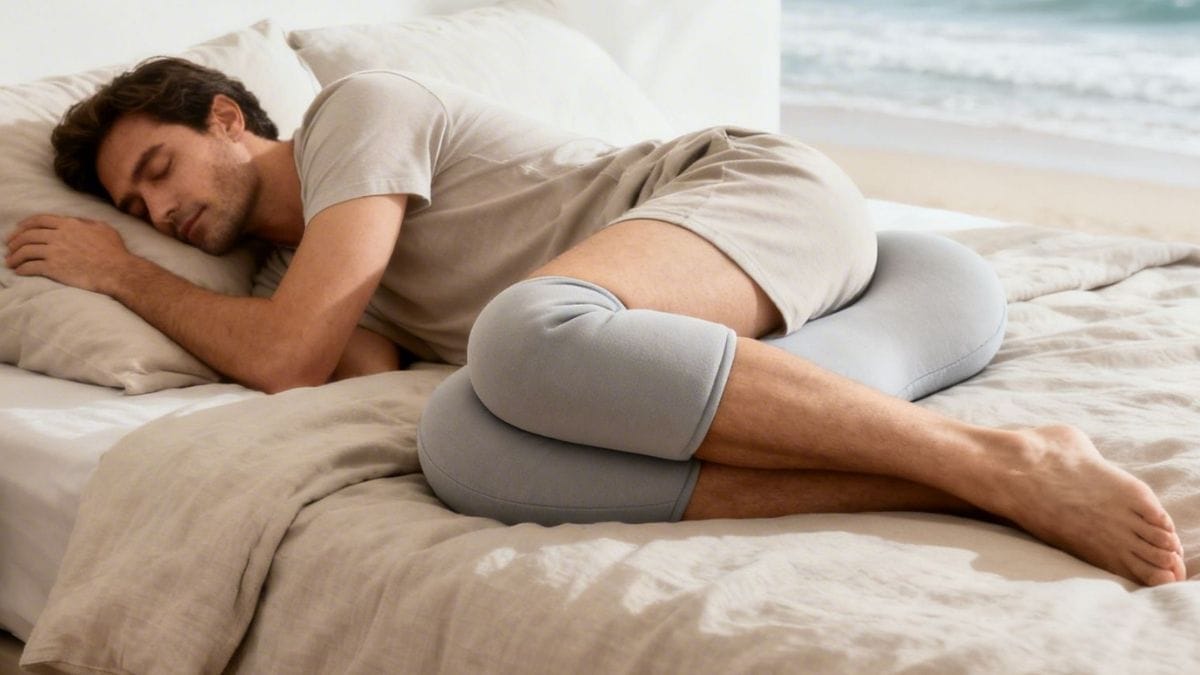
This keeps your hips aligned and takes pressure off the nerve. If you sleep on your back, place a pillow under your knees instead.
Walking: Aim for 20 to 30 minutes of easy walking each day. Start slow. Keep your posture upright. If walking hurts too much, try moving in a pool. Water takes the weight off your joints.
Quick Posture Checklist:
- Feet flat, knees at 90 degrees when seated
- Pillow between knees when side sleeping
- Stand up every 45 to 60 minutes
- No crossed legs while sitting
- No stomach sleeping
Small postural changes cost nothing and add up to big results over time.
3 Quick Tips:
- A rolled-up towel behind your lower back works as a free lumbar support.
- Put your phone on the opposite side of your bed to stop rolling toward the painful side.
- Wear flat, supportive shoes when walking. Avoid flip-flops during flare-ups.
Daily Habits That Keep Sciatica from Coming Back
Getting relief is only half the job. The other half is making sure sciatica does not keep coming back every few months.
Keep moving once the pain settles down. A strong core, strong glutes, and flexible hips take pressure off your spine. Add glute bridges and pelvic tilts to your daily routine.
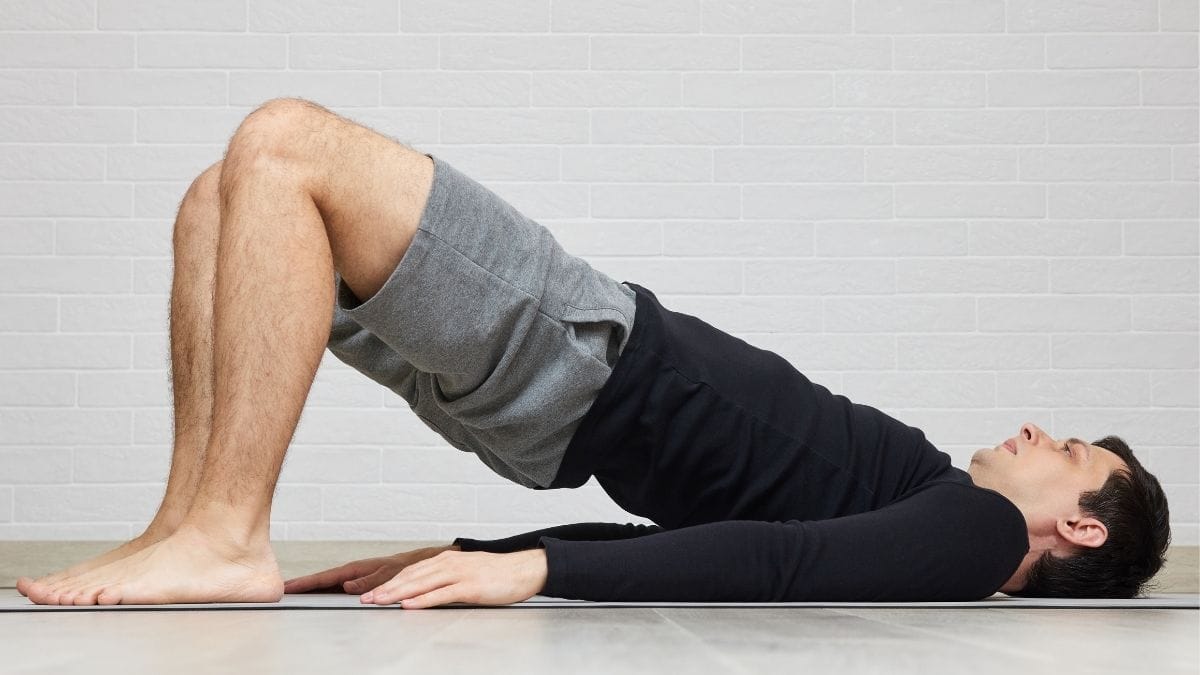
They take about three minutes and cost nothing. Lie on your back, feet on the floor, knees bent, and lift your hips slowly. Lower them back down. Repeat 10 times.
What you eat matters too. Anti-inflammatory foods like turmeric, fish rich in omega-3s, berries, and leafy greens help reduce nerve irritation from the inside. Cut back on fried food, added sugar, and processed snacks.

Nicotine reduces blood flow to the spine and speeds up disc damage. A medium-firm mattress supports your back far better than a soft one. And keeping a healthy body weight reduces the daily load on your lower back.
Consistency with even a few of these habits makes a real difference.
3 Quick Tips:
- Glute bridges take 3 minutes a day and directly support your lower back.
- Turmeric in warm water or food daily is a simple, free anti-inflammatory habit.
- A medium-firm mattress is one of the best investments for long-term sciatica relief.
When Home Treatment Is Not Enough (Know These Signs)
Most cases of sciatica clear up on their own with the right home care. But not every case will.
See a doctor if your pain has not improved after four to six weeks of consistent stretching and movement. Also get checked out if you feel numbness or weakness spreading further down your leg over time. If you have any loss of bladder or bowel control, that is a medical emergency. Go in right away.
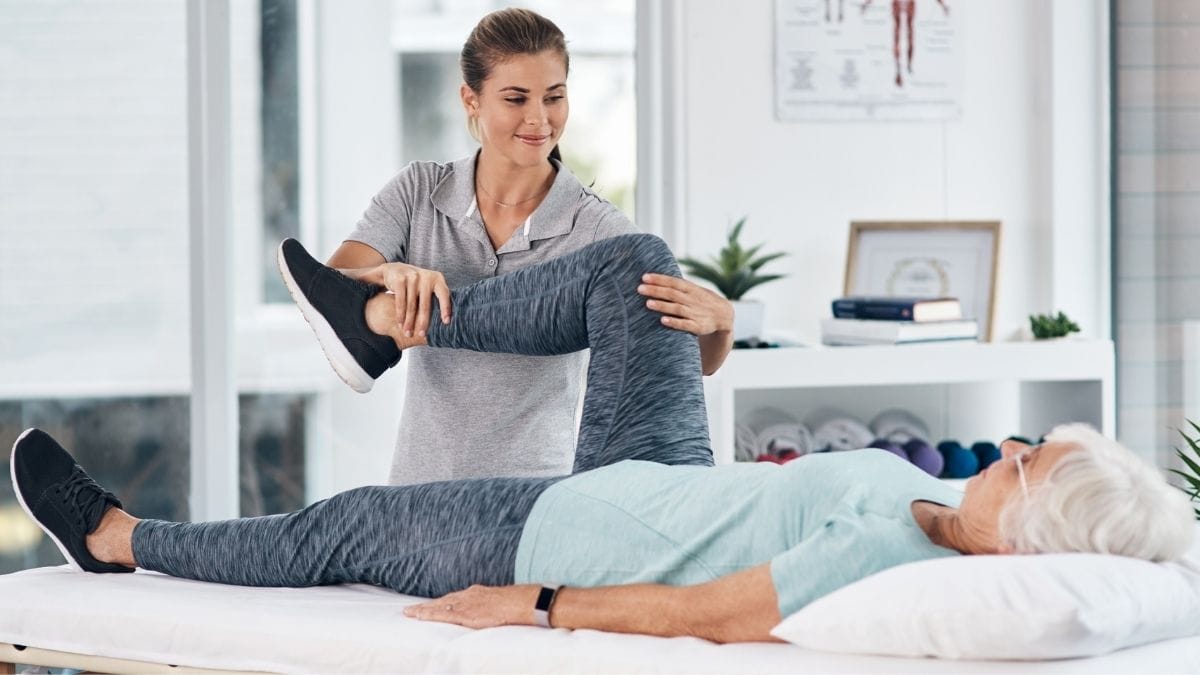
About 25% of people with sciatica deal with long-term symptoms. Early action matters. Catching it early and being consistent with your stretches gives you the best chance of a full recovery without medical procedures.
This guide covers what works for most people. But your body is yours, and you know when something feels wrong beyond the usual pain.
3 Quick Tips:
- Write down your pain level each day. If it keeps rising after two weeks, see a doctor.
- Leg weakness that gets worse over time is a red flag, not just soreness.
- Bladder or bowel changes with sciatica always need same-day medical attention.
Final Thought:
Sciatica responds to movement, not rest. Cold and heat calm the flare. Five simple stretches release the nerve. Better posture stops the daily damage. Small habits prevent it from coming back.
Pick one stretch today. Add another tomorrow. Sciatica pain relief at home is real, and it starts right now.