

You’re not lazy. You’re lost.
There’s a difference. Lazy people don’t search for answers. You’re here, reading this, which means you’ve already tried. Maybe you started a diet and quit. Maybe you watched hours of YouTube videos and still don’t know what to actually do first. Maybe you’ve told yourself “I’ll start Monday” so many times that Monday stopped meaning anything.
That’s not laziness. That’s what happens when nobody gives you a clear starting point.
Most weight loss content is written for people who already know the basics. It skips straight to meal plans, macros, and workout splits. But what if you’re still at zero? What if you genuinely have no idea where to begin?
That’s exactly who this is for.
This article gives you three steps. Not thirty. Not a new lifestyle. Just three beginner weight loss steps you can start this week, in the life you already have, with the schedule you already own. No gym required. No perfect diet. Just a real first move.
Read this once. Then pick one thing and do it today.
Stop Trying to Fix Everything at Once
Your brain can only build one new habit at a time. When you try to change everything together, nothing sticks. And then you blame yourself. That’s not fair.
The smarter move is to start with one thing. Just one. Break your big goal into tiny milestones. Instead of “I want to lose 30 pounds,” try “I want to lose 5 pounds first.” That feels real. That feels possible.

One bad meal is not failure. One skipped workout is not failure. The most successful approach to weight loss is built on flexibility, not perfection.
Focus on the next 7 days. Not the next 6 months. Consistency over one week beats a perfect plan that falls apart in three.
Step 1 — Find Out How Much You’re Actually Eating

You don’t need to go on a diet yet. You just need to look at what you’re already eating.
Most people are shocked when they track their food for three days. Not because they eat badly. But because they had no idea how fast the small things added up. A medium coffee shop latte can be 300 calories. A handful of mixed nuts is around 170. Neither feels like a meal, but both count.
Here’s your only job this week. Track everything you eat. Don’t change it yet. Just look.
Use a free app like MyFitnessPal or the NIH Body Weight Planner to find your TDEE.
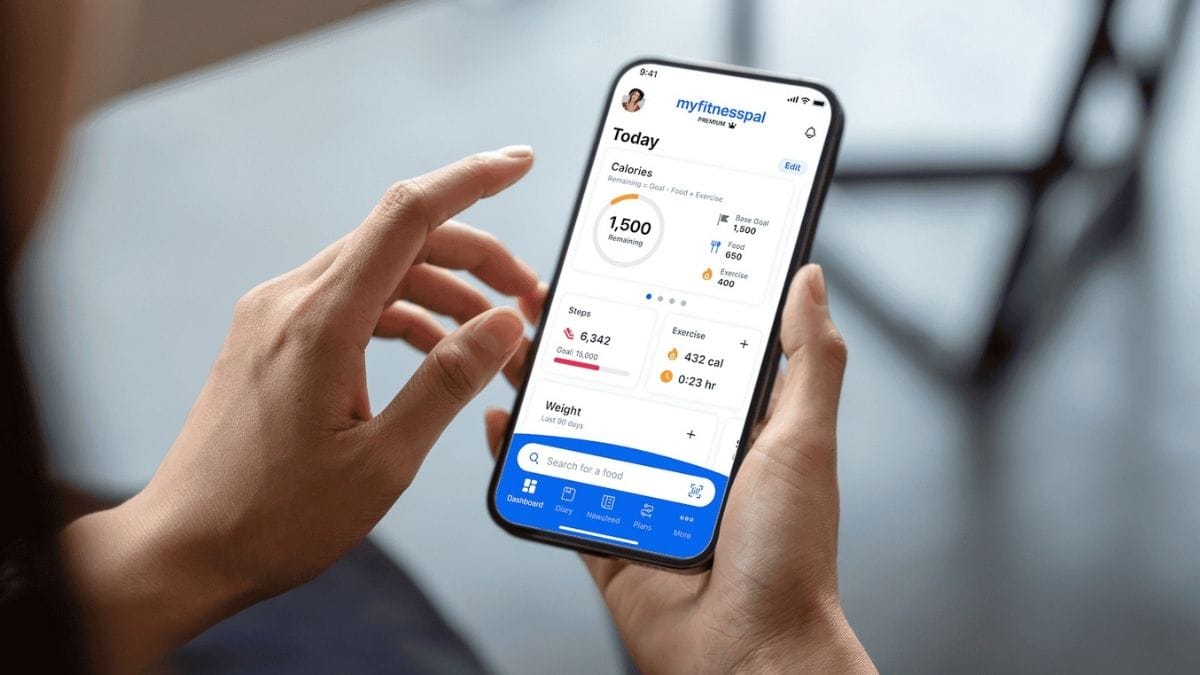
That’s the number of calories your body burns in a day. From there, eating 300 to 500 fewer calories than that number puts you in a calorie deficit for beginners. That gap is what leads to losing about 1 pound per week.
You don’t need to be perfect. You just need a starting number. That’s it.
Step 2 — Build One Eating Habit, Not a New Diet
Forget the word “diet.” You’re not going on one.
Diets that promise fast results almost always backfire. They’re too strict to stick with. They cause muscle loss, mood swings, and the moment you stop, the weight comes back. That’s not what you want.
What you want is one new habit. The best one to start with is this. Add protein to every meal.

Protein keeps you full longer. When you’re full, you don’t overeat. When you don’t overeat, you naturally eat fewer calories without obsessing over numbers.
Good protein options are simple. Eggs, chicken, tuna, Greek yogurt, cottage cheese, lean ground beef. Pick what you like. Aim for a palm-sized portion at each meal.
Start with breakfast only. A bowl of cereal leaves you hungry by 10am. Two eggs and a slice of toast keeps you full until lunch. Same effort. Very different result.
This week, just fix breakfast. That’s your only job for now.
Step 3 — Move Your Body in a Way You Don’t Hate
You do not need a gym. You do not need to run. You just need to move more than you did yesterday.
Start with 10-minute walks after meals. That’s it for week one. Not a 5am boot camp. Not a 45-minute cardio session. Just a short walk after you eat.
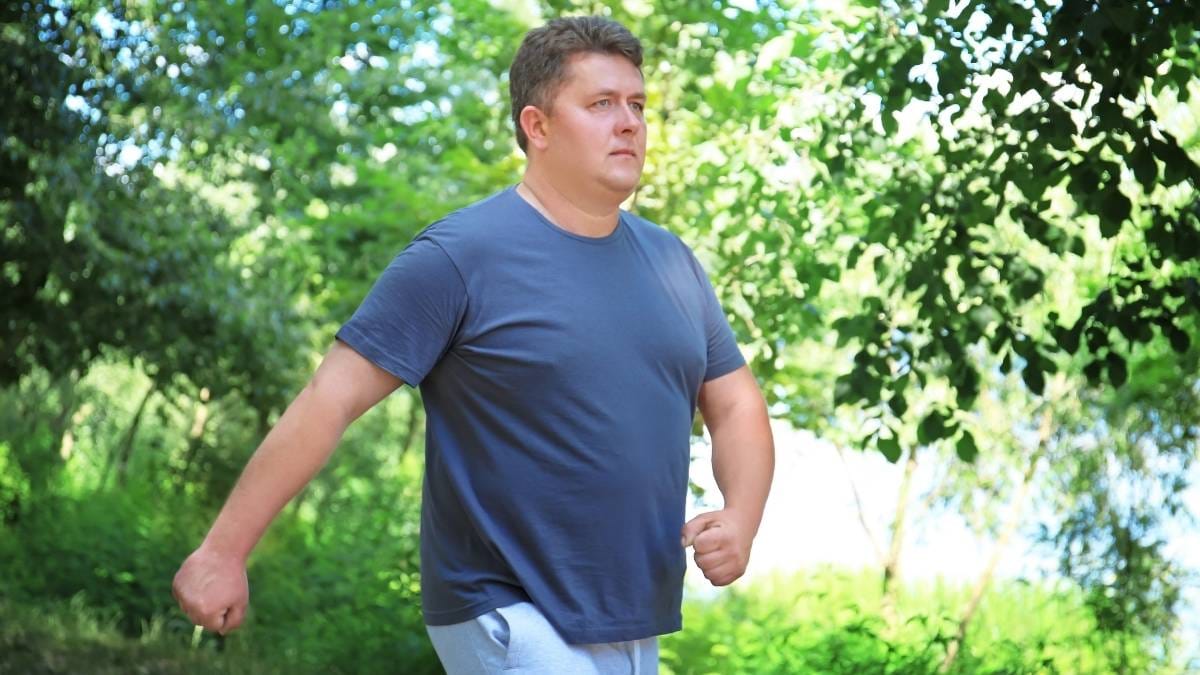
Every little bit of movement adds up. Taking the stairs, parking farther away, standing up every hour. This is called NEAT, or Non-Exercise Activity Thermogenesis. It burns calories without feeling like a workout. It’s real and it counts.
If you currently do zero exercise, going from nothing to three 10-minute walks a week is a massive improvement. That progress matters.
If you want to do more, two 20-minute bodyweight sessions per week is a great add-on. Search “beginner home workout no equipment” on YouTube. There are hundreds of free options.
Move in a way you don’t hate. That’s the rule.
What to Ignore When You’re Just Starting Out
You don’t need intermittent fasting right now. You don’t need keto. You don’t need to track your macros. Those are tools for later. Right now, you’re just building habits.
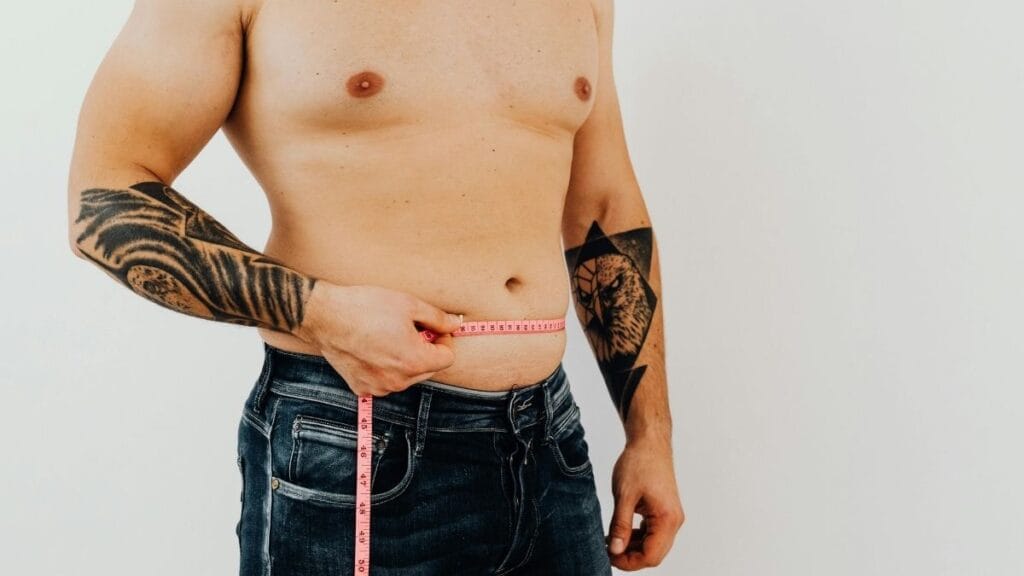
Stop staring at the scale every morning. Weight goes up and down because of water, hormones, and digestion. It’s not always showing you fat. Use a measuring tape around your waist instead, and check it every two weeks. That’s a much more honest picture.
Stop comparing yourself to the person on Instagram who lost 40 pounds in four months. You’re seeing their highlight reel. You’re not seeing the days they struggled too.
And please, don’t quit because of one bad day. If you go to a birthday party and eat cake, you didn’t fail. You had cake. Get back on track at your next meal. One bad day is nothing. Quitting after one bad day is the only thing that actually sets you back.
Final Words
Three steps. Know what you’re eating. Build one food habit. Move your body.
That’s the whole plan for right now. Not a perfect diet. Not a gym schedule. Just a direction. Pick one thing from this article and do it today. Not tomorrow. Today.
That’s what starting to lose weight as a beginner actually looks like. One small step, done consistently.