
That stiffness two days after your walk or strength class isn’t a sign you overdid it. It’s a normal part of how muscle rebuilds itself. And what you eat in the hours after can speed that process up, or slow it down.
If you’re in your 50s or 60s, you may notice soreness sticks around longer than it used to. You’re not sure if it’s your age, your workout, or your diet. It’s probably a mix of all three.
This guide covers seven muscle recovery foods with real research behind them. You’ll learn how much to eat, and when to eat it, so your body bounces back faster.
1- Eggs and Lean Meat: Why Protein Timing Matters More After 50
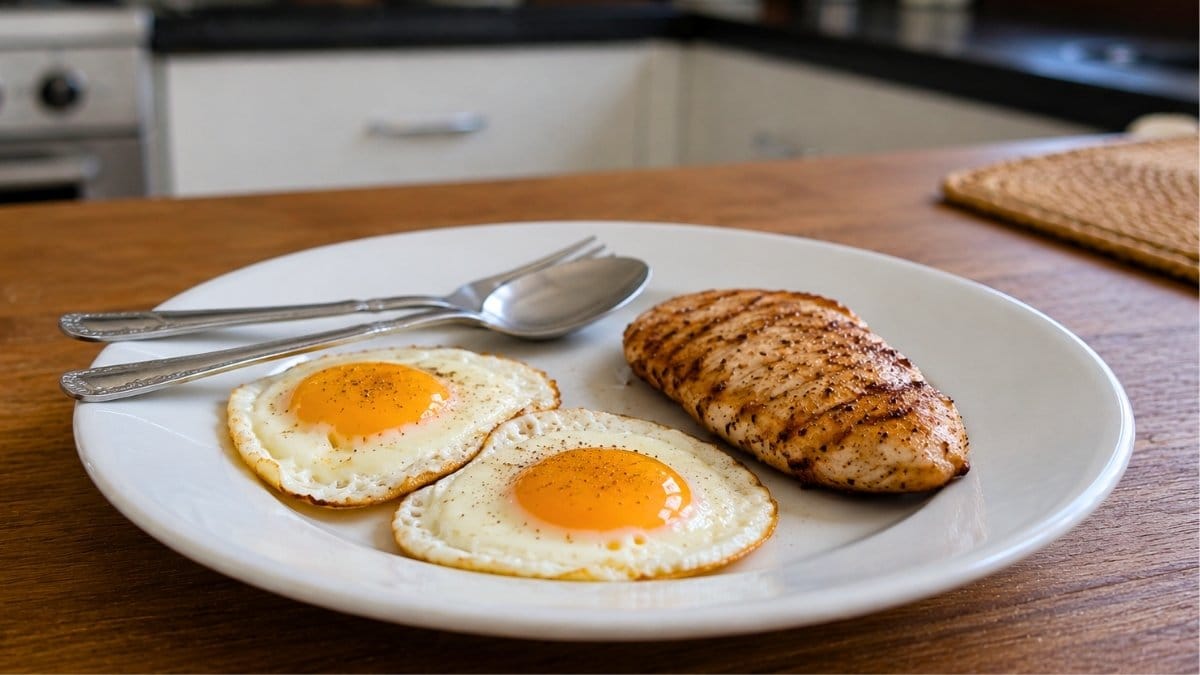
Your muscles get less sensitive to protein as you age. Doctors call this anabolic resistance. It means you need a bigger dose of protein at each meal to trigger muscle repair than you did at 30.
In your 20s and 30s, about 20 grams of protein per meal was enough to switch on repair. After 50, you need closer to 30 to 35 grams. That’s roughly three eggs plus a glass of milk, or a chicken breast.
The latest Dietary Guidelines for Americans recommend adults over 50 aim for 1.2 to 1.6 grams of protein per kilogram of body weight each day. That’s higher than the basic 0.8 gram rule most labels use.
Try to eat protein within two hours after your workout. This gives your muscles the raw material they need while they’re primed to use it. Spread your protein across the day too, instead of saving it all for dinner.
2- Tart Cherries: The Anti-Inflammatory Food With a Catch
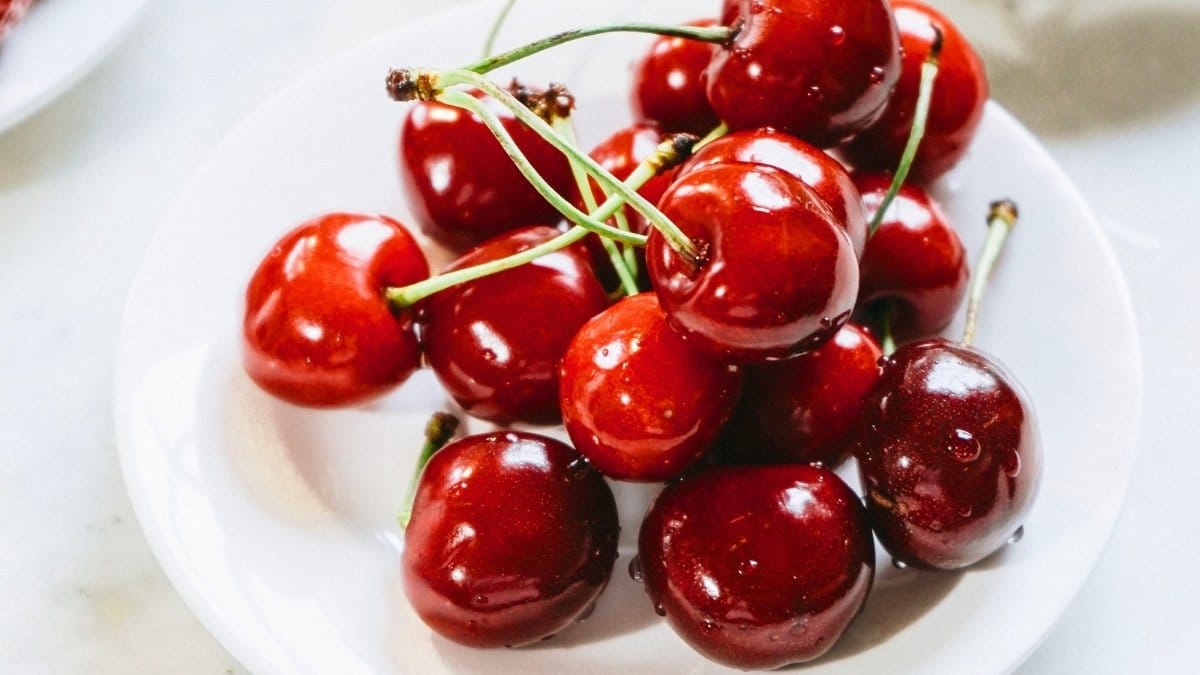
Tart cherries are one of the most studied foods for muscle soreness. In one trial, 54 long distance runners drank tart cherry juice or a placebo for a week before a race. The cherry group reported much less pain afterward.
Here’s the honest part. A large 2026 review looked at many cherry studies together. It found mixed results for blood markers that measure muscle damage. But people still reported feeling less sore, even when those markers didn’t change much.
So tart cherries may help you feel better, even if they’re not a guaranteed fix for every measure of damage. That’s still worth something.
The studies that worked best used about 8 to 12 ounces of tart cherry juice, twice a day. And the timing matters. Start a few days before a hard workout, not just after. This gives the antioxidants time to build up in your system.
3- Fatty Fish: What Omega-3s Actually Do for Recovery
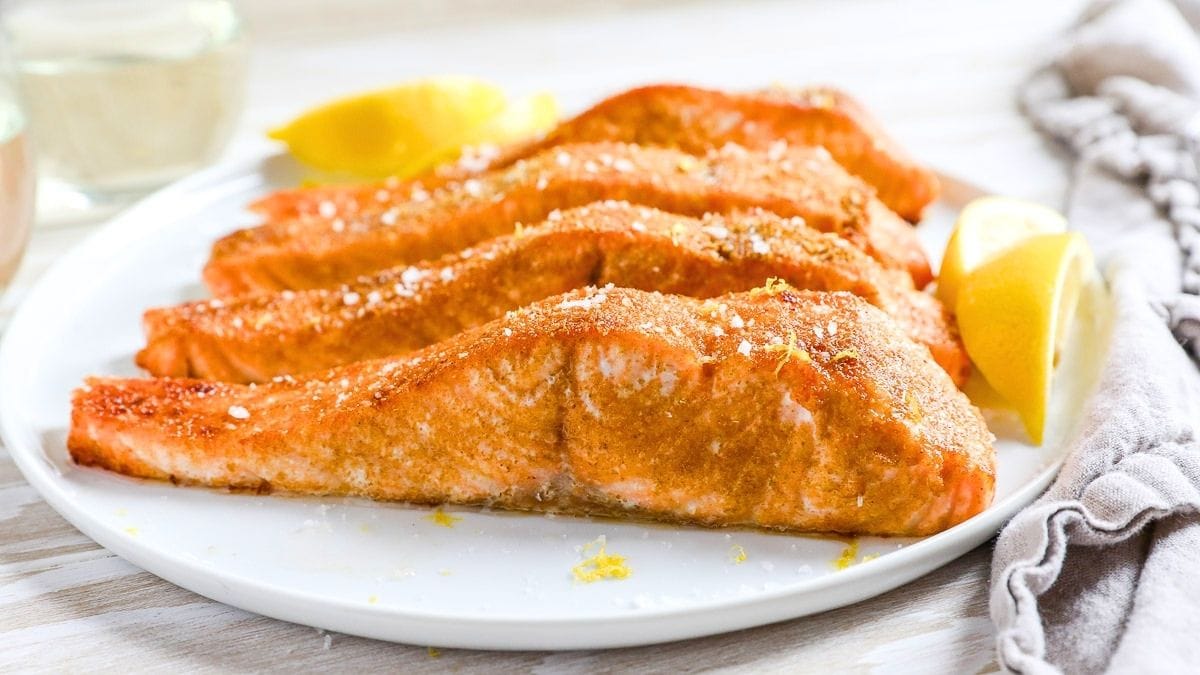
Salmon and sardines are rich in omega-3 fats called EPA and DHA. A 2026 review pulled together 41 studies and over 1,800 participants to see how these fats affect recovery.
The results were mixed for specific inflammation markers. Some studies found a benefit. Others didn’t. This is common in nutrition research, where real bodies don’t always match clean lab results.
But here’s a more promising finding. In controlled studies, omega-3 supplements boosted the muscle building response to a protein meal by 30 to 60 percent. That’s a meaningful number, even with food, not just supplements.
You don’t need fish oil pills to get this benefit. Eating fatty fish twice a week is a simple, food-first way to get there. Try salmon, sardines, or mackerel. Grill it, bake it, or add it to a salad.
4- Leafy Greens: For Cramping and Muscle Function
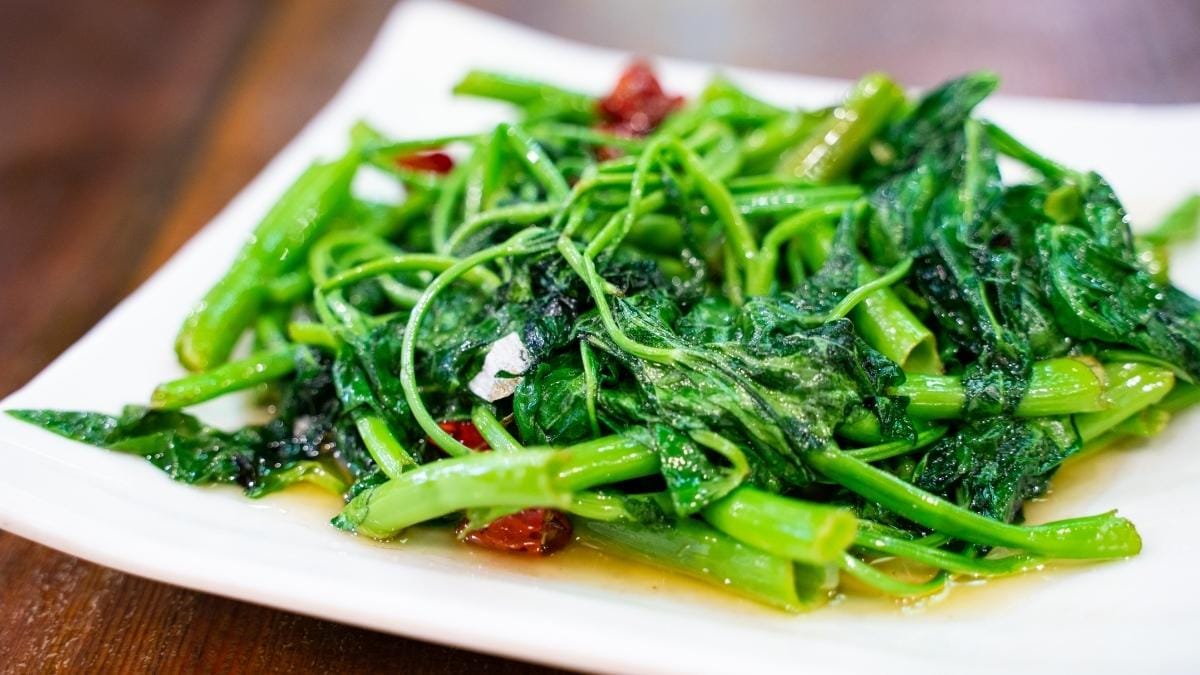
Magnesium plays a role in over 300 reactions in your body. That includes the basic on-off switch your muscles use to contract and relax.
Here’s where I’ll be straight with you. Research on magnesium supplements for muscle cramps is genuinely mixed. A major Cochrane review looked at several trials and didn’t find strong, consistent proof that supplements stop cramps.
So don’t expect a magnesium pill to fix nighttime leg cramps overnight. That said, eating magnesium-rich foods is still smart. Older adults absorb magnesium less efficiently than younger people, which makes food sources even more useful.
Spinach, kale, almonds, pumpkin seeds, and beans are all good sources. Think of this less as a quick cramp cure and more as steady support for how your muscles work day to day.
5- Sweet Potatoes: Why Carbs Matter for Repair Too
Muscle repair takes more than protein. It also takes energy. That energy comes from glycogen, which is stored sugar in your muscles.
A spokesperson for the Academy of Nutrition and Dietetics says you should eat a small snack with carbs and protein within an hour after exercise. Not a big meal. Just enough to start refilling your tank.
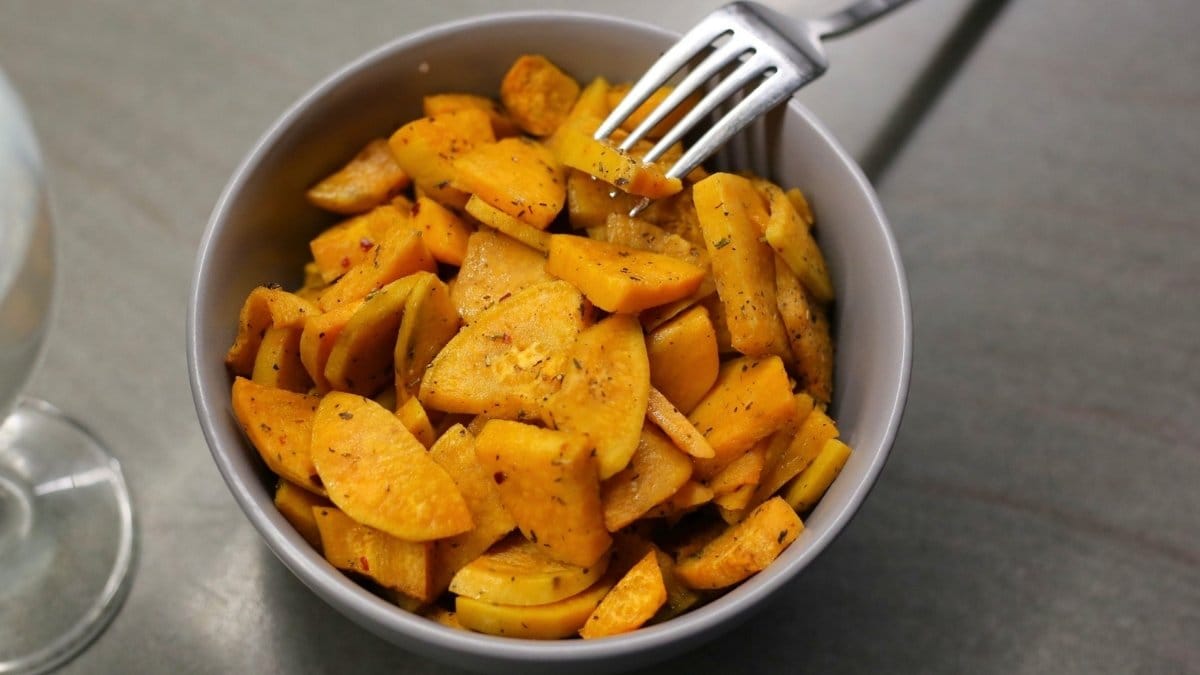
Sweet potatoes are a smart choice here. They’re a complex carb, so they release energy slowly. They also have vitamin C and copper, which help protect your muscle tissue and support connective tissue repair.
Try a small sweet potato with a scoop of cottage cheese after your workout. Or pair it with eggs at breakfast on a training day. Whole grains like oats and brown rice work the same way.
6- Greek Yogurt and Cottage Cheese: Easy Recovery Snacks
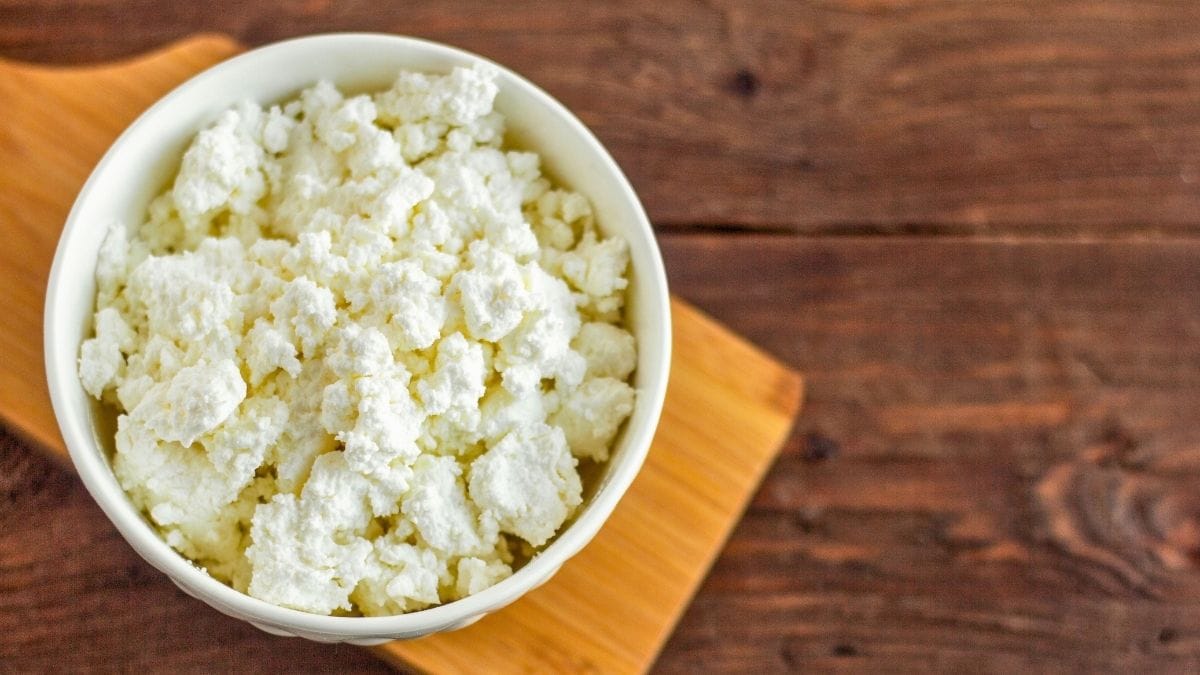
Some studies on recovery drinks point to a 3 to 1 ratio of carbs to protein. That ratio shows up naturally in dairy, which is why yogurt and milk keep coming up in this research.
Cottage cheese has become popular again, and for good reason. It’s high in protein, low in effort, and goes with almost anything. Add fruit, honey, or a few nuts and you’ve got a full recovery snack.
This matters most on days you don’t feel like cooking. You don’t need a fancy recovery shake. A bowl of Greek yogurt with berries does the same job.
These foods for muscle soreness work because they’re simple. You already know how to eat them. The hard part isn’t the science. It’s remembering to eat soon after you exercise, not three hours later.
7- Chocolate Milk: The Recovery Drink Hiding in Plain Sight
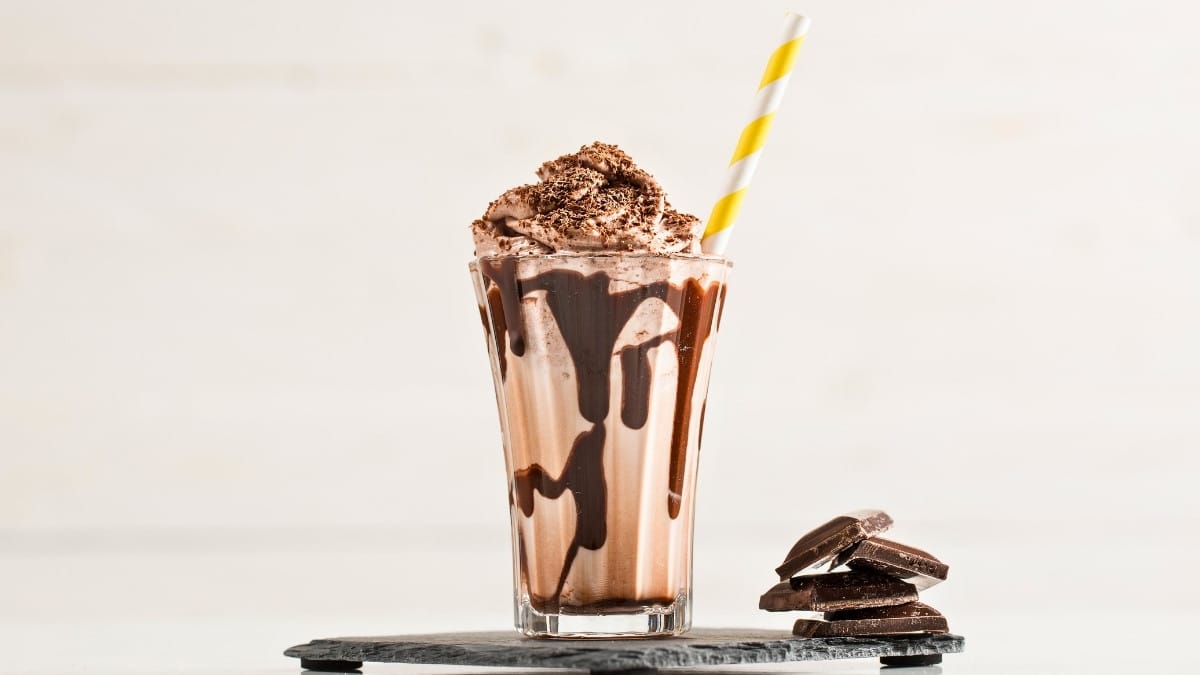
Chocolate milk sounds like a treat, not a recovery food. But a systematic review published in the European Journal of Clinical Nutrition found it works as a real recovery drink, not just a fun one.
It has that same protein to carb ratio researchers like. The protein helps repair muscle. The sugar helps refill your energy stores. And milk naturally has electrolytes you lose through sweat.
This is an easy one to try. After a workout, pour a glass of low-fat chocolate milk instead of reaching for a sports drink. It costs less, and it’s already in your fridge.
You don’t need anything fancy to support muscle recovery. Some of the best muscle recovery foods are sitting in your kitchen right now, waiting for you to use them at the right time.
Summary
Protein timing, a few key foods like cherries and sweet potatoes, and easy swaps like dairy cover most of what real research supports. Pick two or three muscle recovery foods to add this week. Don’t try to change everything at once.