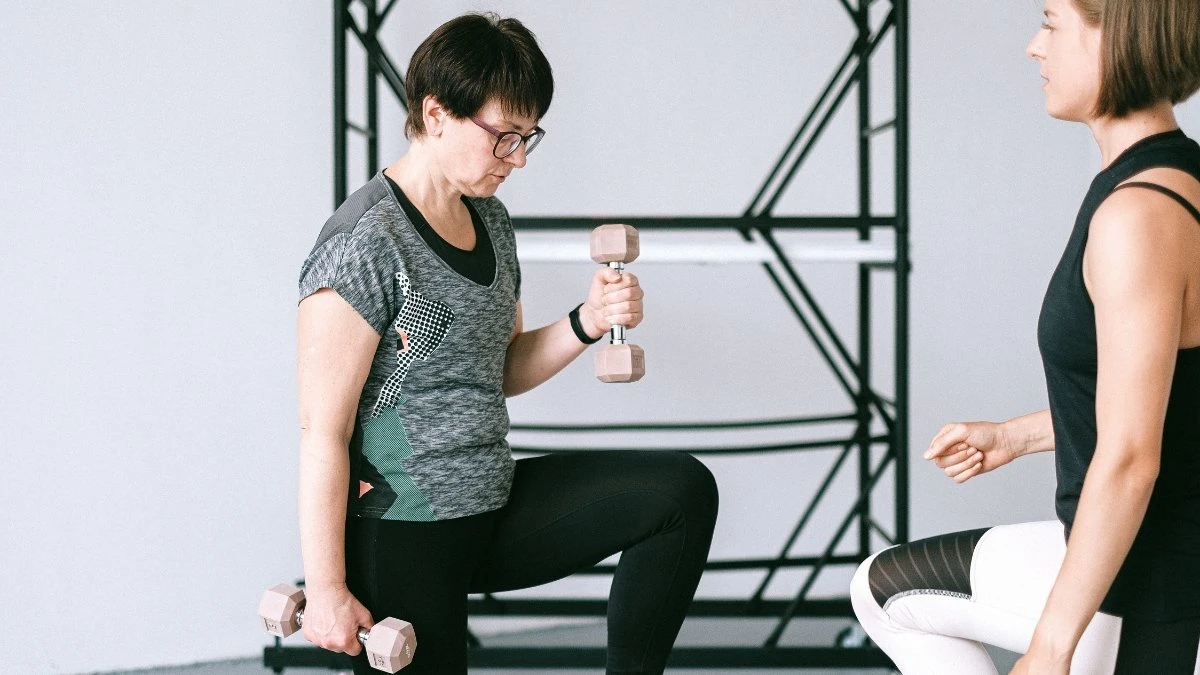
Two women receive the same bone density result on the same day. One hears, “Start lifting heavy.” The other hears, “Keep it gentle and avoid bending.” Both advisers know their field. Both can be right. That conflict leaves many people unsure whether to move at all.
What separates the two women is their fracture history and their risk of falling. I often advise people to answer two questions before they choose exercises for osteoporosis.
Your answers point to one of three tiers. Each tier has its own starting point, its own safety limits, and its own body of evidence. This guide shows you which tier fits you and what to do next.
Your T-Score Is Only Part of the Picture
A bone breaks when the force on it exceeds its strength. Most often, that force comes from a fall. A 2019 review by Robin Daly and colleagues in the Brazilian Journal of Physical Therapy supports this view.
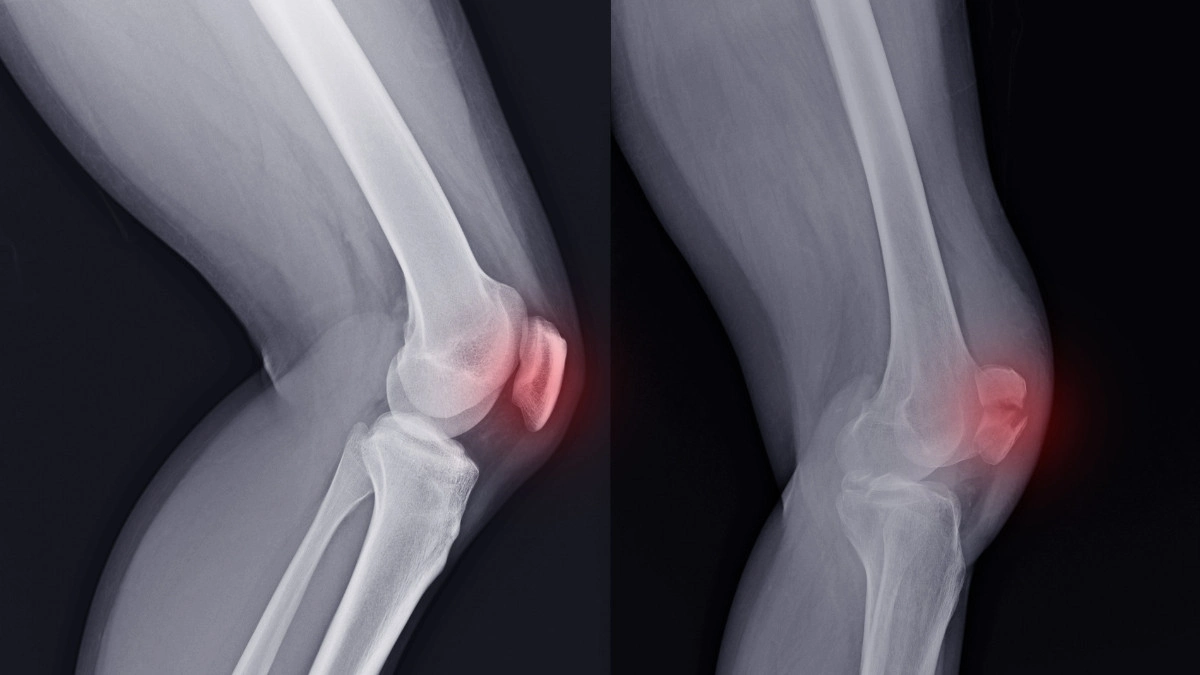
Two things set your risk: how strong your bones are and how likely you are to fall. Bone drugs target the first. The same review notes that drugs do not improve muscle strength, power, or function. The authors add that targeted exercise is the only strategy that can improve several of these risk factors at once.
That is why I ask two questions. Have you had a fracture from a minor fall or bump? Have you fallen, or felt unsteady, in the past year?
Your answers point to one of three tiers:
- Tier 1: No fractures and low fall risk.
- Tier 2: Higher fall risk.
- Tier 3: A spine (vertebral) fracture, or several fractures from minor falls or bumps.
These tiers are a teaching tool, not a formal medical label. They overlap. If you sit between two, start with the more cautious one and ask your clinician. A single non-spine fracture also sits between tiers, so ask where you fit. Let us start with the group that has the most freedom.
Tier 1: No Fractures and Low Fall Risk, So Load Your Bones
Note: Please check with your doctor or physiotherapist before you try any exercise in the sections below.
Room to Challenge Your Bones
No fractures and steady balance
Most Room to Challenge
If you have had no fractures and your balance is steady, you have the most room to challenge your bones.
What the Statement Recommends
The 2022 UK consensus statement in the British Journal of Sports Medicine recommends resistance and impact exercise to build bone strength.
Little Evidence of Harm
Its authors found little evidence that physical activity causes significant harm.
Bone responds best to large forces applied quickly, according to the 2018 LIFTMOR report. Heavy lifting and impact create those forces. Gentle activity creates far less.
Osteoporosis Canada’s patient guide to the Too Fit to Fracture recommendations gives a starting dose for people with no spine fracture. Lift weights about twice a week, using 8 to 12 repetitions per set. Add 15 to 20 minutes of balance practice each day.
Heavier work has support too. In the 2018 LIFTMOR trial, Steven Watson and colleagues tested 101 postmenopausal women with low bone mass. Twice a week for eight months, women in one group did heavy lifting and impact moves in 30-minute supervised sessions.
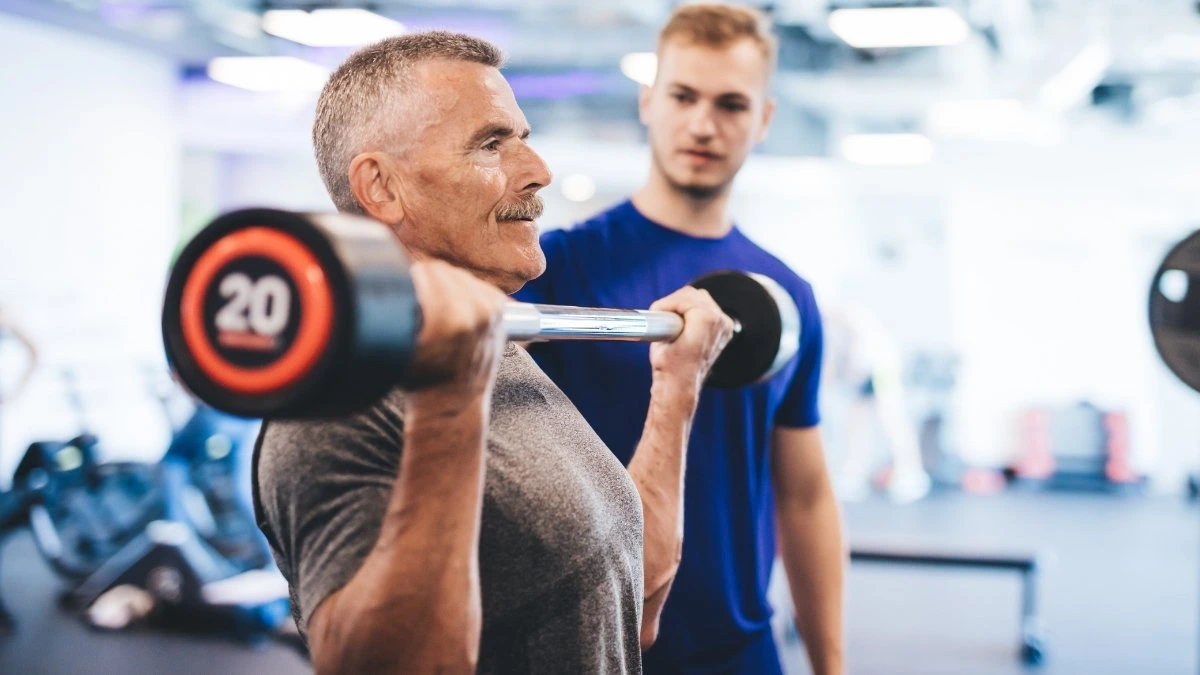
Their spine and femoral neck bone density improved. The femoral neck is the top of the thigh bone. The comparison group did gentle home exercise and lost density or changed little. Only one minor problem occurred: a back spasm.
Read this result with care. Researchers screened the women, who were otherwise healthy, and supervised every session. A 2023 position statement from two Korean societies for bone research and exercise physiology points the same way. It finds that mixed exercise programs, mainly resistance and impact, help lower osteoporosis risk factors. Start with a trained professional, not a barbell alone.
Even stronger bones can break in a bad fall. That is why the next group starts somewhere else.
Tier 2: Higher Fall Risk, So Balance and Strength Come First
In my conversations with adults in their late 60s, one pattern repeats. They walk every day and feel fit. Then they catch a toe on a curb and fall. Walking keeps them active, but the evidence on walking alone is unclear.
Falls sit behind most hip fractures. Osteoporosis Canada reported in 2014 that falls cause 63 to 83 percent of hip and other non-spine fractures. They also cause about 45 percent of spine fractures.
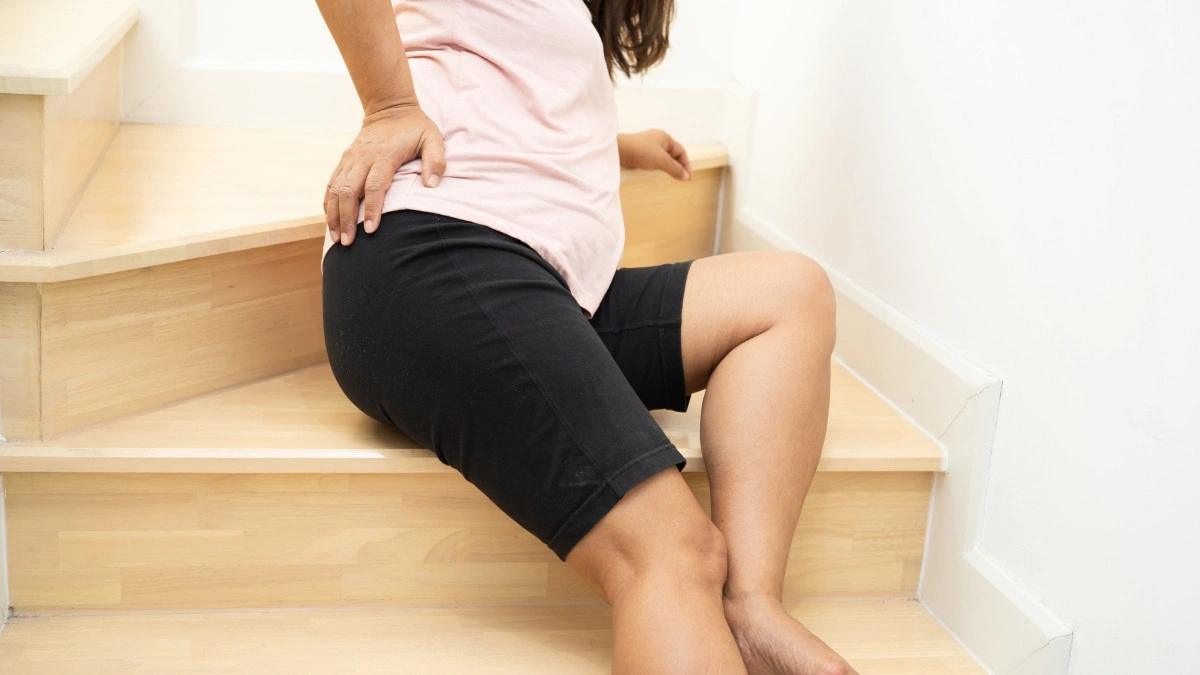
A 2019 Cochrane review by Cathie Sherrington and colleagues pooled 59 trials and 12,981 older adults living in the community. Exercise cut the rate of falls by 23 percent. This is high-certainty evidence.
The type of exercise mattered. Balance and functional exercises cut the rate of falls by 24 percent. Programs that mixed balance and functional work with resistance training probably cut it by 34 percent. Tai Chi may cut it by 19 percent, but that evidence is less certain. The review was unsure about walking, dance, or resistance training alone.
The review also found that exercise may cut the number of people with fall-related fractures by about 27 percent. That evidence has low certainty. The 2022 UK consensus statement adds that people at risk of falls should start with targeted strength and balance training.
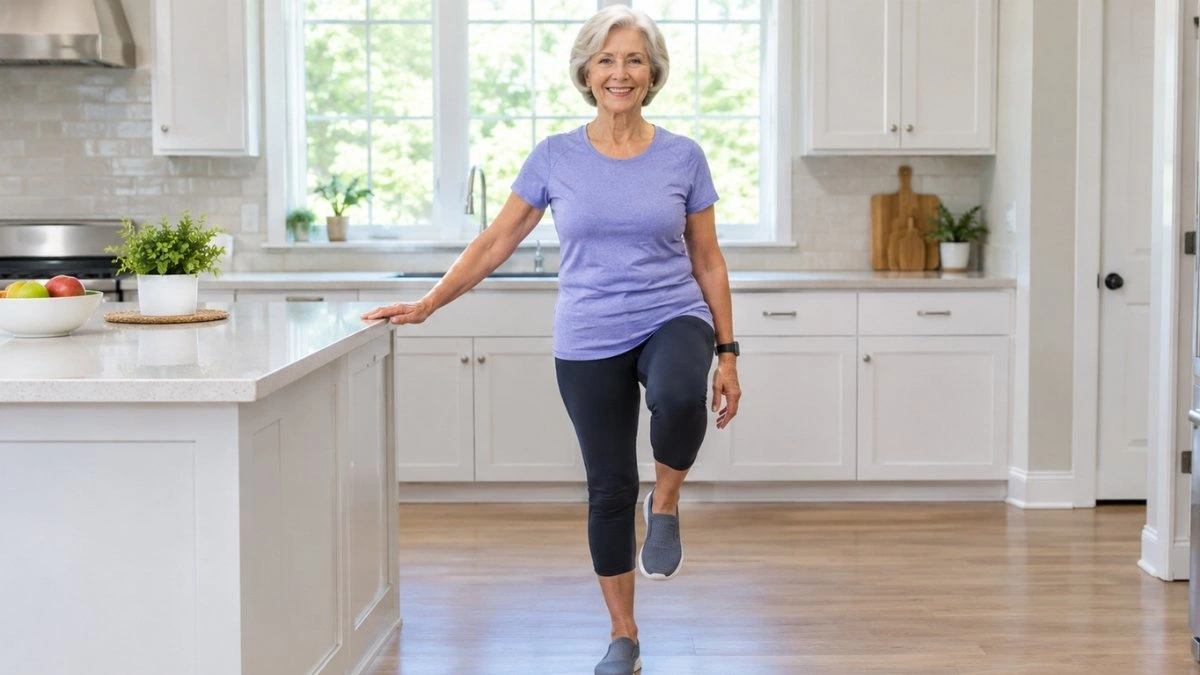
So make balance hard on purpose. The Too Fit to Fracture panel advises choosing balance exercises that reduce your base of support and gradually reduce contact with support objects. Try feet together, or one foot raised, beside a kitchen counter. Practice most days, and let go of the counter step by step. Ask your therapist to add leg strength work too.
Balance work helps everyone in this guide. But a spine fracture changes the plan again.
Tier 3: Vertebral or Multiple Fractures, So Protect the Spine and Build Gently
Many people tell me they stopped moving after a spine fracture. They fear a second one. That fear makes sense. The 2019 Daly review reports that the risk of another fracture more than doubles within 6 to 12 months. That risk calls for guided exercise.
The 2022 UK consensus statement sets limits for this tier. It advises most people with a spine fracture or several fractures from minor falls to limit impact to brisk walking. It also advises against deep forward bending of the spine in exercise and daily life. Doctors call this spinal flexion. Sit-ups and toe touches are two examples.
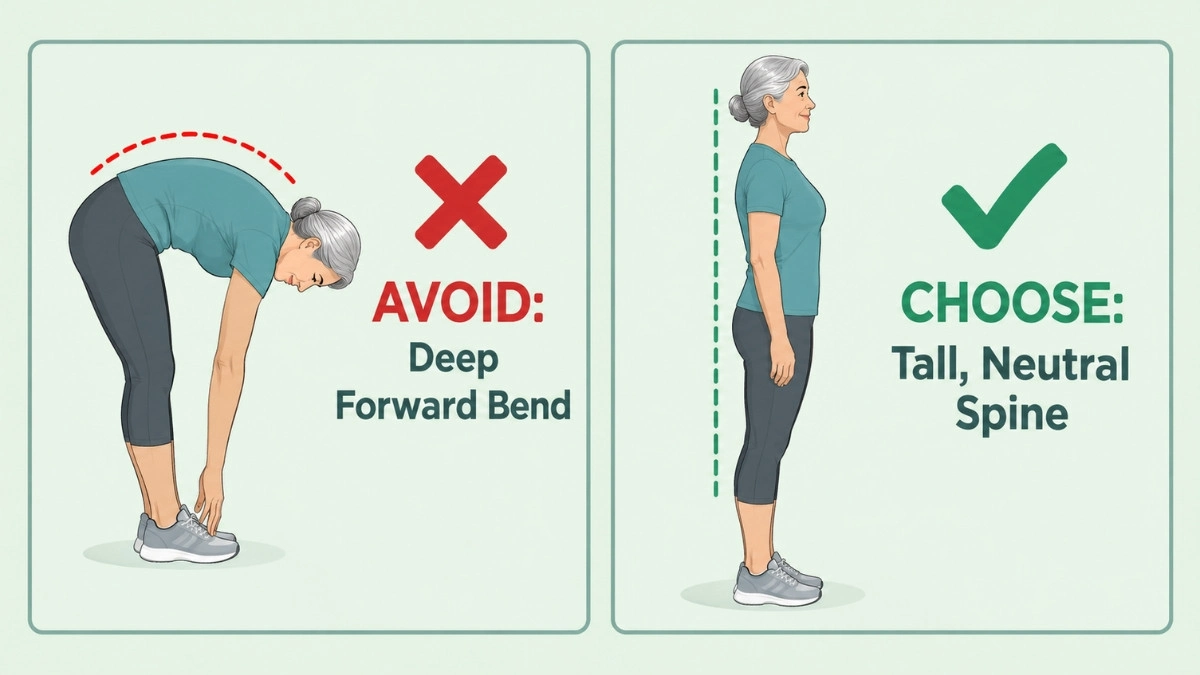
The statement also backs spinal extension exercise, which strengthens your back muscles. This can improve posture and may lower the risk of falls and spine fractures.
Too Fit to Fracture advises people with a spine fracture to consult a physical therapist. Its panel prefers moderate aerobic activity to intense activity after such a fracture. Osteoporosis Canada’s patient guide adds a simple rule: focus on form and alignment, not on how hard you work.
In a 2016 letter in Osteoporosis International, the Too Fit to Fracture authors clarified their view on strength work. They added that if a physical therapist or exercise professional is not available, people at high fracture risk should use body weight or exercise bands for safety.
Exercise Can Ease Spine Fracture Symptoms
Ideally with specialist advice
Easing Symptoms
Exercise can also ease spine fracture symptoms.
What It May Do
The UK consensus statement says it may reduce pain, improve mobility, and raise quality of life.
Ideally Guided
Ideally with specialist advice.
I often suggest one small habit, once a therapist approves it. Stand tall with your back near a wall for one minute each day. Keep your chin level and your ribs relaxed.
Balance work from Tier 2 still helps you. Now for a safe start.
Before You Start: Safety Checks and Who to Ask
Note: This article offers general education. It does not replace advice from your doctor or physiotherapist.
Bring four things to your first visit:
- Your latest bone density (DXA) result
- Any past fractures, plus any height loss or sudden back pain
- Any falls or near-falls in the past year
- Your current medicines, including bone drugs
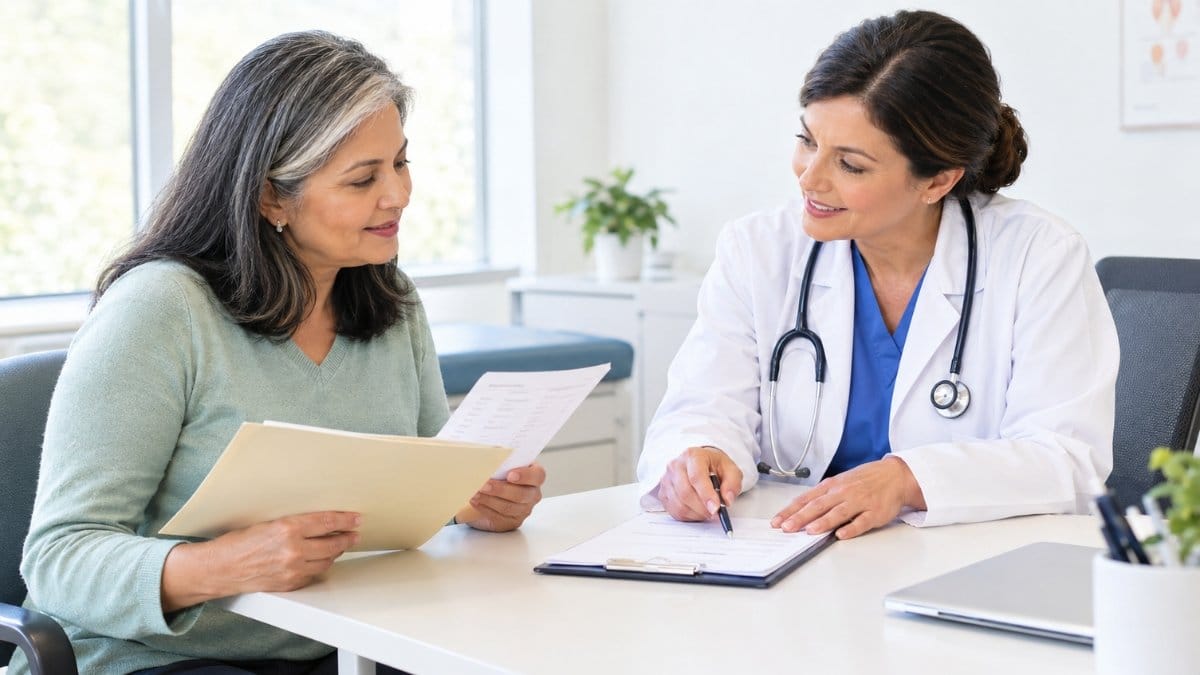
Ask for a physiotherapist or exercise professional who knows osteoporosis. Osteoporosis Canada advises people at high fracture risk to consider a physical therapist with osteoporosis expertise.
Go at a steady pace. Add one new exercise at a time. Raise the weight in small steps. Keep taking any bone medicine your doctor prescribed. The Daly review shows that drugs and exercise tackle different risk factors, so they work as partners.
I tell people to call their doctor soon if they notice new back pain. Do the same after any fall that causes injury.
Fear of breaking a bone should not keep you still. This week, book one appointment and ask your clinician which tier fits you. That single conversation gives your plan a safe starting line. Your bones can still respond to the right kind of effort, and you have more say in this than you may think.
References
- Brooke-Wavell K, et al. Strong, steady and straight: UK consensus statement on physical activity and exercise for osteoporosis. British Journal of Sports Medicine, 2022. https://pubmed.ncbi.nlm.nih.gov/35577538/
- Watson SL, et al. High-intensity resistance and impact training improves bone mineral density and physical function in postmenopausal women with osteopenia and osteoporosis: the LIFTMOR randomized controlled trial. Journal of Bone and Mineral Research, 2018. https://academic.oup.com/jbmr/article-abstract/33/2/211/7605709
- Sherrington C, et al. Exercise for preventing falls in older people living in the community. Cochrane Database of Systematic Reviews, 2019. https://pubmed.ncbi.nlm.nih.gov/30703272/
- Giangregorio LM, et al. Too Fit to Fracture: exercise recommendations for individuals with osteoporosis or osteoporotic vertebral fracture. Osteoporosis International, 2014. https://pubmed.ncbi.nlm.nih.gov/24281053/ and https://pmc.ncbi.nlm.nih.gov/articles/PMC5112023/
- Osteoporosis Canada. Too Fit to Fracture patient guide. https://osteoporosis.ca/wp-content/uploads/2014-07-25-Are-you-too-fit-to-fracture-for-patients.pdf
- Osteoporosis Canada launches new exercise recommendations (2014). https://uwaterloo.ca/kinesiology-health-sciences/news/osteoporosis-canada-launches-new-exercise-recommendations
- Daly RM, et al. Exercise for the prevention of osteoporosis in postmenopausal women: an evidence-based guide to the optimal prescription. Brazilian Journal of Physical Therapy, 2019. https://pubmed.ncbi.nlm.nih.gov/30503353/ and https://pmc.ncbi.nlm.nih.gov/articles/PMC6429007
- Bae S, et al. Position statement: exercise guidelines for osteoporosis management and fall prevention in osteoporosis patients. Korean Society for Bone and Mineral Research and Korean Society of Exercise Physiology. Journal of Bone Metabolism, 2023. https://www.e-jbm.org/journal/view.php?number=687
- Giangregorio LM, Papaioannou A, Heinonen A, et al. Intensity is a subjective construct [letter]. Osteoporosis International, 2016;27:2391–2392. doi:10.1007/s00198-016-3507-9. https://www.backfitpro.com/medical-scientific-articles/2016-2017/[6]-Giangregorio,M.-(2016)-Intensity-is-a-subjective-construct-[Osteoporos.-Int.].pdf