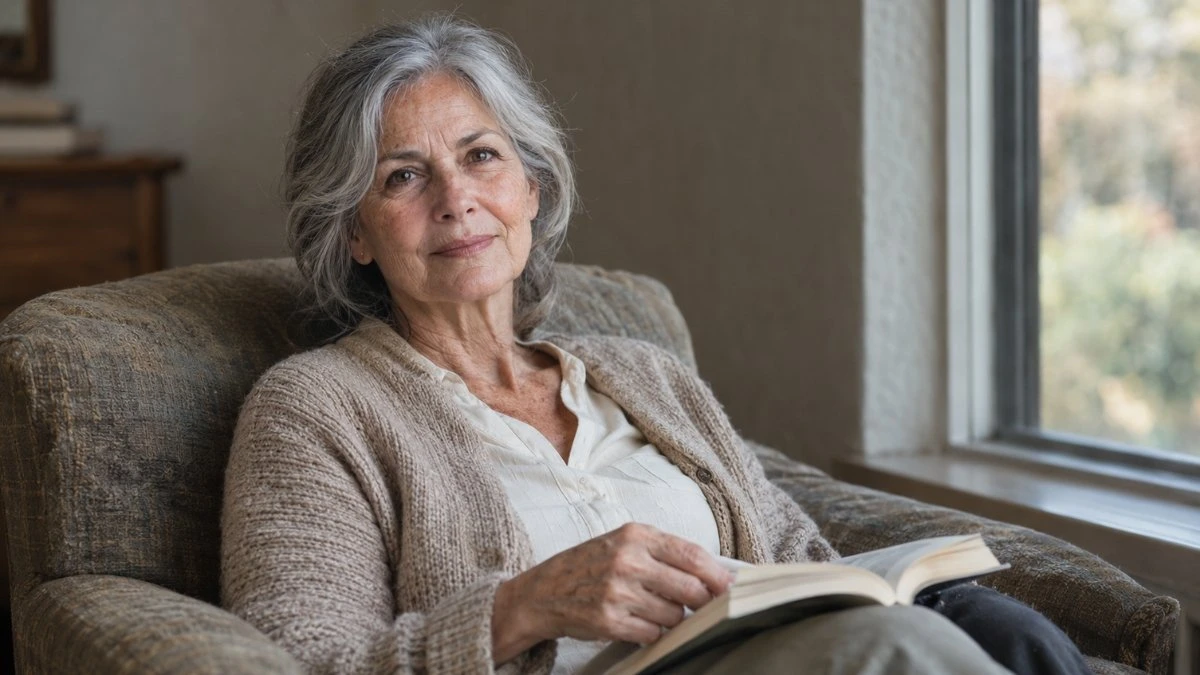
Two retired neighbors sit in quiet houses on the same Tuesday afternoon. One reads by the window, content and unhurried. The other watches the clock, waiting for a phone to ring. Both are 70. Both live alone. From the street, you could not tell them apart.
Health researchers treat these two neighbors differently. A phone call could lift the second neighbor. For the first, it might interrupt a good afternoon.
If you have wondered whether you or a parent is alone or lonely, the answer matters. The research on this gap changes what kind of help makes sense. Here is how to tell them apart, and what helps when the answer is lonely.
Three Words We Mix Up: Alone, Isolated, Lonely
Most of us use these words as if they mean the same thing. They do not. Researchers use each one for a different state, and the difference changes what you should do about it.
Isolation, Loneliness and Solitude
Three different states.
Social Isolation
Social isolation is a count. It means few contacts and few people to turn to.
A 2020 National Academies report found that about 1 in 4 community-dwelling Americans aged 65 and older (24%) are socially isolated.
Loneliness
Loneliness is a feeling. The National Institute on Aging describes it as emotional pain about being cut off from others.
You can feel it in a crowded room or a busy supermarket.
Solitude
Solitude is time alone that you choose.
This third state matters because it explains why two people in the same quiet house can feel so different.
These states mix and match. A person can live alone and feel fine. A person with a full social calendar can still feel lonely. A 2020 report from the National Academies of Sciences, Engineering, and Medicine acknowledges that measuring these states is hard. Use the labels as rough guides.
The National Institute on Aging lists things that raise your risk of isolation and loneliness. They include living alone, caring for someone, a major loss, and trouble hearing. Hearing trouble can make group talk hard to follow, so some people pull back. Once you can name your state, the next question is why researchers care so much about it.
Why the Difference Shows Up in Health Research
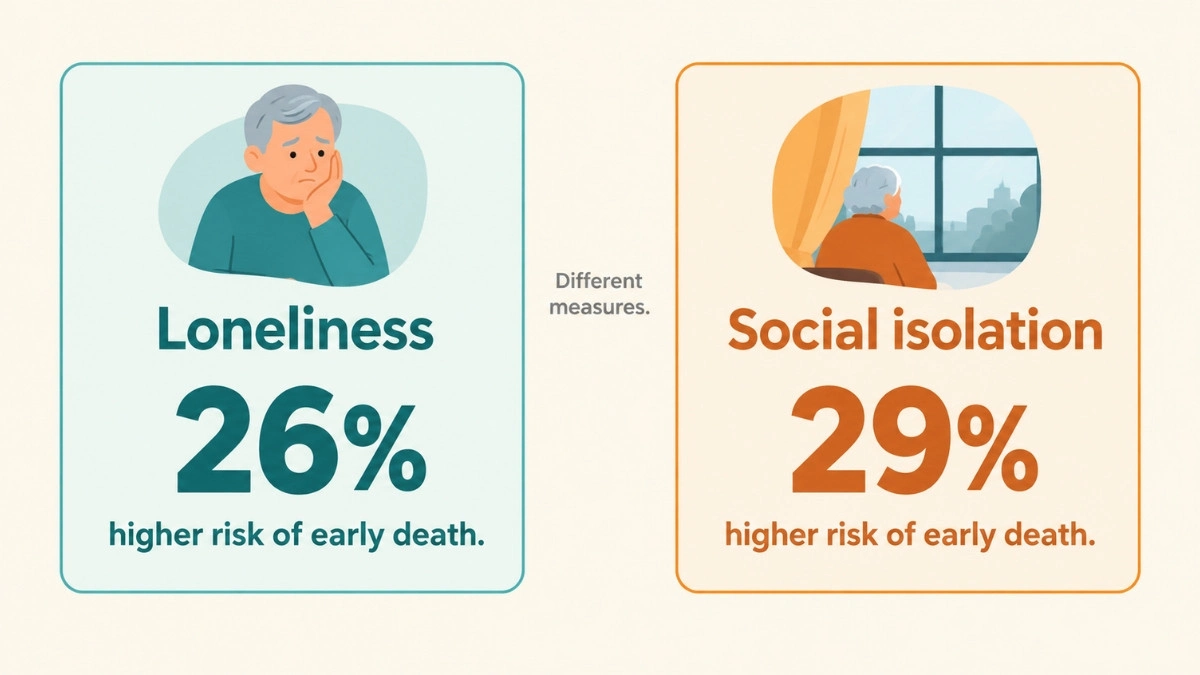
In 2023, the U.S. Surgeon General issued an advisory on loneliness and isolation. It linked loneliness to a 26% higher risk of early death and social isolation to a 29% higher risk. The two figures come from different measures, so they do not add up. The advisory also tied loneliness to heart disease, dementia, and stroke.
The 2020 National Academies report on older adults added more figures. It linked social isolation to about a 50% higher risk of dementia. It also linked poor social relationships to a 29% higher risk of heart disease and a 32% higher risk of stroke.
Read these numbers with care. They show association, not proof of cause. I add one caution of my own: illness can also lead to withdrawal, so the link may run both ways. These are group averages. They cannot forecast your own health.
The National Institute on Aging also links both states to depression, high blood pressure, and a weaker immune system. The list reads like a warning. Now notice what these figures track. They track isolation and loneliness. They do not show that chosen time alone carries the same risk. That gap is where the good news sits.
I suggest a simple test this week. Each evening, write down two things: who you spoke with, and how you felt about your day. By Sunday, your notes will show whether you are isolated, lonely, both, or neither. If your notes show calm days alone, the next section explains why that can be healthy.
When Being Alone Is Actually Good for You

Time alone does not always signal a problem. A 2021 study in Frontiers in Psychology by Netta Weinstein and colleagues gathered written accounts of solitude. The 2,035 participants lived in the United Kingdom and ranged from teens to older adults.
They wrote during the early days of the COVID-19 pandemic, an unusual time. Older adults reported feeling the most peaceful in solitude.
A 2022 study in Innovation in Aging surveyed 486 Japanese older adults in two separate samples. Toyoshima and Kusumi found that enjoying solitude and staying productive when alone went with steadier well-being. The effects were small.
Researchers use the term positive solitude for chosen time alone that you spend on meaningful activity. A 2023 conference abstract in Innovation in Aging described 520 Israeli adults aged 68 to 87. Higher positive solitude weakened the link between loneliness and depressive symptoms. The data came from one survey, so treat it as a hint.
Solitude has limits. Toyoshima and Kusumi also found that a taste for solitude can go hand in hand with loneliness. Some people may withdraw because relationships hurt or tire them. So check how your time alone leaves you.
I built this composite from common patterns, not from one real person. A retired teacher gardens each morning and does crosswords each afternoon. She sees her sister every Sunday. Her quiet days leave her calm.
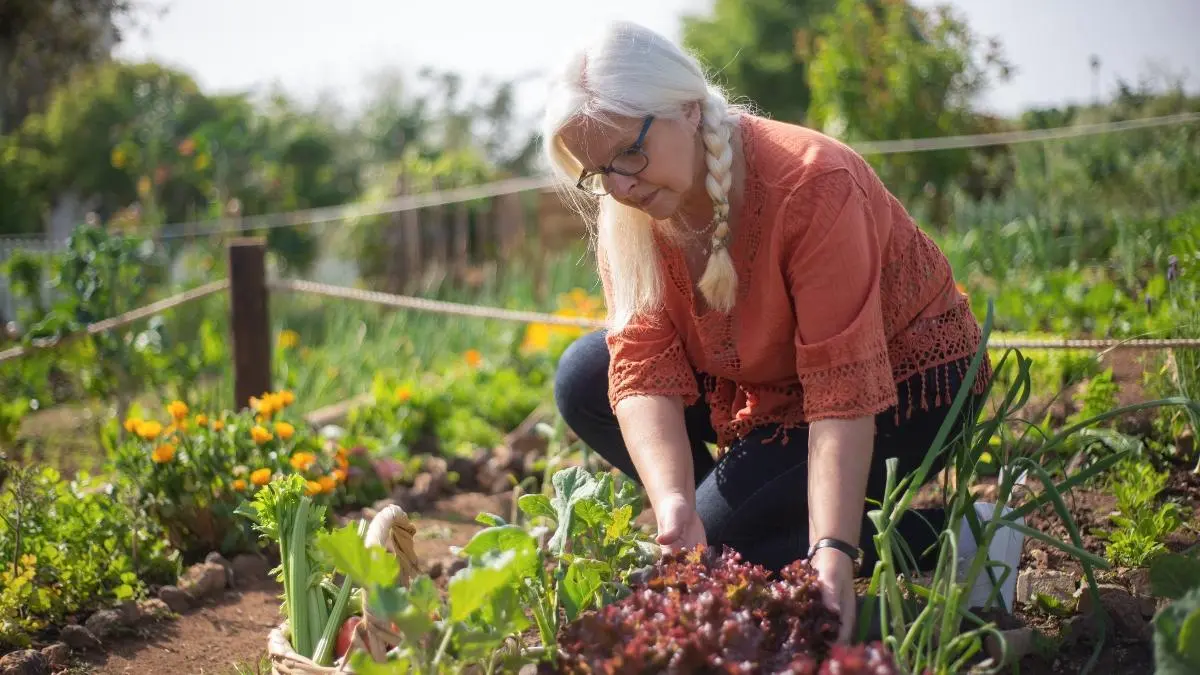
Her son worries and urges her to join a club. Her calm is a good sign that she is not lonely.
After any stretch alone, ask yourself one question. Do I feel restored or empty? Restored suggests healthy solitude. Empty suggests loneliness. This is my own rule of thumb, so treat it as a prompt for reflection. If the answer is empty, the next section offers ways to help.
What Helps, and When to Ask for More Support
Note: If you have an existing health condition or take medication, speak with your doctor before changing your exercise or daily routine.
A 2025 meta-analysis in Frontiers in Aging pooled randomized trials of social support programs for older adults living at home. On average, they reduced loneliness. Results varied a lot between trials, so the size of your own benefit is hard to predict.
A 2025 meta-analysis in Age and Ageing looked at reminiscence therapy. In this therapy, people share memories and life stories, often in a group. The analysis covered 22 studies, including 14 randomized trials with 1,039 people. It found less loneliness afterward. Group formats and professional facilitators gave better results.

I built this second composite the same way. A 71-year-old man loses his wife and stops answering the phone. His daughter signs him up for a memory-sharing group at a community center. He goes once, unsure. By the third week, he brings old photos.
I think the format works because memories give strangers an easy topic. No one has to invent small talk.
The National Institute on Aging suggests several simple steps. Pick one and put it on your calendar.
- Try an activity you enjoy, or learn something new.
- Volunteer to help others.
- Exercise to ease stress and lift your mood.
- Stay in touch with family, friends, and neighbors by visit, video, or phone.
- Consider adopting a pet if you can care for one.
Match your effort to how deep the loneliness runs. A 2025 meta-analysis in the European Journal of Investigation in Health, Psychology and Education covered 16 randomized trials in adults. People with higher starting loneliness gained more.
For severe loneliness, the authors call for targeted treatment such as cognitive behavioral therapy (CBT) .Among approaches tested in several studies, CBT showed the largest effect. The gains were no longer clear at follow-up, so steady habits matter.

Technology deserves a cautious look. A 2025 conference abstract by Yu-Ping Chang and colleagues described a meta-analysis of randomized trials of tech-based programs. They found a small drop in loneliness from tools such as apps and robotic assistants.
The confidence range was wide, so call the result promising. Treat video calls as a bridge to people and one part of a bigger plan.
Seek help if loneliness lasts for weeks or comes with low mood, hopelessness, or poor sleep. The National Academies’ 2020 report links loneliness to higher rates of depression and anxiety. Talk with your doctor or a mental health professional, and ask for a hearing check too.
If you ever think about harming yourself, call your local emergency number or a crisis line right away. In the United States, call or text 988.
Final Thought
You now have a way to tell a peaceful afternoon from a hollow one. This week, send one short message to someone you have not heard from in a while. Something as simple as “I thought of you today” is enough.
Connection grows from small, steady moves like that. Whichever kind of quiet you live with, you deserve days that feel full.
References
- National Institute on Aging, https://www.nia.nih.gov/health/loneliness-and-social-isolation/loneliness-and-social-isolation-tips-staying-connected
- Office of the U.S. Surgeon General, Our Epidemic of Loneliness and Isolation (2023)
- National Academies of Sciences, Engineering, and Medicine, https://www.nationalacademies.org/read/25663/chapter/3
- Weinstein, Nguyen & Hansen (2021), What Time Alone Offers: Narratives of Solitude From Adolescence to Older Adulthood, Frontiers in Psychology
- Toyoshima & Kusumi (2022), Examining the Relationship Between Preference for Solitude and Subjective Well-Being Among Japanese Older Adults, Innovation in Aging
- https://academic.oup.com/innovateage/article/7/Supplement_1/318/7488546 (2023), Innovation in Aging conference abstract
- Huang et al. (2025), The effectiveness of social support interventions on loneliness among older people in the community, Frontiers in Aging
- Yang et al. (2025), Effects of reminiscence therapy for loneliness in older adults, Age and Ageing
- Loneliness as a Public Health Challenge: A Systematic Review and Meta-Analysis to Inform Policy and Practice (2025), European Journal of Investigation in Health, Psychology and Education 15(7):131
- Chang et al. (2025), The Impact of Technology-Assisted Interventions on Loneliness in Older Adults: A Meta-Analysis, Innovation in Aging conference abstract