
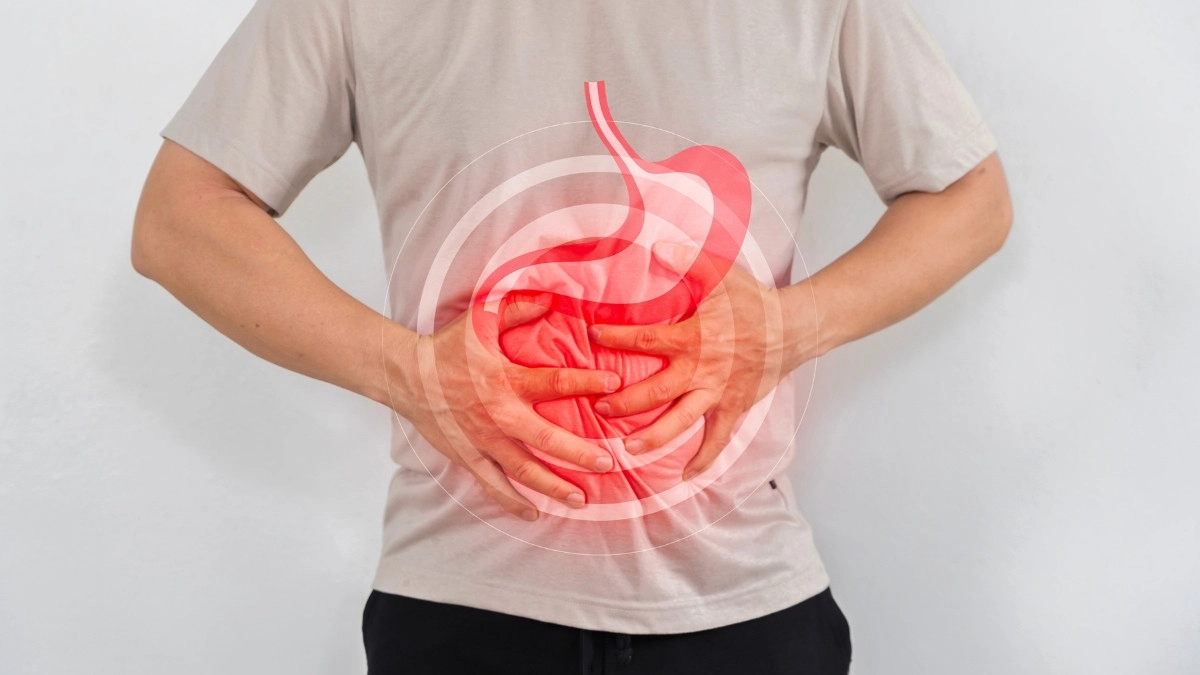
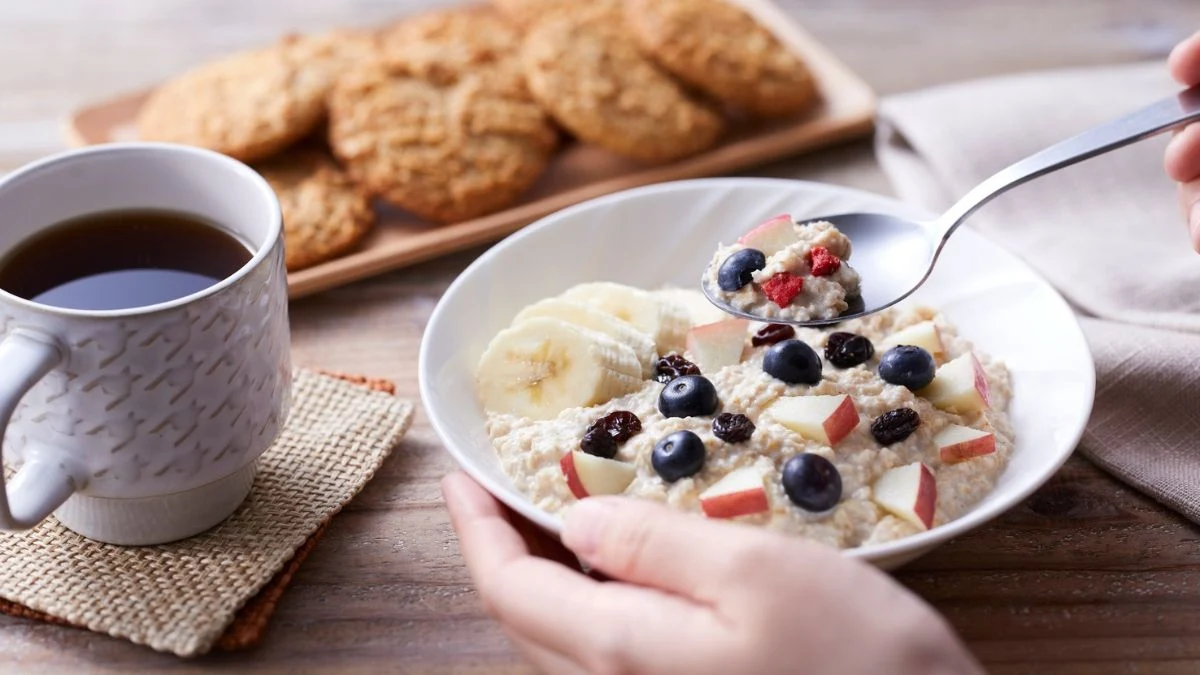
You added oat bran to your breakfast. You drink more water than anyone you know. Still, the bathroom visits stay hard and slow. That mix of effort and no relief wears people down. Many adults in their fifties and sixties tell me this same story, and it is not your fault.
A 2025 guideline from the British Dietetic Association reviewed 75 randomized trials of foods, drinks, and supplements for constipation. Its answer surprised me. A general high-fiber diet did not earn a recommendation. Instead, the guideline names specific foods, drinks, and supplements, with amounts.
Two of the six picks are supplements, and I will flag them. Below, I will show you what the evidence supports and how to try it.
Why Fiber Alone Often Falls Short
A general high-fiber diet lacks strong trial support for constipation. The BDA guideline found too little evidence to recommend it. According to its abstract on PubMed, the authors made no whole-diet recommendations at all.
Fiber still matters for your health, and older advice still puts it first. NIDDK, part of the National Institutes of Health, says adults need 22 to 34 grams a day. The amount depends on age and sex. Older adults sometimes fall short.
The evidence behind the new picks is modest. Of the guideline’s 59 statements, 12 rest on very low evidence, 39 on low evidence, and 8 on moderate evidence. That is why I call these picks helpful, and I avoid the word proven.
You Are Far From Alone
Who the Advice Fits
The advice fits healthy adults with chronic constipation of unknown cause, CNN reports.
Pregnancy or nerve disease may call for a different plan.
Worldwide
Chronic constipation affects about 16% of adults worldwide, HealthDay reports.
In the U.S.
Constipation leads to about 2.5 million doctor visits a year, according to the American College of Gastroenterology.
The advice fits healthy adults with chronic constipation of unknown cause, CNN reports. Pregnancy or nerve disease may call for a different plan.
You are far from alone. Chronic constipation affects about 16% of adults worldwide, HealthDay reports. In the U.S., constipation leads to about 2.5 million doctor visits a year, according to the American College of Gastroenterology.
In my conversations with adults in their late 50s, one pattern repeats. They add a lot of fiber fast, feel bloated, and give up. Specific picks with set doses give people more to work with than vague advice. Let me start with a fruit.
1- Kiwifruit: The Easiest Place to Start

Kiwifruit is the simplest food on the list. The guideline recommends 2 to 3 kiwifruit a day for at least 4 weeks, according to GPnotebook’s summary of its statements. Dimidi’s own BDA summary lists the same daily amount.
You can peel it. The guideline supports peeled kiwi, according to GPnotebook. Leaving the skin on adds fiber but may add side effects. I suggest peeled kiwi if your gut is sensitive.
Pills are a different story. News-Medical reports that kiwifruit supplements eased belly pain in the trials but did not ease constipation. Buy the whole fruit, since the supplements fell short.
The guideline also says kiwi may suit you better than psyllium if psyllium causes bloating, belly pain, or gas. Try slicing one kiwi over your oatmeal each morning. Add a second at lunch after a week. If kiwi does not appeal, an old favorite has trial support too.
2- Prunes: Old Advice That Holds Up
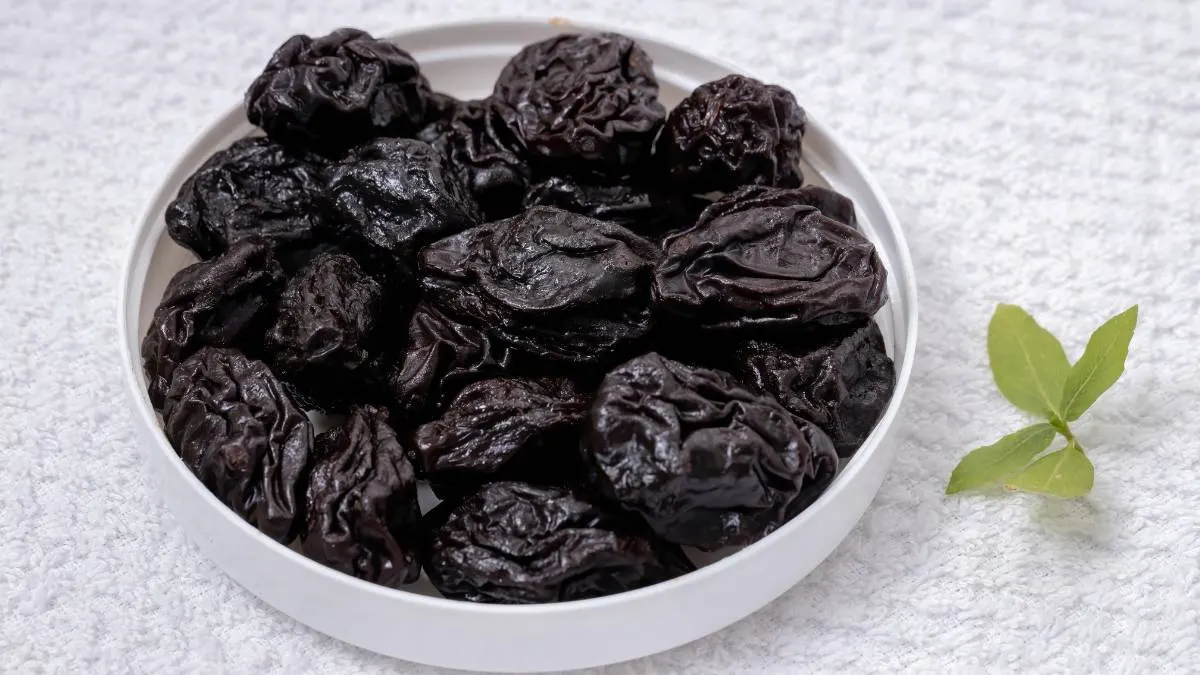
Prunes earn their reputation. The BDA’s studied amount is 8 to 10 prunes a day, per Dimidi’s BDA summary. Johns Hopkins Medicine notes that prunes hold both fiber and sorbitol, a sugar alcohol that occurs in the fruit. Your gut absorbs little of it, so water stays in the stool.
If prunes are new to you, I suggest starting with four or five. Add one or two more each week. A fast jump can cause gas and cramps. Try them beside your morning oatmeal or as an afternoon snack.
Researchers have not shown whether psyllium, a fiber supplement covered below, or prunes work better, News-Medical reports. Choose the one that fits your routine. Next comes a staple food that works, with a catch.
3- Rye Bread: Helpful, but Be Realistic
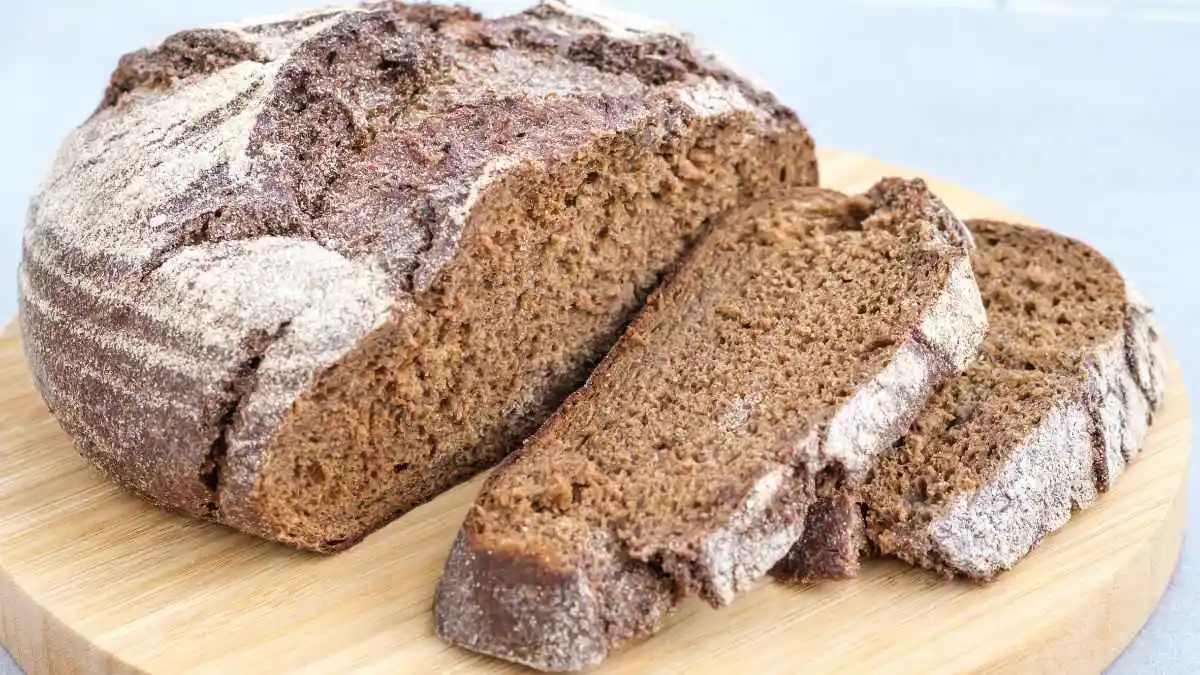
Rye bread has trial support too. The guideline recommends 6 to 8 slices a day for at least 3 weeks, according to GPnotebook. Its authors admit this may not be realistic for some people. Few people can eat that much bread day after day.
News-Medical reports that rye bread may also worsen overall symptoms a little in some people. Treat it as a trial. Swap your usual bread for rye, and track your stools and bloating for three weeks. Rye contains gluten, so skip it if you have celiac disease. Stop if you feel worse.
Food is only half the picture. The guideline also looks at what you drink.
4- High Mineral Content Water: Not Just Drinking More Water

Mineral water works differently from plain water. The guideline recommends 0.5 to 1.5 liters a day of high mineral content water, per the BDA summary. Medical News Today reports that the guideline advises drinking it for 2 to 6 weeks.
Medical News Today explains that this water is high in magnesium and sulfate. Those minerals pull water into the gut and soften stool. News-Medical reports that the waters in the studies held far more minerals than ordinary UK tap water. Check the label for magnesium and sulfate.
Many adults I talk with already drink plenty of plain water. When it changes nothing, they feel stuck. This pick gives them something new to try. Some mineral waters also contain sodium, so read the sodium line if you limit salt. The last two picks are supplements, so they need extra care.
5- Psyllium: The Fiber That Earned Its Place
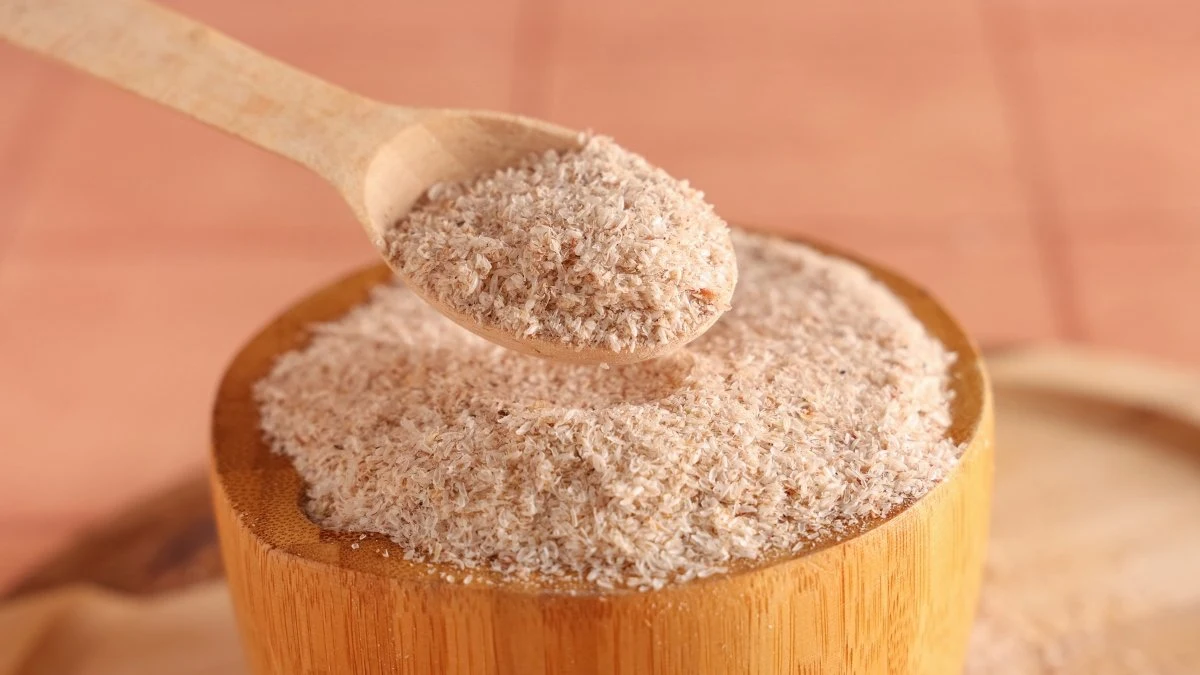
Psyllium is a fiber supplement from seed husks. The BDA supports at least 10 grams a day, per Dimidi’s summary. HealthDay reports that this amount can improve stool frequency and ease straining. The guideline advises at least 4 weeks of use, GPnotebook notes.
Start low. Many people get gas and bloating at first. The BDA says to raise the dose in small steps and to drink extra fluid with it. Take it with a full glass of water.
Other fiber supplements did not do as well. News-Medical reports no benefit for those made from polydextrose, inulin, or other fibers. Inulin-type products can also add gas, GPnotebook notes.
So fiber can help when the type and dose are right. If that still falls short, one more supplement has trial support.
Note: Magnesium is not safe for everyone. If you have kidney disease or take regular medicines, get medical advice first.
6- Magnesium Oxide: Effective, With Real Cautions
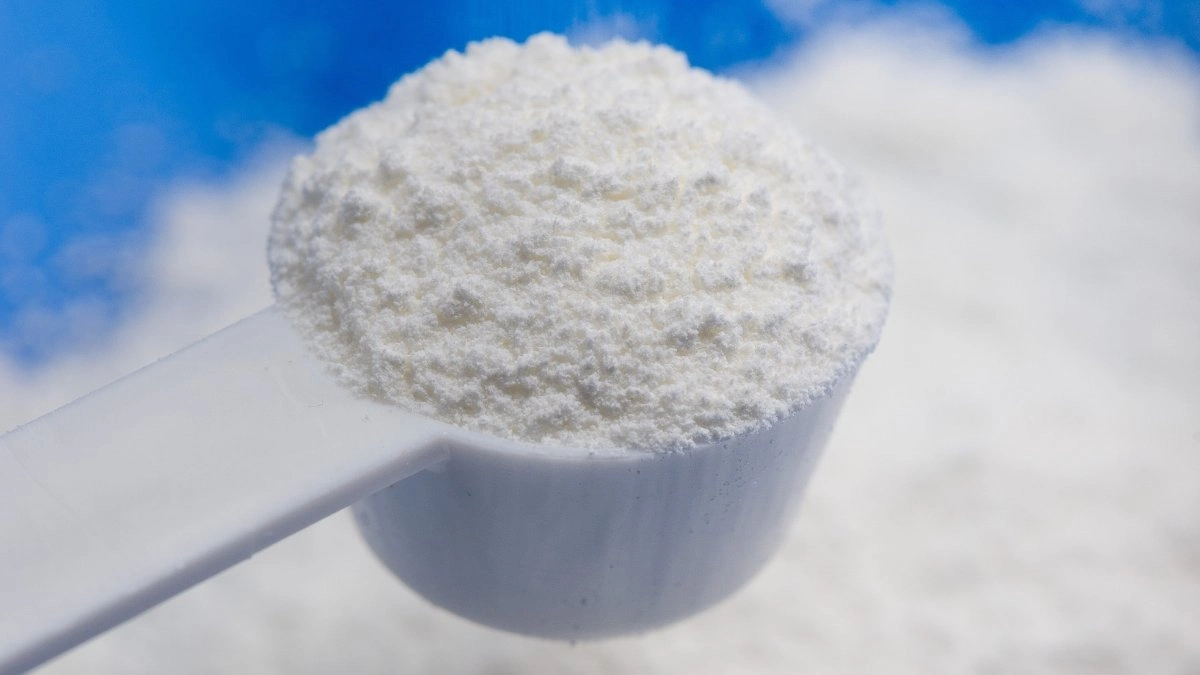
Magnesium oxide pulls water into the gut, which softens stool and helps it move. The guideline supports 0.5 to 1.5 grams a day for at least 4 weeks, per GPnotebook. Start at 0.5 grams and raise the dose in small steps only if you need to.
News-Medical reports that magnesium oxide improved stool frequency and quality of life, with few side effects. HealthDay adds that it can reduce bloating and pain.
The NIH Office of Dietary Supplements lists a U.S. upper limit of 350 milligrams of magnesium a day from supplements and medicines. It says to go above that only if a health care provider recommends it. The guideline’s higher doses may pass that limit, so work with your doctor.
That same NIH office warns that high doses can cause diarrhea, nausea, and cramping. It also says magnesium supplements can interact with some medicines. UPMC explains that weak kidneys cannot clear extra magnesium. Tell your doctor if you get loose stools.
Ask a pharmacist to check it against your medicines. Next comes a plan for putting these picks to work.
Safety First and When to Call Your Doctor
Change one thing at a time. Most picks need 3 to 4 weeks of use, according to the guideline. If you start kiwi, prunes, and psyllium together, you cannot tell what worked.
Probiotics also appear in the guideline. Dimidi’s BDA summary says some strains help and others do not, so I left them off this list.
See a doctor if you notice blood in your stool or black stools, according to Mayo Clinic. Mayo Clinic also lists belly pain that does not stop, weight loss without trying, and symptoms lasting longer than three weeks. The MSD Manual adds new or worsening severe constipation in older adults.
Dimidi also notes that the BDA General and Education Trust funded the project through a competitive award to King’s College London. I share that so you can weigh the source.

That worn-down feeling has a better answer now. This week, write down how often you go and how it feels. That page becomes your starting point for any pick you try. Relief is closer than it seems, and you do not need to rush. I am rooting for you, one small step at a time.
References
- Dimidi E, van der Schoot A, Barrett K, Farmer AD, Lomer MC, Scott SM, Whelan K. British Dietetic Association Guidelines for the Dietary Management of Chronic Constipation in Adults. Journal of Human Nutrition and Dietetics, 2025, DOI 10.1111/jhn.70133. Co-published in Neurogastroenterology & Motility, 2025, e70173. https://pubmed.ncbi.nlm.nih.gov/41081513/
- Dimidi E. The first BDA evidence-based dietary guidelines for chronic constipation in adults: from evidence to practice. British Dietetic Association, February 2026. https://www.bda.uk.com/resource/the-first-bda-evidence-based-dietary-guidelines-for-chronic-constipation-in-adults-from-evidence-to-practice.html
- National Institute of Diabetes and Digestive and Kidney Diseases (NIDDK). Eating, Diet, & Nutrition for Constipation. https://www.niddk.nih.gov/health-information/digestive-diseases/constipation/eating-diet-nutrition
- Johns Hopkins Medicine. Foods for Constipation. https://www.hopkinsmedicine.org/health/wellness-and-prevention/foods-for-constipation
- NIH Office of Dietary Supplements. Magnesium: Fact Sheet for Consumers. https://ods.od.nih.gov/factsheets/Magnesium-Consumer/
- Mayo Clinic. Constipation: Symptoms and Causes. https://www.mayoclinic.org/diseases-conditions/constipation/symptoms-causes/syc-20354253
- MSD Manual Consumer Version. Constipation in Adults. https://www.msdmanuals.com/home/digestive-disorders/symptoms-of-digestive-disorders/constipation-in-adults
- UPMC HealthBeat. Can Magnesium Help You Sleep? https://www.upmc.com/healthbeat/sleep-health/can-magnesium-help-you-sleep
- GPnotebook. Dietary and lifestyle advice in management of constipation. https://gpnotebook.com/pages/gastroenterology/dietary-and-lifestyle-advice-in-management-of-constipation?switchLocale=en
- CNN (via ABC17 News). Kiwis may be key to alleviating chronic constipation. https://kvia.com/health/cnn-health/2025/10/20/eating-2-to-3-kiwis-a-day-can-relieve-chronic-constipation-according-to-new-dietary-guidelines/
- HealthDay. Need a Little Help Going? Science Says Grab a Kiwi. https://www.powershealth.org/about-us/newsroom/health-library/2025/10/16/need-a-little-help-going-science-says-grab-a-kiwi
- News-Medical. Which foods and supplements really ease chronic constipation? https://www.news-medical.net/news/20251016/Which-foods-and-supplements-really-ease-chronic-constipation.aspx
- Medical News Today. Chronic constipation: Kiwi, mineral water may be best for providing relief. https://www.medicalnewstoday.com/amp/articles/chronic-constipation-kiwi-mineral-water-may-be-best-for-providing-relief