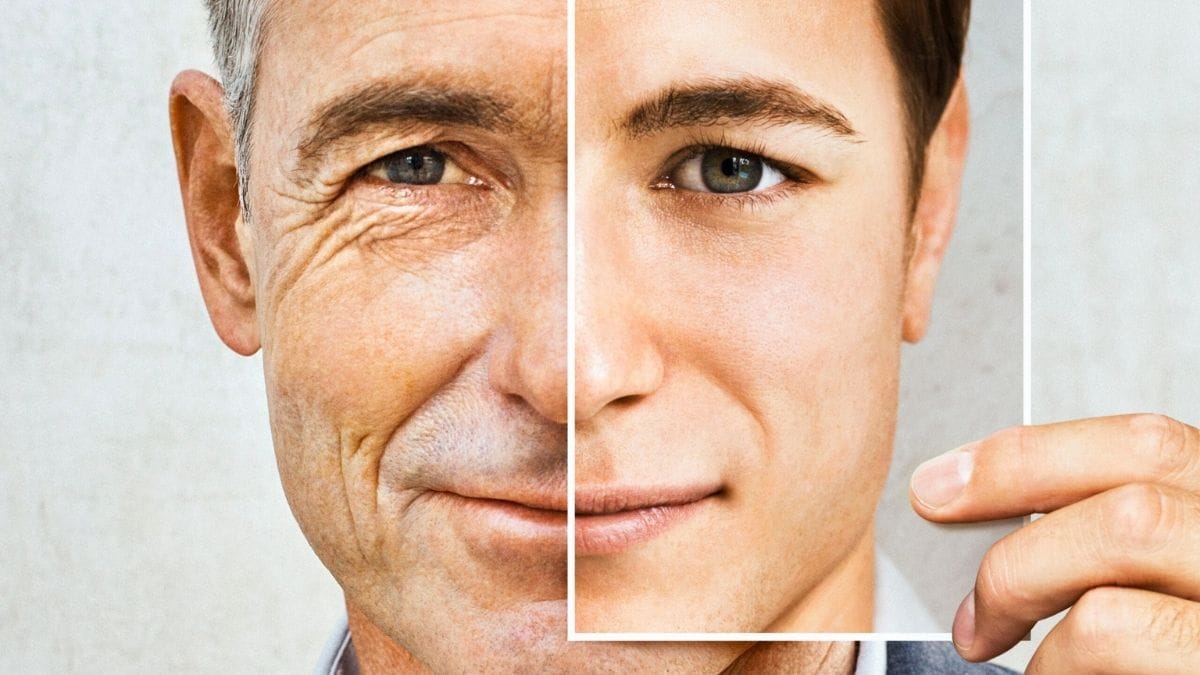
Two people can share the same birthday but age very differently. And here’s why that matters. Aging is not steady. Your body changes at different speeds over time.
Experts like World Health Organization say aging comes from damage that builds up in your cells. Research from Stanford Medicine shows big changes often happen in your 40s and 60s.
This article will show you why some people age faster, what science says today, and what simple habits can help you age better.
What “Ageing Faster” Really Means: Biological Age vs Chronological Age
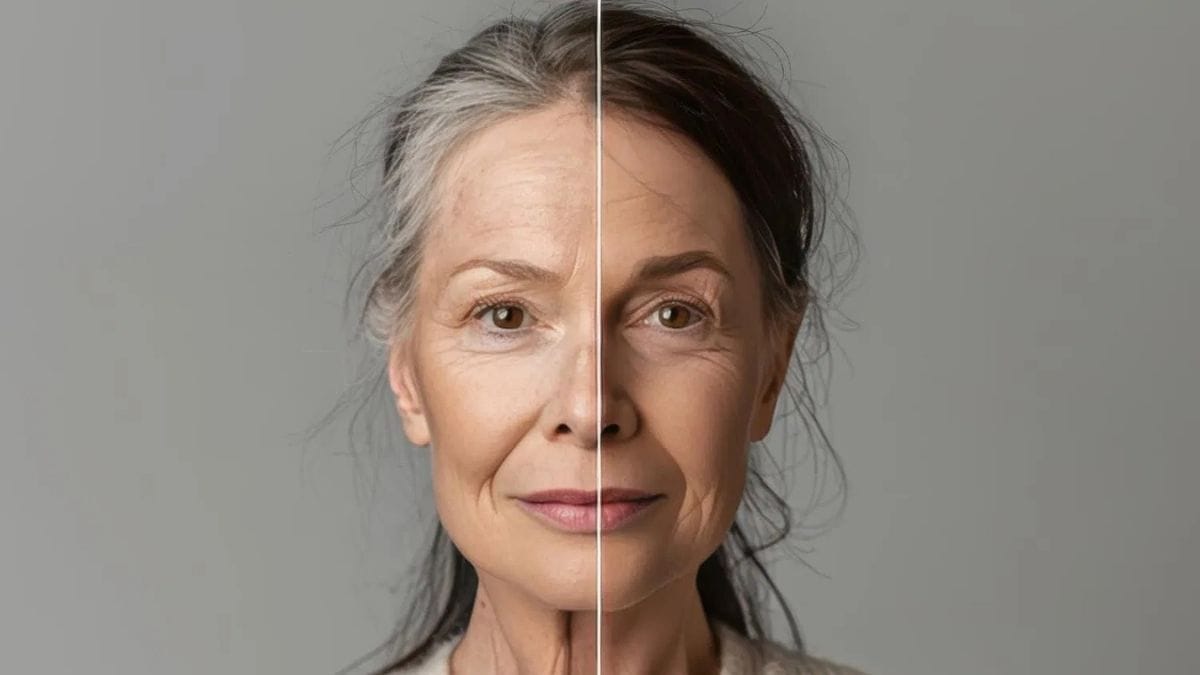
Your chronological age is simple. It’s how many birthdays you’ve had. Your biological age is different. It shows how your body is actually doing inside. And sometimes, those two numbers don’t match.
Scientists use tools called epigenetic clocks to estimate biological age. National Institute on Aging says these tools track changes in your DNA that happen over time. When your body looks older than your real age, it’s called age acceleration.
But here’s the truth. These tools are helpful, not perfect. They are mostly used in research, not daily health checks. Even so, they can predict health risks better than just age alone.
Also, your habits matter a lot. Social and lifestyle factors often affect your health more than these measurements. So, biological age is useful, but your daily choices still lead the way.
Helpful Tips:
- Focus on habits, not just numbers. Your lifestyle matters more than your “age score.”
- Don’t stress about exact age. Aim for steady, healthy routines instead.
Why Some People Age Faster: The Biggest Causes
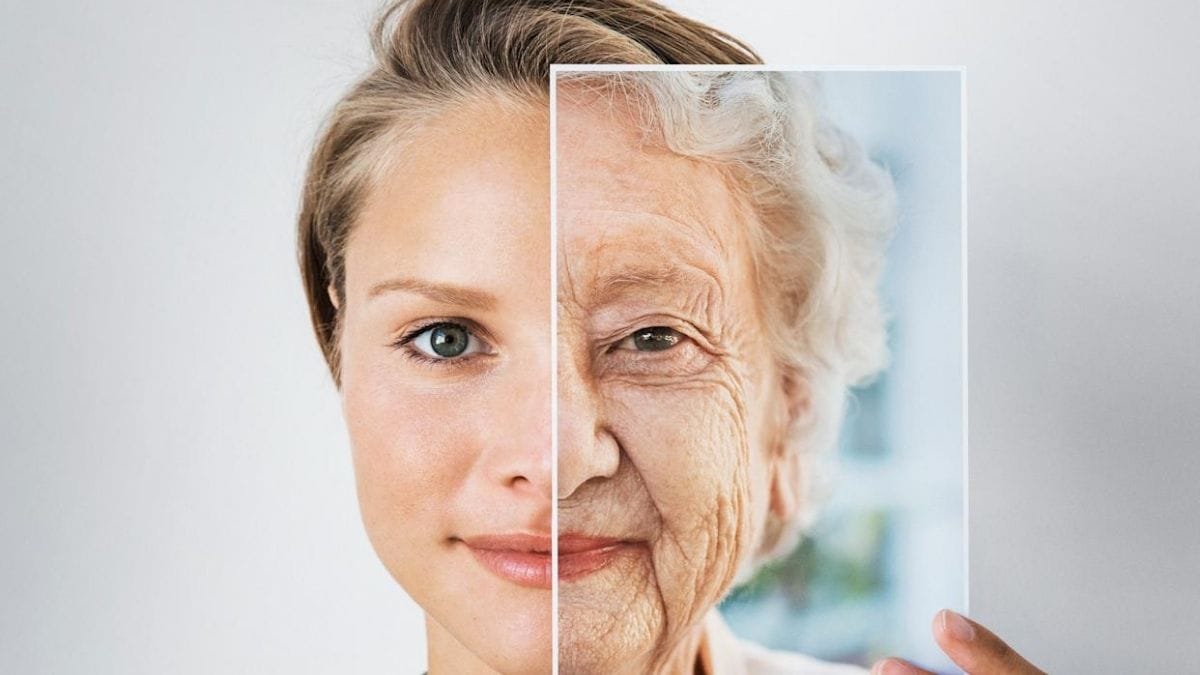
You might think aging is slow and steady. It’s not. Your body can speed up or slow down at different times. That’s why some people age faster than others.
Research from Stanford Medicine shows major body changes often happen around age 44 and again near 60. This means aging comes in waves, not a straight line.
Many things affect how fast you age. Stress, poor sleep, smoking, lack of exercise, and diet all play a role. Your environment matters too.
World Health Organization explains that your income, job, and living conditions can shape your health more than you think.

Genetics also play a role. But they are not the full story. Your daily habits and surroundings often matter more over time.
The key point is simple. Some factors you can control. Others you can’t. But small changes still make a big difference.
Helpful Tips:
- Focus on what you can control, like sleep and activity.
- Improve your environment where possible, even in small ways.
Sleep and Stress Can Speed Up Biological Aging

Sleep and stress are two of the biggest hidden factors. Most people ignore them. But they affect your body every day.
If you don’t sleep well, your body doesn’t repair itself properly. Centers for Disease Control and Prevention says adults need at least 7 hours of sleep each night. Less than that can harm your health over time.
Stress also adds pressure on your body. The National Institute on Aging found that stress can increase biological age. The good news? This effect can improve when stress goes down.
Some studies also link insomnia with faster aging markers. But keep this in mind. Not every study proves cause and effect. Still, the pattern is clear.
Better sleep and lower stress help your body recover. And recovery is what keeps you younger inside.
Helpful Tips:
- Keep a fixed sleep time every day, even on weekends.
- Use simple stress habits like walking, prayer, or quiet time.
The Lifestyle Habits Most Linked to Faster Aging
Your daily habits shape your future health. Some habits speed up aging more than others. And many people already know them but don’t act on them.
Smoking is one of the biggest risks.

World Health Organization says it causes millions of deaths each year. It damages your body from the inside out.
Lack of movement is another issue. Many adults don’t get enough exercise. This weakens the heart, muscles, and metabolism over time.
Weight also matters. Higher body fat is linked with faster biological aging in some studies. Diet plays a role here too. Poor diet quality can push your body toward faster aging.
The good news? Every one of these can be improved. You don’t need to be perfect. You just need to start.
Helpful Tips:
- Move your body daily, even if it’s just walking.
- Replace processed food with simple whole meals more often.
Social Connection and Life Circumstances Matter More Than People Think

Health is not just about food and exercise. Your social life matters too. And many people don’t realize this.
Loneliness can affect your body and mind. National Institute on Aging links social isolation to heart disease, depression, and memory problems. That’s serious.
World Health Organization also explains that your life conditions shape your health. Things like work, income, and housing all play a role.
So, aging faster is not always your fault. Sometimes your environment makes things harder. But even then, small changes help.
Staying connected, even with one person, can improve your health. You don’t need a big circle. You just need real connection.
Helpful Tips:
- Stay in touch with one close friend or family member weekly.
- Join small groups or community activities when possible.
What You Can Do This Week to Slow the Pace of Aging

You don’t need a full life reset. You just need small, clear steps. Start with what you can do this week.
Aim for 7 to 9 hours of sleep each night. This helps your body recover. Next, move your body. World Health Organization suggests 150 minutes of activity per week. That’s about 20 minutes a day.
If you smoke, try to quit. It’s one of the fastest ways to improve your health. Also, improve your meals. Eat more whole foods and less processed food.
Don’t forget connection. Talk to someone. Spend time with people who support you.
You don’t need perfect habits. You need consistent ones. That’s what slows aging over time.
Helpful Tips:
- Pick one habit and follow it for 7 days straight.
- Track your progress to stay consistent and motivated.
Lastly;
People age at different speeds. Your habits, stress, sleep, and environment all play a role. The good part is this. Many of these factors can change. Start small and stay consistent. That’s how you improve your health. And that’s the real answer to why some people age faster.