
You sleep 8 hours and still wake up tired. You eat carefully but bloat after every meal. Your mind feels foggy before noon. You have tried fixes, but nothing sticks.
What if none of these problems are separate? What if they all trace back to one place — your gut?
Most people treat each symptom alone. They buy antacids for bloating. They drink more coffee for fatigue. They try creams for skin problems. But the real source never gets fixed.
This article will show you exactly what gut dysbiosis is, why it causes so many symptoms, and how to heal your gut naturally using food, sleep, and simple daily habits backed by real research.
What Is Your Gut and Why Does It Control So Much?
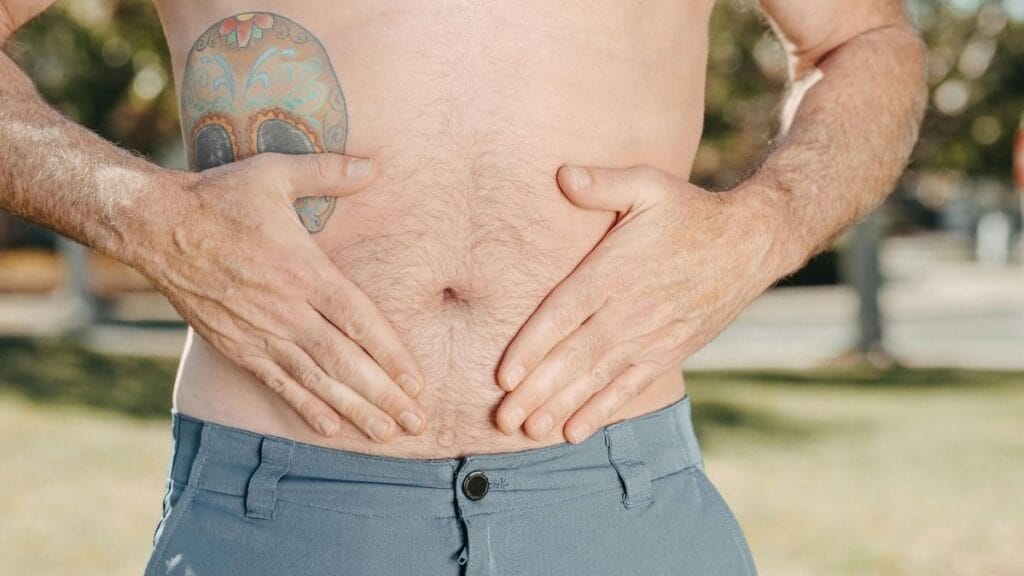
Think of your gut like a city. When everything runs well, traffic flows, people get to work, and the city stays healthy. When key roads break down, the whole city slows down.
Your gut holds about 100 trillion bacteria, fungi, and microbes. Harvard Health researchers confirm these tiny creatures are linked to conditions from obesity to brain disease. They do far more than digest your food.
Here is something that surprises most people. Over 90% of serotonin — the hormone that controls your mood — is made in your gut. So your ability to feel calm, focused, and happy is directly tied to what is happening in your digestive system.
Your gut and brain talk to each other every single moment. This two-way connection is called the gut-brain axis.
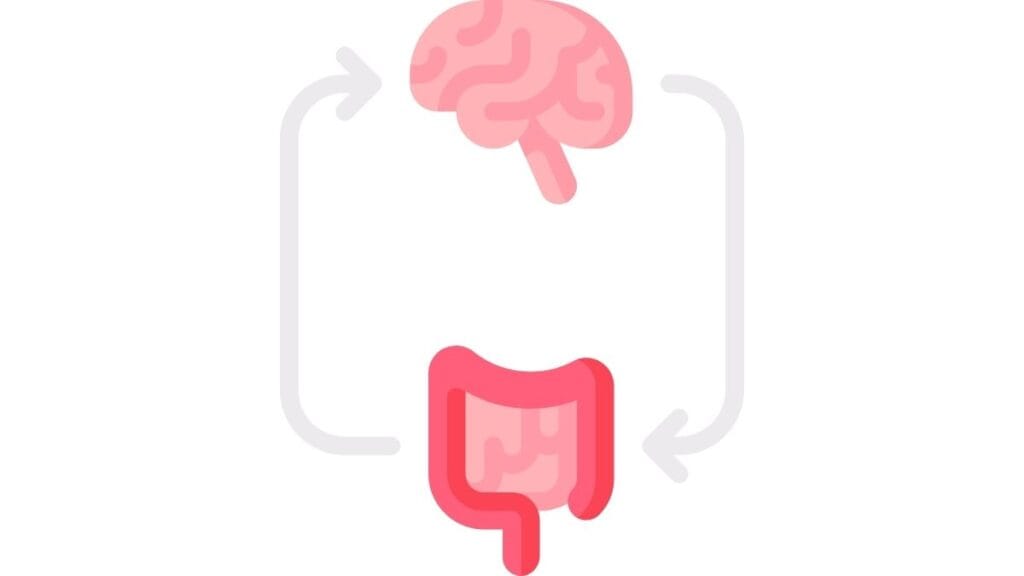
It runs through the vagus nerve, hormones, and immune messengers. When your gut is healthy, your brain gets good signals. When your gut is sick, your brain gets bad ones.
3 Quick Tips:
- Think of gut health as the foundation of your whole body, not just digestion
- Know that your mood and energy are directly connected to your gut bacteria
- Start caring for your gut before symptoms get worse — not after
10 Warning Signs Your Gut Is Crying for Help
Your gut rarely shouts. It whispers. But those whispers — the bloating, the 3 PM crash, the anxiety you cannot explain — all add up to one clear message. Something is off.
When gut bacteria fall out of balance, a condition called dysbiosis kicks in. Symptoms show up all over your body, not just in your stomach.
Here are the 10 most common signs:
⚠️ Gut Health Alert!
10 signs your microbiome needs help
Bloating & Gas
Feeling constantly puffed up right after eating meals.
Bathroom Trouble
Unpredictable constipation or loose stools.
Deep Fatigue
Feeling totally drained even after a full night of sleep.
Brain Fog
Struggling with poor focus and feeling mentally cloudy.
Mood Swings
Unexplained anxiety, low mood, or sudden irritability.
Skin Problems
Flare-ups of acne, eczema, or stubborn rosacea.
Weak Immunity
Getting sick often because your gut isn’t fighting off bugs.
Food Sensitivities
A growing list of foods your stomach can no longer handle.
Weight Changes
Sudden and unexplained shifts on the scale.
Unrestful Sleep
Tossing and turning, waking up feeling like you never truly rested.
When your gut lining is damaged, it struggles to absorb iron, B12, and magnesium. These are the exact nutrients your body needs for energy and clear thinking. The good news? Most people feel real improvement within 3 to 6 weeks of making consistent changes.
3 Quick Tips:
- Count how many signs apply to you — three or more means your gut needs real attention
- Do not ignore skin or mood issues — they are often gut problems in disguise
- Write down your symptoms today so you can track improvement in 30 days
What Is Actually Destroying Your Gut Right Now?
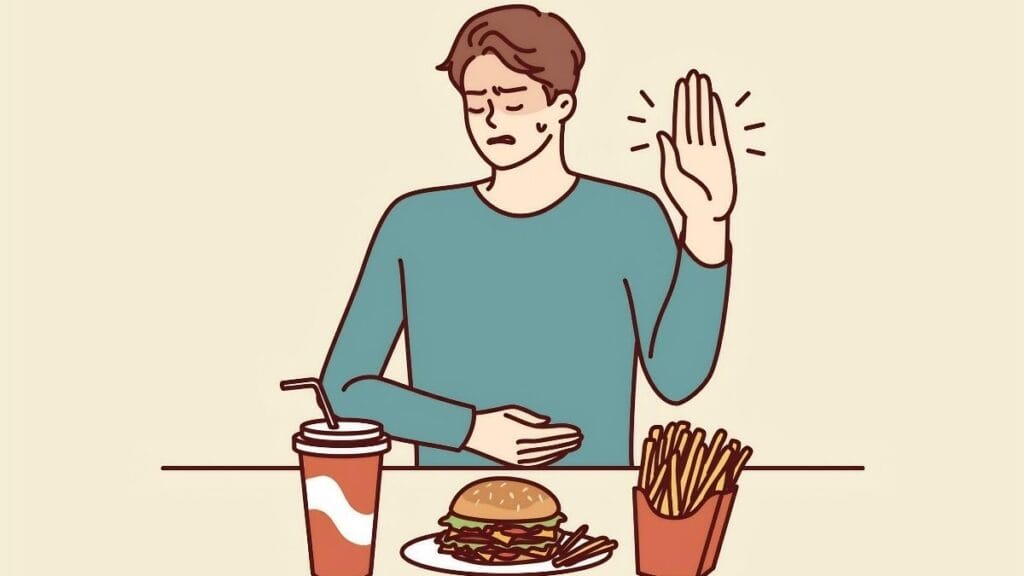
Before you can heal your gut, you need to stop the damage. Most of the harm comes from everyday habits you might not think twice about.
Antibiotics are a big one. They kill harmful bacteria, but they also wipe out the good ones. Overusing antibiotics creates space for harmful bacteria and yeast to take over.
A diet full of processed food and sugar feeds the bad bacteria. It starves the good ones. Low-fiber eating makes this worse because good bacteria feed on fiber to survive.
Chronic stress is another silent gut killer. It slows digestion, lowers enzyme production, and shifts the gut environment toward imbalance. A 2025 review in Frontiers in Microbiology confirmed that Western lifestyle habits — including late eating, artificial light at night, and irregular sleep — all disrupt the gut microbiome in measurable ways.

Here are the six main gut destroyers:
- Ultra-processed food and sugar
- Overuse of antibiotics and painkillers
- Chronic stress
- Alcohol
- Poor sleep and irregular mealtimes
- Sitting too much, moving too little
3 Quick Tips:
- Cut one processed food from your daily diet this week — just one
- Avoid eating within 2 hours of bedtime to protect your gut lining overnight
- Ask your doctor if you really need antibiotics before taking them
The Best Foods That Actually Heal Your Gut
The most effective gut-healing tools are foods you can find at any grocery store this weekend.
Fermented foods come first. A Stanford clinical trial showed that a 10-week diet high in fermented foods boosted microbiome diversity and lowered inflammation in the body. Foods like yogurt, kefir, kimchi, sauerkraut, miso, tempeh, and kombucha all deliver live bacteria directly to your gut.

Harvard School of Public Health researchers confirm that fermented foods contain both probiotics (live bacteria) and prebiotics (food for bacteria). Together, they help maintain a healthy gut.
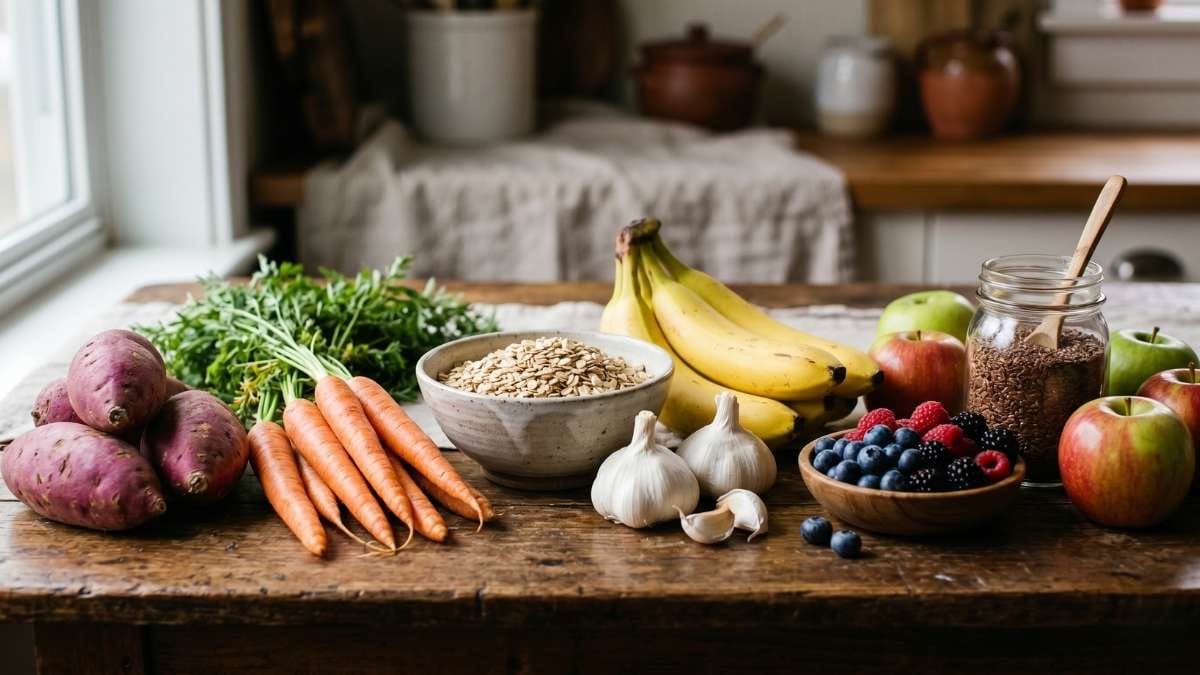
Fiber-rich foods come next. They feed the good bacteria already living in your gut. Good prebiotic options include garlic, oats, bananas, sweet potatoes, apples, berries, flaxseed, and carrots.
One important buying tip: not all fermented foods work. If a product has been heated or pasteurized after fermentation, the bacteria are dead. Always buy refrigerated, unpasteurized versions. Check the label for “live and active cultures.”
The “Super Six” to rotate: yogurt, kefir, sauerkraut, miso, tempeh, and kombucha.
3 Quick Tips:
- Start with plain yogurt or kefir — they are the easiest fermented foods for beginners
- Add garlic, oats, or banana to at least one meal daily to feed your good bacteria
- Rotate your fermented foods each week to build a wider variety of gut microbes
Simple 3-Day Starter Meal Plan
Here is an easy meal plan to get you started right away. You do not need to be a great cook. You just need to begin.
Day 1 Breakfast: Oats with banana and a spoon of plain yogurt Lunch: Salad with chickpeas, garlic dressing, and sauerkraut on the side Dinner: Stir-fry with tempeh, broccoli, garlic, and brown rice
Day 2 Breakfast: Kefir smoothie with blueberries and flaxseed Lunch: Lentil soup with garlic and carrots Dinner: Grilled chicken with sweet potato and a side of kimchi
Day 3 Breakfast: Whole grain toast with miso soup Lunch: Bean salad with mixed greens and olive oil Dinner: Salmon with roasted vegetables and plain yogurt dressing
Drink water throughout the day. Keep sugar out of your drinks. Small changes done consistently will produce real results in just a few weeks.
3 Quick Tips:
- Prep your fermented foods on Sunday so they are ready for the whole week
- Do not add sugar to yogurt or kefir — buy the plain, unsweetened version
- Introduce fiber slowly if you are not used to it — too much too fast causes gas
The Sleep-Gut Connection Nobody Talks About
Fixing your sleep will actually help repair your gut. And a healthier gut will help you sleep better. They work in both directions.

Research published by the American Society for Microbiology in November 2025 confirmed that people with a more diverse gut microbiome sleep better and longer. The gut produces serotonin, which sets your sleep-wake cycle. When the microbiome is out of balance, this process breaks down.
Here is a fact that shows how fast damage happens. Studies found that just two days of poor sleep can change your gut bacteria. It raises stress hormones and increases inflammation.
On the flip side, probiotics can improve sleep. One study found that adults who took Bifidobacterium animalis for 8 weeks slept better than those who took a placebo.

Another study showed college students who used a Bifidobacterium probiotic during exam stress slept better than peers who did not.
Practical steps: Finish your last meal 2 to 3 hours before bed. Go to bed and wake up at the same time every day — yes, even on weekends. This protects your gut’s internal clock.
3 Quick Tips:
- Set a consistent bedtime tonight — your gut bacteria have a schedule too
- Stop eating at least 2 hours before you sleep to let your gut rest
- Try a Bifidobacterium probiotic if stress is wrecking your sleep
Stress Is Wrecking Your Gut — Here Is How to Stop It
You can eat the perfect foods and still make no progress if chronic stress is running the show. Stress and gut health are stuck in a loop together.
Here is how the cycle works. Stress lowers your good gut bacteria and raises inflammatory compounds. A disrupted gut sends bad signals to the brain. That makes anxiety worse. Worse anxiety means worse sleep. Poor sleep raises cortisol. High cortisol breaks down your gut lining even more. And the loop continues.
Chronic stress slows digestion, reduces enzyme production, and creates an environment where bad bacteria thrive. A 2025 article from The Conversation confirmed this cycle is real and hard to break without gut support.
The fix does not have to be complicated. Simple daily habits lower cortisol and break the loop.
Try these:

- 10 minutes of deep breathing each morning
- A 20-minute walk outside (nature lowers cortisol)
- Journaling for 5 minutes before bed
- Gentle yoga to improve gut movement
- No screens after 8 PM to lower blue light exposure
The Society of Behavioral Medicine confirms that mindfulness-based techniques can reduce gut symptoms. Even 10 minutes of calm per day is medicine for your gut.
3 Quick Tips:
- Pick one stress habit from the list above and do it for 7 days straight
- Walk outside — even a short walk lowers cortisol better than sitting indoors
- Turn screens off 30 minutes before bed to reduce stress hormones at night
Your 4-Week Gut Reset Plan — Simple and Real
You need four focused weeks with small, consistent steps. Here is exactly what to do.
Week 1 — Stop the Damage Cut ultra-processed foods, refined sugar, and alcohol. Stop eating 2 to 3 hours before bed. Drink 8 glasses of water every day. That is it. Just stop the harm first.
Week 2 — Add the Healers Add one fermented food daily. Start with plain yogurt or kefir. Add one prebiotic food to each meal — garlic, oats, banana, or sweet potato. Start going to bed and waking up at the same time.
Week 3 — Build the Habits Walk for 30 minutes daily. Exercise improves microbiome diversity. Practice 10 minutes of deep breathing each morning. Try a new fermented food — kimchi or sauerkraut.
Week 4 — Assess and Adjust Check your energy, bloating, mood, and sleep. Write them down. Research shows most people feel real improvement between weeks 3 and 6. If fiber is causing gas, slow down and add it more gradually.
This is not a quick fix. It is a real shift in how you live.
3 Quick Tips:
- Print this 4-week plan and put it on your fridge where you will see it daily
- Track one symptom (like bloating or energy) each week to see real progress
- Do not try to do everything perfectly — doing it consistently matters more than doing it perfectly
A Final Note
Your gut controls your energy, mood, sleep, immunity, and skin. When it breaks down, everything breaks down. But the fix is simple. Eat fermented and fiber-rich foods. Sleep on a schedule. Manage daily stress. Start with one change today. Your gut will respond.