If sitting still makes your stress worse, you are not doing anything wrong.
Many people try meditation and feel more anxious, restless, or suddenly very aware of every worried thought. That is a real and common experience. It does not mean you are broken or bad at relaxing.
The good news is that meditation is only one option among many. Therapists and researchers have studied other approaches that may help calm the body and mind without sitting in silence.
This article walks through several stress relief when meditation feels wrong, so you can find what actually works for your nervous system.
Why Meditation Can Feel Wrong for Some People
Sitting still and closing your eyes sounds simple. But for many people, it brings racing thoughts closer, not further away.
This can happen for several reasons:
- High stress or anxiety can make silence feel louder, not quieter.
- People with trauma, ADHD-like restlessness, or chronic worry may find stillness uncomfortable.
- Formal meditation asks you to observe thoughts without reacting, which can feel impossible when stress is already high.

The American Psychological Association notes that different stress tools work for different people. There is no single right method.
The goal is not to force yourself to like meditation. The goal is to find a stress tool that fits your life and your nervous system. Discomfort with meditation is not failure. It is information. Use it to choose a better fit.
Grounding Exercises That Bring You Back to the Present
Grounding exercises shift your attention away from anxious thoughts and into the present moment. They work best during moments of acute stress or overwhelm.
One widely used method is the 5-4-3-2-1 technique. Here is how to try it:
- Name 5 things you can see.
- Name 4 things you can touch.
- Name 3 things you can hear.
- Name 2 things you can smell.
- Name 1 thing you can taste.
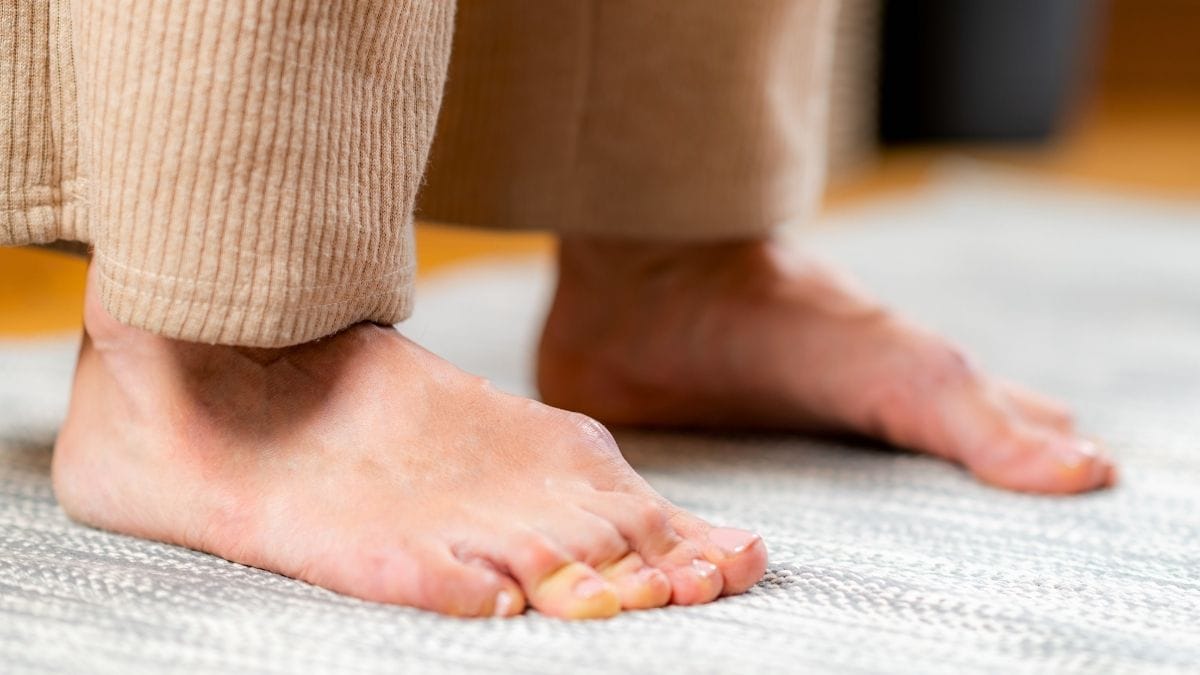
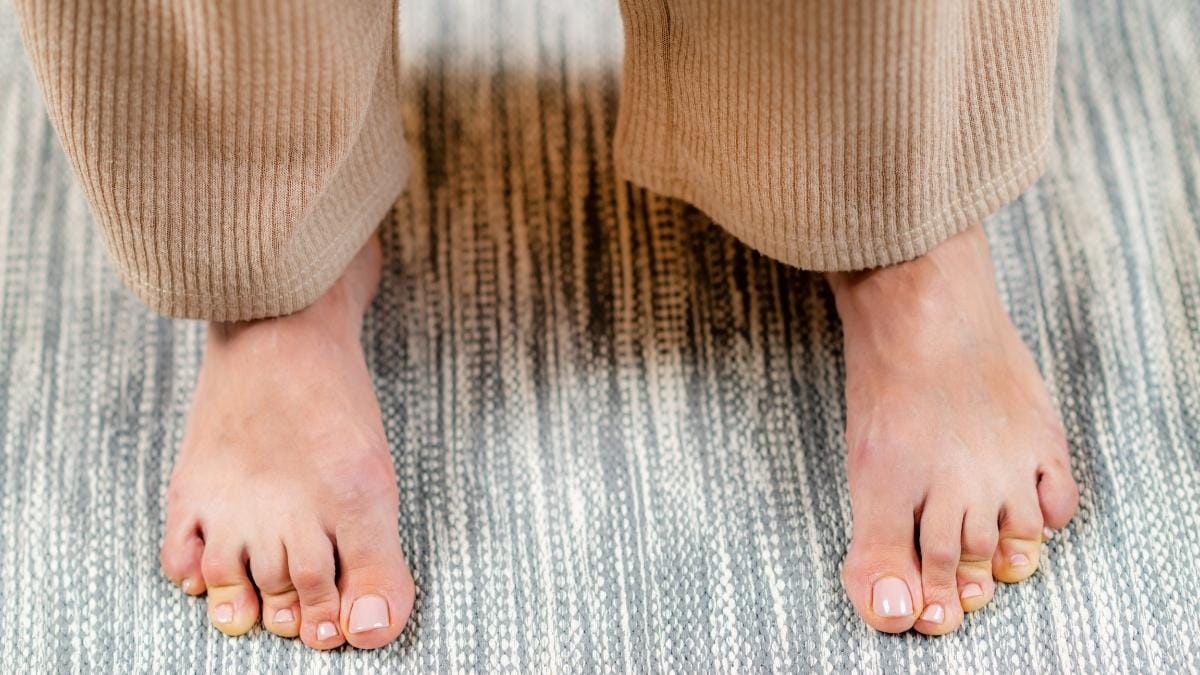
Other options include holding a cold item, naming objects in the room, or pressing your feet into the floor.
A 2024 systematic review found that brief body-based interventions, including progressive muscle relaxation and deep relaxation training, were consistently effective for state anxiety.
Grounding exercises work on a similar principle: engaging the senses interrupts the mental spiral.
These are short, repeatable tools. You do not need a quiet room or 20 minutes. A few focused seconds can be enough to reset.
Breathing Techniques That Are Not Meditation
Slow breathing is not the same as meditation. You can use it as a short reset anywhere, at your desk, in your car, before a difficult conversation.
One simple pattern to try: inhale for 4 counts, exhale for 6 counts. The longer exhale activates the part of your nervous system that slows your heart rate and reduces tension.

A 2023 meta-analysis of 12 randomized controlled trials including 785 adults found that breathwork was associated with lower self-reported stress, with an effect size of g = -0.35. That is a modest but real result.
Breathwork is not a cure. It will not eliminate anxiety or replace professional care. But research suggests it may help reduce stress in the short term for many people.
If silent sitting feels hard, guided breathing apps or audio tracks can make this easier. You follow a voice instead of sitting alone with your thoughts. Brief practice, even two to five minutes, may be more sustainable than long sessions.
Movement-Based Stress Relief That Works With Your Body
Stress lives in the body. Movement gives it somewhere to go.
Walking, stretching, yoga, tai chi, and progressive muscle relaxation (PMR) are all approaches that research suggests may help regulate stress.
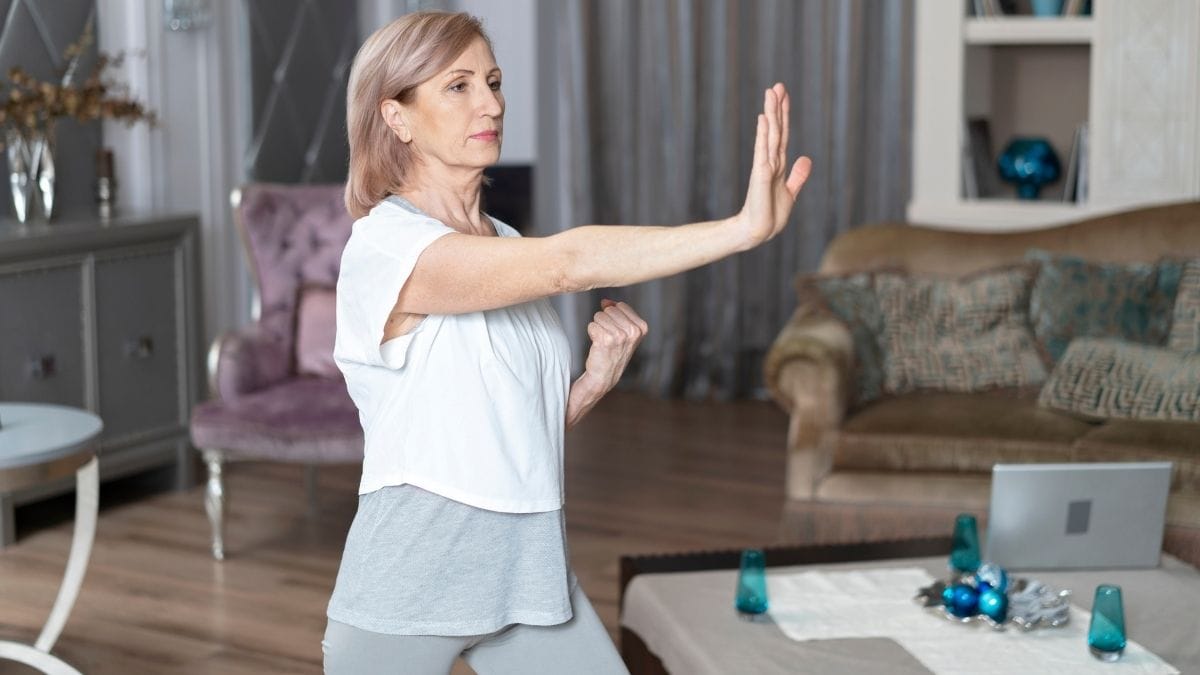
The National Center for Complementary and Integrative Health (NCCIH) notes that mind-body approaches, including yoga, tai chi, and relaxation techniques, may be useful for managing stress.
A 2024 systematic review across 46 publications and more than 3,402 adults found PMR effective for reducing stress, anxiety, and depression.
PMR involves tensing and releasing muscle groups one at a time, which can be especially useful when stress shows up as physical tension in your shoulders, jaw, or chest.
Movement can feel safer than stillness for people whose stress makes sitting hard. If yoga or tai chi feels like too much, start with a short walk. NIMH advises that just 30 minutes of walking every day may boost mood and improve health.
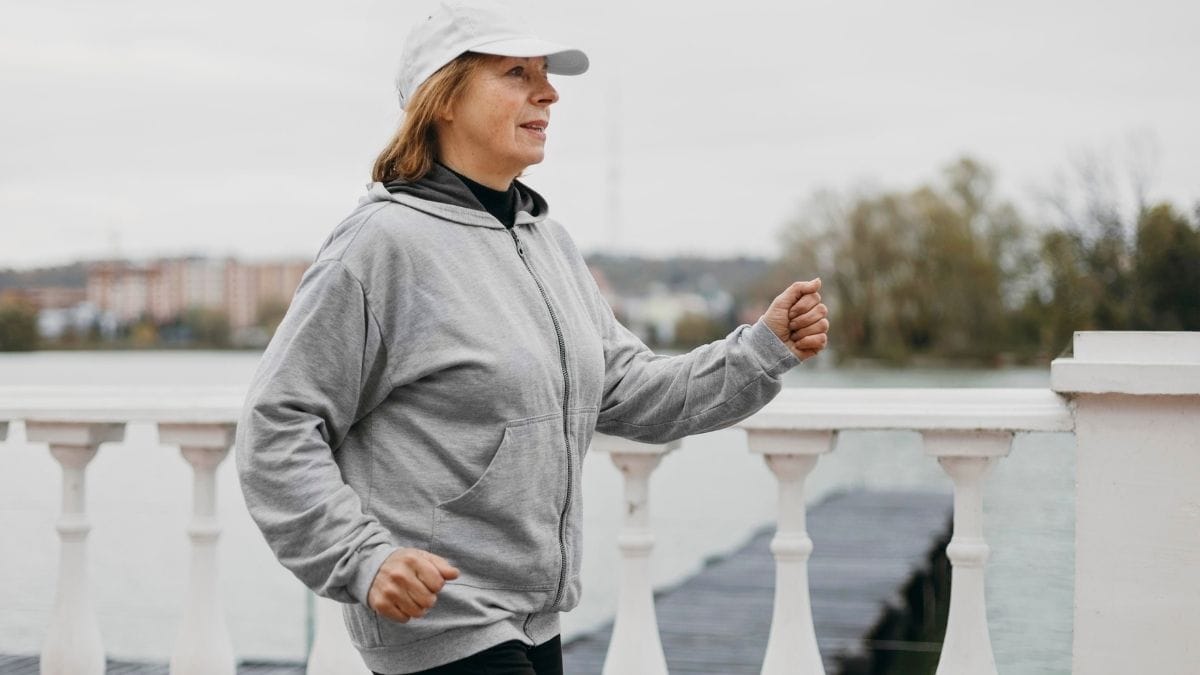
Always consult your doctor before starting any new exercise program, especially if you have pain or an existing health condition.
Practical Daily Habits That Lower Your Stress Load
No single coping tool works well when your baseline stress is already high. Daily habits help lower that baseline so other tools can work.
A few habits backed by NIMH and NIH emotional wellness resources:
- Sleep: A consistent sleep routine helps regulate mood and stress hormones.
- Food and hydration: Regular meals and enough water support stable energy and mood.
- Caffeine and alcohol: Both can worsen anxiety if used in excess; reducing them may help some people.
- Connection: Staying in contact with supportive people lowers the experience of stress over time.

These habits are not a substitute for therapy. They will not fix a serious mental health concern on their own. But they can make other stress management techniques easier to access.
Start with one change. Pick the smallest habit that feels realistic. Sustainable beats perfect every time.
When to Reach for Professional Help
Self-help tools have real limits. If your stress is persistent, worsening, or affecting your sleep, work, relationships, or daily functioning, it is time to talk with a professional.
Signs You May Need More Support
Persistent Tension
Stress feels constant, lingering heavily even when there is no clear reason.
Sleep Imbalance
Your sleep rhythm is severely disrupted, leaving you sleeping too little or too much.
Overwhelming Fatigue
You feel withdrawn, hopeless, or completely unable to manage daily responsibilities.
Tool Paradox
Standard relaxation tools backfire and make your symptoms feel worse instead of better.
That last point matters. If grounding, breathing, or movement consistently makes you feel worse, that is important information. A licensed mental health professional can help you figure out why and find a better approach.
Some people need therapy, medication, or a combination of both. There is no shame in that. These are medical tools, not signs of weakness.
If you are struggling, please speak with a licensed mental health professional.
Conclusion

Meditation is only one option. Grounding, breathing, movement, and daily habits may all help lower stress in ways that feel more manageable. No tool works for everyone. Pick one small strategy, try it for a few days, and notice what feels sustainable. That is the whole goal of stress relief when meditation feels wrong.