
You’ve heard the basics before.
Calcium.
Vitamin D.
Walk more.
And yet, here you are, still wondering if you’re actually doing enough, and whether what you’ve been told is the whole story.
Most adults over 60 are losing bone silently right now, and the standard advice they receive is only part of what actually works.
This article is for adults over 60 who want to strengthen bones and stay independent.
It doesn’t cover drugs or surgeries.
It covers seven habits, the ones bone specialists use quietly for themselves, backed by research and explained in plain language.
By the end, you’ll know exactly what steps to take and which questions to ask your doctor.
1- The Calcium Trap Doctors Know About (and Quietly Avoid)
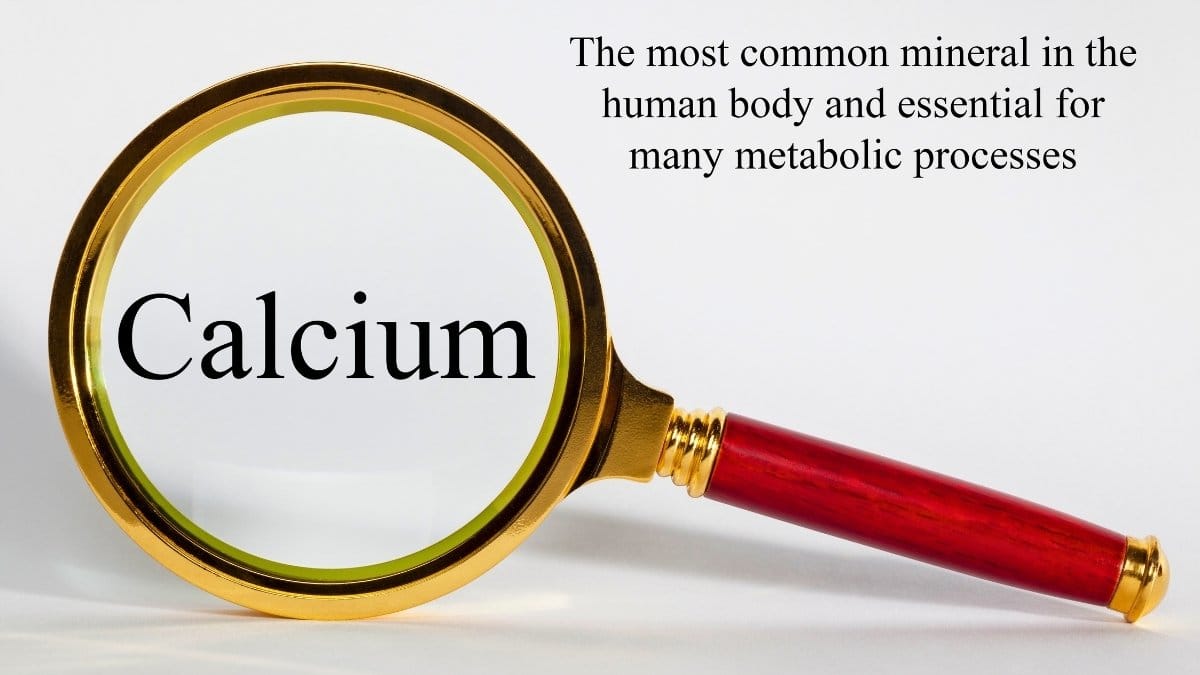
If you’ve been taking a calcium supplement to protect your bones, you’re doing what millions of older adults do, and you may want to talk to your doctor about whether that form is actually the best choice for you.
You may be surprised to learn that calcium from food and calcium from supplements may not act the same way in the body.
A 10-year follow-up study of 5,448 adults in the Multi-Ethnic Study of Atherosclerosis found that high dietary calcium intake was associated with a decreased risk of developing coronary artery calcification, while calcium supplement use was associated with an increased risk of that same condition.
The study tracked adults aged 45 to 84 who were free of heart disease at the start.
That finding has been debated, and the overall evidence on calcium supplements and heart risk is not settled.
But bone specialists who know the literature tend to prioritize food-first calcium, and then use supplements only when food alone won’t meet the target.
The daily target for adults over 50 is about 1,200 mg of calcium from all sources combined, per the NIH Office of Dietary Supplements.
Food sources that deliver calcium without pills include:
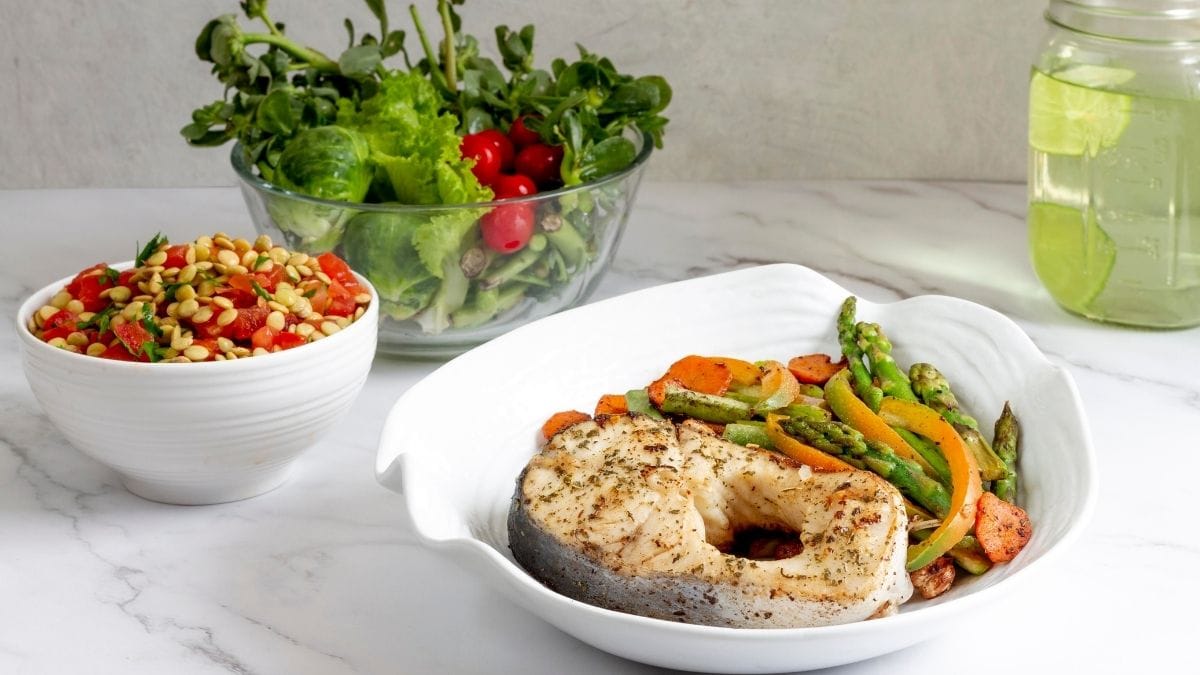
- Canned sardines with bones (about 325 mg per 3 ounces)
- Plain low-fat yogurt (about 415 mg per cup)
- Fortified plant milks (about 300 mg per cup)
- Cooked kale (about 180 mg per cup)
- Almonds (about 75 mg per ounce)
Spreading calcium-rich foods across meals helps, because the body absorbs smaller amounts of calcium better than one large dose at once.
Getting calcium right is one of the first steps to strengthen bones after 60, and the next section explains why even perfect calcium intake may not reach your bones without one key variable in place.
2- What Bone Doctors Actually Do With Vitamin D, and Why They Test Before They Dose
You’ve probably been told to take vitamin D.
Most older adults have.
What you may not know is that doctors who specialize in bone health don’t just take a random dose.
They check a blood number first, then decide.
Your doctor’s personal bone routine is not the same as the handout they give you, and the difference between the two may be the reason one works.
Research confirms that vitamin D supports calcium absorption, and findings indicate that without adequate levels, the body takes up far less calcium from food and supplements.
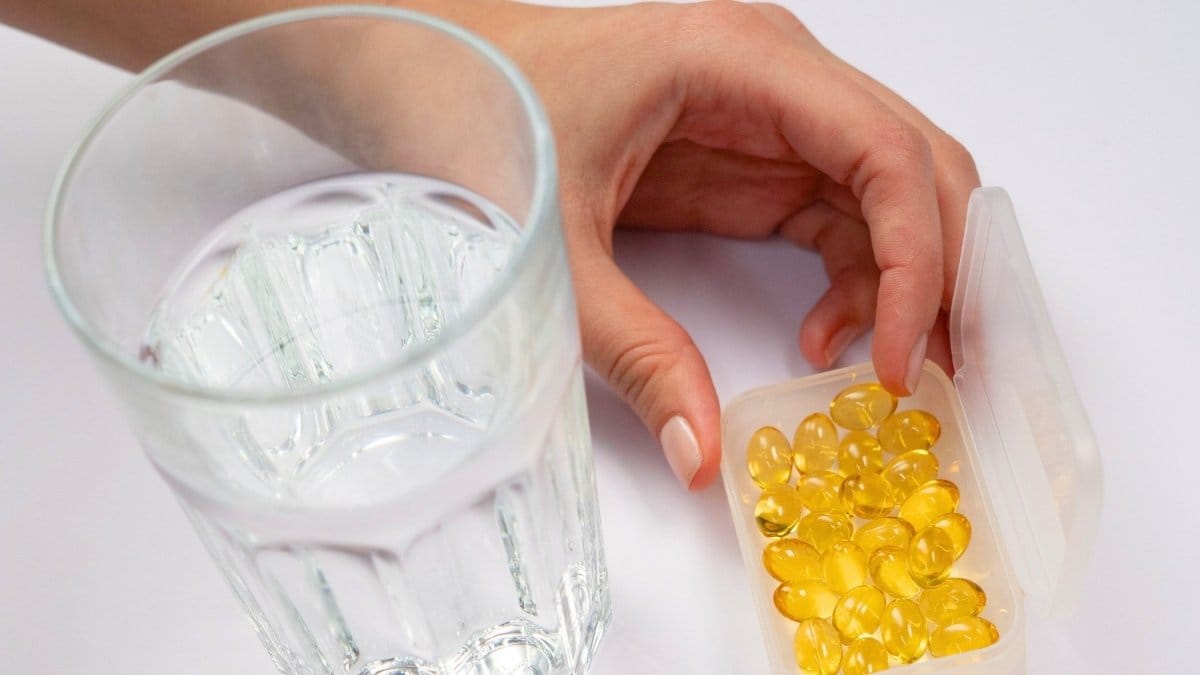
A randomized controlled trial involving 163 postmenopausal women with vitamin D insufficiency found that calcium absorption increased significantly as serum 25-hydroxyvitamin D levels rose, confirming that the two nutrients are linked in a direct, dose-responsive way.
Adults over 60 face a higher risk of vitamin D deficiency in part because aging is associated with reduced 7-dehydrocholesterol concentration in the skin, the compound the body uses to make vitamin D from sunlight.
A large NHANES study of U.S. adults aged 60 and older found that nearly half did not take vitamin D supplements, despite this elevated deficiency risk.
The blood test to ask for is a serum 25-hydroxyvitamin D [a blood test that measures how much vitamin D your body has stored] test.

Most experts, including the Endocrine Society, consider levels below 20 ng/mL insufficient for bone health.
Bone specialists check this number before deciding on a dose, not after.
Most people’s results surprise them.
Talk to your doctor before starting a new exercise program if you’re on medication, managing a heart condition, or recovering from a fracture.
3- The Exercise Move That Does the Most to Strengthen Bones After 60
Almost every bone health article tells you to walk more.
Walking is good for your heart and your mood.
It is not, on its own, a strong driver of bone density.
You may be lifting far less weight than your bones actually need.
When bones are forced to bear significant weight or resist force, they signal the body to build more bone tissue, specifically through osteoblasts [bone-building cells that lay down new bone material when they detect mechanical stress].
Walking applies relatively low load to the skeleton.
Resistance training applies far more.
The LIFTMOR randomized controlled trial enrolled 101 postmenopausal women with low bone mass (average age 65) and assigned them to either high-intensity resistance and impact training or a home-based low-intensity program for eight months.
The high-intensity group showed a 2.9% gain in lumbar spine bone mineral density.
The low-intensity group showed a 1.2% decline over the same period.
The exercises used in the trial included back squats, deadlifts, and overhead press: moves that load the spine and hips directly.
These are the sites where fractures are most serious.
That’s a meaningful gap, and it came from twice-weekly, 30-minute sessions.
A practical starting protocol for adults over 60 working with a trainer or supervised program:
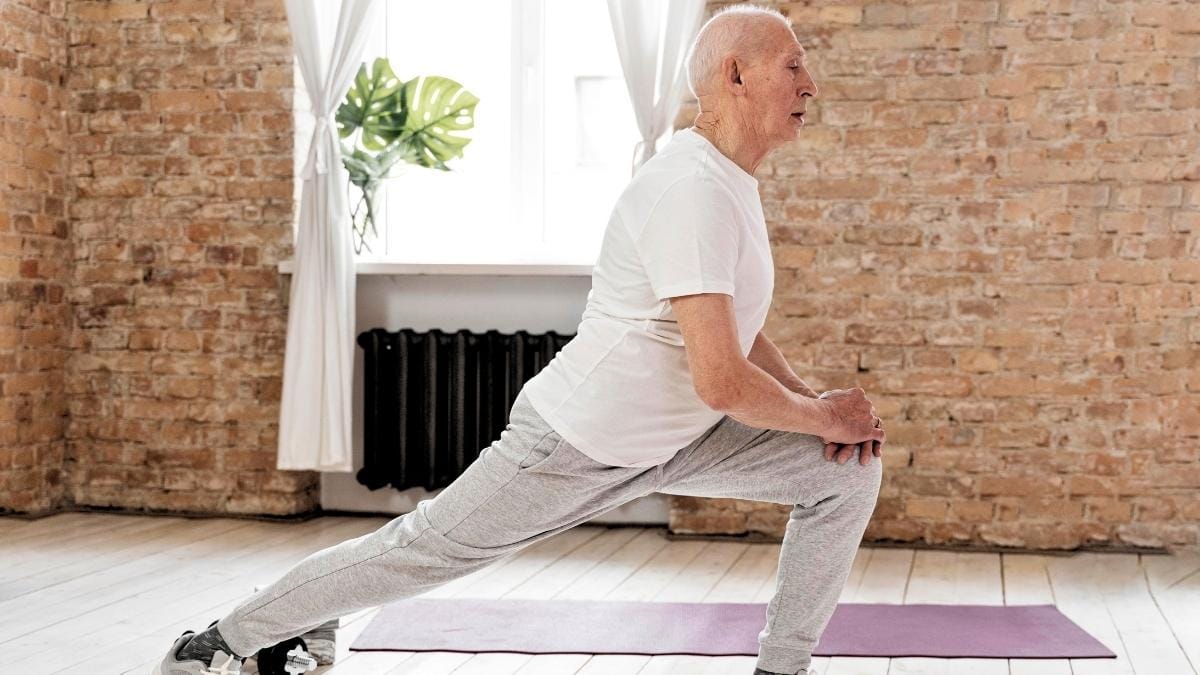
- Two sessions per week minimum
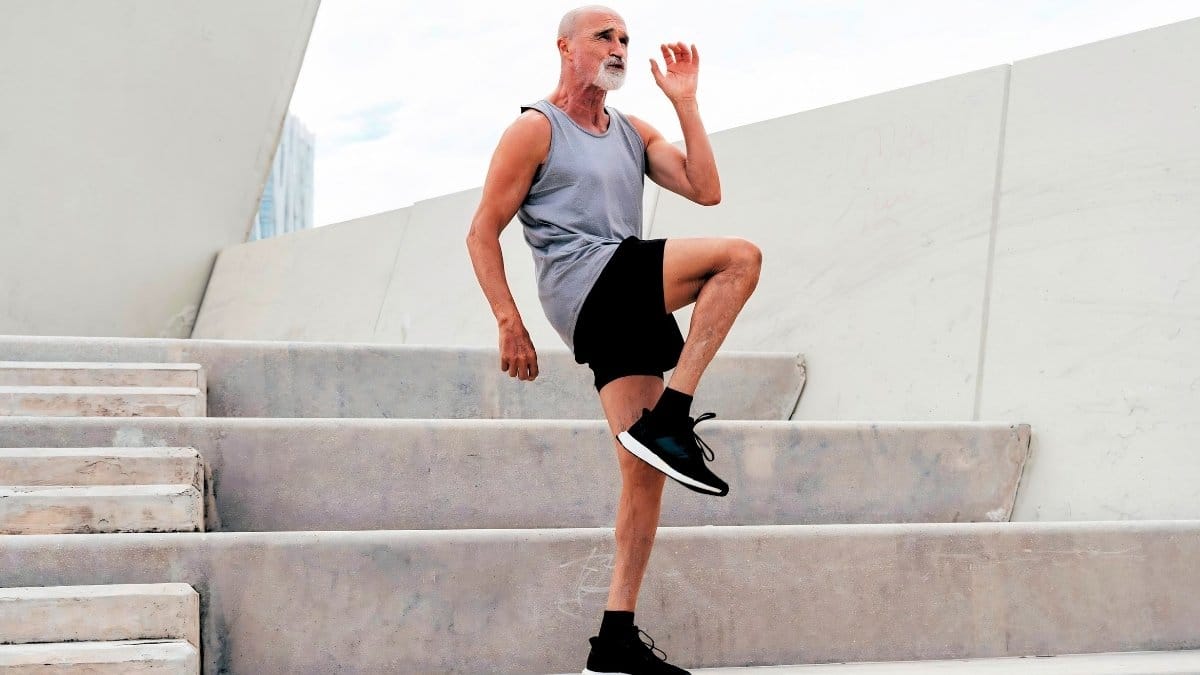
- Focus on hip-hinge and squat patterns (deadlifts, leg press, step-ups)
- Include some impact: heel drops, step-ups with a step
- Progress the load over time, because the skeleton needs increasing challenge to keep responding
Walking stays in your week for heart and mood benefits.
Resistance training tells your bones to stay dense, but what happens to bone while you sleep is a different problem entirely.
4- The Sleep Habit Bone Specialists Protect at All Costs
Most people don’t connect their sleep to their bones.
Bone doctors do.
Getting fewer than six hours of sleep may be doing more damage than you realize.
In a cross-sectional study of 443 older community-dwelling adults in the UK (the Hertfordshire Cohort Study), poor sleep quality was associated with lower cortical bone mineral density in men and thinner, less dense cortices in women.
A much larger study of 11,084 postmenopausal women from the Women’s Health Initiative found that women sleeping five hours or fewer per night had significantly lower bone mineral density at the total hip and whole body, and higher odds of osteoporosis, compared to women sleeping seven hours per night.
Both studies are observational, not controlled trials.
A study of 151 men and 96 women aged 61 to 73 found that higher cortisol [a stress hormone released when the body is under strain, including from sleep deprivation] secretion was significantly associated with greater bone loss at the lumbar spine and hip over a four-year period.
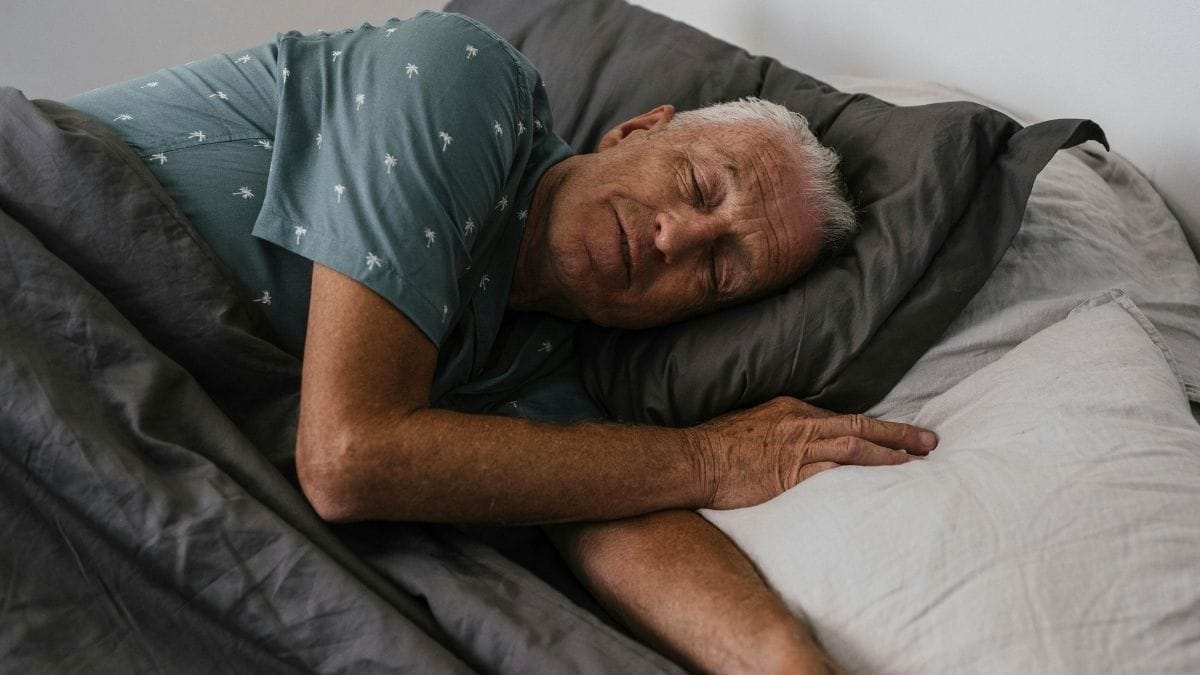
The sleep habits bone specialists protect:
- Consistent sleep and wake times, even on weekends
- A cool, dark bedroom (ambient temperature between 65°F and 68°F)
- No screens in the 60 minutes before bed
- Limiting caffeine after noon
None of this is complicated.
Disrupting sleep doesn’t just make you tired.
It may disrupt the body’s bone-rebuilding cycle too.
5- The Protein Rule That Most Bone Articles Miss Completely
When most people think about bone health, they think calcium and vitamin D.
They rarely think about protein.
Bone specialists think about protein a lot.
You may be getting enough calcium and still losing bone if your protein is too low, because protein builds the framework your bone minerals sit inside.
The structural scaffold that calcium and minerals are deposited into is made largely of collagen [a fibrous protein that forms the flexible framework bones are built on; without it, calcium has nowhere to anchor].
Bone is roughly 30% protein by weight.
When dietary protein is too low, that scaffold weakens, regardless of how much calcium you consume.
A large prospective study followed 2,160 older adults with an average age of 73.5 years in the Health, Aging, and Body Composition cohort.
Those with higher protein intake — at least 15% of total calories — had significantly higher bone mineral density at the hip, whole body, and lumbar spine, and a lower risk of vertebral fracture compared to those with lower protein intake.
A separate meta-analysis of cohort studies in adults aged 65 and older found that higher protein intake was associated with a statistically significant 11% lower risk of hip fracture.
The current recommended dietary allowance for protein is 0.8 grams per kilogram of body weight per day.
Several studies suggest this may be too low for adults trying to strengthen bones after 60 and preserve long-term skeletal health.
Many bone specialists aim personally for closer to 1.0 to 1.2 grams per kilogram per day.
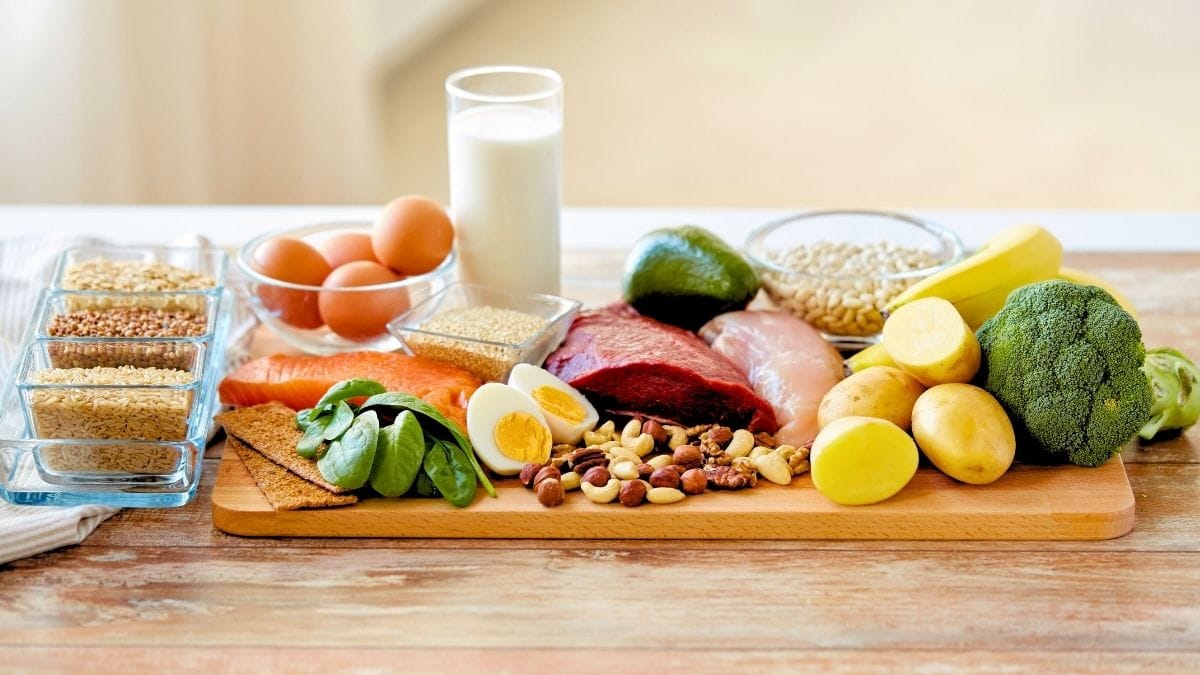
Protein sources that also support bone:
- Greek yogurt (protein plus calcium in one food)
- Eggs
- Canned salmon or sardines with bones
- Lentils and beans
- Lean poultry
If you’re not hitting your protein target most days, that gap may matter more to your bones than you think.
6- The Test Doctors Book for Themselves First, Before Recommending Anything Else
You can follow every habit in this article and still have no idea whether it’s working.
Silent damage is the real risk with bone loss.
People find out their bones are weak when they break one.
A DXA scan [dual-energy X-ray absorptiometry, a low-radiation imaging test that measures bone mineral density at the hip and spine] takes about 10 minutes, is painless, and uses radiation equivalent to less than two days of natural background exposure.
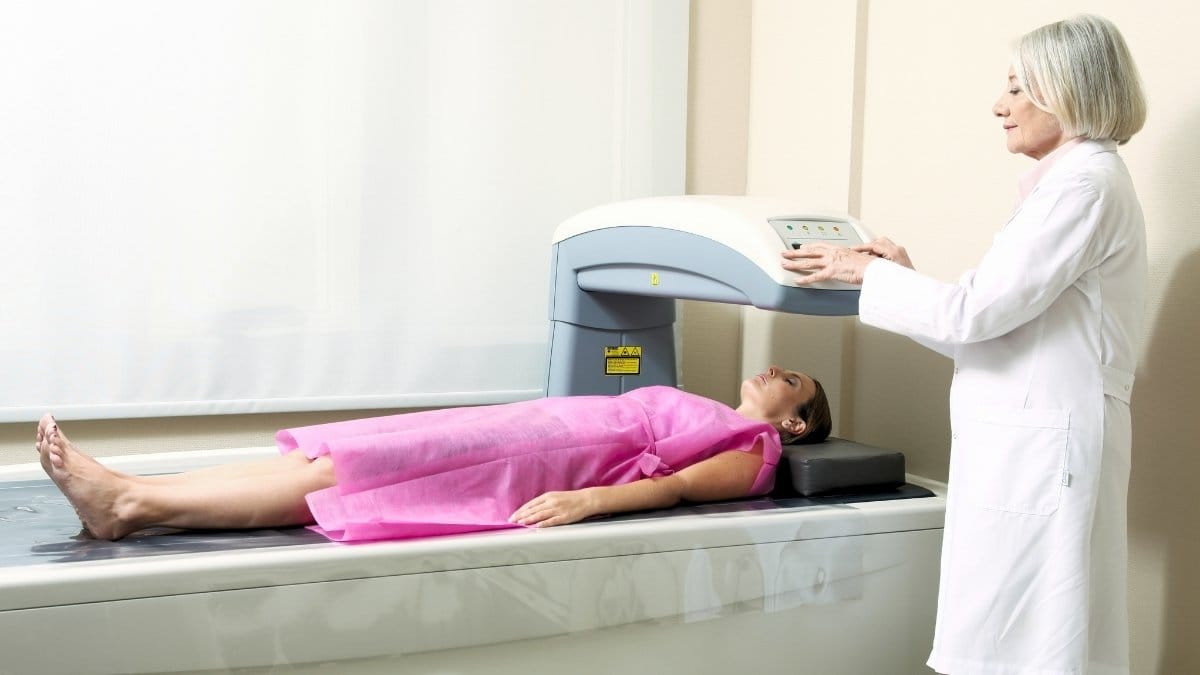
It gives you a T-score [a number comparing your bone density to a healthy young adult’s: a score between -1 and -2.5 means low bone density; below -2.5 means osteoporosis], which is the number that tells you where you actually stand.
The U.S. Preventive Services Task Force recommends bone density screening for all women aged 65 and older, and for younger postmenopausal women with elevated fracture risk.
The Bone Health and Osteoporosis Foundation recommends DXA from age 65 for women and age 70 for men, or from age 50 for those with fracture risk factors such as a family history, prior fracture, or long-term steroid use.
Medicare covers the scan every two years for eligible adults.
A DXA scan gives you a baseline.
Repeat scans every one to two years let you track whether the habits in this article are actually moving your numbers.
Knowing your numbers is the only way to tell whether any of the habits in this article are actually working for you.
7- The Daily Movement Pattern Doctors Use to Replace What Aging Takes Away
Two or three workout sessions per week matter.
What happens in the other 23 hours of each day also matters, and most bone health articles don’t mention it.
If you sit for most of the day, your bones are getting far less signal than they need.
Prolonged sitting removes the mechanical load bones need to stay dense.
A cross-sectional study of 1,116 older women in China found that those who accumulated 10,000 or more steps per day had significantly better bone quality at the heel compared to women taking fewer than 6,000 steps per day, and the association held for both slow and brisk walking.
The total number of steps taken across the day, not just during formal exercise, was the key variable.
The Tromsø Study, a large population study, found that each additional 60 minutes of moderate-to-vigorous activity per day was associated with measurably higher hip bone mineral density in both men and women after adjusting for age, BMI, and smoking.
Bone specialists tend to build low-level movement into the fabric of their day, not just into workouts.
Simple habits that add up:

- Walking during phone calls instead of sitting
- Taking stairs over elevators when possible
- Standing while cooking or folding laundry
- Parking farther away and walking in
None of these feel like exercise.
That’s the point.
They keep the skeleton loaded throughout the day in small, repeatable ways that compound over weeks and months.
Combined with resistance training, these habits work together to strengthen bones after 60 by restoring the daily mechanical signal that aging removes.
Conclusion
The single best step you can take today is to know your numbers.
Ask your doctor for a bone density scan and a vitamin D blood test at your next visit.
That one conversation will tell you more about how to strengthen bones after 60 than any article can.
The seven habits here all have evidence behind them, but none of them replace knowing where you actually stand.
Everything here is built to help you strengthen bones after 60 in ways that last.
Start there.
Disclaimer
This article is for informational and educational purposes only and is not intended as medical advice. The research, statistics, and protocols referenced here are based on published studies and are meant to inform, not diagnose, treat, or replace personalized guidance from a qualified healthcare provider.
Bone health needs vary widely from person to person based on existing conditions, medication, fracture history, and overall health.
Before starting a new exercise program, changing your calcium or vitamin D intake, adjusting your protein intake, or making any other changes based on this article, please consult your doctor, especially if you are on medication, managing a heart condition, recovering from a fracture, or have osteoporosis. Always speak with a healthcare professional before requesting or interpreting any blood test or bone density scan