
You have heard that protein builds muscle. But could the right proteins also sharpen your mind? If you have searched for answers online, you have very likely found conflicting headlines. Some say protein protects the aging brain.
Others warn that too much protein accelerates decline. Both claims have research behind them, which is why the confusion is real and not your fault.
This article cuts through the noise. You will learn which five protein-rich foods have the strongest research linking them to cognitive benefits, what realistic changes to expect over 30 days, and how to add these foods safely to your daily diet.
Protein needs increase meaningfully after age 65, and not all sources affect your brain the same way.
Why Protein Matters for Your Brain
Your brain runs on chemistry, and protein provides the raw materials. When you eat protein, your body breaks it down into amino acids. Those amino acids then serve as building blocks for neurotransmitters like serotonin, dopamine, and acetylcholine, which regulate mood, focus, and memory.(https://www.nationalacademies.org/read/9620/chapter/19)
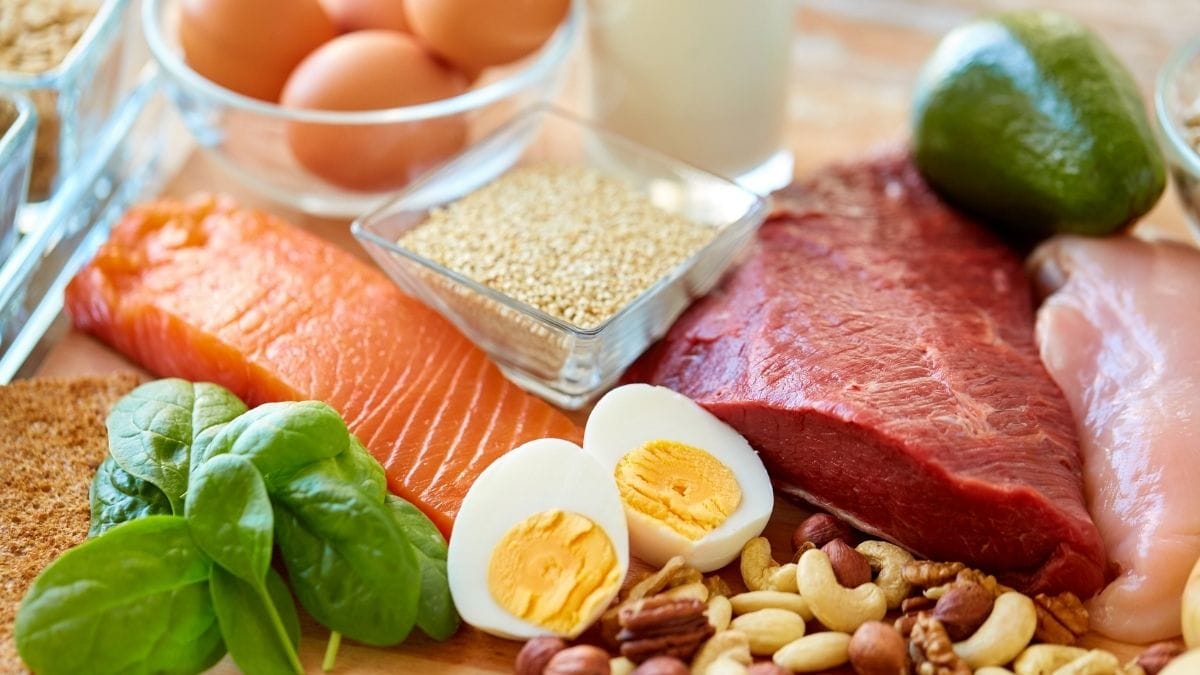
But here is the catch. Not every amino acid reaches your brain. The blood-brain barrier controls what gets through, so the source and quality of your protein matters as much as the quantity. A steak, a salmon fillet, and a bowl of lentils all deliver protein, but they do not affect your brain the same way.
This matters more as you age. Adults over 65 benefit from 1.0 to 1.2 grams of protein per kilogram of body weight per day, which is higher than the standard 0.8 g per kg recommended for younger adults. (https://www.ncoa.org/article/how-much-protein-do-older-adults-need/)

As the Cleveland Clinic notes, adequate protein intake may protect brain health and slow the cognitive decline that occurs naturally with age.
1- Fatty Fish: Omega-3s Plus High-Quality Protein
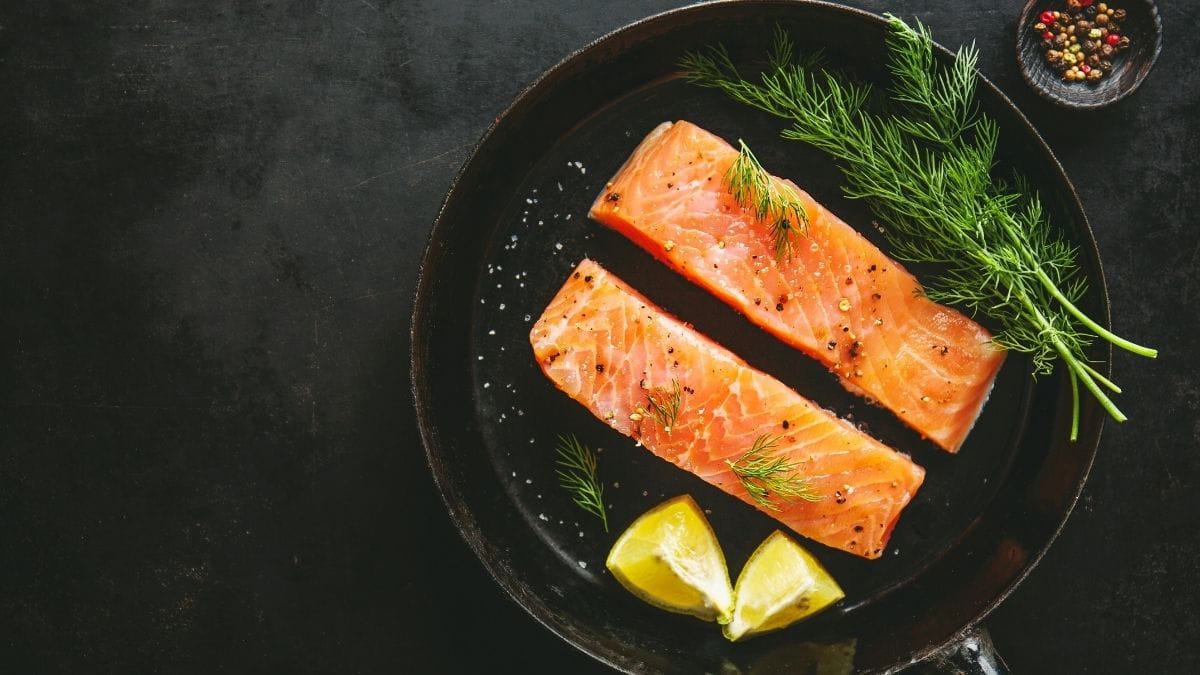
Salmon, sardines, and mackerel are not just protein sources. They are packaged with DHA and EPA, two omega-3 fatty acids that integrate into neuronal membranes and support synaptic plasticity, the process by which brain cells form and strengthen connections.
However, the supplement version tells a different story. A 2026 two-year randomized trial found that high-dose DHA supplementation, 1,290 mg DHA plus 450 mg EPA daily, raised brain omega-3 levels in older adults at dementia risk but did not improve memory, cognition, or hippocampal volume compared to placebo. (https://www.sciencedaily.com/releases/2026/06/260622014300.htm)
This suggests whole fish may offer benefits that isolated supplements do not replicate, possibly due to the complete protein and nutrient co-factors present in food.
Observational data links moderate fish consumption to slower cognitive decline. Aim for two to three servings per week and choose low-mercury options like wild-caught salmon or canned sardines. Speak with your doctor before starting any new dietary program.
2- Eggs: Choline, Tryptophan, and Memory Support

One large egg delivers about 150 mg of choline, a nutrient your brain uses to make acetylcholine, often called the memory neurotransmitter. Eggs also contain tryptophan, a precursor to serotonin, and phospholipids that help modulate neurotransmitter receptors.
In addition, a 2025 systematic review of 11 studies covering more than 38,000 participants found that moderate egg consumption was associated with reduced dementia risk and better memory performance in some studies. (https://pmc.ncbi.nlm.nih.gov/articles/PMC12538690/) But the evidence is not uniform.
High intake above one egg per day showed mixed or null results across cognitive domains.
Most studies showing benefits used 0.5 to 1 egg per day. More is not necessarily better, and individual factors like cardiovascular health may affect how eggs fit into your diet.
Speak with your doctor before making changes to your eating pattern.
3- Lean Poultry: Complete Protein Without Excess Saturated Fat

Chicken and turkey give you all essential amino acids with lower saturated fat than beef or pork. This matters because saturated fat in excess may contribute to inflammation that affects brain tissue over time.
Recent research suggests lean poultry fits well within dietary patterns linked to slower brain aging.
A 2026 cohort study found that among adults with the APOE e4/e4 genotype, higher total meat consumption was associated with better cognitive trajectories and reduced dementia risk compared to lower intake. (https://pubmed.ncbi.nlm.nih.gov/41854609/)
This fits into broader findings on Mediterranean-style eating, which includes moderate lean meat alongside vegetables, whole grains, and healthy fats.
A three-ounce serving of chicken, roughly the size of a deck of cards, delivers about 25 grams of protein.
This makes it one of the most practical proteins to incorporate across three meals per day. Speak with your doctor before starting any new dietary program, particularly if you have existing health conditions.
4- Greek Yogurt and Whey: Muscle-Brain Axis Support
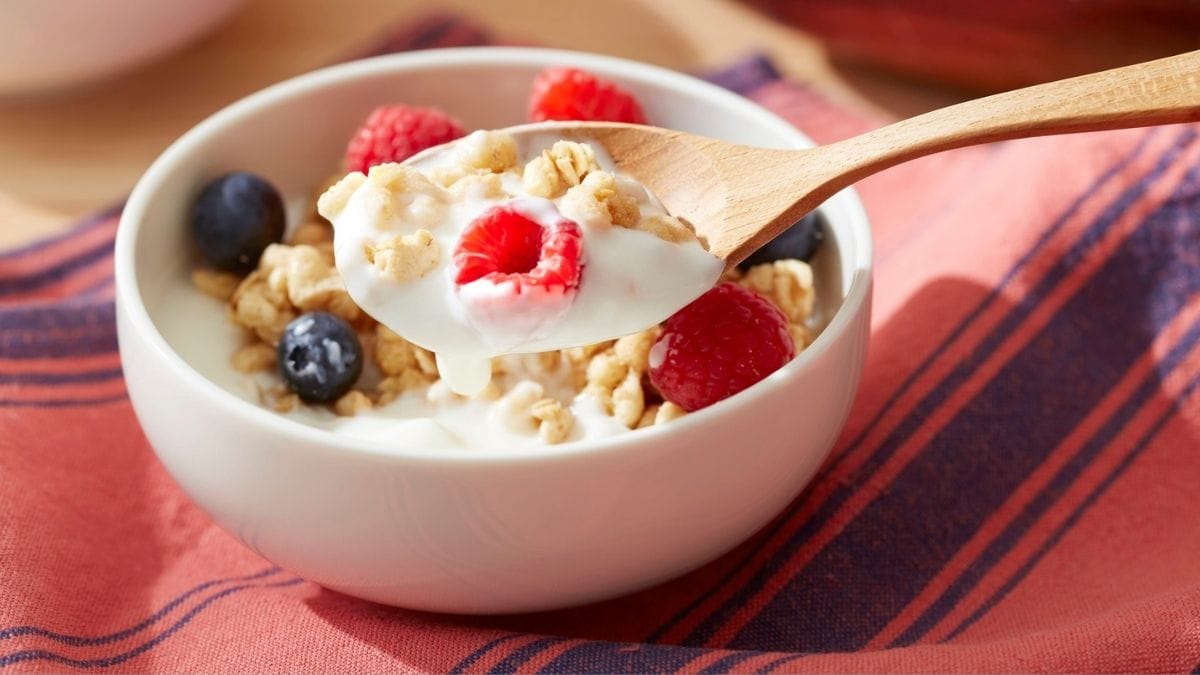
Greek yogurt is not just breakfast. A single serving delivers roughly 20 grams of protein along with probiotics that may influence gut-brain signaling, a pathway researchers are still working to fully map.
Whey protein, found in high concentrations in Greek yogurt and available as a supplement, is rich in cysteine. Your body uses cysteine to produce glutathione, an antioxidant that may help combat oxidative stress in brain tissue.
A 2026 study of 68 sarcopenic older adults found that those following a Mediterranean diet combined with 10 grams per day of whey protein showed significant improvements in memory test scores and executive function over six months compared to diet alone. (https://pmc.ncbi.nlm.nih.gov/articles/PMC13421900/)
The limitations are real, though. The study was small, observational in design, and the benefit appeared linked to the combination of diet and protein, not whey alone.
Evidence indicates whey protein supplementation without exercise and overall dietary change offers limited benefit. Replace sugary breakfast cereals with plain Greek yogurt topped with berries and nuts as one practical starting point.
5- Legumes and Soy: Plant Protein with Isoflavones
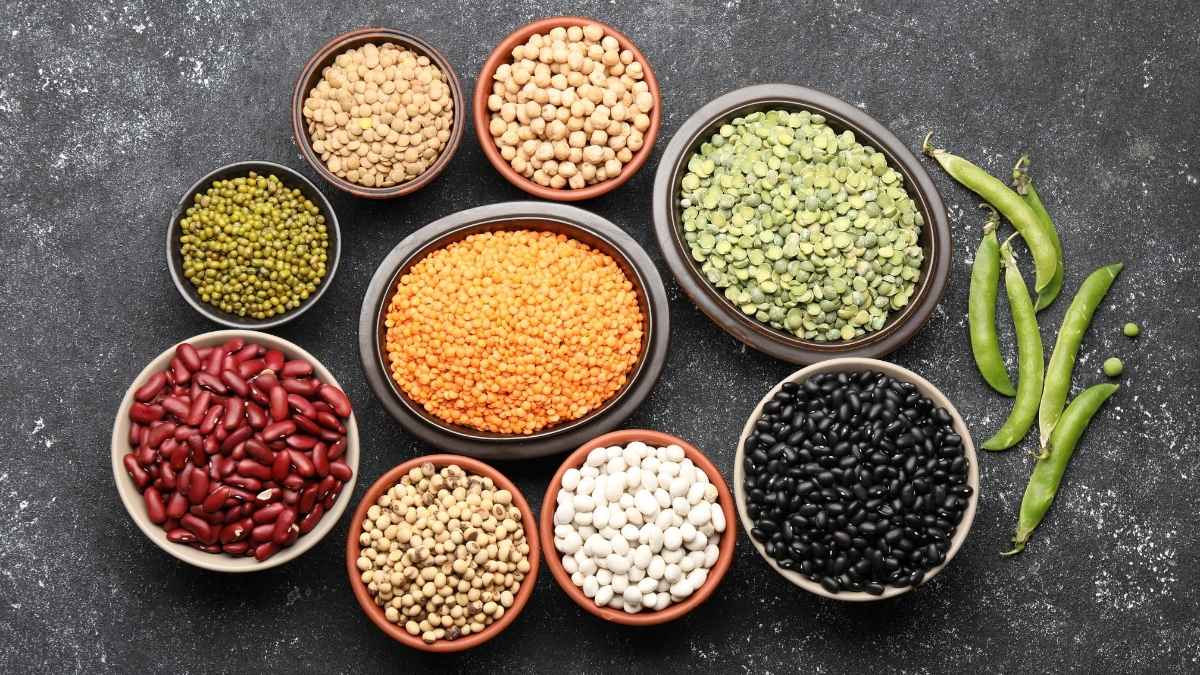
If you are reducing animal protein, beans and fermented soy offer brain-supportive compounds you will not find in meat. Lentils, chickpeas, and black beans provide protein alongside fiber and polyphenols that may support vascular health in the brain.
Fermented soy products like tempeh and miso appear especially promising.A 2025 randomized controlled trial found fermented soy improved memory in adults 65 and older, with the strongest effects seen in women over 70.
A broader 2026 meta-analysis of 16 randomized controlled trials covering 1,386 participants found soy isoflavones significantly improved memory with a pooled effect size of 0.33. (https://pubmed.ncbi.nlm.nih.gov/41483829/)
One trial showed benefit. A broader analysis found consistent signal. But it is worth knowing that some studies link high tofu intake to worse memory in older Asian adults, while fermented soy shows opposite effects.
The type of soy appears to matter. Speak with your doctor before adding new supplements or making significant dietary changes.
What to Expect in 30 Days and What the Research Doesn’t Support

Let us be honest. Thirty days will not reverse decades of brain aging. What you may notice are subtler shifts: more consistent energy, better meal satiety, and possibly modest improvements in focus. These are realistic possibilities, not guarantees.
Here is something the research also shows. A 2025 longitudinal study of 1,339 Dutch adults aged 55 and older found that higher total protein intake was associated with lower episodic memory and faster decline in global cognition and processing speed over time. (https://pmc.ncbi.nlm.nih.gov/articles/PMC12500841/)

This does not mean protein is harmful. It means source, quantity, and overall dietary pattern all matter.
On the other hand, a Cleveland Clinic expert noted that consuming adequate protein as we age may protect brain health and slow natural cognitive decline.
The contradiction is not a flaw in the research. It reflects the reality that protein brain health is shaped by what else you eat, how much you move, how well you sleep, and your genetics.
Protein is one piece of a larger puzzle that includes cognitive function, exercise, social connection, and diet quality.
How to Add These Proteins Safely to Your Diet
Consult your healthcare provider before making significant dietary changes, especially if you have kidney disease, are taking medications that affect protein metabolism, or have other chronic health conditions.

Here is how to do it wisely. PROT-AGE and ESPEN guidelines recommend 1.0 to 1.2 grams of protein per kilogram of body weight per day for healthy older adults, distributed as approximately 25 to 30 grams per meal across three meals.(https://www.sciencedirect.com/science/article/pii/S1525861013003265)
Spreading protein across the day supports better muscle protein synthesis than eating most of it in one sitting.
Pair these proteins with vegetables, whole grains, and healthy fats for synergistic brain benefits. Watch out for sodium in processed meats, added sugars in flavored yogurts, and mercury in certain large fish like swordfish and king mackerel.
These proteins work best as part of an overall brain-healthy lifestyle, not as standalone fixes.
Conclusion
Fatty fish, eggs, lean poultry, Greek yogurt, and legumes each offer distinct pathways to support brain health. Evidence suggests these foods may help, though results vary by individual. Work with your healthcare provider to find the right fit. Improving protein brain health for cognitive function starts one food at a time.
Medical Disclaimer
This article is for educational purposes only and does not replace professional medical advice or individualized care. Cognitive aging and brain health outcomes vary significantly from person to person, and no dietary change can guarantee protection against memory decline or neurodegenerative disease. Research findings described in this article relate to specific populations in study settings and may not apply to your individual situation, health history, or genetic profile. If you have ongoing or worsening symptoms related to cognitive function, memory, or brain health, consult a qualified healthcare professional before making any changes to your diet, exercise, or supplement routine.