A purple vegetable may be more interesting for skin health than kale, but not for the reason viral headlines claim. You have probably seen posts saying one purple food will rebuild your collagen in 21 days.
That sounds great. The problem is the evidence is more nuanced than that.
Purple vegetables do contain compounds that researchers are actively studying. Some of those studies show real, measurable changes in skin.
But the story behind collagen is more complicated than a single food can tell. In this article, you will learn which purple vegetables contain helpful compounds, what science suggests about anthocyanins and skin aging, and why vitamin C matters more directly when it comes to collagen.
What the Headline Gets Right
Purple vegetables often do contain anthocyanins. These are antioxidants. That part is true. Research suggests antioxidants may help reduce oxidative stress, which is one factor linked to skin aging.
That said, the evidence points to support, not a guaranteed collagen “boost.” A 12-week randomized trial of an anthocyanin-containing rose petal extract found improvements in wrinkle indices, elasticity, dermal density, and sagging compared to a placebo group. That is a meaningful result.
But note the details: 12 weeks, an extract, and controlled conditions. The headline version (“eat this and get results fast”) skips those details.
Food may help, but it is not a standalone treatment, and outcomes in human studies usually take weeks to months, not days.
Why Purple Plants Interest Researchers
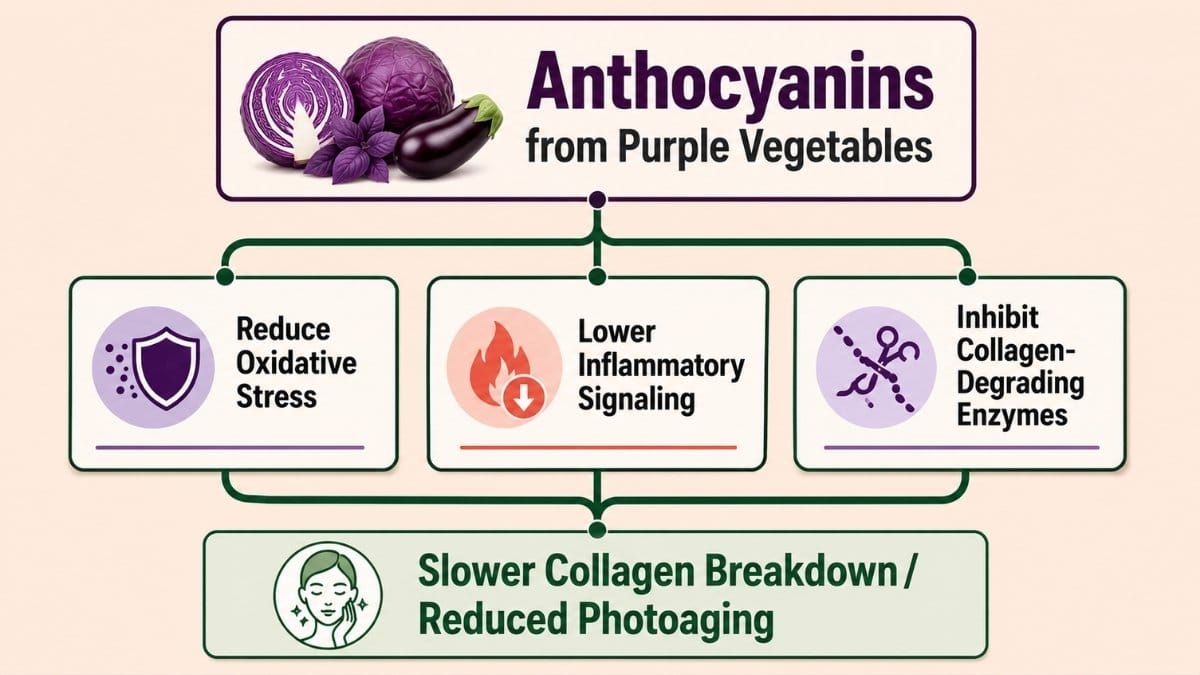
Anthocyanins are pigments. They give purple, blue, and red produce their color. Scientists are exploring their antioxidant, anti-inflammatory, and collagen-supportive potential.
Reviews report that anthocyanins may reduce photoaging (skin damage from sun exposure) by lowering oxidative stress, reducing inflammation, and slowing collagen breakdown. Those are real mechanisms worth studying.
Here is the honest part: much of the stronger evidence comes from preclinical research. That means lab and animal studies.
Human trials exist but are fewer. There is a difference between “biologically plausible” and “proven in people.” Researchers are interested. That does not mean the case is closed.
What Collagen Needs to Be Made
Collagen is a structural protein. It gives your skin its strength and firmness. Your body builds it, but it needs help.
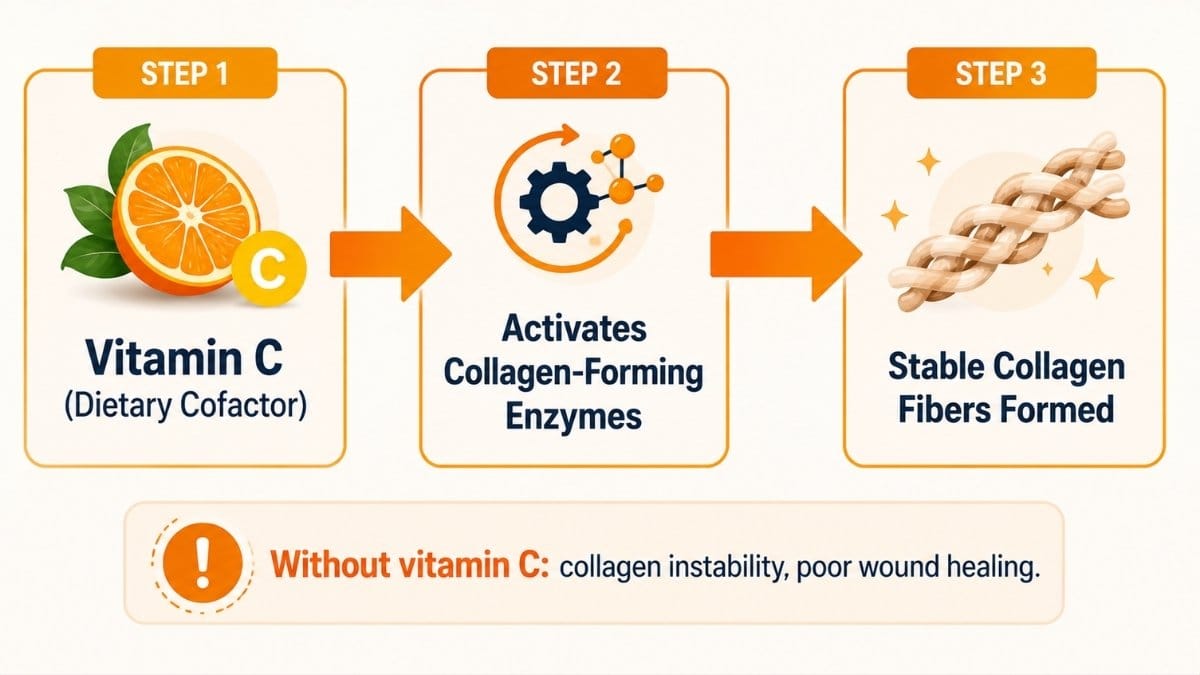
Vitamin C is a required cofactor for collagen biosynthesis. According to the NIH Office of Dietary Supplements, collagen formation cannot happen normally without it. A deficiency can cause scurvy and poor wound healing. That is how essential it is.
Eating vitamin C-rich foods supports normal collagen production. Purple vegetables sometimes contain vitamin C, but not always in high amounts.
Green bell peppers, strawberries, and broccoli often deliver more per serving. If you are considering vitamin C supplements, the NIH notes the adult upper limit is 2 grams per day. Consult your doctor before starting any supplement.
What the 21-Day Claim Misses
There is no strong evidence that one purple vegetable changes collagen in exactly 21 days. That number is not from research. It is from marketing.
Most human skin studies measure changes over 8 to 12 weeks or longer. A meta-analysis on hydrolyzed collagen, for example, found effects after 8 weeks or more. Results also depend on your full diet, sun exposure, age, and baseline nutrient levels.
Another important detail: studies often test extracts or concentrated supplements, not whole vegetables eaten at normal amounts. Eating purple sweet potato at dinner is not the same as taking a standardized extract at a clinical dose.
Both may be useful, but they are not the same thing.
The Best Evidence-Based Purple Foods to Include
If you want to add more purple produce to your diet, these are good options backed by research interest:
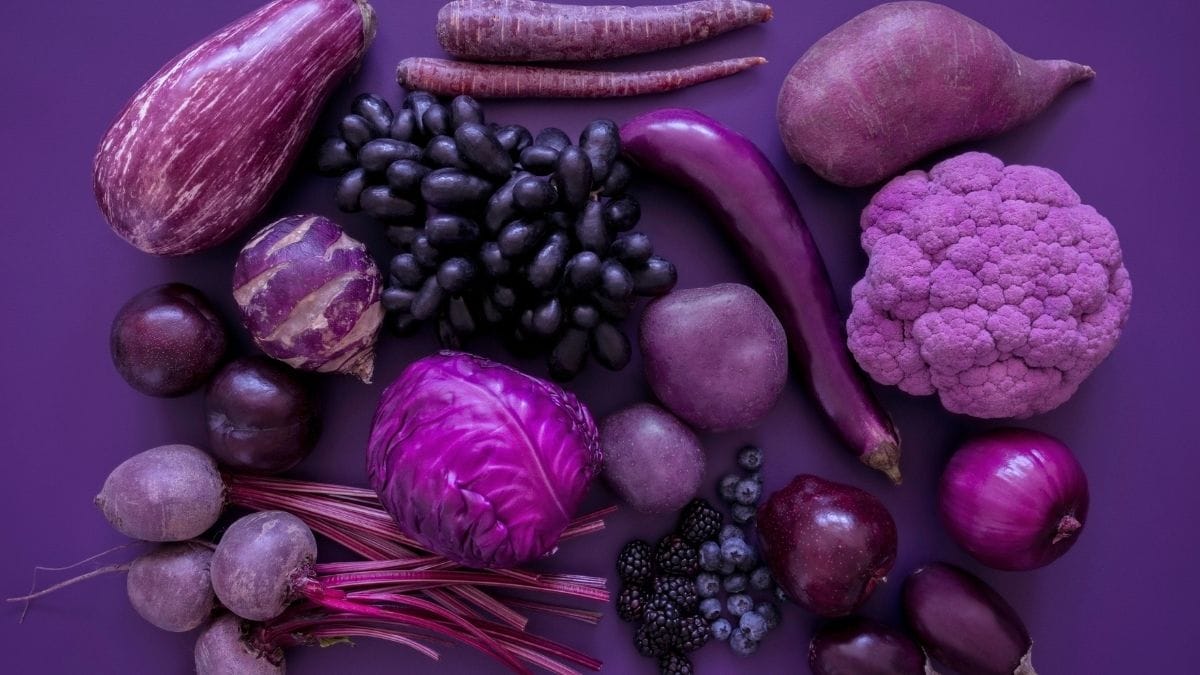
- Blueberries and black currants: among the highest in anthocyanins, with more human study data
- Purple sweet potato: rich in polyphenols and carotenoids, though less studied for anthocyanins specifically
- Red cabbage: a good source of anthocyanins and vitamin C
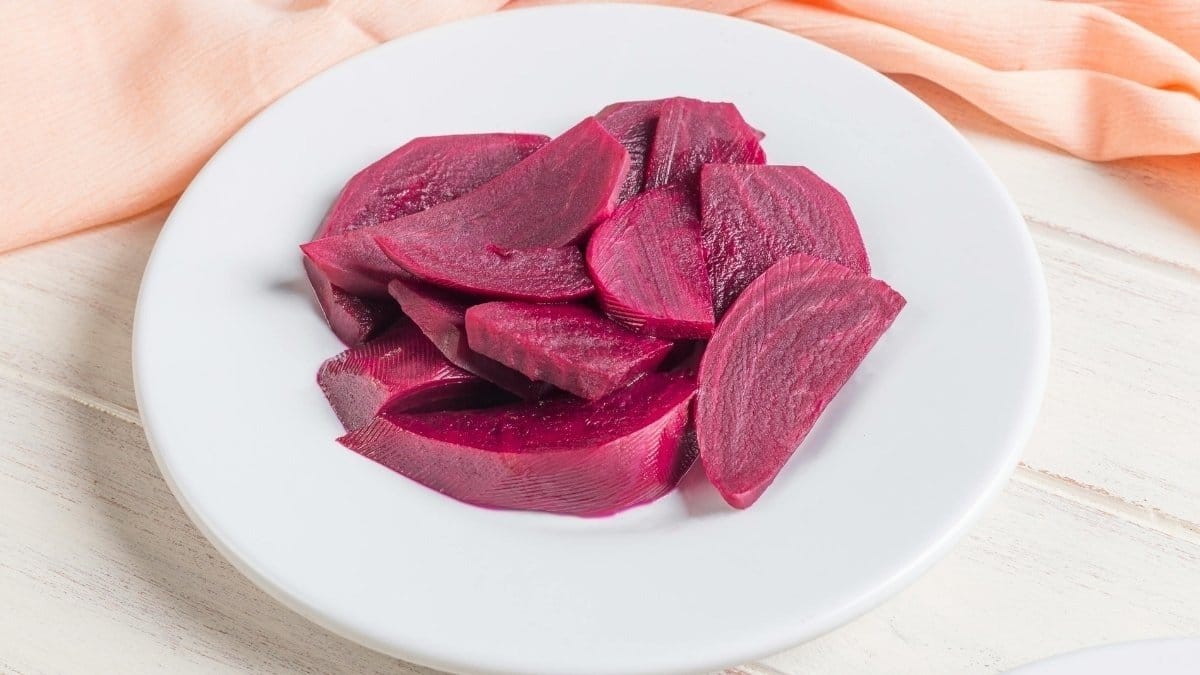
- Beets: contain betalains, a different pigment with antioxidant properties
- Purple cauliflower: anthocyanin content with the nutritional profile of standard cauliflower
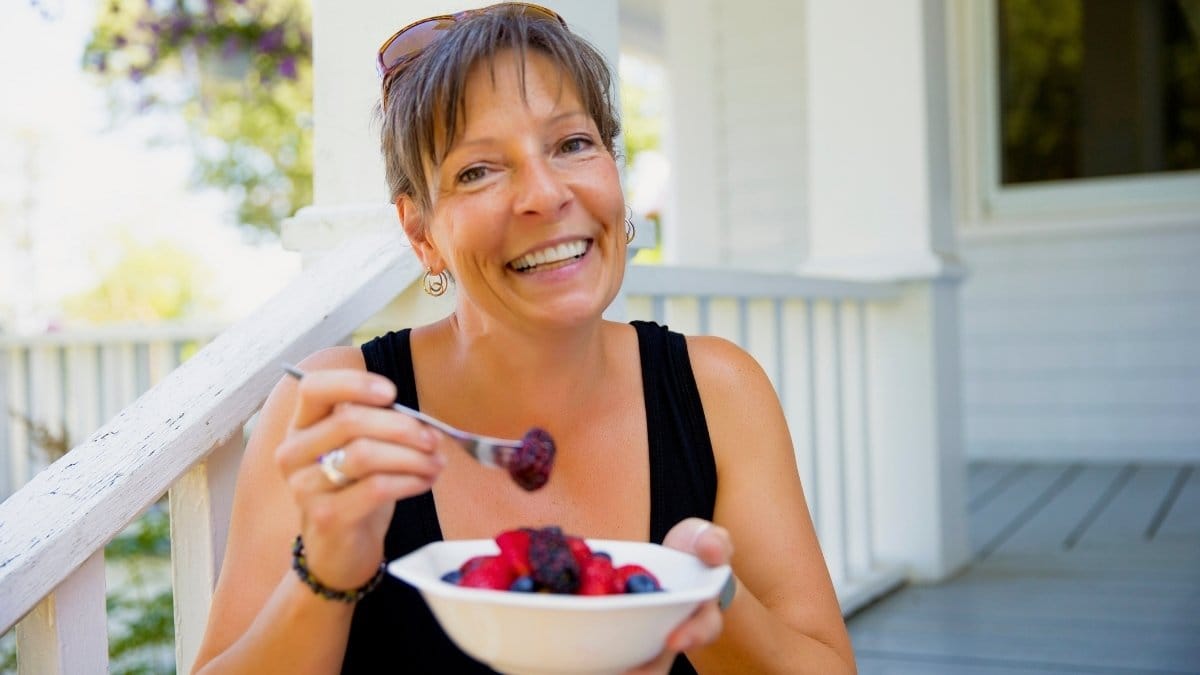
These foods work best as part of a wide, produce-rich diet. Anthocyanin-rich extracts from berries have shown skin improvements in clinical and preclinical studies, but product type and dose vary widely.
Consult your doctor before starting any concentrated extract or supplement.
Conclusion
Purple vegetables may support skin health through anthocyanins. But collagen depends heavily on vitamin C and your overall diet, not one food alone. Build a produce-rich routine instead of chasing a single fix. That approach, backed by real evidence on purple veggie collagen, is the one most likely to help over time.