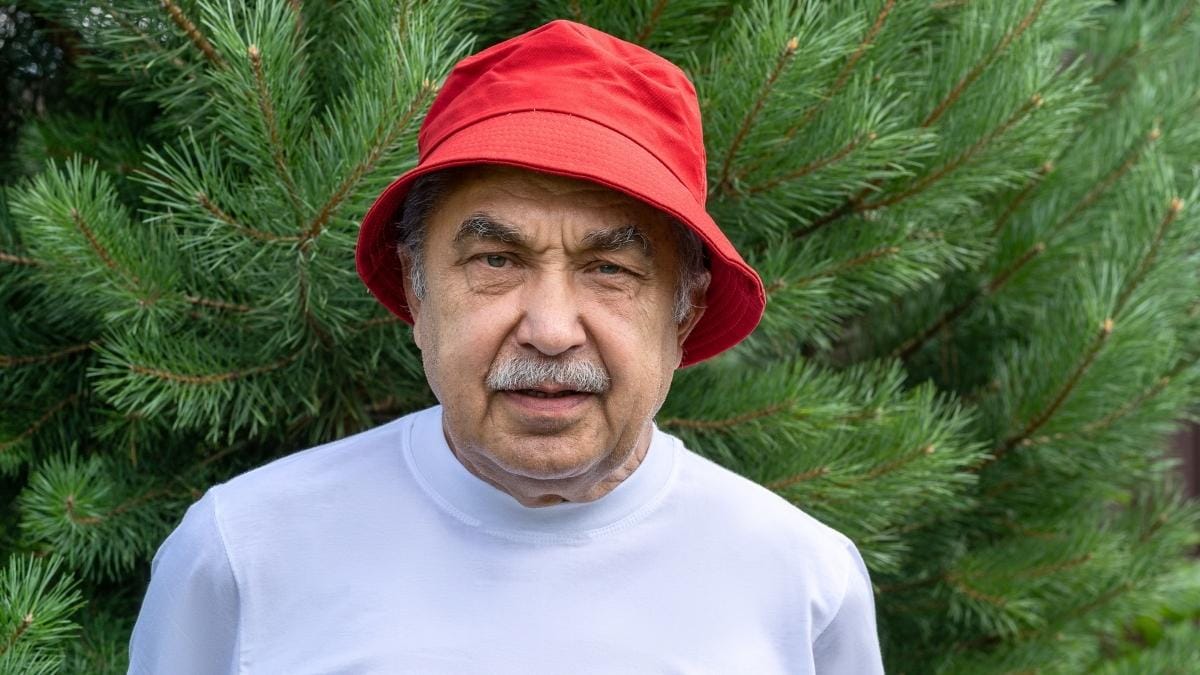
At 70, I wasn’t looking for a miracle. I just needed something small enough to do on my worst day.
Nobody told me that getting older could feel this heavy. The mornings were blank. The days blurred together. I wasn’t sick. I wasn’t in crisis. I was just gone.
If you’re reading this, you probably know that feeling. You’ve been told to “stay active” or “keep busy.” But when getting out of bed feels like climbing a hill, that advice doesn’t help. It just makes you feel worse for not doing it.
These are the low-effort mental health routines for seniors that actually worked for me. Just small, real habits that helped me feel like myself again.
The Dark Place Nobody Warns You About at 70
Nobody talks about this enough. Depression in older adults is one of the most missed mental health problems out there. Doctors miss it. Families miss it. And most seniors stay quiet about it, thinking, “What do I have to complain about?”
But the numbers are real. The World Health Organization says about 14% of adults aged 70 and over live with a mental disorder.
A 2024 FAIR Health report found a 42.4% jump in mental health diagnoses among seniors 65 and older. And in 2024, 24% of older adults said they felt lonely often.
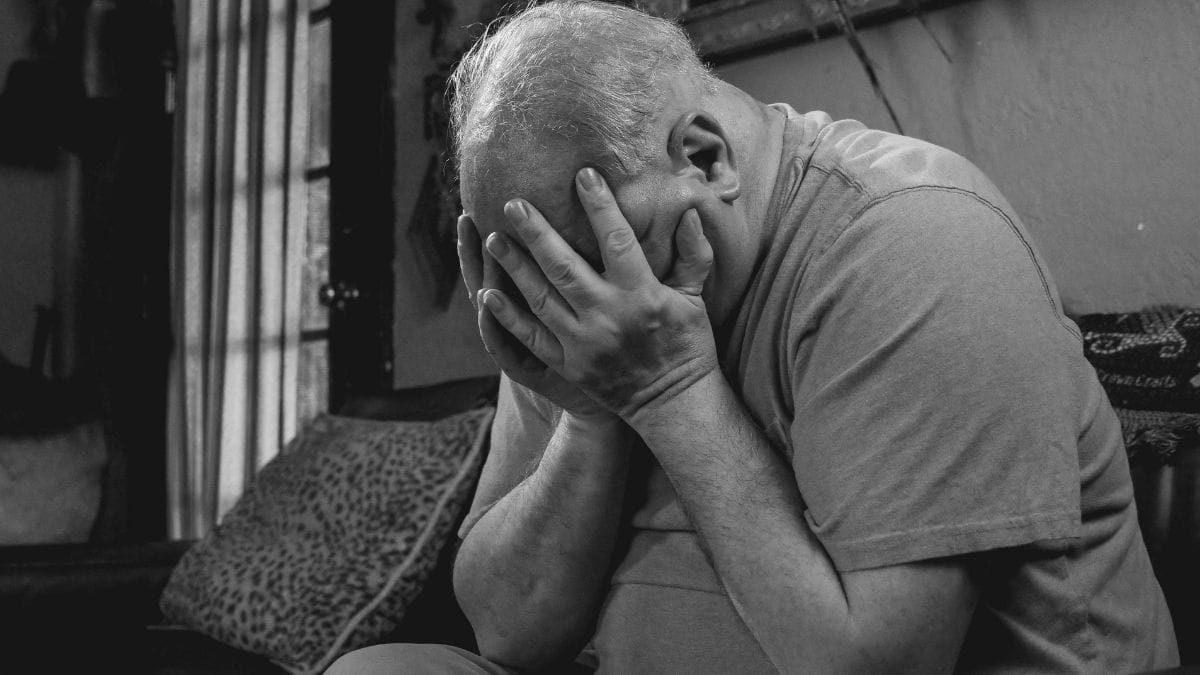
This isn’t said to scare you. It’s said so you know: what you feel is real. It has a name. And it has solutions.
Mental health after 70 matters just as much as at 40. You deserve to feel better. And the first step is knowing you’re not broken. You’re just not getting the right support yet.
Tips:
- Tell your doctor exactly how you’ve been feeling. Use the words “low mood” or “no energy.” Be specific.
- Don’t wait to feel “bad enough.” Getting help early makes everything easier.
Why Big Changes Don’t Work When You’re Already Low
Here’s something most people get wrong. They think you need motivation to start. You don’t. Motivation comes after you act, not before.
When you’re low, your brain doesn’t have fuel. Big routines fail because they need energy that depression already took. You can’t run when you’re running on empty.
Low-effort daily habits work because they cost almost nothing to start. This is called behavioral activation in psychology. You do a tiny thing. Your brain gets a small reward. Then the next tiny thing gets slightly easier.
Think of it like a dead car battery. You don’t press the gas harder. You just need a small jump to get it going again.
Simple routines for seniors don’t have to look impressive. They just have to be real and repeatable. WebMD confirms that even minimal daily structure helps people recover from depression. A checklist. A walk. A cup of tea in the sun.
Here’s what I actually did.
Tips:
- Pick the one habit that feels least scary. Start only there for two full weeks.
- If you miss a day, that’s fine. Just go back the next morning without punishing yourself.
Routine 1: A 10-Minute Morning That Changes the Rest of the Day
The morning sets everything. And you don’t need an hour to fix it.
Here’s the whole thing: water, natural light, one grateful thought. That’s it. Three steps. Ten minutes.
Drink a glass of water first. Your brain wakes up faster when it’s hydrated. Then sit near a window or step outside. Research from Crestwood Manor shows that morning sunlight boosts Vitamin D and supports your mood. Even 10 minutes helps.
Then write down one thing you’re glad exists today. It doesn’t need to be deep. “My coffee.” “The birds outside.” “My old blanket.” That counts. Or read these books.
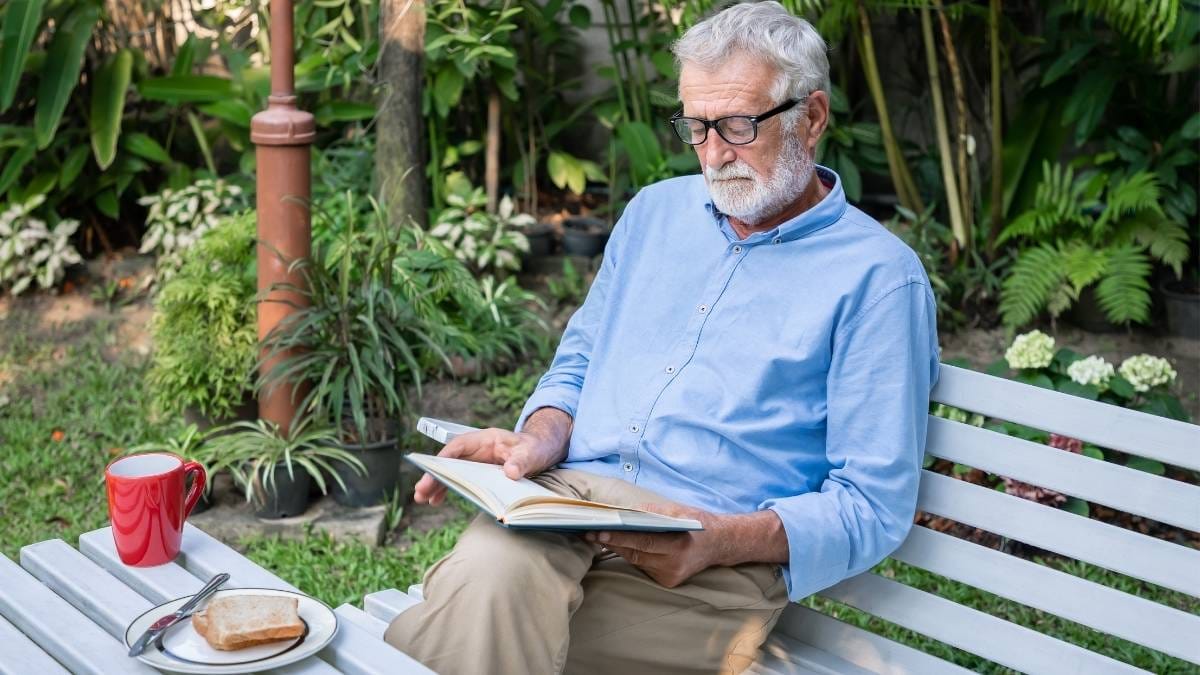
Don’t check the news first. Don’t scroll your phone. Seniors Guide notes that checking news or social media right after waking increases stress and negativity. Give your brain 10 minutes of peace first.
This morning routine for seniors sounds too simple. But consistent practice builds a gratitude habit that actually changes how you start each day.
Tips:
- Keep a small notebook on your nightstand so journaling feels easy, not like a task.
- Try the prompt: “One thing I’m still glad exists today is ___.” Answer it without overthinking.
Routine 2: Moving Your Body Without Calling It Exercise
Forget the word “exercise.” It’s too heavy. Instead, just move.
A 2025 meta-analysis in Frontiers in Public Health found that gentle movement, especially balance training, significantly reduces depression risk in older adults.
The American Academy of Family Physicians gives exercise a Grade A recommendation for lowering depressive symptoms in people over 60.
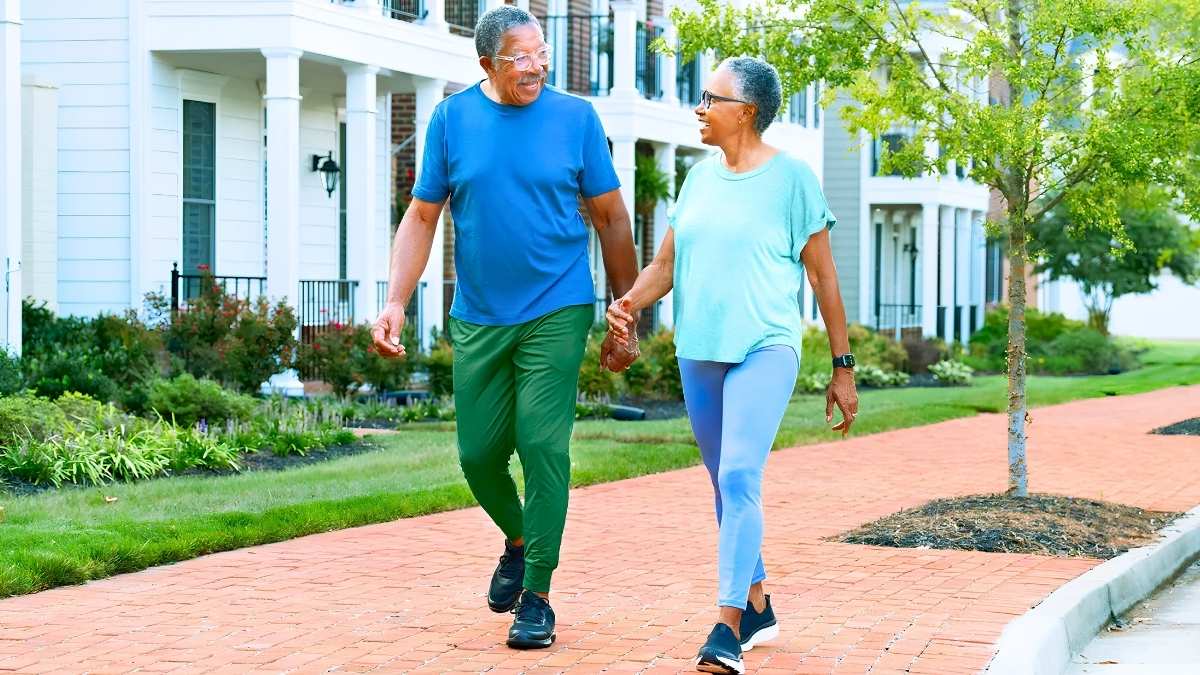
You don’t need a gym. Walking to the mailbox counts. Stretching in the kitchen while the kettle boils counts. A 2024 study on Tai Chi found it improves emotional well-being and quality of life in elderly adults. It’s slow, low-impact, and free on YouTube.
Here’s a beginner plan: a 15-minute walk around the block at the same time every day. Same time matters. It builds a habit anchor in your brain.
If walking is hard, search “Chair Yoga for Seniors” on YouTube. It’s free. You do it sitting down. And it works.
Low-impact movement for older adults doesn’t have to hurt. It just has to happen.
Tips:
- Walk at the same time each day. Consistency builds the habit faster than intensity ever will.
- Put on a favorite song and stretch for one full song. That’s your workout. Done.
Routine 3: One Human Connection Per Day
You don’t need a party. You need one real interaction per day.
Research from the Population Reference Bureau shows that social ties in older adults protect memory, slow aging, and prevent depression.
One study in the National Social Life, Health, and Aging Project found that social disconnection directly predicted higher depression scores in adults aged 57 to 85.
The rule is simple: reach out to one person before the day ends. A text. A short phone call. A hello to a neighbor. It doesn’t need to be long or deep. Small, frequent contact matters more than rare, big conversations.

A study of adults with an average age of 70.75 found that positive daily social interactions created a real sense of purpose every single day.
Don’t wait to be invited. Send the first message. Say something you thought about them. That one move shifts you from passive to active, which is exactly where recovery starts.
Reducing isolation in older adults starts with one honest, human moment per day.
Tips:
- Keep a short list of 3 to 5 people you can contact. Rotate through them during the week.
- Try AARP’s free online community at community.aarp.org if in-person contact is hard right now.
Routine 4: Step Outside (Even Just to the Porch)
You don’t need a hiking trail. You need fresh air and a little sky.
Research confirms that time in natural settings increases serotonin, the brain chemical that supports mood. Studies show that even sitting outside on a porch can lower blood pressure and reduce stress hormones.
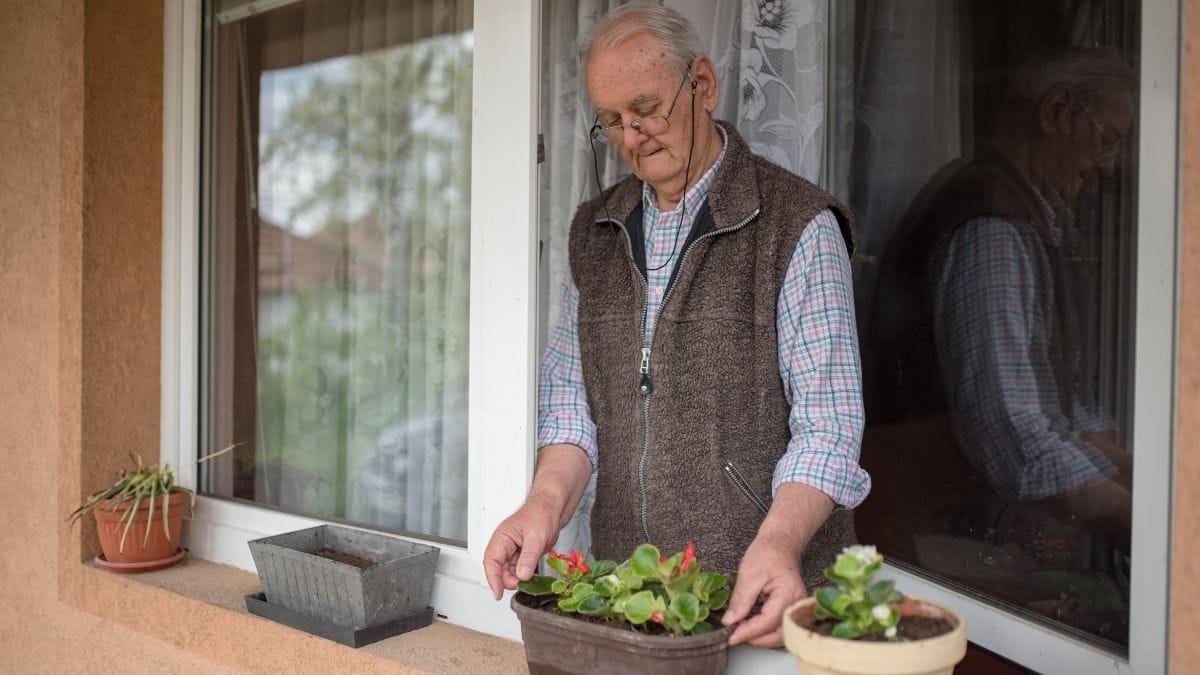
A 2025 study published in NIH journals found that gardening improves mental health, socialization, and quality of life in older adults.
Natural light also regulates your body clock, which improves sleep. Better sleep means better mood the next day. It’s a chain reaction that starts the moment you step outside.
You don’t need a garden. A bird feeder by your window works. A small pot of herbs on a porch works. Sitting outside after breakfast with no phone works. These things count.
Nature and mental health go together in ways scientists are still discovering. But you don’t need a study to feel it. Step outside for 10 minutes. Notice the air. Watch one bird. That’s the whole routine.
Tips:
- Put a chair near your front or back door so going outside has zero friction.
- Start a small herb pot with basil, mint, or rosemary. Watering it daily gives you a reason to go outside.
Routine 5: Give Your Day One Small Purpose
This one is the quietest. And it might be the most powerful.
After retirement, after loss, after the kids are grown, many people quietly lose their sense of being needed. That loss doesn’t always look like sadness. It looks like emptiness. It looks like: why bother?
Purpose doesn’t have to be large. It just has to be real. Write a postcard to someone. Bake one thing and give it away. Water your plants. Teach a neighbor how to make your grandmother’s soup.
Journaling helps here too. Cannon Rivers notes that writing allows seniors to redefine their identity, record what they’ve done, and build a sense of self that doesn’t depend on a job title or role.
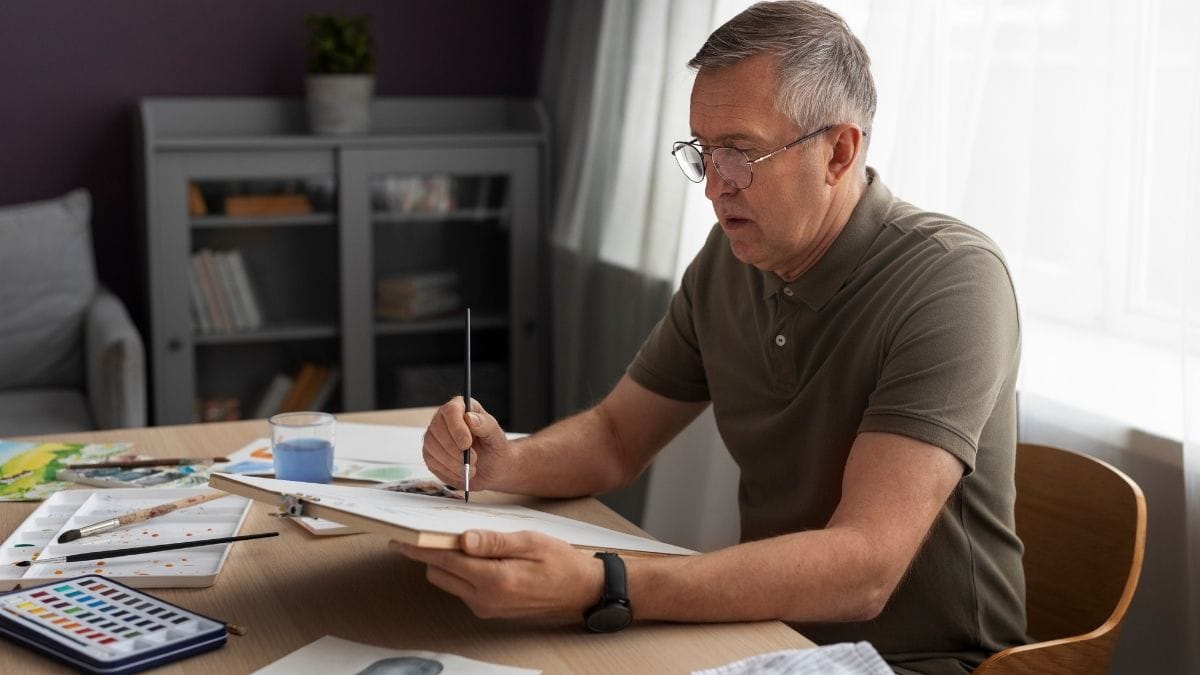
Volunteer work is another option. VolunteerMatch.org lets you find opportunities based on your interest and physical ability. Even one or two hours per week creates a weekly anchor of meaning.
The question to ask yourself each morning: “What is one thing I can do today that someone or something will benefit from?”
Tips:
- Write a physical postcard or letter once a week. Old-fashioned mail creates real connection.
- Check VolunteerMatch.org and filter by “low physical effort” or “remote” to find what fits you.
What I Learned About Stacking These Habits
Don’t try all five at once. That’s how routines fail.
Start with the one that feels least impossible. Do only that one for two full weeks. Then add a second. The key is not doing everything. It’s doing something so consistently that it becomes part of you.
Stack them in order of energy: morning gratitude first, then a short step outside, then one connection, then some movement, then a small purpose. That order matches how your energy builds across the day.
Progress isn’t a straight line. You’ll have bad days. That doesn’t erase what you built. One bad morning doesn’t restart the clock. You just go back to the first small step tomorrow.
A paper checklist on the fridge works better than an app. One checkmark per habit per day. Simple. Visual. Honest.
Consistency beats perfection every time. Daily structure for mental health doesn’t need to be beautiful. It just needs to show up.
Tips:
- Tape a simple paper checklist to your fridge. Just five rows, one per habit. Checkmarks feel good.
- If you miss two days in a row, do only the first habit again. Restart small, not all at once.
As a Conclusion:
Getting out of a dark place at 70 didn’t look like a transformation. It looked like sunlight through a window. A message sent. A sentence written. These habits are small on purpose. Small is what lasts. Pick one. Try it tomorrow. Tell someone you did.