
Adults absorb only about 25% of the calcium they eat. That share keeps falling with age, according to the National Institutes of Health.
The gap matters most if milk is not on your menu. Lactose intolerance, allergy, taste, or diet choice can rule it out. You may worry that one fall could break a hip. Your bones still need calcium.
Strong bones are still within reach. Osteoporosis prevention can rest on a wider plate. Fish, soy, greens, seeds, and one humble dried fruit all have a role. I will cover ten foods worth adding to your week. I will also flag where the evidence is thin. The numbers below explain why variety matters.
Why Calcium Alone Won’t Protect Your Bones
Understanding Bone Density & Remodeling
How your skeletal system evolves and key postmenopausal insights
Bone is Living Tissue
Bones are dynamic tissue that continuously breaks down and rebuilds throughout your entire life.
Postmenopausal Shift
Following menopause, natural biological changes cause the rate of bone breakdown to accelerate rapidly.
Annual Density Loss
NIH reports state that women lose approximately 1% of bone mineral density each year after menopause.
Osteoporosis Prevalence
About 30% of postmenopausal women in the US and Europe have osteoporosis, according to NIH data.
Bone is living tissue. It breaks down and rebuilds all your life. After menopause, the breakdown speeds up. The NIH Office of Dietary Supplements says women lose about 1% of bone mineral density each year after menopause. About 30% of postmenopausal women in the United States and Europe have osteoporosis, the NIH reports.
Calcium is only one input. The same fact sheet says your gut needs vitamin D to absorb calcium. Low vitamin D status cuts absorption more than caffeine or phosphorus do.
Plants add a twist. Some plant compounds bind calcium and block absorption. Spinach shows this best. NIH data show the body absorbs only 5% of spinach calcium, versus 27% from milk.
I judge each food on two points: how much calcium it holds and how well you absorb it. If you tolerate dairy, keep it, since the NIH calls it a rich source.
The NIH adds that people who skip dairy often need fortified foods or supplements to reach their target. The first six foods below help you get there.
Six Everyday Foods That Deliver Calcium Without the Dairy Aisle
Each number below comes from the NIH Office of Dietary Supplements calcium table and uses a standard serving. Mix and match the ones that suit your taste.
1- Canned sardines with bones
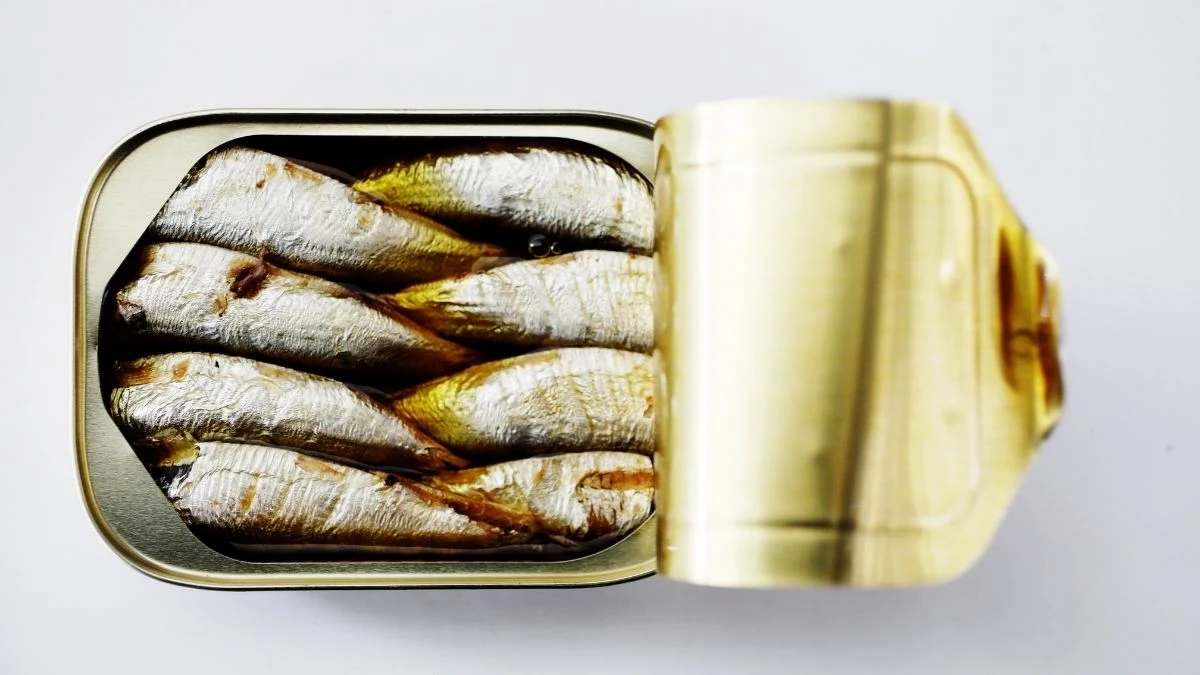
Three ounces of canned sardines with bones hold 325 mg of calcium, according to the NIH Office of Dietary Supplements. That beats a cup of whole milk at 276 mg. Drain them, then pile them on whole-grain toast with lemon.
2- Canned salmon with bones
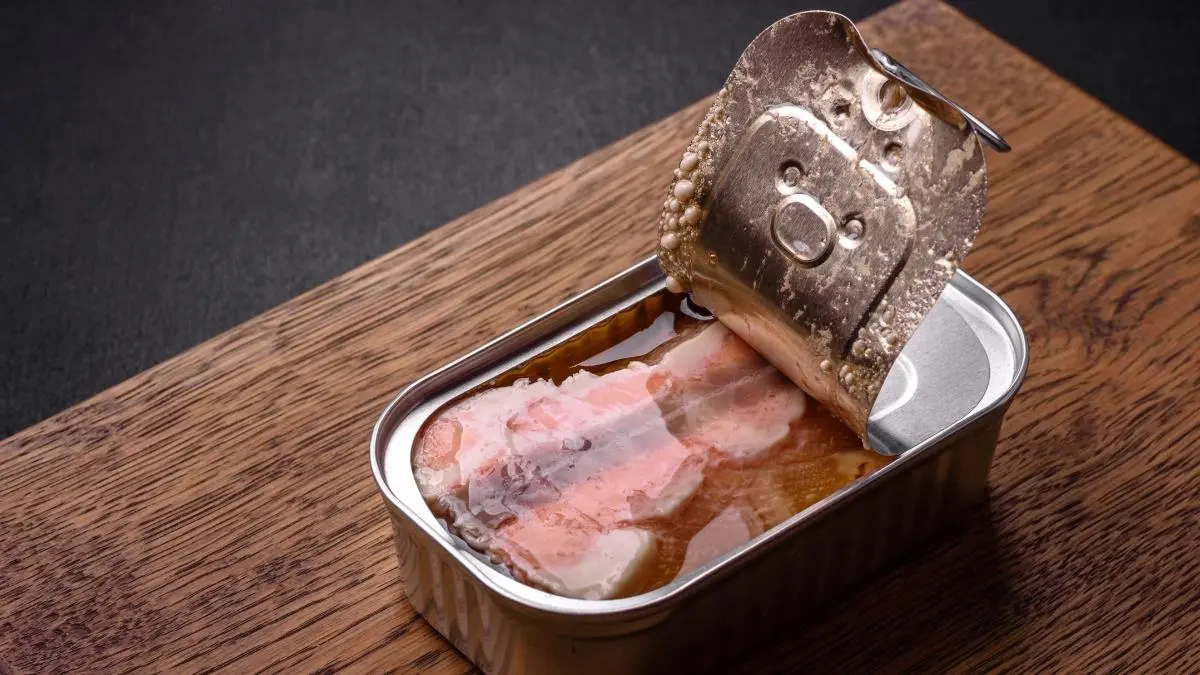
Canned pink salmon with bones gives 181 mg per 3 ounces, the NIH table shows. The calcium comes from the soft bones, so buy cans that include them. Salmon also supplies vitamin D, according to the Dietary Guidelines for Americans. Mash it into patties, and the bones blend in.
3- Calcium-set tofu
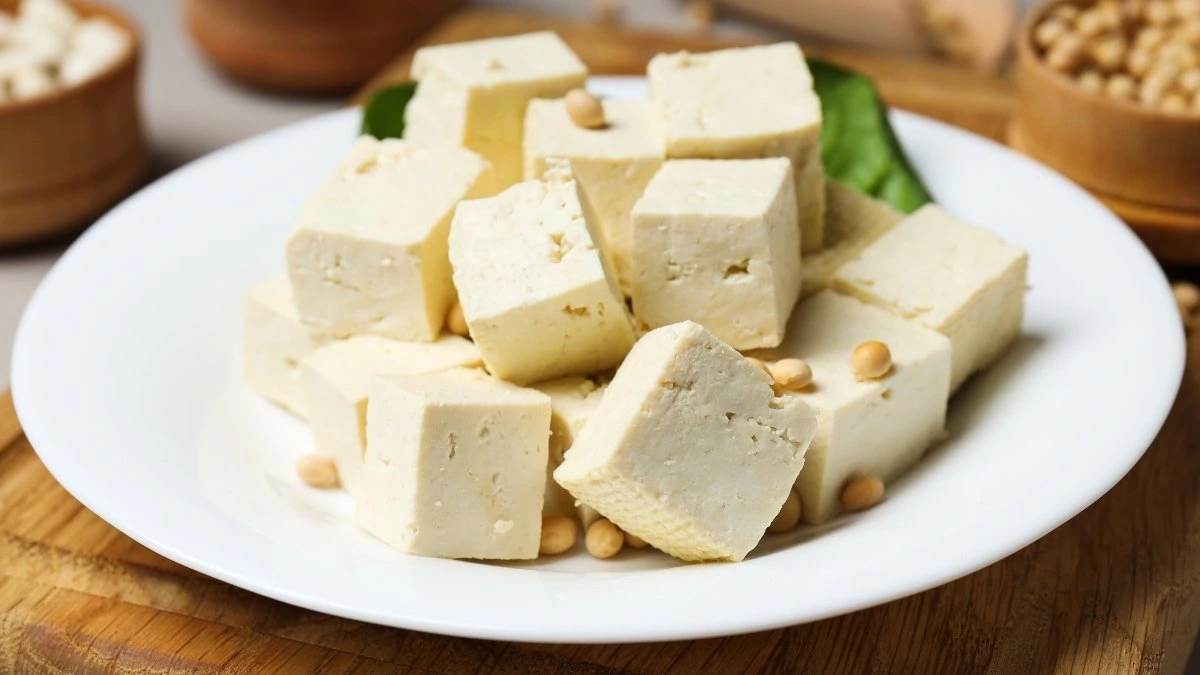
Firm tofu that contains calcium sulfate holds 253 mg in half a cup. Check the ingredient list for it. The NIH says tofu that uses other salts gives little calcium. Cube it into soups and stir-fries.
4- Fortified soy milk
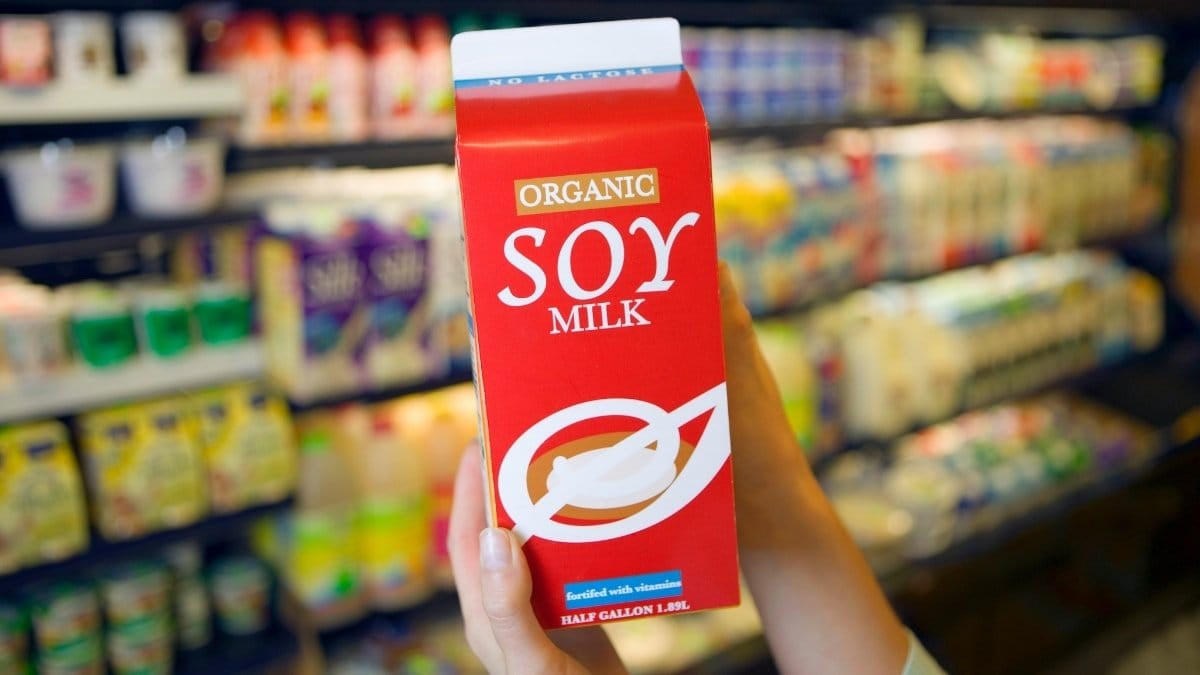
One cup of calcium-fortified soy milk has 299 mg, matching nonfat milk in the NIH table. The NIH also puts absorption from fortified foods at about 30%, the same as dairy.
Brands differ, so read the label. A common slip among people who go dairy-free is to pick any plant milk and assume the calcium comes with it. Shake the carton first, since calcium can settle.
5- Cooked soybeans
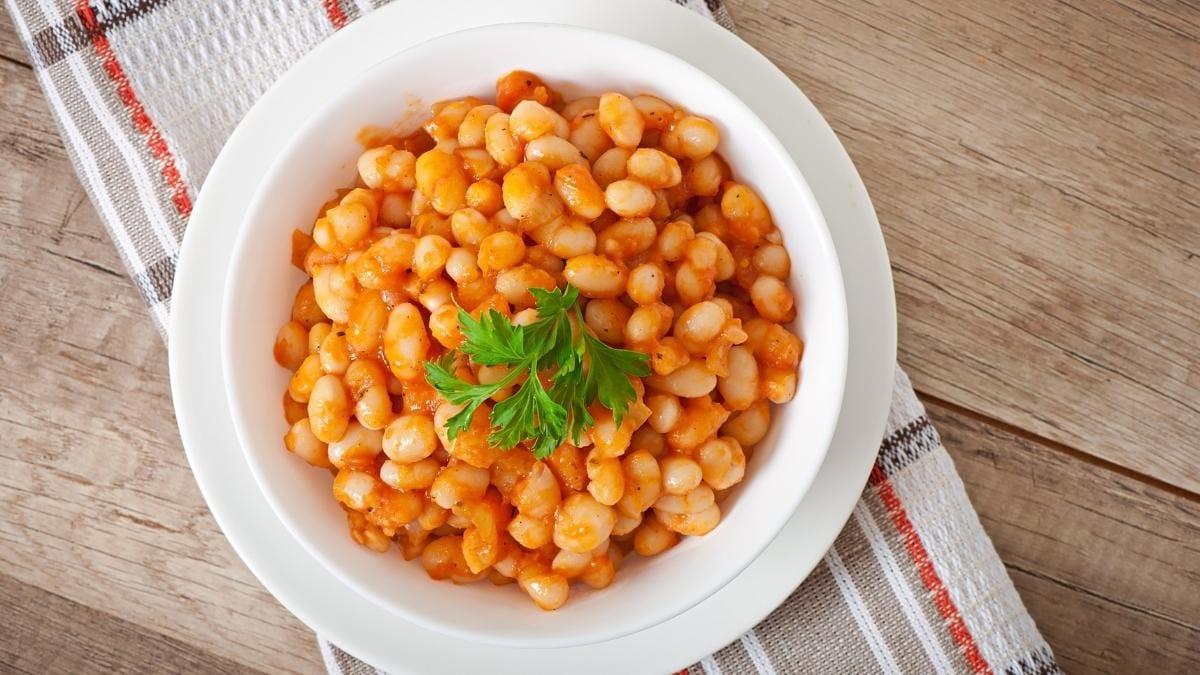
A half cup of cooked soybeans gives 131 mg of calcium, per the NIH table. Toss them into soups, salads, or chili. Rinse canned soybeans. Cleveland Clinic notes that too much sodium can raise the calcium your body loses.
6- Chia seeds
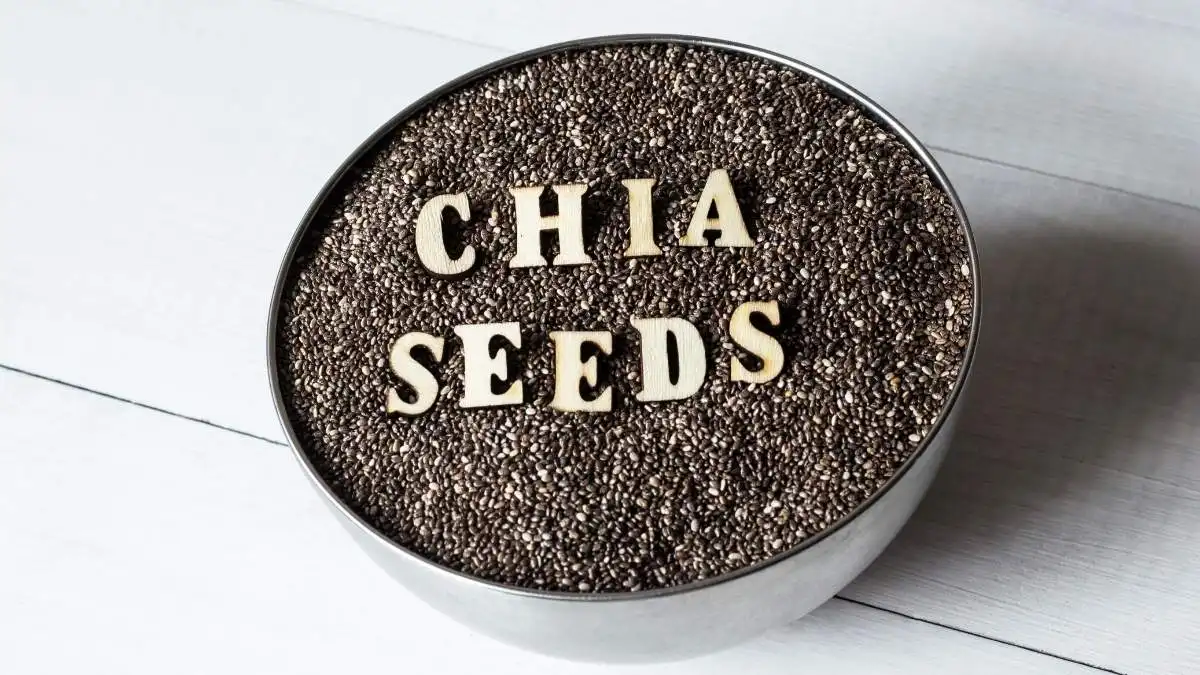
One tablespoon of chia seeds holds 76 mg of calcium, the NIH table shows. That is modest, so treat chia as a booster. Stir a tablespoon into oatmeal, or soak it overnight in fortified soy milk. Next come the greens, which bring a second bone nutrient.
Note: If you take warfarin or another blood thinner, keep your greens steady and ask your doctor before changing how much you eat.
Leafy Greens and the Vitamin K Connection
Vitamin K helps make bone proteins such as osteocalcin, says Harvard’s Nutrition Source. The NIH adds that a vitamin K shortage might weaken bone.
Harvard notes that some studies link higher vitamin K intake to fewer hip fractures. Trials of vitamin K supplements give mixed results. The evidence supports greens as a smart habit. It does not prove they prevent fractures.
7- Bok choy and kale
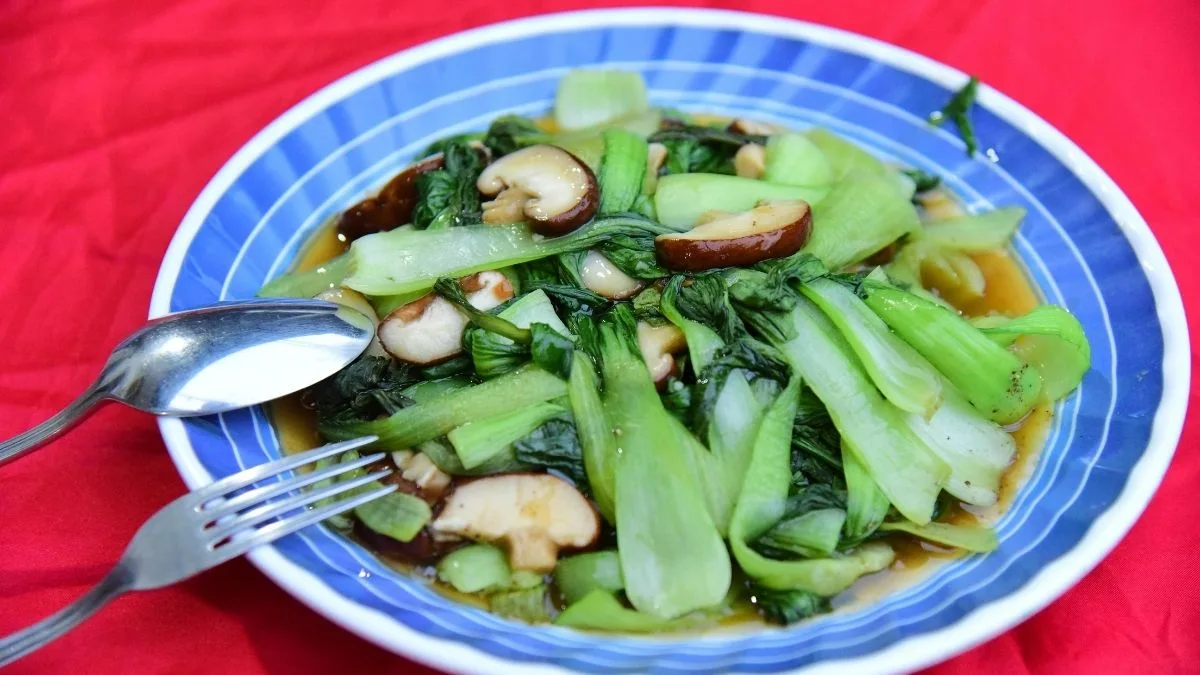
Shredded raw bok choy gives 74 mg per cup. Cooked kale gives 94 mg per cup. The NIH says kale and cabbage calcium absorbs about as well as milk calcium. Each serving holds less than milk does, so eat a full portion. Add olive oil or avocado, as Harvard’s Nutrition Source suggests, since vitamin K needs fat.
8- Turnip greens
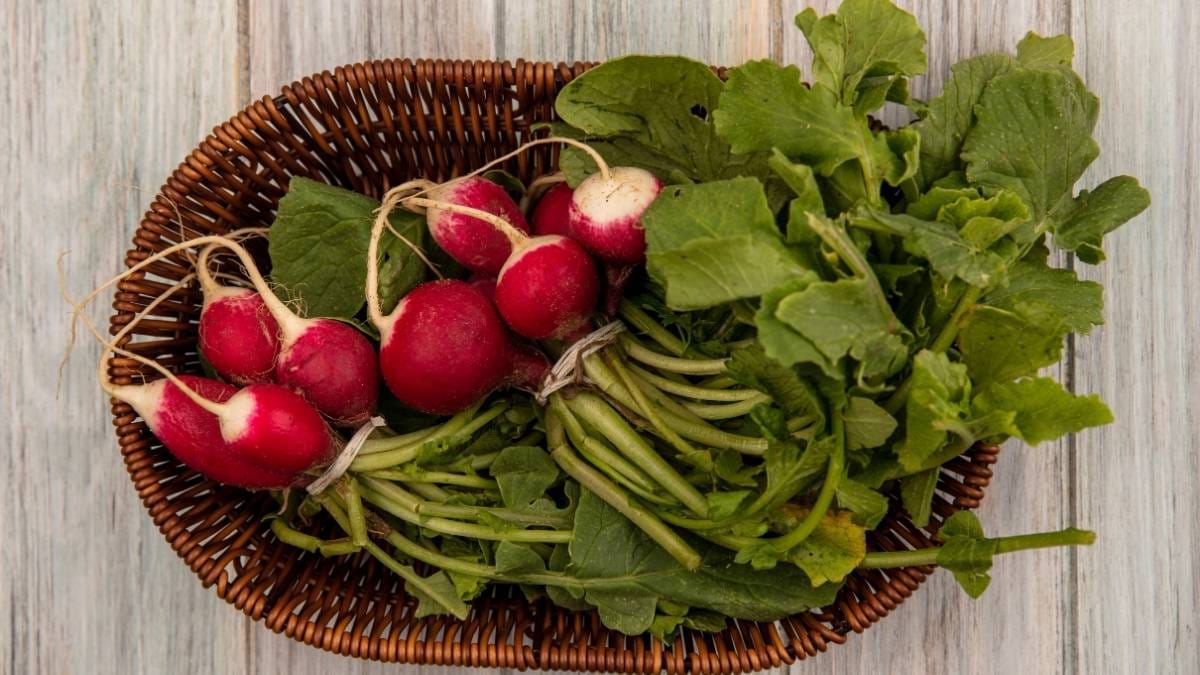
Half a cup of boiled turnip greens gives 99 mg of calcium, the NIH table shows. Harvard’s Nutrition Source also lists them as a vitamin K source. Frozen greens work, and they keep for months.
Do not count on spinach or collards for calcium. The NIH lists both among foods high in oxalic acid, which blocks absorption. Next comes a fruit with trial data behind it.
Note: Prunes do not treat osteoporosis. If you have a diagnosis or take bone medicine, ask your clinician how prunes fit your plan.
Prunes: The Surprising Food With Actual Trial Data
9- Prunes
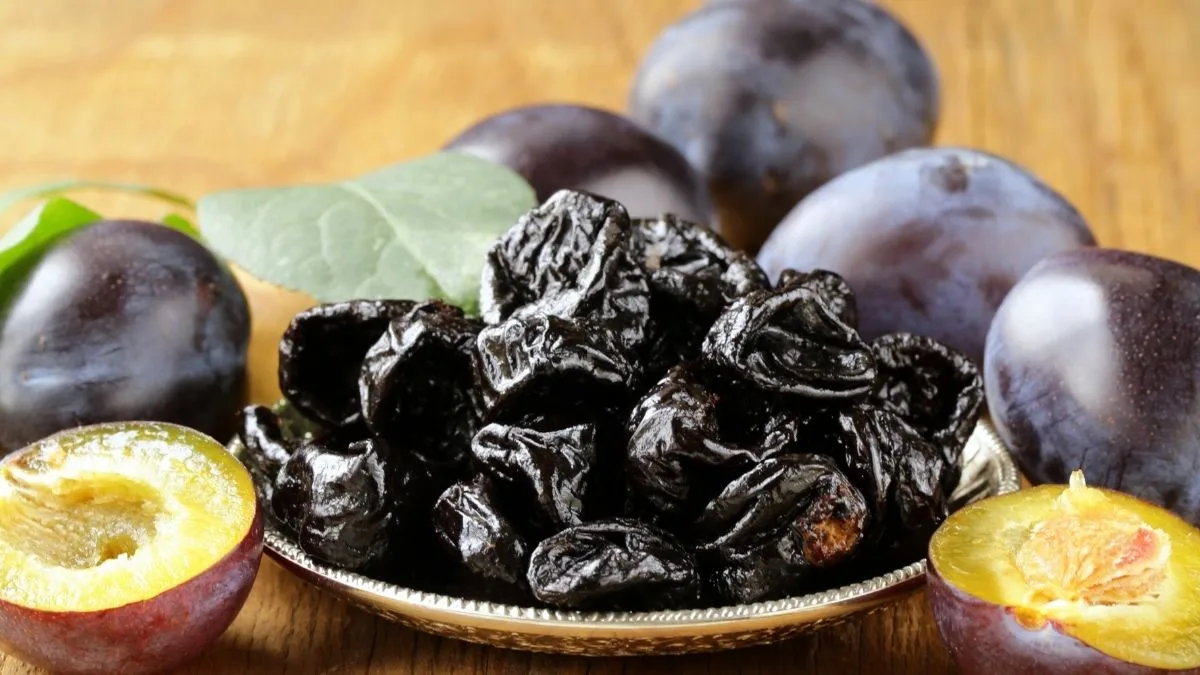
Prunes have randomized trial data behind them. A 2022 randomized trial in the American Journal of Clinical Nutrition enrolled 235 postmenopausal women and ran for 12 months. Researchers at Penn State led the work.
One group ate 50 grams of prunes daily, about five or six. A second group ate 100 grams. A control group ate none.
The 50 gram dose prevented loss of total hip bone density at 6 months, and that held at 12. Compliance was about 90% in the 50 gram group, so the habit looks realistic.
Two limits matter. The trial measured bone density, not fractures. It also ran at a single center and enrolled only postmenopausal women.
A 2024 secondary analysis of the same trial in the Journal of Nutrition found prunes lowered inflammatory signals. Inflammation can speed bone breakdown, which may explain the result. Eat five or six prunes with breakfast or as a snack. Vitamin D comes next, because calcium needs it.
Don’t Forget Vitamin D, the Gatekeeper for Calcium
Few foods hold much vitamin D. The Dietary Guidelines for Americans name trout, salmon, and canned light tuna as food sources. Canned salmon does double duty: calcium from its bones, vitamin D from the fish. Check the label on your fortified soy milk, since some brands add vitamin D.
10- UV-treated mushrooms
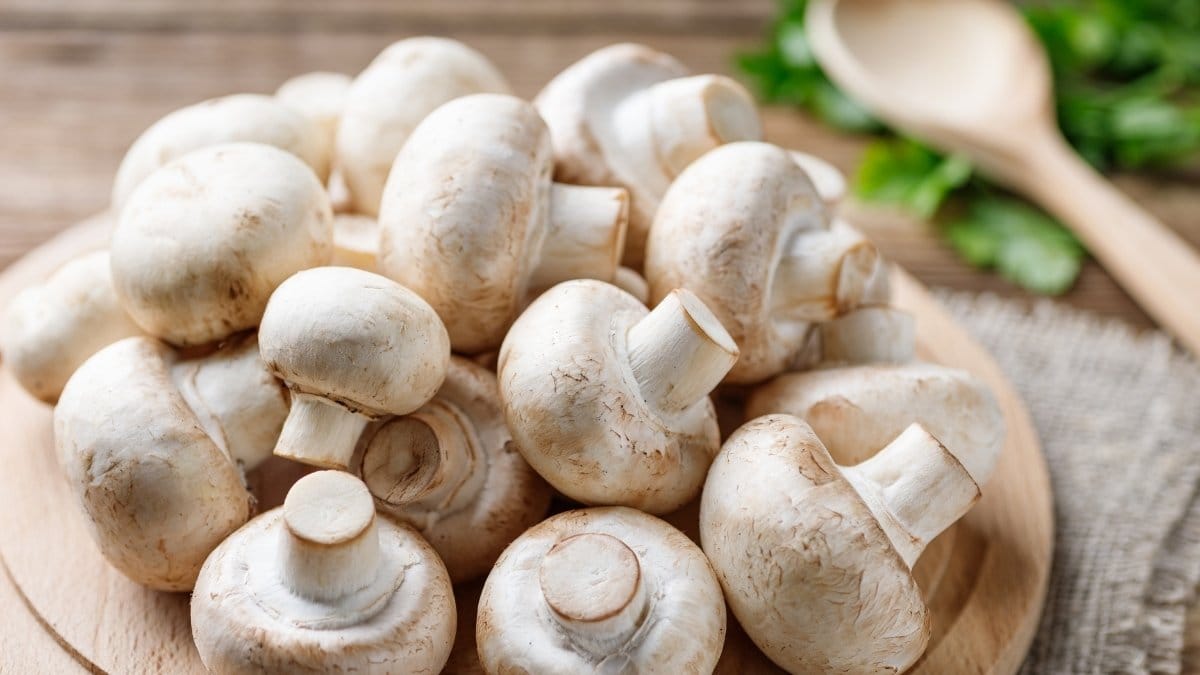
The Dietary Guidelines add that mushrooms hold variable amounts of vitamin D. Growers expose some to UV light to raise it. Look for UV-treated on the label.
A common assumption is that daily sunshine covers vitamin D. Season, clothing, and skin tone all change how much your skin makes. Ask your doctor about a vitamin D blood test to see where you stand. Now let me put the ten foods on one plate.
Note: Talk with your doctor before changing your calcium intake or starting new exercise, and mention any regular medicine you take.
Building Your Plate, and Knowing When Food Isn’t Enough
Women over 50 need 1,200 mg of calcium a day, according to the NIH. Men need 1,000 mg until age 70, then 1,200 mg. Here is one dairy-free day that reaches about 1,200 mg:
- 3 ounces canned sardines: 325 mg
- 1 cup fortified soy milk: 299 mg
- ½ cup calcium-set tofu: 253 mg
- ½ cup cooked soybeans: 131 mg
- ½ cup boiled turnip greens: 99 mg
- 1 cup cooked kale: 94 mg
That is a lot of tofu and sardines, so rotate foods across the week. These numbers show the calcium in food, not the calcium you absorb. Spread servings across the day, because the NIH says absorption falls as the amount at one sitting rises.
Food has limits. In 2018, the U.S. Preventive Services Task Force found low-dose calcium and vitamin D supplements did not prevent fractures in postmenopausal women. Food supports bones, but it does not treat osteoporosis.
Ask your doctor about a bone density scan. The NIH notes that blood calcium tests do not show your calcium status. A bone density scan can.

Harvard’s Nutrition Source also names weight-bearing exercise as a factor in bone health. Add a brisk daily walk to your plan. Walking is weight-bearing, so it counts.
Conclusion
Good bone care does not need a big overhaul. This week, pick up one can of salmon or sardines with the bones and eat it for lunch. That single swap starts the habit. Steady, ordinary meals support your bones and your independence for years. You have more say in this than you may think.