

Your brain is running a highlight reel of something you said three days ago.
You replay it. You cringe. You think of better things you could have said. Then you replay it again.
This is called rumination. It’s when your mind gets stuck in an overthinking loop, going over the same moment, conversation, or mistake without ever reaching a real answer. It feels like you’re working something out. But you’re not. You’re just stuck.
The good news? You don’t need expensive tools or hours of meditation to break the cycle. These six small steps can help you quiet the loop and feel a little lighter today.
Why Your Brain Keeps Replaying Things (And Why It Feels Useful)
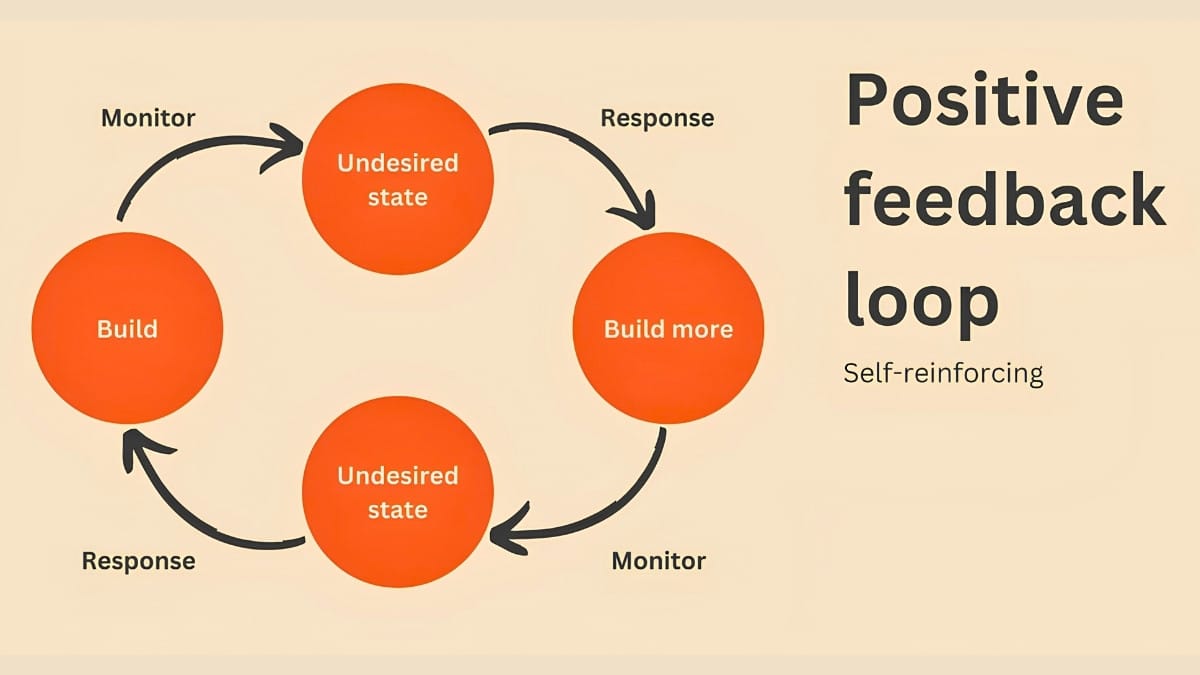
Here’s the strange part. Rumination feels productive. When you replay that conversation, there’s a moment where it seems like you’re getting closer to figuring something out. That feeling is what keeps you stuck.
Your brain replays events because it’s trying to find closure or regain control. It doesn’t like loose ends. So it keeps pulling you back, hoping this time you’ll land on an answer.
But there is no answer. Not from replaying, anyway.
Replaying the past is different from planning ahead. Worry looks forward, “what if this goes wrong?” Rumination looks backward, “why did I say that?” Both are part of the same overthinking loop. Neither one gets you anywhere useful.
The first step is just naming it. When your mind replaying everything starts up again, say to yourself: “That’s the loop. Not a problem to solve.” That small shift matters more than it sounds.
Point First- Write It Out and Close the Tab
When a thought keeps looping, it’s because your brain hasn’t fully processed it yet. Writing it down helps with that. What’s on paper can’t spin in your head the same way.
This isn’t about solving anything. Just open a notebook and empty the thought out. Write exactly what you’re replaying. Write how it makes you feel. Don’t edit. Don’t fix it. Just let it out.

Two simple prompts that help: “What am I actually worried about here?” and “Is there one thing I can do about this, or not?”
You don’t have to answer them perfectly. The act of writing is what quiets the noise.
Once you’re done, close the notebook. Physically close it. That small action signals to your brain that the thought has been placed somewhere and doesn’t need to keep looping.
Try a 5-minute brain dump before bed. It takes less time than you think and works better than lying there replaying things in the dark.
Quick Tips:
- Write by hand, not on your phone. It slows the thought down and helps you process it better.
- Don’t reread what you wrote right away. Write it, close it, move on.
Point Second- Schedule a Worry Window (Yes, Really)
This one sounds odd at first. But stick with it.
The worry window technique comes from CBT, Cognitive Behavioral Therapy. The idea is simple. Instead of trying to stop the loop all day, you give it one designated time slot. Pick 20 to 30 minutes in the early evening. Not right before bed.
When the overthinking loop starts during the day, don’t fight it. Just write the thought down and tell yourself: “I’ll deal with this at 6pm.” Then go back to what you were doing.
Here’s what happens over time. Your brain learns that it doesn’t need to replay things all day because it knows a time is coming. The worry feels contained, not runaway.
And when 6pm arrives? Most of the thoughts that felt urgent at 2pm feel a lot smaller. Some of them disappear completely.
Set a daily phone alarm and label it anything you want, “check-in time,” “worry slot,” whatever works for you. Keep a small notepad at your desk to catch thoughts during the day.
Quick Tips:
- Keep the window to 30 minutes max. Set a timer so it doesn’t drag on.
- Avoid scheduling it right before bed. You want your brain to wind down after, not spin up.
Point Third- Ground Yourself With Your Senses Right Now
When the loop starts, your brain is inside your head, not in the room you’re sitting in. Sensory grounding brings you back.
The 5-4-3-2-1 technique is the easiest version of this. Here’s how it works:
- 5 things you can see right now
- 4 things you can hear
- 3 things you can physically touch
- 2 things you can smell
- 1 thing you can taste
That’s it. Go through each one slowly.
Your brain cannot fully focus on what’s around it and run the replay loop at the same time. You’re not suppressing the thought. You’re just giving your brain something real to do instead.
This works well in bed when nighttime replaying starts. It works at a red light. It works at your desk. You don’t need privacy. You don’t need to close your eyes.
Two minutes. That’s all it takes to interrupt the loop and bring your mind back to where you actually are.
Quick Tips:
- Run your hand along the texture of your desk or clothing as a physical anchor while you work through the steps.
- Say the items out loud if you can. Speaking them out loud makes the technique more effective.
Point Four- Move Your Body — Even for 10 Minutes
You don’t need to go to the gym. You don’t need a workout plan. You just need to move.
Physical movement is one of the most reliable ways to interrupt an overthinking loop. When you move your body, your attention shifts from what’s in your head to what’s happening in your body. That shift alone is enough to break the cycle.
A 10-minute walk works. Stretching works. Even doing the dishes with intention works, as long as you’re focused on the physical sensation of what you’re doing, not the replay reel.

If you go for a walk, put on a podcast or some music. That adds a second layer of distraction from the loop.
The goal here is not fitness. The goal is pattern interruption. You’re giving your brain a different signal to follow.
Next time you notice the loop starting, don’t sit there trying to think your way out of it. Stand up. Walk somewhere. Even three minutes of movement can take the edge off a mind that won’t stop replaying.
Quick Tips:
- Do household chores intentionally as a mental reset. Clean the kitchen, fold laundry, anything with a clear physical task.
- If you’re at a desk all day, a short walk outside works better than walking around inside. The change of scenery helps too.
Point Five- Talk to the Thought — Don’t Fight It
Here’s something that trips most people up. The harder you try to stop a thought, the louder it gets.
There’s a simple test for this. Right now, do not think about a pink elephant. What just happened?
Trying to force a thought away gives it more power, not less. So instead of fighting the loop, try talking to it.
When the replay starts, say this to yourself: “I notice I’m replaying this again. That’s okay.” Then ask: “Is this giving me anything useful right now?”
You’re not agreeing with the thought. You’re just stepping back from it. Treating it like a notification you can see without tapping on it.
Self-compassion plays a big role here. Try the friend test. If your closest friend came to you spiraling over the same thing you’re stuck on, what would you say to them? You almost certainly wouldn’t say “Yes, you were terrible and everyone noticed.” So try giving yourself the same response you’d give them.
Quick Tips:
- Label the thought out loud: “There’s the loop again.” Naming it creates distance from it.
- Ask yourself one question: “Would I still be thinking about this in a week?” If not, try to let it pass.
Point Six- Change the Scene, Literally
Sometimes the fastest fix is the simplest one. Get up and go somewhere else.
Your brain connects certain rooms and spaces with certain thoughts. If you always spiral in your bedroom at night, your bedroom starts to feel like the replay zone. Breaking that link is as easy as moving to a different room.
You don’t have to go far. Move from the sofa to the kitchen. Step outside for three minutes. Make a cup of tea in a different spot. The physical act of moving to a new space sends your brain a signal: something has changed, the loop is done.
Once you’re in the new space, pair it with something absorbing. A show you enjoy. A phone call with someone. A podcast. Something that gives your brain a new track to follow.

This isn’t avoidance. You’re not running from the thought. You’re just refusing to let one room become the place where your mind replaying everything always happens.
Quick Tips:
- Step outside even for 2 to 3 minutes. Fresh air and a different view are stronger pattern interrupters than most people expect.
- Have a go-to activity ready for when you change the scene. Something absorbing that genuinely holds your attention.
Conclusion
None of these six steps will stop the loop forever. But each one gives you a way to interrupt it in the moment. That is what matters. Small interruptions, done consistently, are how the habit slowly loosens its grip. Pick one. Try it today. That is enough.