

If you’re one of the 53 million U.S. adults living with arthritis, your spice rack may hold more relief than you think. (https://www.cdc.gov/cdi/indicator-definitions/arthritis.html) Chronic joint pain makes ordinary tasks feel difficult, and many people want options beyond medications alone.
Some medications cause side effects that make long-term use hard. Others simply do not provide enough relief. This is why many people with arthritis turn to dietary approaches.
Research suggests that certain spices contain compounds that may target the inflammation behind joint pain. These are not cures, but they may offer modest, real support added to your existing treatment plan.
Here are six pantry staples that registered dietitians say may help ease joint pain, along with the evidence behind each one.
Why Spices Matter for Joint Health
About 53 million U.S. adults have arthritis, making it one of the leading causes of disability in the country. (https://www.cdc.gov/cdi/indicator-definitions/arthritis.html) At the heart of arthritis is chronic inflammation, a process that damages joints over time.

Many spices contain polyphenols and other bioactive compounds that disrupt inflammation-signaling pathways such as NF-κB, TNF-α, and IL-6.
Kim Larson, RDN, board-certified sports dietitian and national spokesperson for the Academy of Nutrition and Dietetics, puts it plainly: “I think people are often surprised at what a great anti-inflammatory source spices can be. But the more anti-inflammatory foods and spices you eat, the more you are tamping down on chronic inflammation.” (https://www.arthritis.org/health-wellness/healthy-living/nutrition/healthy-eating/best-spices-for-arthritis)
Spices work best as part of an overall anti-inflammatory diet. They are not standalone cures, and they do not replace conventional treatment. But dietitians recognize them as accessible, low-risk tools worth adding.
Let’s look at the six pantry spices with the strongest evidence for joint pain relief.
Point First- Turmeric (Curcuma longa)
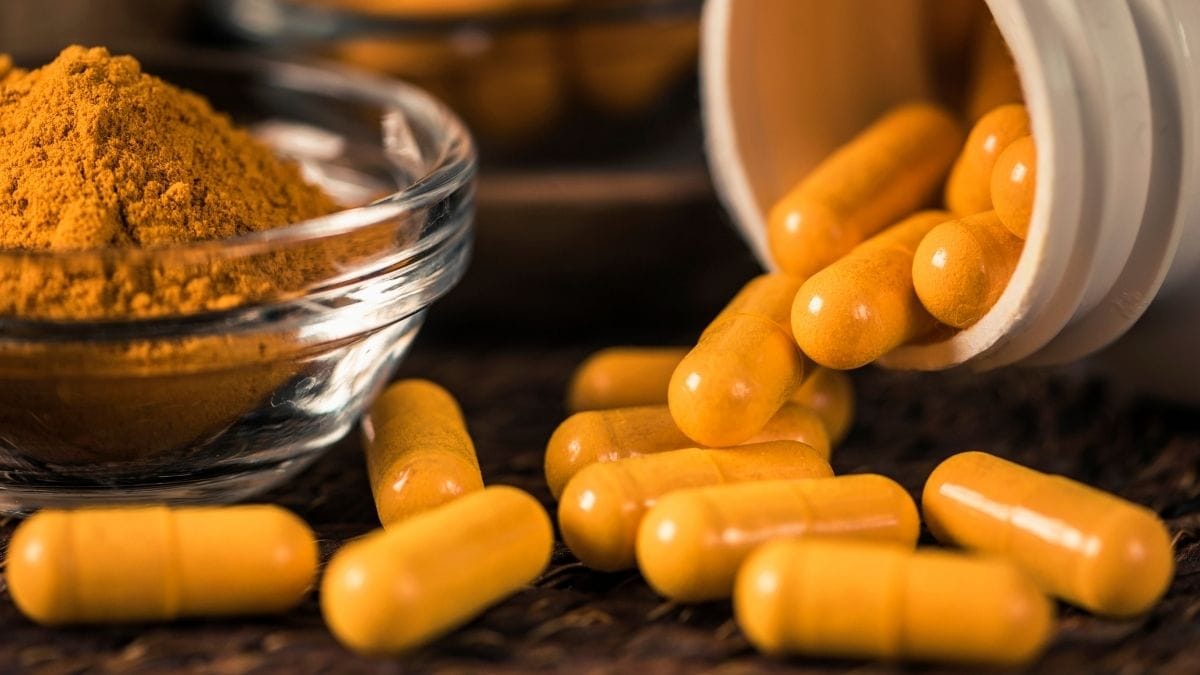
A meta-analysis of 16 randomized controlled trials involving 1,810 adults with knee osteoarthritis found that turmeric extracts significantly reduced knee pain and improved physical function compared to placebo (SMD -0.82, 95% CI -1.17 to -0.47).(https://pubmed.ncbi.nlm.nih.gov/33511486/)
Harvard Health also notes that human studies show potential for curcumin in managing osteoarthritis pain.
Turmeric’s active compound, curcumin, appears to reduce inflammation by suppressing NF-κB, the body’s main inflammation switch. The challenge is absorption. Curcumin is poorly absorbed on its own, but research shows that adding black pepper increases its bioavailability by up to 2,000%. (https://ingredients.hermeticasuperfoods.com/topics/does-black-pepper-increase-curcumin-absorption-by-2000)
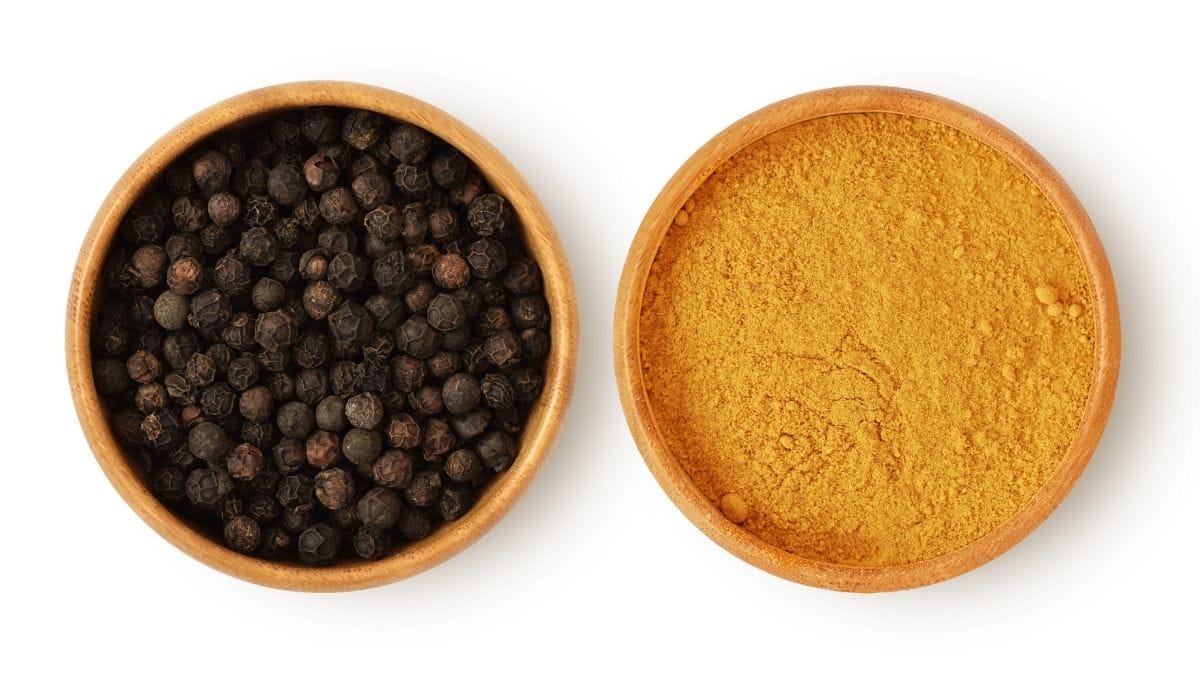
The Arthritis Foundation recommends 500 mg curcumin extract twice daily for osteoarthritis and rheumatoid arthritis. (https://scienceinsights.org/how-much-turmeric-and-ginger-per-day-is-safe/)
Mayo Clinic states turmeric is generally safe when limited to less than 8 grams per day, but high doses may cause GI upset or liver issues. (https://newsnetwork.mayoclinic.org/discussion/mayo-clinic-q-and-a-turmeric-for-healthier-diet-pain-relief/) Speak with your doctor before starting any new program, especially if you take blood thinners.
Point Second- Ginger (Zingiber officinale)
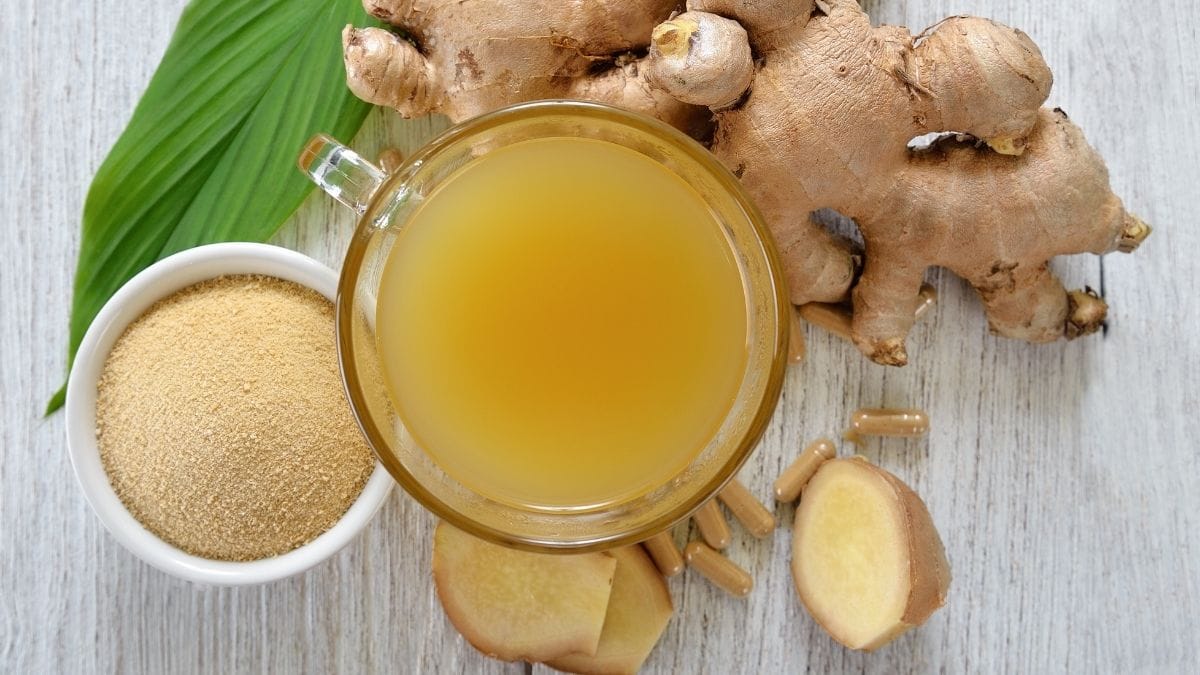
Ginger contains bioactive compounds called gingerols and shogaols that research suggests may lower inflammatory proteins like TNF-α, IL-6, and IL-17, as well as COX-2 synthesis.
A 2024 review found that ginger doses of 0.5 to 1 gram per day for 3 to 6 months may help reduce pain, stiffness, and inflammation in both osteoarthritis and rheumatoid arthritis patients. (https://pmc.ncbi.nlm.nih.gov/articles/PMC10933899/)
A 2015 meta-analysis, reviewing seven randomized clinical trials, concluded that ginger was “modestly efficacious and reasonably safe” for osteoarthritis treatment. (https://pubmed.ncbi.nlm.nih.gov/25300574/) Modest is the right word. Ginger is not a dramatic pain reliever, but the evidence suggests it offers real, if partial, benefit.
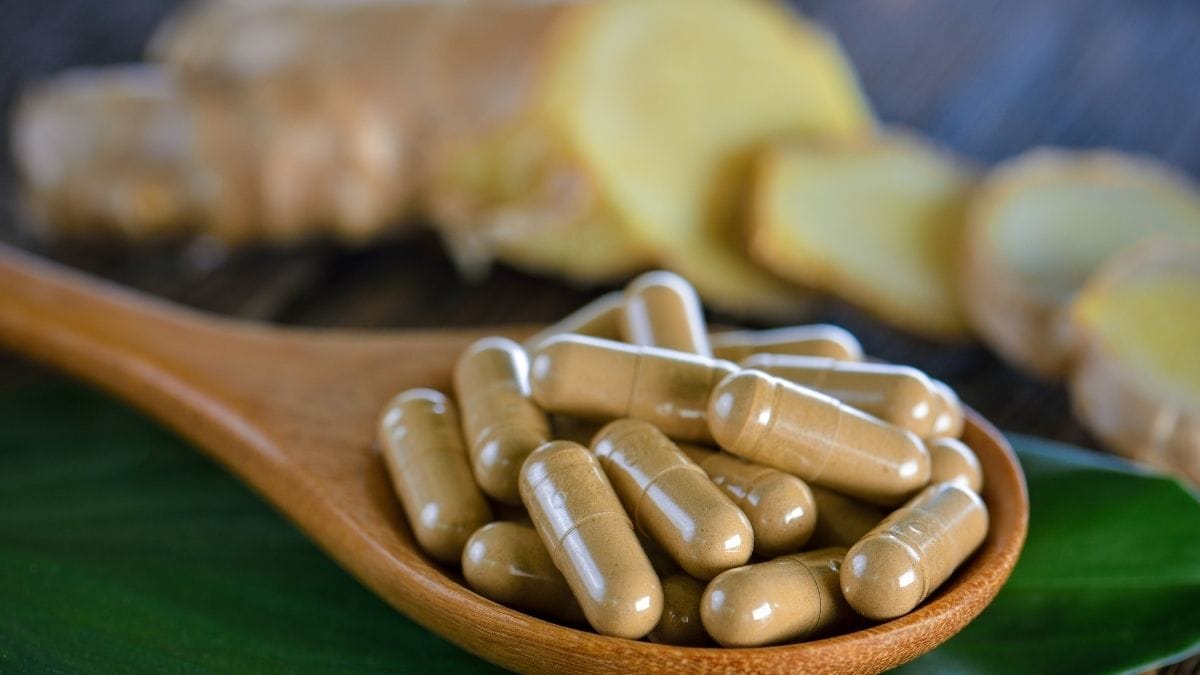
Medical News Today notes that experts consider up to 4 grams daily safe for managing pain and inflammation. (https://www.medicalnewstoday.com/articles/319106)
Speak with your doctor before starting any new program, particularly if you take blood thinners or medications for blood pressure or blood sugar.
Point Third- Garlic (Allium sativum)
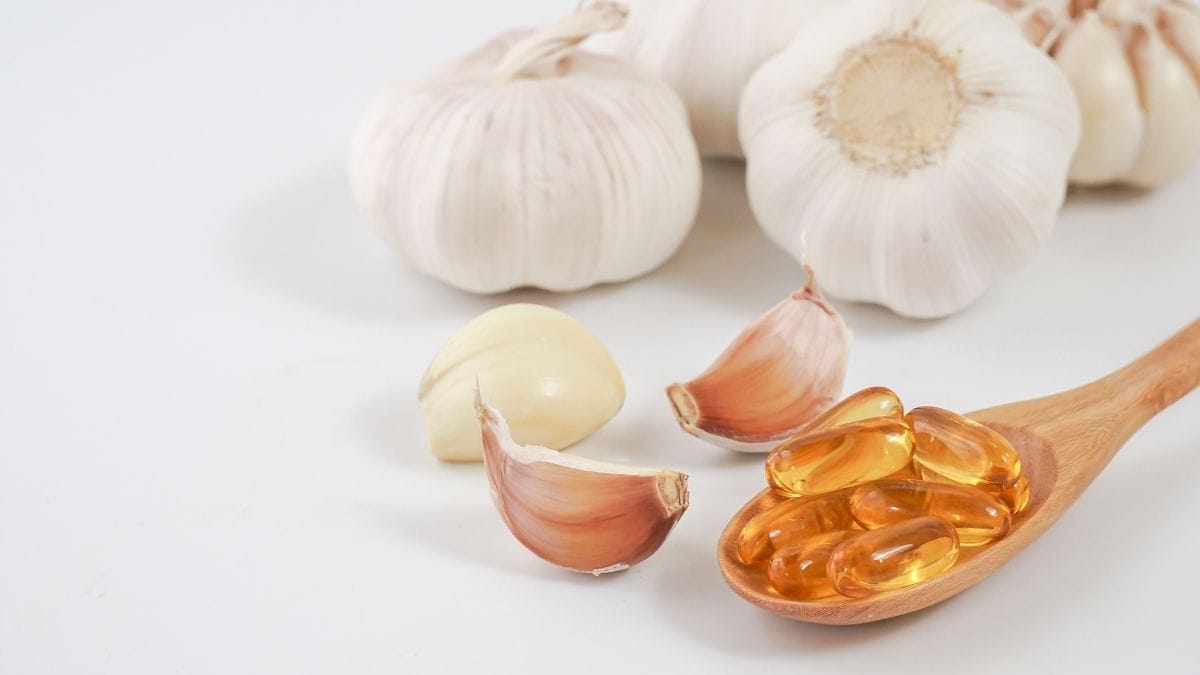
A 2020 randomized, double-blind, placebo-controlled trial found that garlic supplementation significantly reduced pain intensity, tender joint count, swollen joint count, disease activity scores, and fatigue in women with rheumatoid arthritis. (https://onlinelibrary.wiley.com/doi/full/10.1002/ptr.6723)
In that trial, 70 women took 500 mg garlic powder tablets twice daily for 8 weeks and showed meaningful improvements in CRP, TNF-α, and quality of life compared to placebo. (https://pubmed.ncbi.nlm.nih.gov/32159257/)

A 2025 meta-analysis of 9 randomized controlled trials involving 511 participants confirmed that garlic significantly improved disease activity scores in rheumatoid arthritis patients (MD = -0.65; 95% CI: -1.04, -0.26; P<.01). (https://journals.sagepub.com/doi/10.1177/09733698241290298)
A 2023 systematic review of 47 RCTs further confirmed that garlic improved inflammation and oxidative stress in RA. (https://www.frontiersin.org/articles/10.3389/fimmu.2023.1024120/full)
It is important to note that most evidence for garlic is specific to rheumatoid arthritis. Data for osteoarthritis is more limited. Culinary amounts are safe for most people, but speak with your doctor before starting any new program involving high-dose supplements, especially if you use blood thinners.
Point Four- Cinnamon (Cinnamomum species)
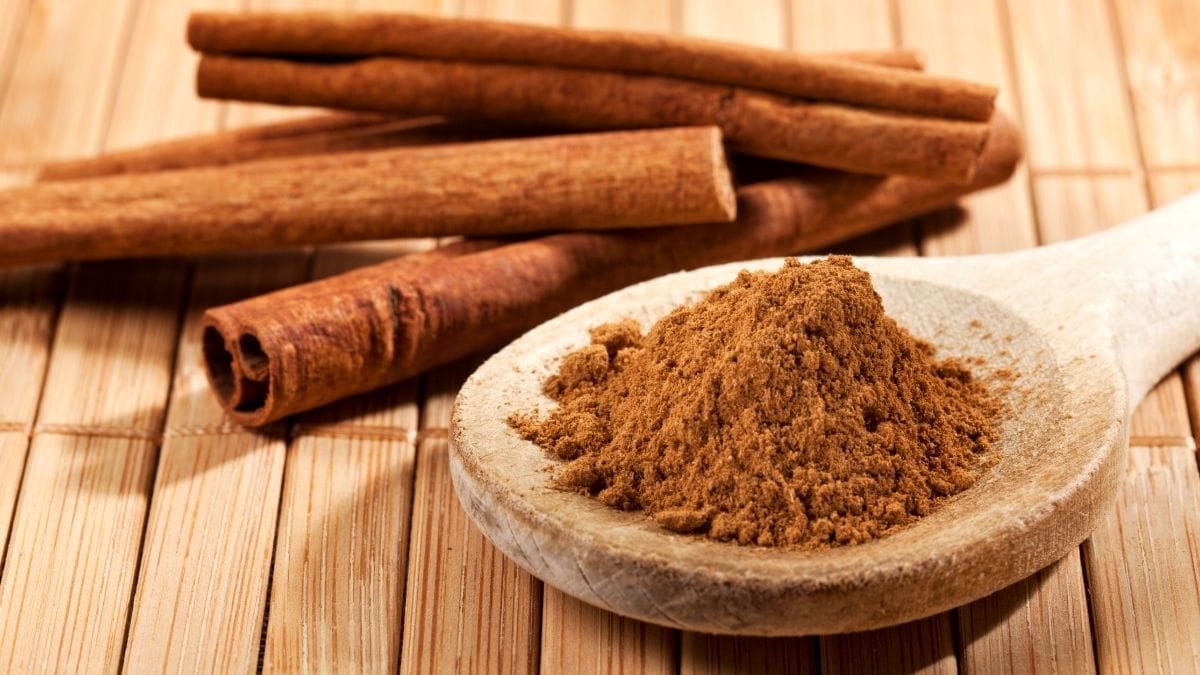
A randomized clinical trial of 36 women with rheumatoid arthritis found that taking 2,000 mg of cinnamon daily for 8 weeks led to significant reductions in CRP (p<0.001) and TNF-α (p<0.001) compared to placebo, along with meaningful improvement in clinical symptoms including visible inflammation.
A 2021 review published in Food and Function confirmed that cinnamon significantly lowered both CRP and TNF-α in RA patients. (https://pubs.rsc.org/en/content/articlehtml/2021/fo/d1fo01935j)
A 2025 meta-analysis found that cinnamon supplementation significantly improved disease activity scores in rheumatoid arthritis patients (MD = -1.72; 95% CI: -2.11, -1.33; P<.01). (https://journals.sagepub.com/doi/10.1177/09733698241290298) These are meaningful numbers, but the research is concentrated in RA populations.
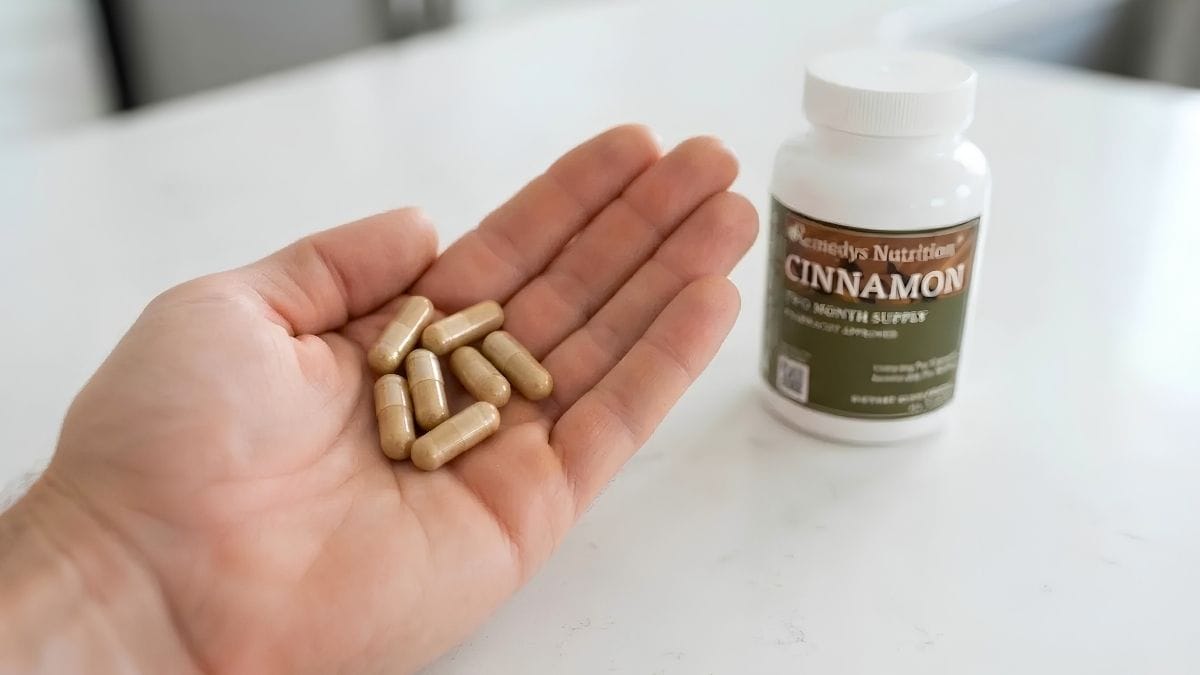
Cinnamon in culinary amounts is generally safe. High doses, however, may affect liver function. Cassia cinnamon in particular contains coumarin, which can be harmful in large quantities.
Evidence is strongest for rheumatoid arthritis. Speak with your doctor before starting any new program that involves therapeutic cinnamon doses.
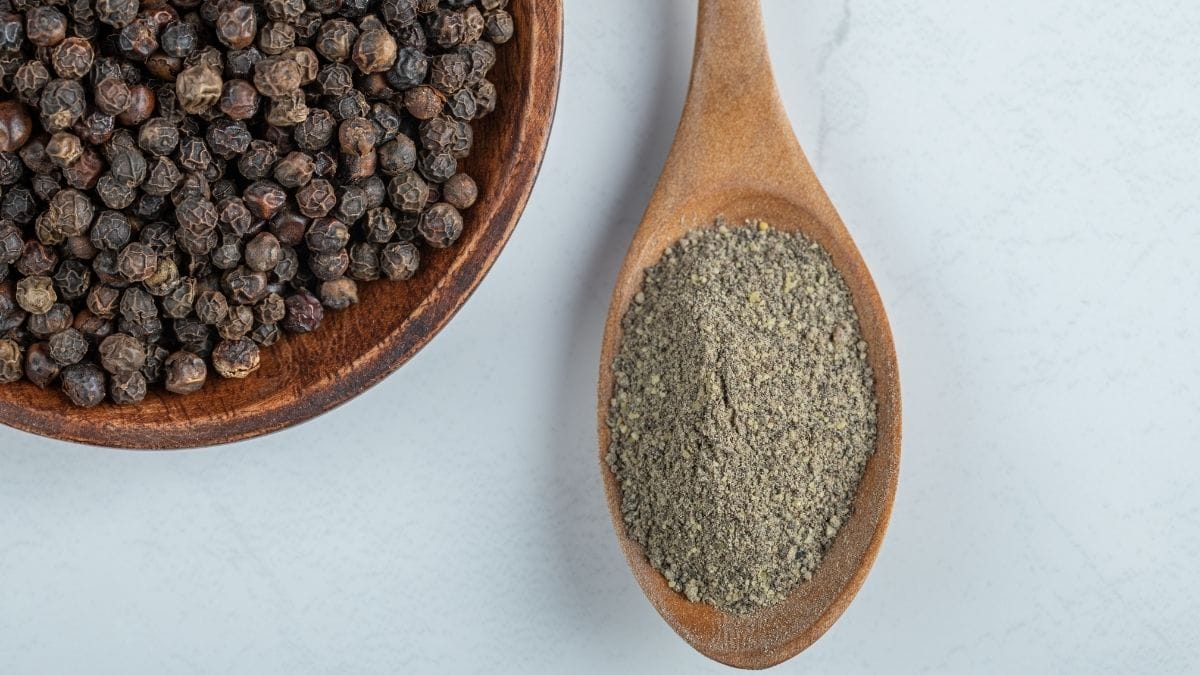
Point Five- Black Pepper (Piper nigrum)
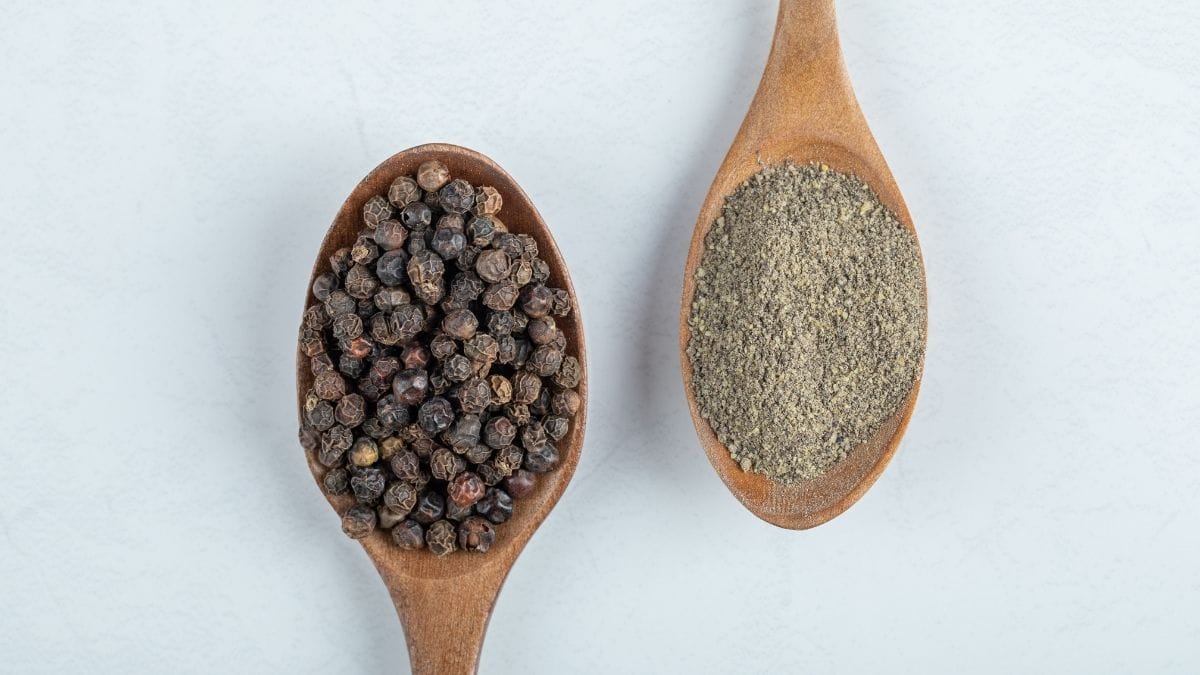
Black pepper does not directly reduce joint pain, but it plays a critical supporting role.
Its active compound, piperine, increases turmeric’s curcumin absorption by up to 2,000%. The landmark 1998 Shoba et al. study published in Planta Medica found that co-administering just 20 mg of piperine with 2 grams of curcumin increased curcumin bioavailability 20-fold in human subjects. (https://ingredients.hermeticasuperfoods.com/topics/does-black-pepper-increase-curcumin-absorption-by-2000)
This matters because curcumin on its own is poorly absorbed by the body.
Without piperine, most of the curcumin you consume passes through without reaching therapeutic levels in the blood.
A 2016 review attributed this bioavailability boost to piperine’s inhibition of hepatic glucuronidation and intestinal metabolism, allowing curcumin to remain detectable and elevated longer. (https://www.orthopaper.com/archives/2016/vol2issue4/PartG/2-4-54-174.pdf)
In practice, this means adding a pinch of black pepper to any dish containing turmeric, or choosing curcumin supplements formulated with piperine. Black pepper in culinary amounts is safe for most people.
Speak with your doctor before starting any new program involving high-dose piperine supplements, as piperine may interact with certain medications.
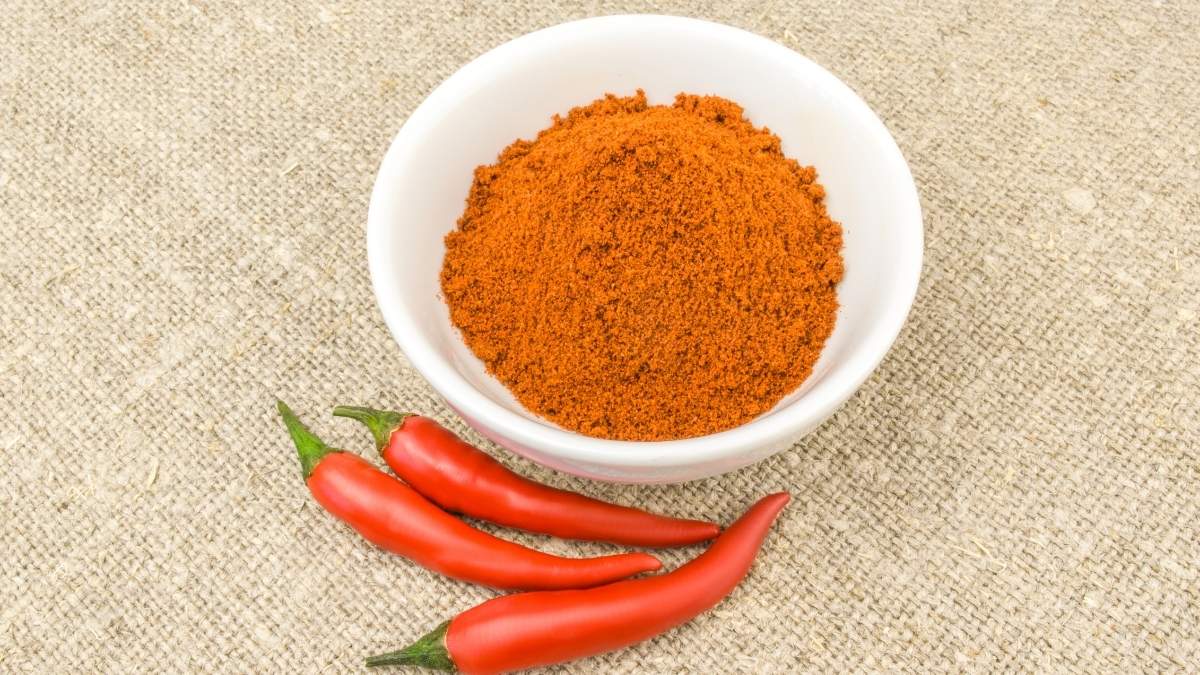
Point Six- Cayenne Pepper (Capsicum annuum) / Capsaicin

Capsaicin, the active compound in cayenne pepper, works by depleting substance P, a neuropeptide involved in pain signaling and inflammation.
A 2024 meta-analysis found that topical capsaicin significantly reduced osteoarthritis pain severity compared to placebo (SMD = -0.84, 95% CI = -1.48 to -0.19, p = 0.01). (https://pubmed.ncbi.nlm.nih.gov/38761115/)
A 1991 double-blind trial found that capsaicin cream applied four times daily for four weeks reduced pain by 33% in OA and 57% in RA compared to placebo. (https://pubmed.ncbi.nlm.nih.gov/1954640/)
A 2014 Cochrane review also concluded that topical capsaicin is moderately effective in reducing pain intensity for up to 20 weeks in patients with at least moderate osteoarthritis pain. (https://pubmed.ncbi.nlm.nih.gov/24941673/)
The evidence applies to topical application only. Oral cayenne has limited direct evidence for joint pain. A burning sensation at the application site affects 35 to 100% of users, peaking in week one and decreasing over time. Speak with your doctor before starting any new program involving topical capsaicin.
How to Use These Spices Safely and Effectively
You do not need expensive supplements to benefit from these spices. Adding them to daily meals is the simplest first step.
Try turmeric with a pinch of black pepper stirred into eggs, soups, or curries. Use ginger in stir-fries or teas. Add garlic to savory dishes. Sprinkle cinnamon on oatmeal or yogurt. Apply cayenne as a topical cream, not as an oral remedy.

Culinary amounts are generally safe. Therapeutic supplement doses are a different matter.
The Arthritis Foundation recommends 500 mg curcumin extract twice daily and up to 3 to 4 grams of ginger daily, and notes turmeric is considered safe up to 8 grams per day. (https://scienceinsights.org/how-much-turmeric-and-ginger-per-day-is-safe/)
Mayo Clinic classifies turmeric as likely safe in food amounts but possibly unsafe in large medicinal doses over time. (https://www.herbpy.com/post/what-does-mayo-clinic-say-about-taking-turmeric)
Speak with your doctor before starting any new program involving supplements. These spices complement conventional arthritis treatment; they do not replace it. This information is for educational purposes only and is not medical advice. Always consult your doctor before starting any new supplement or treatment.
When to Talk to Your Doctor
Before adding any supplement to your routine, talk to your doctor, especially if you take blood thinners, have bleeding disorders, liver disease, or are pregnant.

Turmeric, ginger, garlic, and cayenne may all increase bleeding risk when taken in high doses alongside anticoagulant medications. Cinnamon in large amounts may affect blood sugar and liver function.
Arthritis UK notes that turmeric can thin the blood and should be avoided by people taking anticoagulants or with bleeding disorders. (https://www.arthritis-uk.org/information-and-support/understanding-arthritis/arthritis-treatments/complementary-and-alternative-treatments/types-of-complementary-treatments/turmeric/)
The Arthritis Foundation advises avoiding ginger if you take blood thinners and urges caution for those with low blood pressure, low blood sugar, or who are pregnant. (https://www.arthritis.org/health-wellness/treatment/complementary-therapies/supplements-and-vitamins/health-benefits-of-ginger)
Mayo Clinic warns that high doses or long-term use of turmeric may cause gastrointestinal upset or liver damage. (https://newsnetwork.mayoclinic.org/discussion/mayo-clinic-q-and-a-turmeric-for-healthier-diet-pain-relief/)
Do not stop any prescribed arthritis medication without medical supervision. Report unusual side effects, including GI changes, allergic reactions, or shifts in bleeding or blood sugar, to your doctor promptly. Spices can complement your arthritis treatment plan, but they should never replace prescribed medications without medical supervision.
Conclusion
Turmeric, ginger, garlic, cinnamon, black pepper, and cayenne all carry evidence-backed anti-inflammatory properties that may support joint pain relief. Start with food amounts. Talk to your doctor before adding supplements. Combine these pantry spices for joint pain with exercise and medical care. Small dietary changes can add up over time.