

Most people think they’ll feel thirsty before their body runs low on water. But after age 60, that warning system quietly stops working the way it should.
This isn’t about being forgetful. Your brain has actually changed. It no longer sends a clear thirst signal — even when your body needs water badly. And that silent gap causes real problems: fatigue, dizziness, confusion, and falls.
The good news? You don’t need to rely on thirst. This guide will show you exactly why the signal fades, how to check your hydration without it, and a simple daily plan that keeps you hydrated no matter what. You’ll walk away with something you can use starting today.
Why Your Thirst Sense Becomes Unreliable After 60
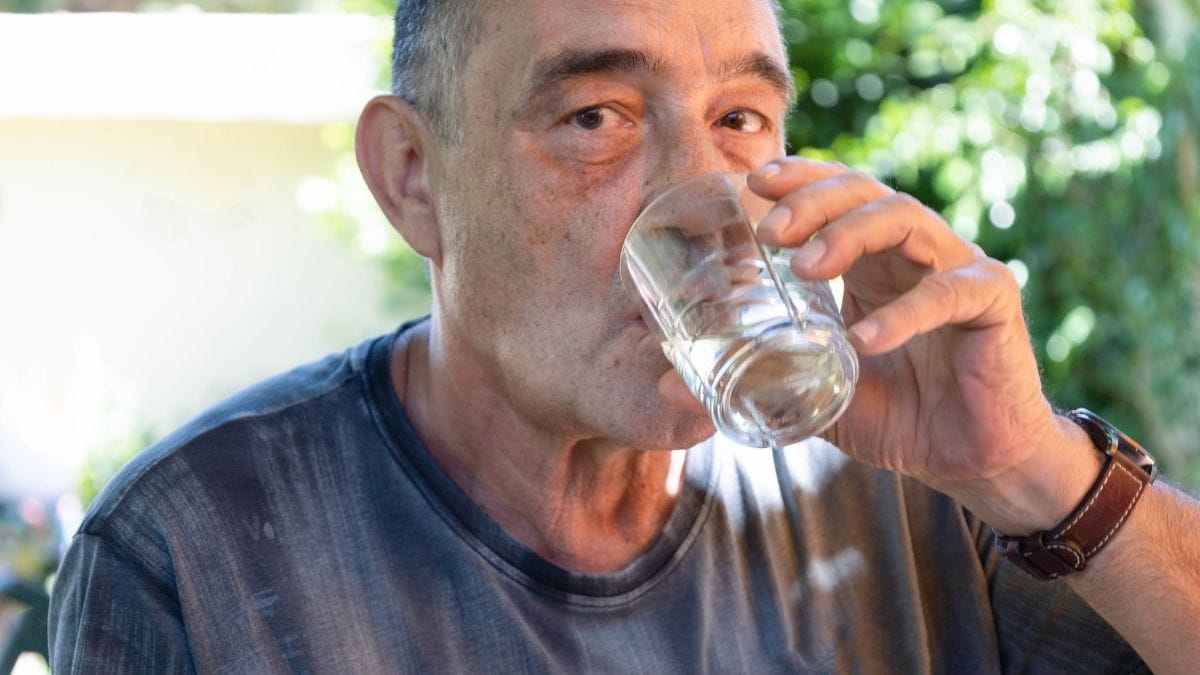
Your brain has a small area called the hypothalamus. Its job is to monitor your blood and fire a thirst signal when water levels drop. With age, this system slows down and becomes less sharp.
Here’s what actually happens inside your body. Older adults have higher baseline blood concentration.
That means their body needs to lose more fluid before the thirst signal fires at all. It’s like a smoke alarm with a dying battery — it might eventually go off, but you can’t count on it.
Research from the New England Journal of Medicine found something striking. After 24 hours without water, elderly men felt far less thirsty than young men. They drank less fluid when offered it. And their blood was still too concentrated even after they rehydrated.
Aging also lowers acetylcholine in the brain. That’s the chemical that physically activates the feeling of thirst. Less of it means your nervous system stops responding properly to dehydration.
On top of that, aging kidneys lose more water through urine — even when you haven’t changed what you drink. According to the NIH, older adults are 20% to 30% more likely to become dehydrated than younger people.
What Happens to Your Body When You’re Quietly Dehydrated
Dehydration doesn’t wait for you to notice it. It starts doing damage early — often before any obvious symptom shows up.
Your brain is about 75% water. Even a 1% to 2% drop in body fluid can impair attention, memory, and your ability to make decisions. That foggy feeling or sudden forgetfulness may not be aging — it may be dehydration. Research from Apollo Health confirms this link directly.

Dehydration also mimics dementia. It causes confusion, reduced alertness, and difficulty concentrating. Many older adults have been misread as having a cognitive episode when they were simply not drinking enough water.
Falls are another serious risk. When you’re dehydrated, blood pressure drops. That causes dizziness when you stand up. One moment of dizziness can mean a fall, a broken hip, and weeks in the hospital.
Beyond the brain, dehydration thickens your blood and raises clot risk. It strains aging kidneys. It worsens constipation and increases the risk of urinary tract infections.
In long-term care settings, dehydration has been linked to pneumonia, seizures, delirium, and pressure ulcers. Every one of these outcomes is largely preventable.
Medications That Make Dehydration More Likely — Know Your List
Many older adults take daily medications that actively pull water from the body. When combined with a blunted thirst signal, this is a dangerous mix.
Diuretics — often called “water pills” — are one of the most common culprits. They’re prescribed for high blood pressure and heart failure.
They work by increasing urination, which also reduces fluid levels in the body. Common ones include furosemide (Lasix), hydrochlorothiazide, and bumetanide.
ACE inhibitors and ARBs like losartan (Cozaar) affect how the kidneys handle water and sodium. According to GoodRx, these drugs — especially when combined with a diuretic — can quietly push the body toward dehydration.
Other high-risk medications include NSAIDs like ibuprofen, SGLT2 inhibitors used for diabetes, laxatives, and metformin. Each one affects fluid balance in a different way.
Here’s the key action step: ask your doctor or pharmacist to review your full medication list for hydration risk.
Ask specifically about hot weather or illness — those are the times when medication-linked dehydration gets dangerous fast. If you’re on a diuretic, you cannot rely on thirst at all. You need a structured daily plan.
How to Check Your Hydration Without Relying on Thirst
You don’t need thirst to know if you’re hydrated. There are three simple checks you can do at home — no equipment, no cost.
Check 1: Urine color. This is the easiest and most reliable daily tool. Pale yellow urine — the color of pale lemonade — means you’re well hydrated. Dark yellow urine, like apple juice, means you need to drink more.
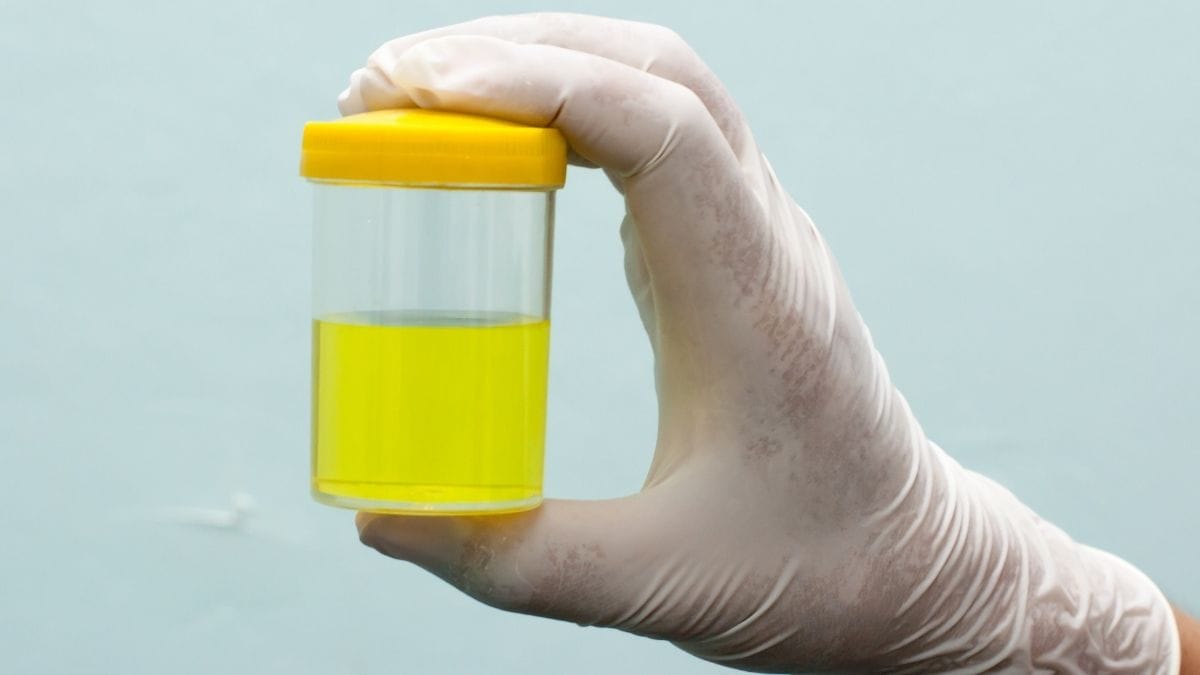
Healthline confirms this is a medically backed method. Keep in mind that B vitamins can make urine bright yellow, and beets can turn it red. Look at the pattern, not just one check.
Check 2: Morning weight. If your weight drops 1 to 2 pounds suddenly over one or two days without a reason, that’s often fluid loss — not fat. Track it loosely.
Check 3: Dry mouth plus fatigue. On its own, a dry mouth isn’t reliable in older adults. But when dry mouth shows up alongside fatigue, low energy, and dark urine at the same time, that combination is a real signal. If you also notice very little urination, confusion, or dizziness, that’s urgent — seek medical care the same day.
Your Practical Daily Hydration Plan (That Doesn’t Depend on Thirst)
Forget waiting to feel like drinking. Build a system instead. Here’s one you can start tomorrow.
Effortless Hydration Architecture
Strategic blueprints to hit your daily fluid targets fluidly without friction
Schedule Your Sips
Visual Reminders
Body weight (lbs) ÷ 3 = Target Daily Ounces
Sip Small, Sip Often
Eat Your Fluids
Elevate the Experience
Warning Signs That Need Immediate Medical Attention
Not all dehydration is equal. Some signs you can handle at home. Others need a doctor the same day.
Early signs — manageable at home with increased fluid intake: fatigue, dry mouth, headache, constipation, darker urine, low energy.
Urgent signs — call a doctor or go to urgent care: confusion or sudden mental fog, dizziness when standing that doesn’t pass, no urination for more than 8 hours, rapid heartbeat without exercise, extreme weakness, fainting or near-fainting.

One important note: sudden confusion in an older adult should always prompt a dehydration check first. It’s often misread as a dementia episode when it’s actually a fluid issue — and it’s fixable.
A Final Note:
Your body’s thirst signal is no longer reliable after 60. But that doesn’t mean you’re stuck. A simple daily schedule, urine color checks, hydrating foods, and a look at your medications can keep you well hydrated — no thirst required. Start tonight: put a glass of water on your nightstand.